Reset Tire Pressure Light On Your Honda Accord: A Definitive Guide
The sudden illumination of your Honda Accord’s Tire Pressure Monitoring System (TPMS) light can be an unsettling dashboard warning for any driver. While often signaling critically low tire pressure, understanding its various triggers and the correct procedure to extinguish it is crucial, preventing unnecessary worry or costly visits to the mechanic. This expert guide will meticulously walk you through diagnosing the cause, performing a precise TPMS reset for your specific Honda Accord model, and maintaining optimal tire health for enhanced safety and performance.
Understanding Your Honda Accord’s TPMS System Fundamentals

📤 Share Image


The Tire Pressure Monitoring System (TPMS) in your Honda Accord serves a critical function: to continuously monitor the pressure within your tires and alert you to any significant drops in inflation. This system is not merely a convenience; it is a fundamental safety feature, mandated by the TREAD Act of 2000, which required its inclusion in all new vehicles sold in the U.S. by 2008. Its primary objective is to enhance vehicle safety by preventing accidents caused by under-inflated tires, while also improving fuel efficiency and extending tire lifespan.
Honda Accords, like many modern vehicles, have utilized both primary types of TPMS systems:
- Direct TPMS: This system employs individual pressure sensors installed inside each tire, usually integrated with the valve stem. These sensors directly measure tire pressure and temperature, transmitting data wirelessly to the vehicle’s onboard computer. Newer Accord generations (e.g., certain trims or later models post-2018) may feature this more precise system.
- Indirect TPMS: Predominantly found in earlier Honda Accord models, such as those from 2008-2017, this system does not use physical pressure sensors in the tires. Instead, it utilizes the existing Anti-lock Braking System (ABS) wheel speed sensors to monitor the rotation speed of each wheel. A tire that is significantly under-inflated will have a slightly smaller diameter and thus rotate at a different speed compared to properly inflated tires, triggering the TPMS warning. This system often requires a manual calibration or reboot via a physical button or the infotainment system to initialize new pressure values as the default after inflation adjustments.
The TPMS light illuminates for several reasons, and understanding these is the first step to a resolution:
- Actual Low Tire Pressure: This is the most common cause. A significant temperature drop, for instance, can cause tire pressure to decrease, triggering the alert.
- Faulty TPMS Sensor: In direct TPMS systems, a sensor can fail due to battery depletion, physical damage, or corrosion.
- System Malfunction: The TPMS light blinking for a period upon startup typically indicates a fault within the system itself, rather than just low pressure.
- After Tire Rotation or Replacement: The system may need to be reset or recalibrated to recognize the new tire positions or new sensors, establishing a fresh start for monitoring.
It’s imperative to recognize that ignoring the TPMS light jeopardizes your safety and vehicle performance. Statistics reveal that over 25% of vehicles on the road have improperly inflated tires, contributing to a substantial number of preventable accidents and unnecessary costs for drivers.

Initial Diagnostics: Verifying Tire Pressure Before a TPMS Reset
Before attempting any TPMS reset procedure, it is absolutely paramount to perform a thorough and accurate check of all your tires’ pressure. Our experience shows that the vast majority of TPMS light illuminations are simply due to genuinely low tire pressure. Skipping this critical diagnostic step can lead to frustration and a false assumption of a system malfunction.
Accurate Readings
Checking tire pressure when tires are cold ensures the most accurate readings, as driving heats tires and increases internal pressure.
Manufacturer Compliance
Adhering to manufacturer’s specifications (door jamb/manual) is crucial for safety, handling, and fuel efficiency.
Preventative Action
Correcting under-inflation immediately can prevent tire damage, improve vehicle performance, and avoid unnecessary TPMS light triggers.
How to Safely and Accurately Check Tire Pressure
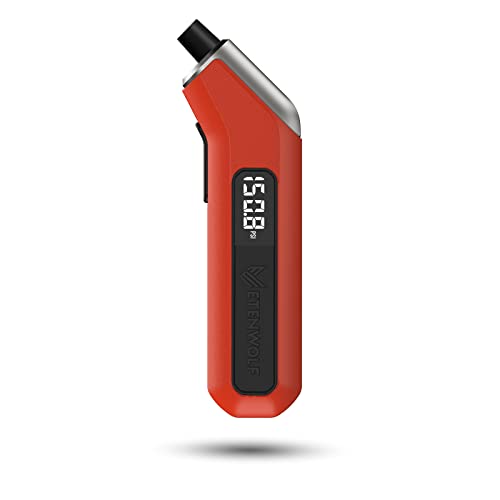
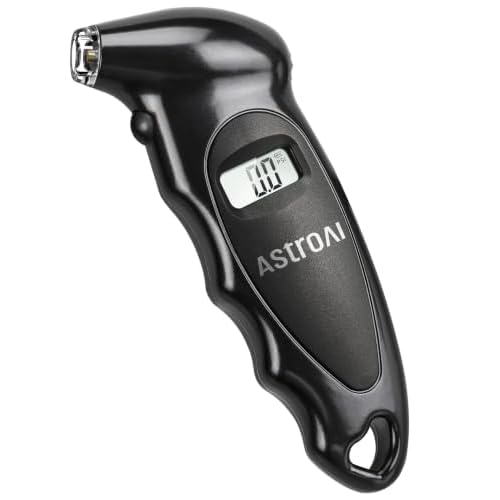
- Acquire a Reliable Gauge: Invest in a good quality digital tire pressure gauge. While analog gauges are functional, digital versions provide superior precision, which is key for optimal tire performance. The average cost of a quality tire pressure gauge is $15-25.
- Check Tires When Cold: This is a non-negotiable step. “Cold” means the vehicle has been parked for at least three hours or has been driven for less than a mile at moderate speed. Driving generates heat, which increases air pressure inside the tire, leading to inaccurate readings.
- Locate Recommended PSI: Your Honda Accord’s recommended tire pressure specifications are typically found on a sticker inside the driver’s side door jamb. Failing that, consult your owner’s manual. This figure is crucial; do not rely on the maximum pressure stamped on the tire sidewall, as this is a safety limit, not a recommended operating pressure.
- Check All Four Tires (and Spare): Methodically check each of your four main tires. If your Accord’s TPMS system monitors the spare tire (this is less common for indirect systems but possible for direct systems), check its pressure as well. As a scenario, a driver might find three tires at 32 PSI, but one at a low 25 PSI while the door jamb recommends 32 PSI. This immediate discrepancy will trigger the light.
- Perform a Visual Inspection: While checking pressure, visually inspect each tire for any signs of damage, punctures, embedded objects, or unusual wear patterns. A slow leak might not be immediately visible but can cause repeated pressure drops.
Correcting Tire Pressure
If you find any tire below the recommended PSI, add air until it reaches the specified level. Over-inflation is also detrimental, so release air if you’ve exceeded the recommendation. The goal is to restore all tires to their optimal manufacturer-specified pressure. From a practical standpoint, driving on tires just 6 PSI under-inflated can significantly reduce tire life by up to 25% and decrease fuel efficiency by 1%. By correcting these issues, you establish a true fresh start for your TPMS, allowing it to monitor accurate default values.
Always re-check the pressure a few hours after adjusting, especially if you’ve had to add a significant amount of air, to ensure no slow leaks are present and that the pressure holds steady. This ensures a true and lasting default state for your tires.
Step-by-Step Procedures to Reset the TPMS Light on Your Honda Accord
Once you’ve verified and corrected all tire pressures, the next step is to reset the TPMS light. The procedure varies significantly depending on your Honda Accord’s model year, specifically whether it features a physical reset button or relies on infotainment system calibration for its indirect TPMS. This recalibration is essentially a reboot for the system, allowing it to learn the new, correct tire pressure as its default operating parameter.
📋
Step-by-Step Guide
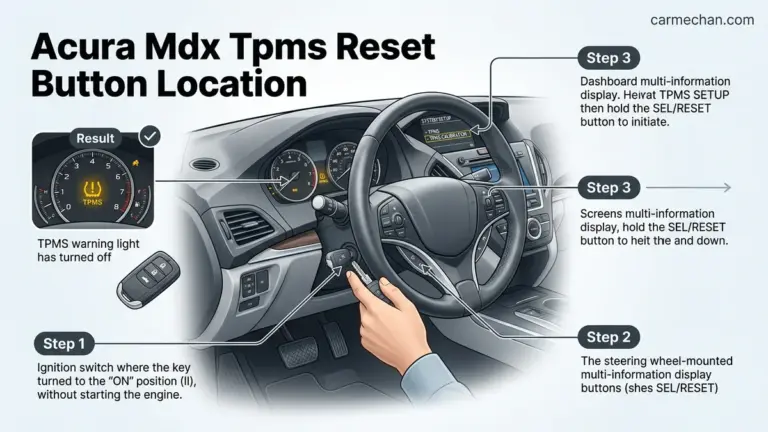
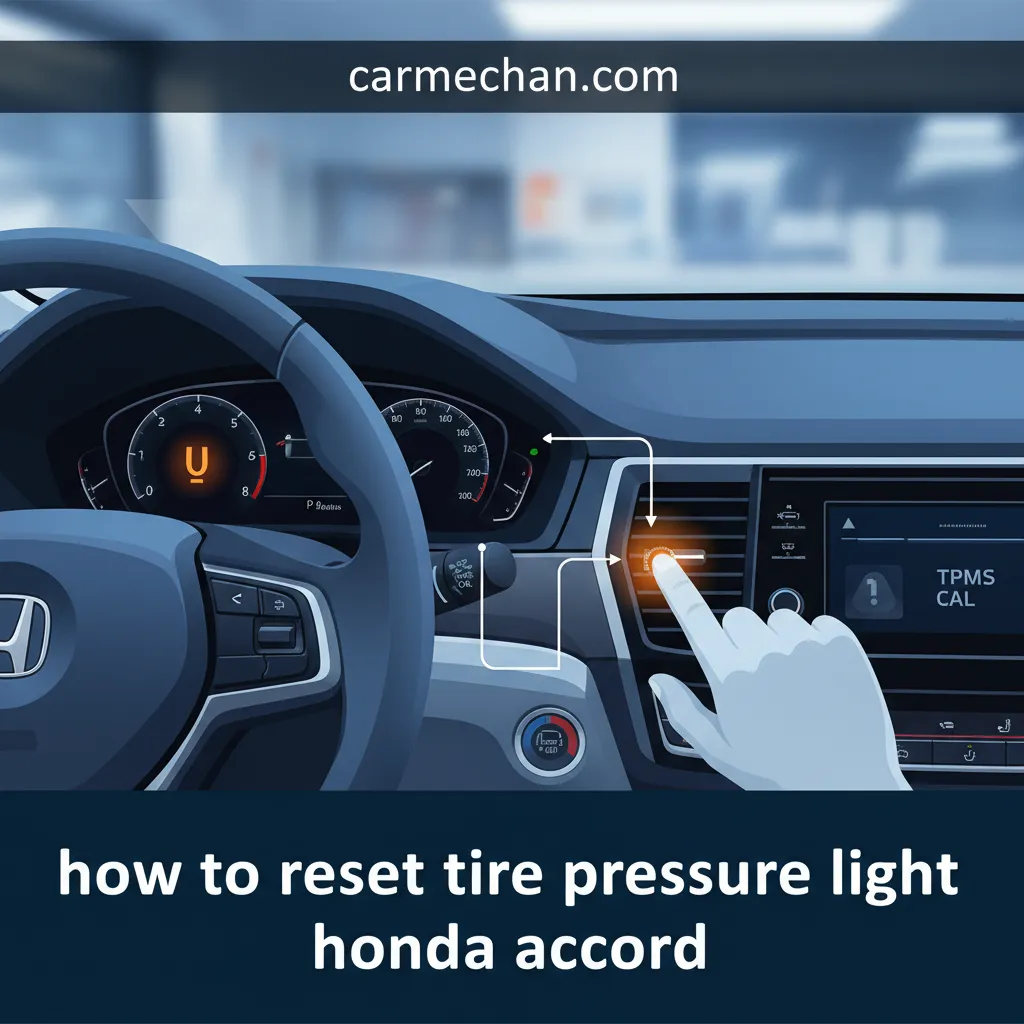
Many Honda Accord models from this era, such as a 2015 Accord, utilize a physical TPMS reset button. This button is typically located either under the dashboard to the left of the steering column, in the glove box, or occasionally within the center console. Start by ensuring your vehicle is parked and the ignition is in the ‘ON’ position (engine off). Then, press and hold the TPMS reset button until the TPMS indicator light blinks twice. Release the button. This action tells the system to initialize new pressure values as its current normal baseline, providing a fresh start for monitoring.
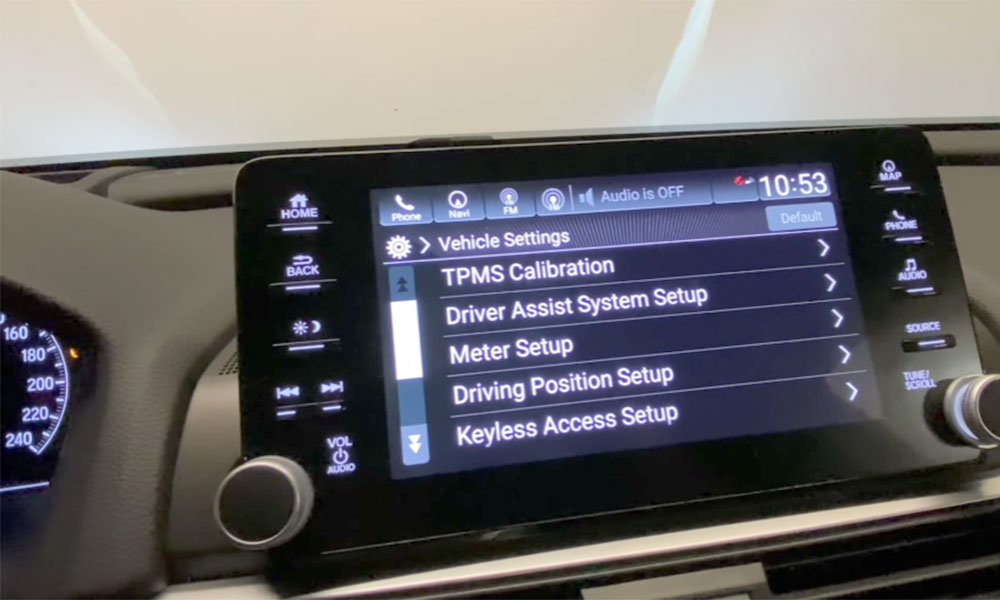
Newer generations of the Honda Accord, such as a 2020 Accord, often feature an indirect TPMS that requires calibration via the infotainment system. The exact menu path may vary slightly by year and trim, but typically you would:
- Turn the ignition ‘ON’ (engine off).
- Navigate to the ‘Home’ screen on your infotainment display.
- Select ‘Settings’ or ‘Vehicle Settings’.
- Look for ‘TPMS Calibration’ or ‘Driver Assist System’ (DAS) settings, then ‘TPMS Calibration’.
- Select ‘Calibrate’ or ‘Initialize’. Confirm the prompt to reset the system.
This process essentially performs a reboot of the system, teaching it the current tire pressures as the new default parameters for monitoring.


Regardless of whether you used a button or the infotainment system, a critical post-reset step is the driving calibration. For the TPMS to successfully relearn the new tire pressure values and extinguish the warning light, you must drive your Honda Accord. We recommend driving at speeds consistently above 30-40 mph for approximately 20-30 minutes. During this period, the system continuously monitors wheel rotation speeds (for indirect TPMS) or receives data from direct sensors, establishing a new default baseline. When successful, the TPMS light will typically blink for a few seconds immediately after the reset, then stay off. If it remains on or blinks continuously, further diagnostics are needed.
It is important to differentiate between a simple reset/recalibration and a full system relearn. For Honda Accords using indirect TPMS, a reset or calibration means instructing the system to accept the current tire pressures as the new ‘normal’ values, establishing a fresh start for its monitoring algorithm. For direct TPMS systems, a full relearn might be needed after sensor replacement, which often requires specialized tools to program new sensors to the vehicle’s ECU to restore them to factory specifications.
Advanced TPMS Troubleshooting and Professional Service Considerations
While a simple pressure adjustment and system reset often resolve the TPMS light issue, there are instances where the problem persists, indicating a more complex underlying fault. Understanding these scenarios and knowing when to seek professional intervention is crucial for maintaining vehicle safety and avoiding further complications.
Decoding a Blinking TPMS Light
A constant illumination of the TPMS light typically signals low tire pressure. However, if the TPMS light blinks for 60-90 seconds upon startup, then stays solid, this is a critical diagnostic indicator. It almost always points to a system malfunction rather than just under-inflation. This can signify a faulty sensor, a problem with the TPMS control module, or an issue with the receiver that picks up sensor signals. In such a scenario, the system is essentially telling you it’s not working correctly, and a standard reset will not resolve it.
Never ignore a blinking TPMS light. While your tires might be properly inflated, the system designed to warn you of future pressure drops is compromised, leaving you vulnerable to potential safety hazards. Immediate diagnosis is advised to restore your vehicle’s safety features.
Common TPMS Sensor Issues
For Accords equipped with direct TPMS, individual sensors are susceptible to issues:
- Battery Depletion: TPMS sensors are battery-powered, and these batteries have a finite lifespan, typically 5-10 years or 75,000-100,000 miles. Once depleted, the sensor stops transmitting, necessitating replacement.
- Physical Damage: During tire mounting/dismounting, or from severe impacts, sensors can be physically damaged.
- Corrosion: Exposure to road salt and moisture can lead to corrosion of the sensor housing or valve stem, leading to failure. We’ve seen scenarios where a tire shop, during a routine tire replacement, discovers a severely corroded sensor.
Using an OBD-II Scanner for Diagnostics
For advanced diagnostics, particularly with a blinking light, an OBD-II scanner capable of reading TPMS-specific codes is invaluable. A professional-grade scanner can communicate directly with the TPMS module, identify which specific sensor (if direct TPMS) is failing, or pinpoint other system errors. This allows technicians to effectively clean out extraneous error codes and precisely identify the root cause, leading to a targeted repair rather than guesswork.
When to Seek Professional Assistance
If you’ve confirmed tire pressures are correct, attempted a reset, and the light (especially if blinking) persists, it’s time to consult a professional. A Honda dealership or certified mechanic has the specialized tools, such as a dedicated ‘TPMS tool’, to:
- Diagnose Sensor Failures: Pinpoint exactly which sensor is faulty and requires replacement.
- Replace and Program Sensors: New TPMS sensors must be programmed to the vehicle’s ECU (Engine Control Unit) to communicate correctly. This is a process often referred to as a “relearn” or “pairing,” ensuring they restore their function to factory specifications. A single OEM TPMS sensor can cost between $50-$150, excluding labor for installation and programming.
- Address Control Module Issues: In rare cases, the TPMS control module itself might be faulty, requiring more complex diagnostics and repair.
- Perform a System Relearn: After tire rotations or replacements, especially with new sensors, a full system relearn may be necessary to correctly initialize the positions and values of all sensors, effectively performing a complete reboot and establishing a new default configuration. This can sometimes involve a specialized driving sequence unique to the vehicle model, or using a diagnostic tool to backup and then load new sensor IDs.
By The Numbers
Typical TPMS Sensor Battery Life
Cost per OEM TPMS Sensor (Excl. Labor)
Maintaining Optimal Tire Pressure for Enhanced Longevity and Safety
Resetting your TPMS light is a reactive measure; true vehicle longevity and safety come from proactive maintenance. Consistent attention to your tires goes far beyond simply extinguishing a warning light, influencing everything from daily driving dynamics to long-term ownership costs. It’s about ensuring a perpetual fresh start for your tire health.
The Critical Role of Regular Tire Pressure Checks
We cannot overstate the importance of checking your tire pressure regularly. Make it a habit to check your tires at least monthly and always before any long road trips. This simple habit serves as your first line of defense against the TPMS light illuminating. Studies show that only 17% of drivers check their tire pressure correctly and regularly, highlighting a significant gap in fundamental vehicle maintenance.
Impact on Vehicle Handling, Braking, and Safety
Maintaining the correct tire pressure directly influences how your Honda Accord performs on the road. Properly inflated tires ensure:
- Optimal Handling: Your vehicle will respond predictably to steering inputs.
- Effective Braking: Proper tire contact with the road is essential for short stopping distances.
- Enhanced Safety: Underinflated tires generate excessive heat, increasing the risk of blowouts, which are a factor in an estimated 78,000 crashes each year in the U.S. By maintaining correct pressure, you significantly reduce the risk of accidents, allowing your vehicle’s safety systems to perform optimally and restore full driver confidence.
Economic Benefits of Proper Inflation
Beyond safety, correct tire pressure offers tangible economic advantages:
- Improved Fuel Efficiency: Properly inflated tires reduce rolling resistance, meaning your engine doesn’t have to work as hard. This translates to better gas mileage; drivers can save up to 3.3% on fuel by maintaining correct pressure.
- Extended Tire Lifespan: Under- or over-inflated tires wear unevenly and prematurely, necessitating earlier and more frequent replacements. Maintaining the correct PSI ensures even wear and maximizes the life of your expensive tires, saving you money in the long run and keeping the tire system functioning at its default optimal level.
Seasonal Tire Maintenance
Ambient temperature fluctuations have a direct impact on tire pressure. As a rule of thumb, a 10-degree Fahrenheit drop in outside temperature can cause tire pressure to decrease by about 1 PSI. This means seasonal changes—especially the transition from warm to cold weather—often necessitate pressure adjustments. Prior to each new season, perform a comprehensive pressure check to ensure your tires are set to the correct default for the prevailing conditions. This ensures a fresh start for your tires and TPMS with every change in climate.
For example, before a long summer road trip, when ambient temperatures are high and pavement temperatures even higher, ensuring your tires are at the precise recommended cold inflation pressure is paramount. This preventative measure helps mitigate heat buildup and reduces the risk of tire failure at sustained highway speeds.
✅ Pros of Proper Tire Maintenance
- Enhanced safety and accident prevention
- Improved vehicle handling and braking
- Significant fuel cost savings
- Extended tire lifespan
- Reduced likelihood of TPMS light illumination
- Consistent and reliable vehicle performance
❌ Cons of Neglecting Tire Maintenance
- Increased risk of tire blowouts and accidents
- Compromised handling and braking efficiency
- Higher fuel consumption
- Premature and uneven tire wear
- Frequent, distracting TPMS warnings
- Potential for costly sensor replacements
In summary, proactive tire maintenance, rather than just reactive TPMS resets, cultivates a safe, efficient, and reliable driving experience in your Honda Accord. By understanding the underlying principles and adhering to best practices, you can maximize your vehicle’s performance and ensure your safety on every journey.
Conclusion

Accurate diagnosis of the TPMS light’s cause, starting with manual pressure checks, is paramount. Resetting your Honda Accord’s TPMS light involves specific, generation-dependent procedures, whether via a physical button or infotainment system calibration. Persistent or blinking TPMS lights typically indicate a system malfunction requiring professional diagnostic attention and potential sensor replacement to restore factory performance. Ultimately, consistent tire maintenance, including regular pressure checks, is crucial for both safety and tire longevity. Empowered with this knowledge, confidently address your Honda Accord’s TPMS light. Prioritize regular tire maintenance and do not hesitate to consult a certified technician for complex issues to ensure your vehicle’s safety systems are functioning optimally, providing a dependable and fresh start for every drive.
Frequently Asked Questions
Why does my TPMS light come on after a tire rotation?
After a tire rotation, especially on systems that use indirect TPMS or older direct systems, the car’s computer might need to relearn the new tire positions and their pressure values. This often requires a simple reset or calibration procedure as outlined in your owner’s manual to restore the system to its default monitoring state.
Can I drive with the TPMS light on?
While you can drive with the TPMS light on, it is not recommended, particularly if it’s due to low tire pressure. Underinflated tires compromise handling, braking, and fuel efficiency, and can lead to dangerous blowouts. A blinking light indicates a system malfunction, which also warrants immediate attention from a professional technician to clean the issue.
How often should TPMS sensors be replaced?
TPMS sensors typically have a lifespan of 5 to 10 years or 75,000 to 100,000 miles, as their internal batteries are not usually replaceable. It’s often recommended to consider replacing them when new tires are installed, especially if your sensors are nearing the end of their expected service life, to ensure a fresh start for accurate monitoring.
Is there a difference in resetting the light between older and newer Accords?
Yes, there is a significant difference. Older Honda Accords (e.g., 2008-2017) commonly feature a physical TPMS reset button. Newer models (e.g., 2018+) typically integrate the TPMS calibration procedure into the infotainment system, requiring navigation through menus like ‘Vehicle Settings’ to perform the reset and return to default monitoring.
Will disconnecting the battery reset the TPMS light?
While disconnecting the battery can sometimes clear certain dashboard warning lights by cycling the vehicle’s electrical system, it’s generally not the recommended or effective method for resetting the TPMS light on a Honda Accord. The TPMS system often requires a specific reset or calibration procedure to properly re-establish its connection with the tire sensors and restore functionality.