Jeep Gladiator TPMS Reset Button Location: Clarified
Seeing a flashing tire pressure warning light on your Jeep Gladiator dashboard can be an exercise in frustration, particularly when your initial search for a manual reset button comes up empty. Many owners spend considerable time scouring the glove box, the lower dash, and the Uconnect settings menu for a “reset” switch that simply does not exist on this platform. In this guide, we clarify the mechanics behind your vehicle’s Tire Pressure Monitoring System (TPMS) and walk you through the proper procedures to restore your dash to a clean, clear state.
Understanding the Modern Jeep Gladiator TPMS Reset Button Location Myth


The search for a hidden button is a byproduct of older automotive technology where technicians or owners had to manually trigger a re-learn sequence. On the modern Jeep Gladiator, the architecture has evolved into a fully automated system designed to minimize user intervention. Understanding that this button does not exist is the first step toward a successful fix.

📤 Share Image
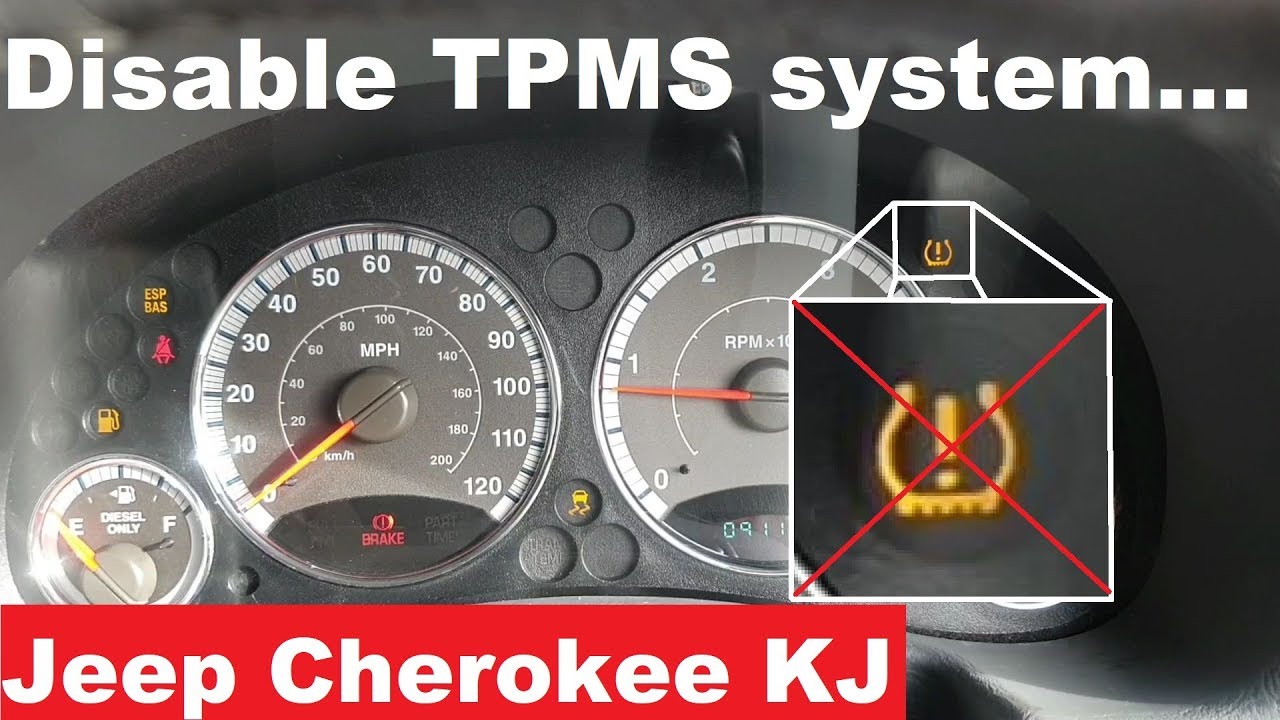
Why Modern Jeeps Use Auto-Learn Technology
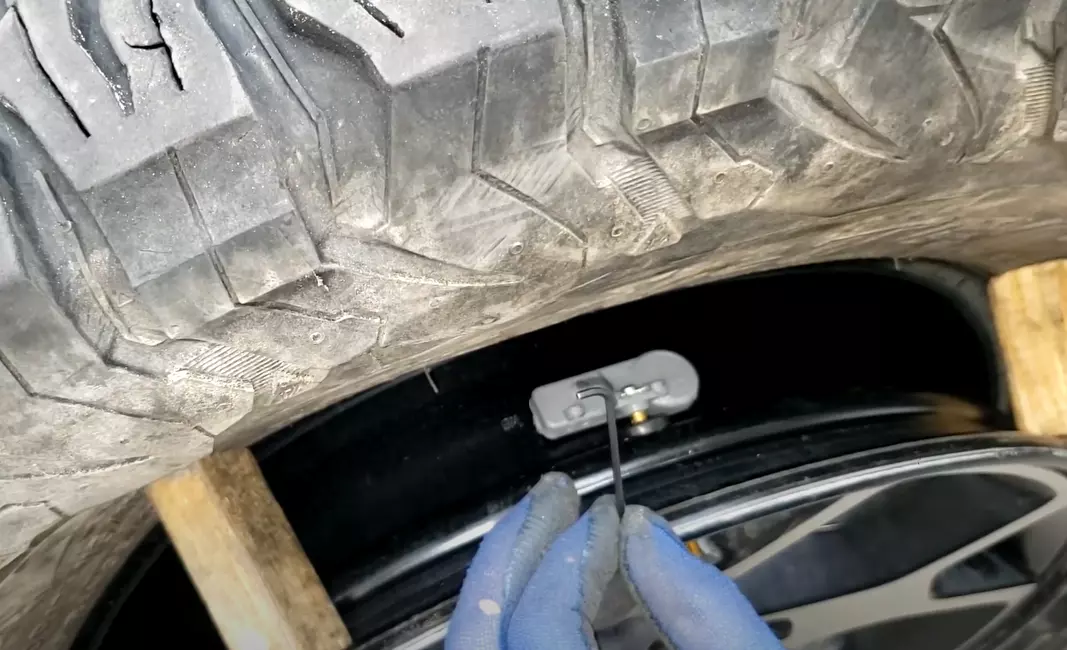
The Jeep Gladiator utilizes high-frequency radio transmitters located within each wheel’s valve stem assembly. These sensors broadcast real-time pressure data to the Radio Frequency (RF) Hub. Because the vehicle is programmed to “auto-learn” sensor IDs, it constantly scans for the unique signatures of the four sensors currently on the vehicle. This removes the need for a factory manual override, effectively rendering the concept of a “reset button” obsolete in the current generation of Jeep vehicles.

How the RF Hub Communicates with Your Tires
The system is an integrated network involving the tire pressure sensors, the vehicle’s RF Hub, and the instrument cluster display. When you perform a tire rotation or install new wheels, the RF Hub detects the new physical position of the sensors automatically through signal strength and proximity. If you are struggling with a persistent light, it is almost never a case of needing a “reset” via a button, but rather a failure of the sensor to communicate or an incorrect pressure reading that the system is flagging.
Step-by-Step Guide to Clearing Your Jeep Gladiator TPMS Warning


If your TPMS light is illuminated, it is signaling that one or more sensors have detected a pressure deviation from the established threshold. Follow this procedure to initialize the system and ensure it recalibrates correctly.
📋
Initialization Procedure


Always refer to the sticker inside the driver’s side door jamb for the correct PSI. Do not rely on the maximum PSI printed on the tire sidewall, as this is the tire’s capacity, not the vehicle’s operating requirement.
Use an accurate digital tire pressure gauge to inflate each tire to the factory recommendation. Ensure the ambient temperature is considered, as cold weather often triggers false positives.
Once pressure is corrected, drive the vehicle at speeds above 20 mph for at least 10–15 minutes. This allows the RF Hub to receive the updated data from each sensor and clear the light automatically.
Why the TPMS Light Persists: Common Faults and Diagnostics
If the light remains illuminated after a thorough drive cycle, it suggests a system fault rather than an simple pressure issue. Consider the following common pitfalls:
- The Spare Tire Variable: Many Gladiator trims include a TPMS sensor in the full-size spare. If the spare is low, the system may keep the light on despite your road tires being perfectly inflated. Check the spare!
- Oversized Tires: If you have installed larger, aftermarket tires and did not adjust the TPMS threshold via a diagnostic tool, the computer will continue to flag the pressure as “incorrect” because it is programmed for factory PSI levels.
- Sensor Battery Degradation: These sensors are battery-powered, with a typical lifespan of 5 to 10 years. A “cold” battery or a failing sensor will often cause the dash to display a persistent warning or a “Service TPMS” error message.
- Fault Code Interference: Occasionally, the RF Hub may store a persistent fault code. If the mechanical side is sound, an OBDII diagnostic tool is required to read and clear these codes to force a fresh start for the system.
For every 10-degree Fahrenheit drop in ambient temperature, tire pressure typically drops by 1 PSI. Always check your pressures during the first cold snap of the season, as this is the most common cause of “spontaneous” TPMS light illumination.
Advanced Reset Options: Using Diagnostic Tools for Jeep Gladiator TPMS
For owners who have modified their vehicles—such as those running non-standard tire sizes—a standard drive cycle may not be sufficient to clear the system. In these instances, you may need an OBDII diagnostic tool (such as a Tazer or JScan) to bridge the gap between factory defaults and your current configuration.
When to Use an OBDII Diagnostic Tool
If you have changed wheel diameters or drastically altered tire pressure requirements, the vehicle’s computer will continue to struggle against the “default” factory values. An OBDII tool allows you to manually re-program the TPMS thresholds in the Body Control Module (BCM). This effectively tells the computer the new “normal,” allowing for a clean, permanent baseline that avoids constant light toggling.
Relearning New Sensors After Modifications
When swapping to new aftermarket wheels and sensors, the RF Hub must be introduced to the new hardware IDs. While most modern Gladiator systems will pick these up after a short drive, some specific sensors require an activation tool to “wake up” from their shipping mode. If you have installed new sensors and the light persists after 50 miles of driving, visit a local tire shop; they can “ping” the sensors to confirm they are broadcasting, which serves as a necessary backup diagnostic step before assuming a system failure.
By The Numbers
Auto-Learn Efficiency
MPH Trigger Speed
Never attempt to disable the TPMS light by permanently over-inflating tires or using “defeat” devices that may bypass vehicle safety protocols. Always prioritize safe, manufacturer-recommended pressures to ensure proper braking and handling characteristics.
Final Considerations for System Clarity
To summarize the realities of your Jeep Gladiator TPMS: there is no physical reset button in the cabin, and you should not waste time looking for one. The system is designed to be fully automated. The foundation for a clean dashboard is maintaining the correct PSI as indicated by your door placard, coupled with a sufficient drive cycle to allow the RF Hub to initialize the sensors. If the warning light remains active despite correct pressure, don’t overlook the spare tire, and consider using an OBDII tool if you have modified your tire setup.
Should the light continue to illuminate after following these steps, it is highly likely that you have a faulty sensor battery or a damaged valve stem. In these cases, visiting a professional tire technician to scan for individual sensor signal loss is your most reliable path to a permanent fix. Staying proactive with your tire maintenance ensures that your Gladiator remains both safe and free of unnecessary dashboard clutter.
Jeep Gladiator Tpms Reset Button Location: Frequently Asked Questions
Why is my TPMS light still on after filling the tires?
The system requires a drive cycle to recognize the change in pressure. Simply adding air does not immediately clear the error because the computer is waiting for the sensor to transmit a new signal while the wheels are in motion. Ensure all tires match the door-placard PSI and drive at speeds over 15 mph for 10-20 minutes to allow the sensors to wake up and sync with the module.
Do I need a special tool to reset my Jeep Gladiator TPMS?
No, you do not need a special tool for a standard reset. The Jeep Gladiator system is self-learning, meaning it automatically detects the sensor IDs and positions once the tires are properly inflated and the vehicle is driven. You only need external diagnostic tools if you are replacing faulty sensors or need to reprogram the computer to accept custom tire pressures after installing aftermarket tires.
How long does the TPMS auto-learn process take?
The auto-learn process is typically completed within 10 to 20 minutes of continuous driving. The sensors must reach a specific operational frequency and transmit data to the Body Control Module consistently while the vehicle is in motion. If the light remains on after 30 minutes of driving, there is likely a dead sensor battery or a signal interference issue that requires mechanical inspection or sensor replacement.
Can aftermarket tire pressure settings cause a permanent TPMS warning?
Yes. If you have installed larger aftermarket tires that require lower PSI than the factory door placard, the Jeep’s computer will perceive the lower pressure as an under-inflation event. To stop the warning, you must use a programmer or an OBDII diagnostic tool to update the vehicle’s internal ‘default’ threshold to match your new tire requirements, preventing the system from flagging the lower pressure as a fault.
Does a cold snap trigger the TPMS light frequently?
Yes, environmental factors are a common cause. For every 10-degree drop in ambient temperature, tire pressure typically drops by about 1 PSI. If your tires were already near the minimum threshold, the cold weather can trigger the sensor to send a low-pressure signal. Before performing any reset, always check your tire pressures with an accurate gauge in the morning when the rubber is cold to ensure they meet factory specifications.