2017 subaru impreza tpms reset button location: Solved
Is your dashboard lit up with a persistent tire pressure warning that won’t go away? Many 2017 Subaru Impreza owners spend hours hunting for a “hidden” reset button that simply does not exist in this vehicle. This frustration often leads to wasted time and unnecessary trips to the service center. In this guide, we will clear up the confusion regarding the 2017 Subaru Impreza TPMS reset button location, explain why it is missing, and show you exactly how to calibrate your system correctly to restore a clean, error-free driving experience.

Understanding the 2017 Subaru Impreza TPMS Reset Button Location Myth
Recommended Best Deal Products


📤 Share Image
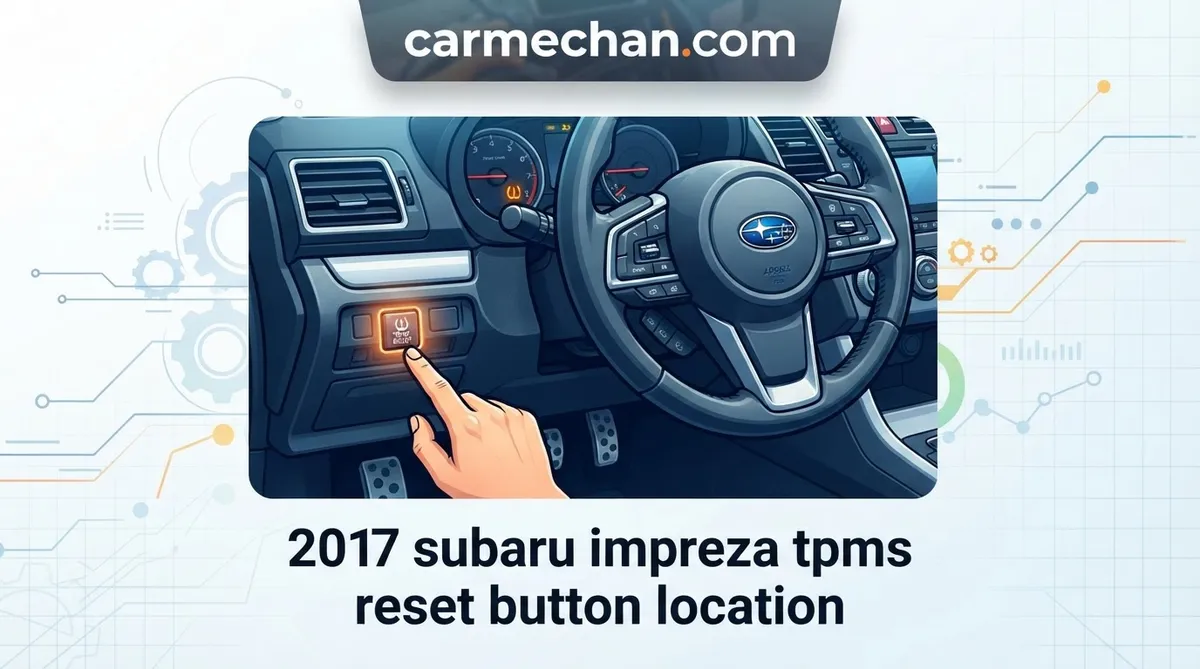
Searching for a reset button under your steering column or inside the glovebox is a common rite of passage for many Subaru owners, yet it is ultimately a futile exercise. The 2017 Subaru Impreza utilizes a highly sophisticated Direct Tire Pressure Monitoring System (TPMS) that operates independently of manual user input. Unlike older or aftermarket systems that require a “reboot” via a hidden switch, the Subaru system is fully automated.

Why You Cannot Find a Physical Reset Button
The search for a 2017 Subaru Impreza TPMS reset button location is akin to searching for a needle in a haystack—because the needle was never placed there. Manufacturers have moved toward “automatic learning” systems to reduce driver error. A physical button introduces the risk of the system being “reset” while the tire pressure is incorrect, which could lead to false negatives where the light stays off despite a dangerously low tire.
How Direct TPMS Sensors Transmit Data
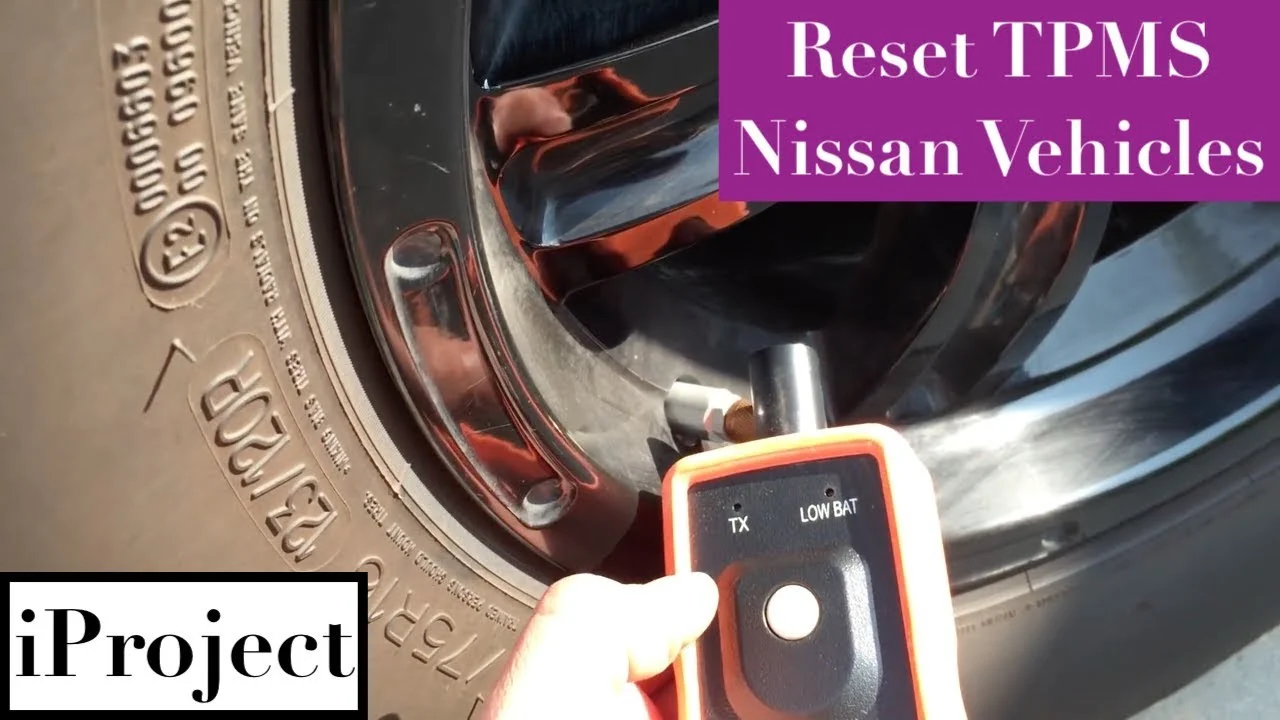
Each wheel on your 2017 Impreza is equipped with a specific TPMS sensor attached to the valve stem. These sensors act as miniature radio transmitters, constantly sending real-time pressure and temperature data to the vehicle’s electronic control unit. Because the hardware is “always on,” it detects the change in pressure immediately. There is no need for a manual refresh because the hardware is constantly talking to the Combination Meter.
The Role of the Instrument Cluster Warnings
The instrument cluster serves as your primary interface. When the computer detects a deviation from the factory-specified PSI, it triggers the warning light. Because the system is dynamic, it does not store a “stale” state that needs to be cleared. Once the sensors report pressure within the designated range, the system automatically stops sending the alert signal.
How to Perform a 2017 Subaru Impreza TPMS Reset Procedure
Since there is no button to push, “resetting” the system actually involves verifying the physical state of your tires. This process ensures that your vehicle returns to its default safety baseline.
📋
Step-by-Step Procedure
Recommended Best Deal Products


Open your driver’s side door and locate the tire pressure placard on the B-pillar. Use a high-quality digital tire gauge to measure all four tires. Do not rely on gas station pump gauges, as they are often inaccurate.
Inflate every tire—including the spare if applicable—to the exact PSI listed on the placard. Adjusting just one or two tires may result in the light staying on, as the system monitors all corners.
Once the pressures are correct, drive the vehicle at speeds above 20 mph for at least 10–15 minutes. This rotation allows the sensors to establish a fresh start by communicating their new status to the control module.

Audible — Listen Free for 30 Days
One free credit a month and thousands of titles included.
Listen Free for 30 DaysTroubleshooting Persistent 2017 Subaru Impreza TPMS Warning Lights
If your warning light remains illuminated after you have confirmed the correct tire pressures and completed the driving cycle, you are likely dealing with a hardware-level issue rather than a calibration requirement. Understanding the behavior of the light is critical to diagnosing the fault.
- Solid Warning Light: This indicates that one or more tires are below the recommended PSI. If you have inflated all tires to the specified pressure and the light stays solid, it may suggest a slow leak or a sensor that has stopped transmitting.
- Flashing Warning Light: This is the hallmark of a system error. It typically points to a dead sensor battery or a malfunction within the TPMS module itself. Professional diagnostic tools are required to pull the specific fault code from the vehicle’s computer.
- Environmental Factors: Temperature fluctuations—specifically “cold snaps”—cause a drop in air density. For every 10-degree Fahrenheit drop in ambient temperature, tire pressure drops by approximately 1 PSI. Always check your pressures during the first cold day of the season.
Do not attempt to use “over-inflation” as a way to force the light off. Inflating tires beyond the manufacturer’s recommended PSI (as indicated on the door jamb) degrades ride quality and unevenly wears your tires. Always aim for the factory standard.
Maintaining Your 2017 Subaru Impreza TPMS for Optimal Safety
Recommended Best Deal Products


Proactive maintenance is the best backup strategy for preventing TPMS headaches. Because the internal sensor batteries generally have a lifespan of 5 to 10 years, 2017 model year vehicles are now entering the window where sensor replacement becomes common.
Seasonal Tire Care
Maintain a record of your standard PSI. During seasonal changes, check pressures monthly to stay ahead of the natural contraction caused by colder weather.
Service Protection
When getting new tires, explicitly ask the technician to inspect the valve stems and sensors. Replacing the seal kits during a tire change can prevent future air leaks and ensure longevity.
By The Numbers
Years (Average Sensor Life)
Automatic Calibration
To summarize: there is no manual reset button for the 2017 Subaru Impreza. The system is designed to initialize automatically once the correct pressures are met and the vehicle has been driven. By using an external gauge to ensure accuracy and respecting the difference between a low-pressure light and a system-malfunction flash, you can effectively manage your tire health.
If your dashboard light persists despite correct inflation and a thorough test drive, your vehicle likely has a faulty or expired sensor. In this case, we recommend visiting a trusted technician to have your TPMS scanned for potential battery failure or damage to ensure your vehicle remains safe on the road.
2017 Subaru Impreza Tpms Reset Button Location: Frequently Asked Questions
Where is the TPMS reset button located in a 2017 Subaru Impreza?
There is no physical TPMS reset button located anywhere in the 2017 Subaru Impreza. Unlike older vehicle models or specific brands that require a button press to initialize the monitoring system, the 2017 Impreza is engineered to detect tire pressure changes automatically. Once the tires are inflated to the correct pressure as listed on the driver-side door jamb, the system will clear itself during a standard driving session.
Why is my TPMS light still on after inflating my tires?
The TPMS light often remains on because the system requires a ‘drive cycle’ to verify that the pressure has been corrected. After inflating your tires to the manufacturer’s recommended PSI, you must drive the vehicle for at least 10 to 20 minutes at speeds exceeding 20 mph. This movement allows the sensors to transmit new data to the vehicle’s ECU, confirming the pressure is stable and triggering the warning light to turn off.
Audible Premium Plus — Annual Membership
12 audiobook credits up front, plus the full Audible catalogue.
See Annual PlansDo I need a scan tool to reset the TPMS on my 2017 Impreza?
In most cases, you do not need a scan tool for a standard TPMS light issue. If the light is caused by low tire pressure, the system reset is fully automatic. However, if the TPMS light is flashing or remains solid even after correcting the pressure and driving the car, a specialized scan tool may be required to diagnose a failed sensor, a dead internal sensor battery, or an issue with the vehicle’s computer communication.
What does a flashing TPMS light mean versus a solid light?
A solid TPMS light indicates that one or more of your tires are under-inflated and require air. A flashing TPMS light, which usually flashes for about one minute and then stays solid, indicates a system malfunction. This specific pattern suggests that there is a fault within the TPMS hardware itself, such as a dead sensor battery, a lost connection, or a corrupted signal, preventing the system from monitoring tire pressure correctly.
Can extreme weather cause the TPMS light to trigger without a flat?
Yes, extreme temperature changes frequently cause the TPMS light to trigger without a physical puncture. Because air volume decreases in cold weather, tire pressure drops as temperatures fall, often hitting the warning threshold. Conversely, if you fill your tires in cold weather and then the temperature rises significantly, the pressure might increase, but this is less likely to trigger the low-pressure sensor. Always verify pressure with a gauge when the tires are cold.