Jeep Wrangler Years to Avoid: Ultimate Reliability Guide
Last Updated on September 1, 2026 by Ryan
When considering a used Jeep Wrangler, model years within the 2007-2014 JK generation often present the most significant reliability concerns. Key issues include the 3.8L engine’s notorious oil consumption, the 3.6L Pentastar’s cylinder head problems, and widespread Totally Integrated Power Module (TIPM) electrical failures. Understanding these problematic years is vital to avoid costly repairs and ensure a more satisfying ownership experience.
🎯 Key Takeaways


- Avoid 2007-2011 JK Wranglers due to 3.8L engine oil issues.
- Be cautious of 2012-2014 JKs for 3.6L Pentastar head problems.
- Inspect for common TIPM electrical failures across JK models.
- Always get a thorough pre-purchase inspection on used Wranglers.
- Newer JL/JT Wranglers generally offer improved reliability.
If you’re eyeing a used Jeep Wrangler, understanding which model years carry higher risks is paramount. Certain generations and specific model years are notorious for significant mechanical and electrical issues that can quickly turn a dream purchase into a financial headache. Identifying these problematic periods and knowing their common faults can save you thousands in unexpected repairs and a great deal of frustration.

This guide cuts straight to the core, focusing on the specific years where reliability took a hit. We’ll detail the common, costly problems you’re likely to encounter, from engine failures to perplexing electrical gremlins, equipping you with the essential knowledge needed to make an informed decision and steer clear of models that consistently underperform in durability.
Identifying Problematic Jeep Wrangler Model Years


The journey to a reliable used Wrangler starts with knowing which production eras to approach with caution. While no vehicle is perfect, some Wrangler model years stand out for their consistent and often expensive issues, making them less desirable for the long haul. The most scrutinized period is the early JK generation, followed by specific years during the introduction of the Pentastar engine.
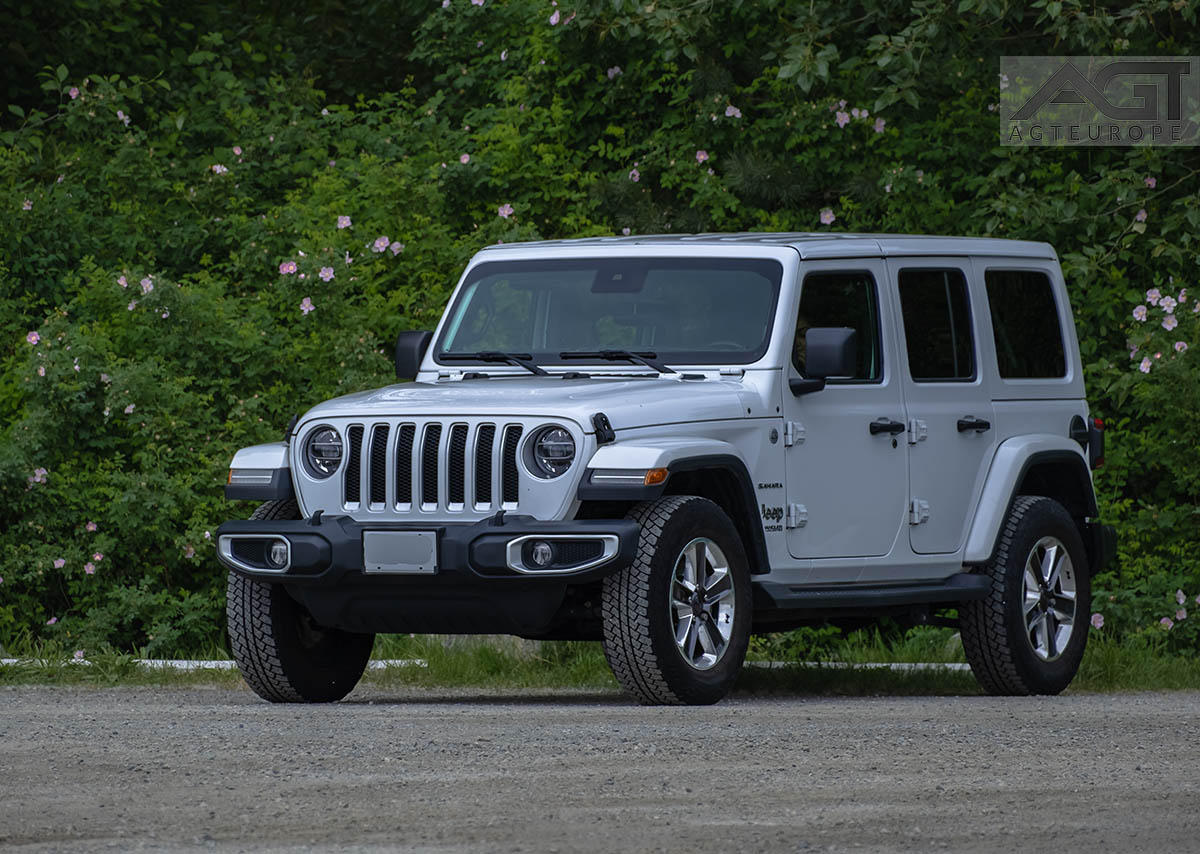
The Early JK Generation: 2007-2011
The launch of the JK Wrangler in 2007 introduced the four-door Unlimited model, but it also brought a host of reliability concerns that persisted for several years. The primary culprit was often the underwhelming and problematic 3.8L V6 engine, inherited from Chrysler minivans. Beyond the engine, early JK models also suffered from suspension issues leading to “death wobble” and persistent electrical problems.
- 2007-2011: Widely cited as the most problematic era for the JK Wrangler. These years consistently rank high in consumer complaints related to engine, transmission, and overall build quality.
- Key Concerns: Underpowered 3.8L V6 with high oil consumption, early automatic transmission failures, significant “death wobble” issues due to front-end component wear, and widespread Totally Integrated Power Module (TIPM) failures causing various electrical malfunctions.
Transition Years: The 3.6L Pentastar Introduction (2012-2014)
While the introduction of the new 3.6L Pentastar V6 in 2012 was a welcome upgrade in power, it wasn’t without its own set of significant reliability woes, particularly in its initial years. These issues were often severe and required expensive, time-consuming repairs, proving that even a power boost couldn’t guarantee early reliability.
- 2012-2014: Saw the introduction of the 3.6L Pentastar engine, which initially suffered from a notorious cylinder head defect. These years also still had lingering TIPM issues, though less prevalent than earlier JKs.
- Key Concerns: Persistent cylinder head failures (most often on bank 2), manifesting as a ticking noise and misfires, and less common but still present TIPM-related electrical issues.
Deep Dive into Common Engine and Electrical Faults
Understanding the specific issues that plague these problematic Wrangler years is crucial for any potential buyer. These aren’t minor inconveniences; they often involve core components that are expensive to diagnose and repair, significantly impacting the vehicle’s long-term ownership costs and reliability.
The Troublesome 3.8L V6 Engine (2007-2011)
The 3.8L V6 engine, exclusive to the 2007-2011 JK Wranglers, is arguably the primary reason these years consistently appear on “avoid” lists. It’s not just about a lack of power; it’s about fundamental design flaws that lead to serious durability concerns.
- Excessive Oil Consumption: Many 3.8L engines consume oil at an alarming rate, often without external leaks. You’ll need to check the oil frequently, and failure to do so can lead to engine damage. A significant repair can easily exceed $1,000 to address the underlying cause.
- Head Gasket Failures: These engines are prone to head gasket failures, often exacerbated by overheating due to low coolant or poor cooling system maintenance. Repair costs typically range from $1,500 to $2,500.
- Overall Lifespan: While some 3.8L engines last, a higher percentage experience premature failure compared to other Jeep engines, often requiring complete engine replacement costing upwards of $4,000-$6,000.
- Inspection Tip: Look for evidence of frequent oil top-ups or recent engine work. Ask for maintenance records detailing oil changes and consumption.
Pentastar V6 Cylinder Head and TIPM Woes
Even with the more powerful 3.6L Pentastar engine introduced in 2012, early adopters faced significant reliability hurdles. Paired with persistent (though evolving) electrical issues, these years present their own unique set of challenges.
- 3.6L Pentastar Cylinder Head Failure (2012-2014): The initial versions of the 3.6L Pentastar V6 were plagued by a defect in the left cylinder head (Bank 2). This issue manifests as a persistent ticking noise from the engine and can lead to misfires, check engine lights, and reduced performance. The repair involves replacing the affected cylinder head, a costly procedure typically ranging from $2,000 to $3,500. Listen carefully for any ticking or knocking sounds during a cold start and extended idle.
- Totally Integrated Power Module (TIPM) Malfunctions (2007-2014): The TIPM, essentially the main fuse box and power distribution center, is a common failure point across the entire JK generation. A failing TIPM can cause a wide array of bizarre electrical issues, including:
- Intermittent fuel pump failure (vehicle stalls or won’t start).
- Wipers, horn, or headlights activating spontaneously or not at all.
- Power windows or door locks acting erratically.
- Non-functional gauges or warning lights.
Diagnosis is complex, and replacement of the TIPM can cost between $800 and $1,500, not including diagnostic time. Inspect for any reports of intermittent electrical glitches, especially those affecting multiple systems.
Critical Inspection Points for Used Wranglers
Even if you’re looking at a generally reliable Wrangler year, a thorough inspection is non-negotiable. Wear and tear vary wildly depending on how the previous owner treated their Jeep. Think of it as detective work to uncover potential hidden costs and ensure you’re getting a solid vehicle.
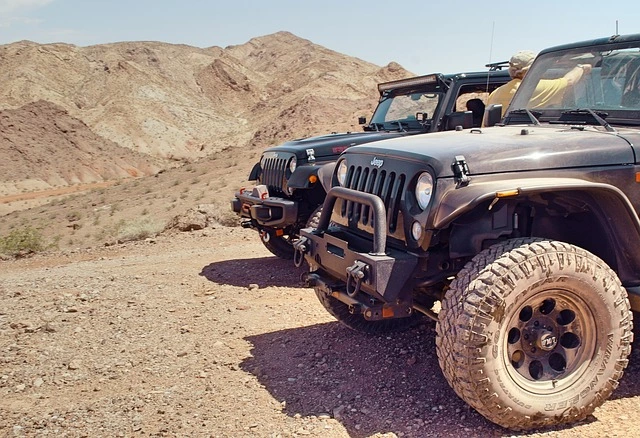
Underbody and Frame Integrity
The Wrangler is designed for off-road adventures, which means its undercarriage often takes a beating. Rust is a massive enemy, especially in regions with salted roads or coastal environments. A little surface rust on components is normal, but widespread, flaky, or perforated rust on structural elements is a serious red flag.
- Frame Rails: Inspect the main frame rails for bends, cracks, or significant rust. These are the backbone of the vehicle.
- Suspension Components: Look for bent control arms, damaged shock absorbers, and torn bushing boots. Evidence of serious off-roading impacts can indicate underlying issues.
- Skid Plates: Check for deep gouges or missing skid plates. While easily replaceable, their condition can hint at the Jeep’s past life.
- Exhaust System: Look for rust holes, loose hangers, or aftermarket modifications that might not be emissions compliant.
Powertrain and Electrical System Health
The heart and brain of your Wrangler need close attention. Pay particular mind to how the engine sounds and how the transmission shifts during a test drive. Electrical glitches can be incredibly frustrating and expensive to diagnose, especially in modern vehicles.
- Engine Bay: Look for signs of oil leaks (valve cover gaskets, oil pan), coolant leaks, or unusual modifications. A clean engine bay is great, but sometimes it can hide recent leaks.
- Transmission: During the test drive, note any hard shifts, slipping, or unusual noises. Listen for clunking during gear engagement.
- Dashboard Warning Lights: Ensure all warning lights illuminate briefly when the key is turned, then go out. A constantly lit “Check Engine” light or other warnings are immediate concerns.
- Electrical Accessories: Test everything: power windows, radio, AC, wipers, lights. Intermittent issues can point to problems with the TIPM module (especially in JK models) or general wiring.
Reliability Comparison: Better Wrangler Years to Consider
After navigating the challenging years, it’s refreshing to look at the generations that generally offer a more reliable and enjoyable ownership experience. These years often benefit from refined engineering, improved components, and feedback from earlier models.
The JK Sweet Spot (2012-2017)
The JK generation, particularly from 2012 onwards, saw a significant leap in engine reliability with the introduction of the 3.6L Pentastar V6. This engine largely resolved the notorious head issues of its predecessor and offered a much-needed boost in power and fuel efficiency. While no vehicle is perfect, these later JK models are considered a sweet spot for those seeking a modern Wrangler without the JL’s price tag.
- Improved Powertrain: The Pentastar V6 is a robust engine, widely used across many Chrysler products. Look for regular oil changes in service records.
- Mature Design: By 2012, Jeep had ironed out many of the initial JK bugs, making for a more refined package.
- Affordable Aftermarket: The JK has an enormous and affordable aftermarket support, making customization and repairs easier.
- Fewer TIPM Issues: While TIPM problems weren’t completely eliminated, they were generally less prevalent or severe in later JK years compared to early models.
The JL Generation (2018-Present)
The JL generation represents the most modern iteration of the Wrangler, bringing significant advancements in technology, comfort, and powertrain options. While initial models had some minor software quirks, these have largely been resolved through updates. The JL is a strong contender if your budget allows for a newer vehicle.
- Advanced Powertrains: The 3.6L Pentastar V6 (updated for JL) and the optional 2.0L turbocharged 4-cylinder offer excellent performance and efficiency. Other options like the EcoDiesel and 4xe hybrid also exist.
- Modern Interior: Expect a much more refined and comfortable cabin with improved infotainment and safety features.
- Better On-Road Manners: The JL handles noticeably better on pavement, making it a more comfortable daily driver.
- Early Model Quirks: Some 2018-2019 JLs experienced minor steering play or software glitches, many of which were addressed by dealer updates or service bulletins. Newer models are generally very solid.
Conclusion
Choosing a Jeep Wrangler is an exciting journey, and being informed is your best tool. While years like 2007-2011 (JK) and certain TJ/YJ models stand out for potential issues, many other years offer robust reliability, especially the later JK models (2012-2017) and the modern JL generation (2018-present). Always prioritize a comprehensive pre-purchase inspection and a thorough test drive, regardless of the year. With a little diligence, you’ll find a Wrangler that’s ready for countless adventures. Happy Jeeping!
❓ Frequently Asked Questions
Why are 2007-2011 Jeep Wranglers often considered problematic?
These early JK models are equipped with the 3.8L V6 engine, which is infamous for excessive oil consumption and can lead to internal engine wear. Additionally, they often suffered from premature suspension component wear and early electrical quirks, making them less reliable.
What specific issues plague the 2012-2014 Jeep Wrangler models?
While the 3.6L Pentastar V6 was introduced, early versions (primarily 2012-2014) were known for cylinder head issues, requiring costly repairs. These years also continued to face common TIPM electrical failures and ‘death wobble’ concerns, despite powertrain improvements.
What is the Jeep Wrangler’s ‘death wobble’ and which years are most affected?
The ‘death wobble’ is a violent, uncontrolled shaking of the front axle, usually triggered by hitting a bump at speed. It’s most common in the JK generation (2007-2018), often linked to worn ball joints, tie rod ends, or track bar bushings, requiring careful inspection.
How can I identify potential TIPM failures in a used Wrangler?
TIPM failures manifest as various electrical problems, including non-functioning fuel pumps, sporadic horn activation, power window issues, and headlights turning on/off randomly. Diagnosing it definitively often requires specialized scanning tools and a skilled technician.
Are there any structural rust concerns unique to certain Wrangler years or models?
Frame rust is a significant concern for older TJs (1997-2006) and early JK models (2007-2011), particularly those in regions with road salt. Inspect the frame rails, especially around control arm mounts and skid plates, for severe corrosion that can compromise structural integrity.
What should I prioritize during a pre-purchase inspection of a potentially problematic Wrangler year?
Focus on engine performance (listen for knocking, check oil levels for consumption), transmission shifting smoothness, comprehensive electrical function (lights, windows, radio), steering component integrity (for death wobble signs), and any signs of severe frame rust, as these are common failure points.