Honda Pilot Emissions System Problem: Diagnosis, Common Causes, And Solutions
Last Updated on June 25, 2026 by Ryan
Honda Pilot Emissions System Problem: Diagnosis, Common Causes, And Solutions
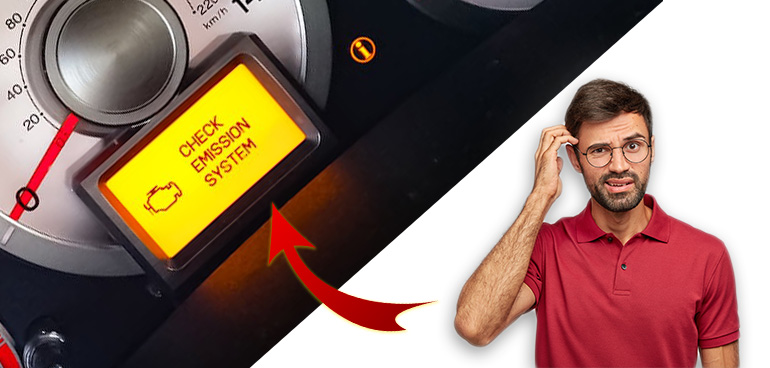
Is your Honda Pilot’s ‘Check Engine’ light glowing ominously, or are you experiencing performance issues that suggest an underlying problem? Emissions system problems are a common concern for many Honda Pilot owners, often leading to reduced efficiency, failed inspections, and costly repairs. Understanding these complex systems can be daunting. This expert-led guide will thoroughly diagnose, troubleshoot, and resolve common Honda Pilot emissions system problems, from identifying symptoms to understanding effective repair strategies and preventative maintenance, ensuring your vehicle runs cleanly and efficiently.
Honda Pilot emissions light? These are your first line of diagnosis:


As an Amazon Associate we earn from qualifying purchases.
Understanding the Honda Pilot Emissions System and Its Critical Components
Recommended Best Deal Products


📤 Share Image
The emissions system in your Honda Pilot is far more than a simple exhaust pipe; it’s a sophisticated network of components engineered to drastically reduce harmful pollutants expelled from the engine. Its primary role is to convert toxic byproducts of combustion—namely hydrocarbons (HC), carbon monoxide (CO), and nitrogen oxides (NOx)—into less harmful substances like water vapor, carbon dioxide, and nitrogen gas. This critical function ensures your vehicle meets stringent regulatory standards set by agencies such as the EPA, thereby safeguarding environmental health and air quality.
Primary Components and Their Functions:
Understanding the key players within this system is fundamental to diagnosing and resolving any issues:
- Catalytic Converter: This is arguably the most vital component, typically located downstream from the exhaust manifold. Inside, precious metals (platinum, palladium, rhodium) act as catalysts to facilitate chemical reactions that transform CO, HC, and NOx into safer compounds. A healthy catalytic converter operates at high temperatures, often between 800-1500°F (427-816°C), to efficiently perform its conversion duties.
- Oxygen (O2) Sensors: Your Pilot utilizes multiple O2 sensors. Upstream sensors (pre-cat) measure the oxygen content in the exhaust gases before they enter the catalytic converter, providing crucial data to the Powertrain Control Module (PCM) to adjust the air-fuel mixture for optimal combustion. Downstream sensors (post-cat) monitor the efficiency of the catalytic converter by comparing oxygen levels post-conversion.
- EGR (Exhaust Gas Recirculation) System: This system reduces nitrogen oxides (NOx), a major contributor to smog. The EGR valve, controlled by the PCM, reroutes a small amount of exhaust gas back into the engine’s combustion chambers. This dilutes the incoming air-fuel mixture, lowers combustion temperatures, and inhibits NOx formation.
- PCV (Positive Crankcase Ventilation) Valve: The PCV system is designed to remove harmful blow-by gases (unburnt fuel and combustion byproducts) from the engine’s crankcase, preventing pressure buildup and oil contamination. The PCV valve recirculates these gases back into the intake manifold to be re-burned, rather than venting them to the atmosphere.
- EVAP (Evaporative Emission Control) System: This system prevents raw fuel vapors from escaping into the atmosphere. It captures fuel tank vapors and stores them in a charcoal canister until the engine is running and can safely purge them into the intake manifold for combustion. Key components include the gas cap, charcoal canister, purge valve, and vent valve.
These components operate in a tightly integrated fashion. For example, an upstream O2 sensor’s readings directly inform the PCM, which then fine-tunes fuel injector pulse width. If a faulty O2 sensor sends incorrect data, the PCM might command an overly rich or lean fuel mixture, leading to inefficient combustion and higher emissions. This interconnectedness means a failure in one component can cascade, affecting others. Beyond environmental ramifications, a malfunctioning emissions system can significantly impact your Pilot’s performance, leading to reduced fuel efficiency, noticeable power loss, and even potential long-term damage to engine components if left unaddressed. A healthy system ensures your Honda Pilot remains compliant with EPA emission standards for light-duty vehicles.

Common Symptoms of Honda Pilot Emissions System Malfunctions
Recognizing the early warning signs of an emissions system problem in your Honda Pilot can save you from more extensive and costly repairs down the line. While some symptoms are obvious, others can be subtle indicators of an underlying issue that requires prompt attention to diagnose and resolve.
Key Indicators to Watch For:
- Illuminated Check Engine Light (CEL): This is overwhelmingly the most common and often the first indicator of an emissions-related issue. The PCM triggers the CEL when it detects a fault within the emissions system, storing a specific Diagnostic Trouble Code (DTC). While a steady CEL indicates a fault, a flashing CEL signifies a severe problem, typically a catalytic converter-damaging misfire, that requires immediate attention to prevent irreversible damage to costly components.
- Noticeable Changes in Engine Performance: A compromised emissions system can directly impact how your Pilot drives. Symptoms may include:
- Rough Idling: Often linked to a faulty EGR valve or a vacuum leak affecting the air-fuel mixture.
- Misfires: Can be caused by a sensor issue leading to an incorrect fuel mixture, or directly cause damage to emissions components.
- Reduced Acceleration or Lack of Power: A severely clogged catalytic converter can create backpressure, effectively choking the engine, leading to a sudden loss of power, especially noticeable when accelerating or going uphill.
- Unusual Exhaust Odors and Smoke: Distinct smells emanating from your exhaust are strong indicators:
- A rotten egg smell (sulfur) is a classic sign of a failing catalytic converter that isn’t properly converting hydrogen sulfide.
- A strong gasoline smell, particularly after refueling, points to an EVAP system leak, such as a loose gas cap or a cracked hose.
- Visible smoke also provides clues: blue smoke indicates oil burning, black smoke suggests an overly rich fuel mixture, and white smoke (beyond normal condensation) can signify coolant burning.
- Decreased Fuel Efficiency: When emissions components malfunction, the engine often operates less efficiently. For instance, a faulty O2 sensor providing inaccurate readings can cause the PCM to run the engine with an overly rich mixture, consuming more fuel. Drivers often report a noticeable drop in MPG; significant emissions problems can see fuel economy drop by 10-20%.
- Failure of State Emissions Inspections: Many jurisdictions require mandatory emissions tests. An active Check Engine Light, or specific exhaust gas readings (e.g., high NOx, CO, or HC) that fall outside acceptable parameters, will inevitably lead to a failed inspection. For example, a Honda Pilot failing an inspection specifically due to high NOx readings strongly points to an EGR system issue requiring investigation. The common DTC P0420 (Catalyst System Efficiency Below Threshold) is a frequent culprit for inspection failures due to catalytic converter inefficiency.
Early recognition of these symptoms is crucial. Addressing them promptly can prevent minor issues from escalating into major repairs, maintaining your Pilot’s performance and environmental compliance.
Primary Causes of Honda Pilot Emissions System Problems: Diagnosing the Root
Recommended Best Deal Products

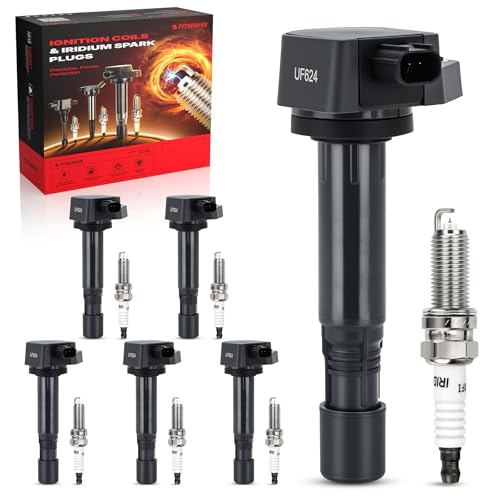

Pinpointing the exact root cause of an emissions system issue in a Honda Pilot requires a detailed understanding of the system’s vulnerabilities. Many factors can contribute to malfunctions, often stemming from normal wear and tear or underlying engine health problems.
Common Culprits Behind Emissions Failures:
- Faulty Oxygen Sensors (O2 Sensors): These sensors are critical for monitoring and adjusting the air-fuel mixture. Upstream sensors directly influence engine performance, while downstream sensors verify catalytic converter efficiency. Over time, O2 sensors can become sluggish or fail entirely due to carbon buildup, contamination, or electrical issues. A failed sensor sends incorrect data to the PCM, leading to improper fuel trimming, reduced fuel economy, and potential DTCs such as P0133 (O2 Sensor Circuit Slow Response). O2 sensors typically have a lifespan of 60,000 to 100,000 miles, but their operational life can be shortened by severe engine conditions.
- Catalytic Converter Failure: The catalytic converter is a durable component, but it’s not indestructible. Its failure often stems from deeper engine issues:
- Clogging: Excessive carbon deposits from prolonged rich fuel mixtures or engine oil burning can physically block the converter’s honeycomb structure.
- Contamination: Antifreeze from a leaking head gasket or excessive oil from worn piston rings can coat the catalytic converter’s precious metals, rendering them ineffective.
- Overheating/Physical Damage: Persistent engine misfires send unburnt fuel into the converter, causing it to overheat and melt its internal substrate. Road debris can also cause physical impact damage. A Honda Pilot with 150,000 miles experiencing a P0420 code is a common scenario, frequently indicating a failing catalytic converter, often exacerbated by a history of engine misfires or excessive oil consumption. Replacing a catalytic converter can be a significant expense, potentially costing upwards of $1,500 – $3,000+ per unit, depending on the Pilot model and labor rates.
- EGR System Malfunctions: The EGR valve and its associated passages are prone to carbon buildup. This carbon can prevent the EGR valve from opening or closing correctly, disrupting the precise recirculation of exhaust gases. When the EGR flow is insufficient or excessive, it can lead to rough idling, engine knocking, and DTCs like P0401 (EGR Flow Insufficient Detected), impacting NOx reduction.
- EVAP System Leaks or Component Failures: The EVAP system is sensitive to leaks. Common points of failure include:
- Loose or Damaged Gas Cap: The simplest and most frequent cause of an EVAP leak, triggering codes like P0442 (Evaporative Emission System Leak Detected, Small Leak) after refueling.
- Cracked Hoses or Vacuum Lines: Deterioration over time can create small openings.
- Faulty Purge Valve or Vent Valve: These solenoids control the flow of fuel vapors and can stick open or closed, leading to improper system operation and DTCs such as P0440 (Evaporative Emission System Malfunction) or P0455 (Large Leak).
- PCV Valve Issues: A clogged or stuck PCV valve (Positive Crankcase Ventilation) can lead to several problems. If stuck closed, it can cause excessive crankcase pressure, potentially leading to oil leaks and seals failing. If stuck open, it can introduce unmetered air into the intake manifold, leading to a lean air-fuel mixture that can affect O2 sensor readings and ultimately increase emissions. Regular maintenance of this simple valve is often overlooked.
Effectively diagnosing the root cause is crucial. Without addressing the underlying issue, any repair may only offer a temporary workaround, leading to recurring problems.
Step-by-Step Diagnosis and Troubleshooting for Honda Pilot Emissions Issues
When your Honda Pilot exhibits emissions system symptoms, a structured diagnostic approach is essential. This methodical process helps pinpoint the precise fault, avoiding unnecessary parts replacement and ensuring an effective repair. Even if you plan to consult a professional, understanding these steps can help you better communicate with your technician.
📋
Step-by-Step Guide
Recommended Best Deal Products


Begin by connecting an OBD-II scanner to your Honda Pilot’s diagnostic port (typically under the dashboard). Retrieve any stored Diagnostic Trouble Codes (DTCs). Remember, DTCs indicate an area of concern, not always the exact faulty component. For instance, a P0420 code points to catalytic converter inefficiency, but the underlying cause could be a failing O2 sensor or engine misfires. Many auto parts stores offer free OBD-II code reading services, providing an accessible starting point to troubleshoot.
Before delving into complex diagnostics, perform a thorough visual inspection. Look for:
- Loose or Damaged Vacuum Lines/Hoses: Especially in the EVAP and EGR systems. Cracks can cause significant leaks.
- Corroded Wiring or Connectors: Particularly around sensors (O2, MAF) and solenoids.
- Exhaust Leaks: Listen for hissing sounds, feel for escaping gas, or look for soot marks near joints, manifolds, or flex pipes.
- Fuel Cap: Ensure it’s tightly secured and not cracked or damaged. A scenario where an OBD-II scan reveals a P0455 (EVAP System Leak Detected, Large Leak) often prompts an immediate visual check of the gas cap.
- Catalytic Converter: Check for physical damage, dents, or a glowing appearance (indicating overheating).
Based on the retrieved DTCs, specific tests are necessary to debug the problem:
- For O2 Sensor Codes (e.g., P0133): Use a multimeter or scanner to monitor O2 sensor voltage readings. A healthy upstream sensor’s waveform should fluctuate rapidly between 0.1V and 0.9V. A flat or slow response indicates a faulty sensor.
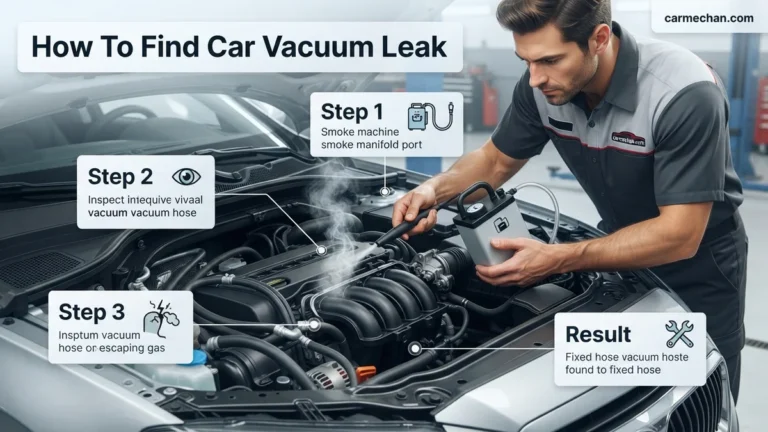
- For EVAP Codes (e.g., P0442): After checking the gas cap, a smoke test is the most effective method. A smoke machine introduces non-toxic smoke into the EVAP system, making leaks visible as escaping wisps of smoke.
- For EGR Codes (e.g., P0401): Check the EGR valve for carbon buildup that prevents proper operation. Test the valve’s electrical signal and vacuum supply, and visually inspect the EGR passages for blockages.
- For Catalytic Converter Codes (e.g., P0420): Monitor the upstream and downstream O2 sensor waveforms. If the downstream sensor’s waveform mirrors the upstream sensor’s, it indicates the converter is not storing oxygen and is inefficient, confirming a catalyst failure.
For more complex or intermittent issues, professional help is invaluable. Technicians utilize specialized tools like advanced multi-meters, exhaust gas analyzers to directly measure pollutant levels, and dealership-level diagnostic software (e.g., Honda HDS) for deeper PCM interrogation and component actuation tests. These tools provide granular data to pinpoint elusive faults and resolve issues efficiently.
Once a repair is completed, always clear the DTCs using your OBD-II scanner. Then, conduct a comprehensive test drive that includes varied driving conditions (city, highway, idling). This is essential to allow the PCM to run all self-tests and reset the emissions monitors. A complete drive cycle is often required to ensure the repair was successful and no new codes are generated, verifying the problem is truly resolved.
Effective Solutions and Repair Strategies for Honda Pilot Emissions Problems
Once the diagnosis is complete and the root cause of the emissions problem in your Honda Pilot has been identified, implementing the correct repair strategy is paramount. The goal is not just to clear a code temporarily, but to ensure the system functions optimally for the long term.
Targeted Repair Approaches:
- Oxygen Sensor Replacement:
- When an O2 sensor is confirmed faulty, replacement is the direct solution. It’s often recommended to replace both upstream sensors (or both downstream, depending on the fault location) on a bank for optimal performance and consistency, especially if one has failed due to age.
- Ensure you use the correct sensor type—direct-fit sensors are typically preferable over universal types for ease of installation and guaranteed compatibility. Proper torque during installation is crucial to prevent exhaust leaks and ensure accurate readings. The typical cost of an O2 sensor replacement, including parts and labor, generally ranges from $150-$350 per sensor.
- Catalytic Converter Replacement:
- If a catalytic converter is physically damaged, melted, or confirmed inefficient (e.g., persistent P0420 code after addressing other issues), replacement is necessary. Attempts at “cleaning” a truly failed converter are rarely effective long-term.
- Critical Note: Simply replacing the converter without addressing the underlying cause (e.g., persistent engine misfires, excessive oil consumption, rich fuel mixture) will inevitably lead to a recurrence of the converter failure. Address engine health issues first.
- Owners can choose between OEM (Original Equipment Manufacturer) and aftermarket catalytic converters. OEM units offer guaranteed fitment and performance but are often significantly more expensive. Aftermarket options can provide a cost-effective alternative, but quality varies, so choose reputable brands. Many catalytic converters, along with PCMs, are covered by federal emissions warranties, often 8 years/80,000 miles; always check your vehicle’s warranty status.
- EGR System Cleaning or Replacement:
- For carbon buildup in the EGR valve or passages, a thorough cleaning can often restore proper function. This involves removing the valve and physically cleaning deposits from the valve, manifold passages, and associated tubing.
- If the EGR valve’s solenoid or diaphragm is faulty, or if cleaning proves ineffective, complete replacement of the EGR valve is the solution. Always verify proper operation post-repair, ensuring the P0401 code is resolved and engine performance returns to normal. The average cost for an EGR valve replacement ranges from $300-$600, depending on the Pilot’s year and labor.
- EVAP System Repair:
- Solutions for EVAP leaks vary widely based on the leak’s location and severity. The simplest fix might be tightening or replacing a loose or faulty gas cap.
- More complex leaks, identified through a professional smoke test, could require replacing cracked vacuum hoses, the purge valve, or the vent valve. A faulty purge valve replacement can cost around $100-$300. It’s crucial to identify and seal all leak points to effectively resolve persistent EVAP codes like P0442 or P0455.
- PCV Valve Maintenance and Replacement:
- The PCV valve is a relatively inexpensive component and is often recommended for replacement as part of routine maintenance, typically every 30,000-60,000 miles.
- Inspection of the PCV valve’s associated hoses for cracks or blockages should also be part of this process. A functional PCV system is vital for engine longevity and overall emissions control.
Remember, while some repairs might seem straightforward, many emissions system components are integrated into complex engine management systems. Consulting a certified Honda technician ensures an accurate diagnosis and professional repair, particularly for issues involving the PCM or complex electrical faults.
Preventative Maintenance to Avoid Future Honda Pilot Emissions System Failures
Preventative maintenance is the most effective defense against recurring Honda Pilot emissions system problems. By consistently adhering to recommended service practices, you can significantly prolong the life of critical components, maintain optimal engine performance, and ensure your vehicle remains environmentally compliant.
Proactive Strategies for Emissions System Longevity:
- Adherence to Manufacturer’s Service Schedule: This is foundational. Regularly changing your oil and filter per Honda’s recommendations (e.g., every 5,000-7,500 miles with synthetic oil) prevents sludge buildup that can clog the PCV valve and contaminate O2 sensors. Replacing spark plugs (typically every 100,000 miles) and air filters at specified intervals ensures efficient combustion, preventing misfires that can damage catalytic converters. A clogged air filter, for instance, can reduce fuel efficiency by up to 10%, directly impacting emissions.
- Use of Quality Fuels and Additives: Always use top-tier gasoline, which contains detergents that help prevent carbon buildup on injectors and valves. Periodically using high-quality fuel system cleaners can help maintain injector efficiency, preventing a rich fuel mixture that could lead to O2 sensor or catalytic converter issues. Keeping fuel injectors clean is a simple measure that prevents premature O2 sensor failure.
- Regular Vehicle Inspections and Check-ups: Don’t wait for the Check Engine Light to illuminate. Include emissions system checks as part of your routine professional inspections. A technician can identify minor issues like a deteriorating vacuum hose or a sluggish O2 sensor before they escalate into major problems, providing a cost-effective workaround before a breakdown occurs.
- Addressing Engine Misfires and Oil Consumption Promptly: Persistent engine misfires or excessive oil burning are detrimental to the emissions system. Unburnt fuel from misfires can overheat and melt the catalytic converter, while burning oil can coat and poison both O2 sensors and the converter. Immediate repair of these underlying engine issues is critical to prevent severe, expensive damage to emissions components.
- Proper Tire Pressure and Driving Habits: While seemingly unrelated, maintaining correct tire pressure reduces rolling resistance, improving fuel economy and lessening the load on the engine. Avoiding aggressive driving (e.g., rapid acceleration, heavy braking, excessive idling) contributes to overall engine health, reduces wear and tear on components, and indirectly impacts the longevity of the emissions system by reducing strain and preventing conditions that lead to component failure.
Regular maintenance can extend the life of your Honda Pilot’s emissions components by 25-50%. It’s an investment that pays off in both avoided repair costs and consistent vehicle performance.
By integrating these preventative measures into your Honda Pilot’s maintenance routine, you not only ensure its longevity and reliable performance but also uphold your commitment to environmental responsibility.
Addressing emissions system problems in your Honda Pilot requires a blend of knowledge, diligent diagnosis, and timely, effective repair. Early identification of symptoms like the Check Engine Light and unusual odors is crucial for timely intervention. Diagnosing emissions issues demands a systematic approach, often starting with an OBD-II scan and progressing to specific component testing to pinpoint the exact cause. Effective repair involves addressing the root cause, whether it’s a faulty sensor, a clogged catalytic converter, or an EVAP system leak, followed by proper validation through clearing codes and test driving. Ultimately, proactive maintenance and strict adherence to service schedules are key to preventing future emissions system failures and ensuring your Honda Pilot’s long-term environmental compliance and robust performance.
Don’t let an emissions system problem compromise your Honda Pilot’s performance or your peace of mind. Consult a certified Honda technician for an accurate diagnosis and professional repair, and commit to consistent preventative maintenance to keep your vehicle running cleanly and efficiently for years to come.
Frequently Asked Questions
Why is my Honda Pilot’s Check Engine Light on for an emissions problem?
The Check Engine Light (CEL) illuminates when the Powertrain Control Module (PCM) detects a fault within the emissions system that exceeds programmed thresholds. This could be due to a faulty oxygen sensor, a catalytic converter operating inefficiently, an EVAP system leak, or an issue with the EGR valve, among other possibilities. An OBD-II scanner can retrieve Diagnostic Trouble Codes (DTCs) to pinpoint the specific area of concern.
What is a P0420 code on a Honda Pilot and how do I fix it?
A P0420 code (Catalyst System Efficiency Below Threshold Bank 1) indicates that your Honda Pilot’s catalytic converter is not operating efficiently enough to reduce emissions. This can be caused by the converter itself failing, but also by underlying issues like persistent engine misfires, excessive oil consumption, or faulty upstream oxygen sensors. Proper diagnosis of the root cause is essential before considering a costly catalytic converter replacement.
Can I drive my Honda Pilot with an emissions system problem?
While it might be possible to drive your Honda Pilot with an emissions system problem, it’s generally not recommended, especially if the Check Engine Light is flashing. A flashing CEL indicates a severe misfire that could rapidly damage the catalytic converter. Driving with persistent emissions issues can also lead to reduced fuel efficiency, decreased engine performance, and potential long-term damage to other engine components, in addition to failing inspections.
How much does it cost to repair a Honda Pilot emissions system problem?
The cost to repair a Honda Pilot’s emissions system problem varies widely depending on the specific component failing. Simple fixes like a new gas cap might cost under $50, while an oxygen sensor replacement could range from $150-$350. More complex repairs like an EGR valve replacement might be $300-$600, and a catalytic converter replacement can be significantly higher, often between $1,500 and $3,000+ due to the part’s cost and labor.
How can I prevent future emissions system problems in my Honda Pilot?
Preventing future emissions problems involves consistent vehicle maintenance. Adhere to your Honda Pilot’s recommended service schedule for oil changes, spark plug replacements, and air/fuel filter changes. Use quality fuels, address engine misfires or excessive oil consumption promptly, and ensure your gas cap is always securely tightened. Regular professional inspections can also catch minor issues before they escalate into major problems.