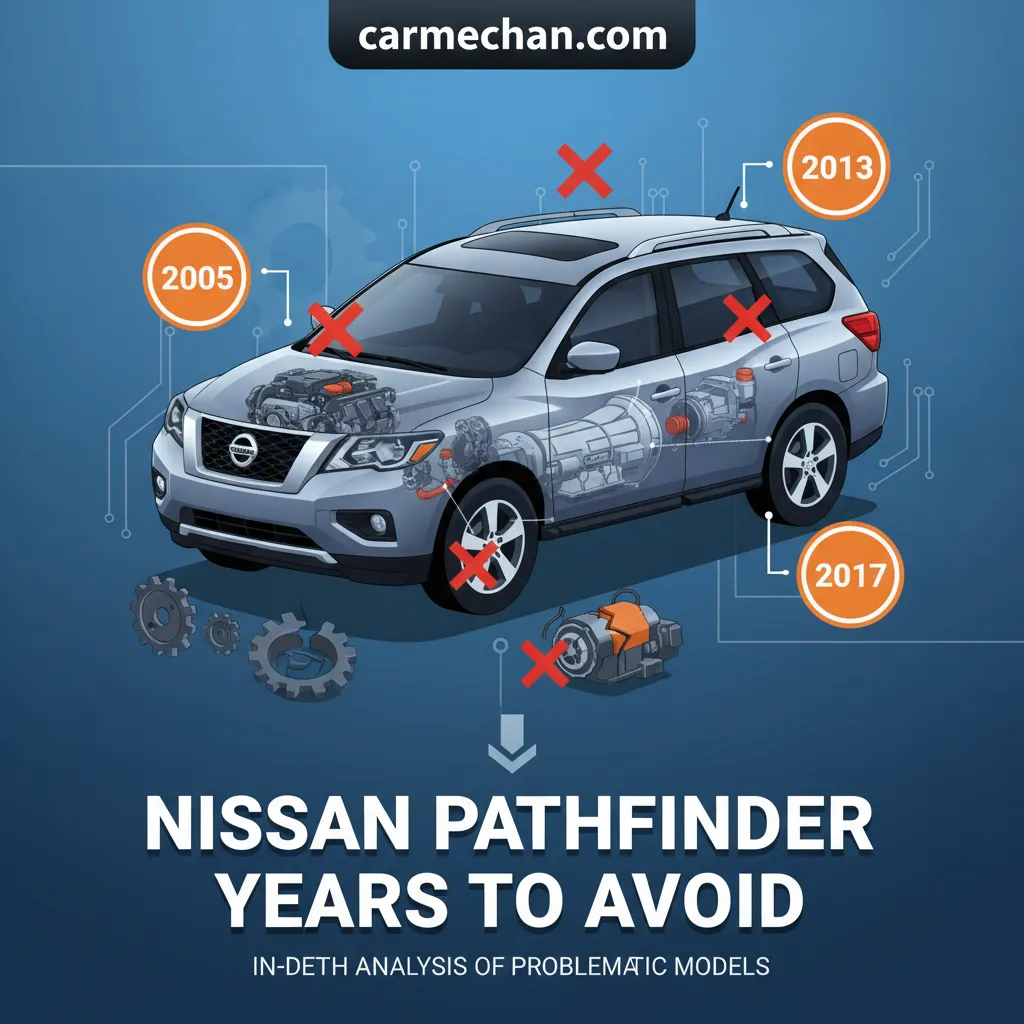
Nissan Pathfinder Years To Avoid: In-Depth Analysis Of Problematic Models
For decades, the Nissan Pathfinder has been a staple in the SUV market, renowned for its utility and family-friendly appeal. Its evolution from a rugged, truck-based explorer to a modern, comfortable crossover has seen it adapt to changing consumer demands, often making it a popular choice for those seeking a versatile vehicle. However, like many complex mechanical systems, certain model years of the Pathfinder have developed reputations for significant mechanical and reliability issues, leaving prospective buyers cautious about their investment. These issues can range from minor electrical gremlins to major powertrain failures, potentially turning a seemingly good deal into a costly regret. This expert guide provides an authoritative, data-driven analysis of the Nissan Pathfinder model years to approach with caution, detailing specific issues, their root causes, and offering invaluable advice for making an informed purchasing decision. Our comprehensive review aims to empower you with the knowledge to navigate the used car market with confidence.
Understanding Nissan Pathfinder Generations and Reliability Trends


📤 Share Image
The Nissan Pathfinder has undergone several significant transformations throughout its lifespan, evolving dramatically across its generations. Understanding these shifts is fundamental to discerning its reliability trends. Initially introduced as a rugged, body-on-frame SUV, the Pathfinder was engineered for off-road capability and durability, positioning it as a direct competitor to vehicles like the Toyota 4Runner. This original design philosophy, epitomized by the R50 generation (1996-2004), often yielded vehicles praised for their robustness and straightforward mechanicals.
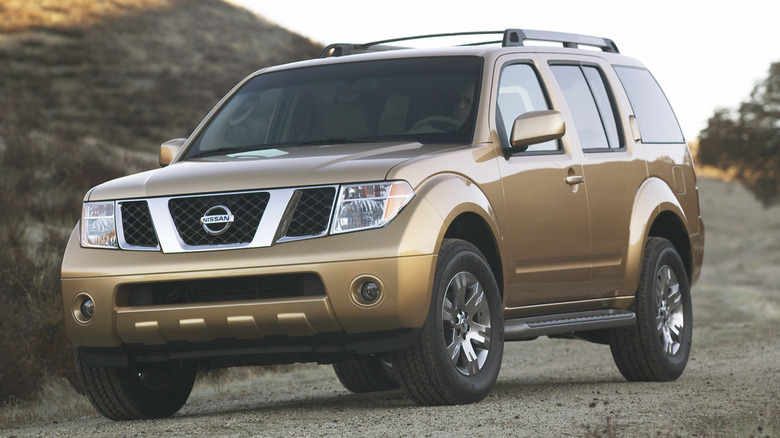
The pivotal shift occurred with the R51 generation (2005-2012), which, while retaining a body-on-frame construction, began to introduce more complex systems, including a notable move towards electronically controlled automatic transmissions. This generation attempted to blend traditional SUV ruggedness with enhanced interior comfort and features. However, it also marked the beginning of certain widespread reliability concerns that would significantly impact the model’s reputation.
A truly transformative period arrived with the R52 generation (2013-2020). Nissan abandoned the traditional body-on-frame architecture in favor of a lighter, more fuel-efficient unibody platform, effectively reclassifying the Pathfinder as a large crossover SUV. This change brought improved on-road comfort and handling but necessitated a transition to the Continuously Variable Transmission (CVT) as the primary powertrain. While this strategic pivot aimed to enhance efficiency, it introduced a new set of reliability challenges that would become synonymous with this era of the Pathfinder.
The latest iteration, the R53 generation (2022 onwards), represents a concerted effort to address past criticisms. Nissan reverted to a conventional 9-speed automatic transmission, signaling a commitment to restoring confidence in the vehicle’s long-term mechanical quality. General reliability perceptions in the automotive industry often correlate with powertrain complexity and generational platform changes. Early model durability, particularly in truck-based SUVs, frequently outperforms later designs incorporating unproven or overly complex systems, especially transmissions. According to industry data, Nissan’s market position regarding reliability has been inconsistent, with specific periods of struggle due to transmission issues. Recall statistics for certain generations, particularly the R51 and early R52, indicate significant issues that required widespread manufacturer intervention, serving as a critical indicator of inherent design flaws.
The CVT Challenge: Nissan Pathfinder R51 Generation (2005-2012) Reliability Concerns


The R51 generation of the Nissan Pathfinder (2005-2012) represents a period riddled with significant mechanical vulnerabilities, primarily centered around its transmission systems. While earlier R51 models (2005-2009) typically featured the robust RE5R05A 5-speed automatic transmission, these years were not entirely immune to issues, most notably the dreaded “Strawberry Milkshake of Death” (SMOD). This catastrophic failure occurred when the internal transmission cooler in the radiator failed, allowing engine coolant to mix with the transmission fluid. The resulting sludge destroyed the transmission’s internal components, often necessitating a complete and costly replacement.
However, the real reliability precipice for the R51 generation began to emerge more broadly with the introduction of Nissan’s Continuously Variable Transmission (CVT) in subsequent models, although the Pathfinder specifically retained the RE5R05A throughout its R51 run. While the R51 Pathfinder did not use a CVT, it experienced its own set of transmission issues and other problems that make certain model years particularly concerning.
The ‘Strawberry Milkshake of Death’ (SMOD) is a well-documented, catastrophic failure for Nissan Pathfinders from 2005-2009. This occurs when the transmission cooler within the radiator fails, mixing engine coolant and transmission fluid. The only reliable preventative measure is to bypass the internal radiator cooler and install an external transmission cooler immediately. Ignoring this poses a very high risk of total transmission failure, incurring repair costs upwards of $4,000-$5,000.
Beyond the SMOD issue, the R51 generation was plagued by other significant mechanical concerns. Timing chain problems, particularly affecting the VQ40DE 4.0L V6 engine, are another prevalent and expensive issue. Owners reported rattling noises, typically indicating stretched timing chains or failing guides, which, if left unaddressed, could lead to severe engine damage. Repairing these issues often involves extensive labor, with costs frequently exceeding $2,000-$3,000. NHTSA complaint data for the 2005-2010 model years consistently highlights transmission and engine component failures, with numerous reports of complete transmission failure occurring prematurely, often before 100,000 miles.
Other sensor malfunctions, particularly with the crankshaft and camshaft position sensors, were common, leading to stalling, rough idling, and difficulty starting. While these sensor replacements are less costly individually, they contribute to a pattern of reduced overall reliability and require trusted diagnostic expertise. These issues, combined with general wear and tear on a vehicle designed for heavy use, make many R51 Pathfinders from 2005-2012 problematic without comprehensive service history documentation and a thorough professional inspection. Even with diligence, the inherent design flaws in the cooling system and engine components present a considerable risk to prospective buyers.
By The Numbers: R51 Pathfinder Reliability
Likelihood of SMOD for 2005-2009 models without preventative maintenance
Average cost for transmission replacement due to SMOD or other failures
Years with highest NHTSA complaints for powertrain issues
Typical mileage range for major component failures (engine/trans)

Early R52 Generation (2013-2016) Pathfinder: Continued CVT and Ancillary System Issues


The debut of the R52 generation (2013-2020) marked a radical departure for the Pathfinder, shifting from its traditional body-on-frame SUV roots to a unibody crossover design. This change brought increased comfort, better fuel economy, and a more car-like driving experience. However, the early years of the R52 generation, specifically 2013-2016, unfortunately continued Nissan’s struggles with powertrain reliability, primarily due to the ubiquitous Jatco JF017E CVT. Despite Nissan’s claims of improvements over earlier CVT iterations used in other models, this transmission proved to be a persistent Achilles’ heel for the Pathfinder.
Common issues with the JF017E CVT included premature wear of the belt and pulleys, leading to symptoms like shuddering, hesitation, loss of power, and eventually, complete transmission failure. Many owners reported their CVTs entering ‘limp mode’—a protective state that severely limits power—during prolonged highway driving or towing, indicating significant overheating issues. The design simply struggled to cope with the stresses placed upon it, especially in a larger, heavier vehicle like the Pathfinder. Repair and replacement costs for these CVT units are substantial, often ranging from $3,500 to $5,000 or more, making these years a high-risk proposition for used car buyers.
Beyond the transmission, the early R52 models also presented other recurring mechanical and electrical problems. Suspension component wear was a frequent complaint, with owners reporting premature failure of struts and bushings, leading to noisy operation and degraded ride quality. This often manifested as creaking or clunking sounds over bumps, requiring replacement earlier than typically expected for a family crossover. Electrical glitches were also not uncommon, affecting systems such as the navigation and infotainment units, which could freeze or malfunction intermittently. Sensor failures, including those related to the TPMS (Tire Pressure Monitoring System) or various engine sensors, also contributed to a less than stellar reliability record.
The HVAC system also saw its share of complaints, with reports of blend door actuator failures or refrigerant leaks leading to inadequate heating or cooling. While the transition to a unibody platform offered benefits in terms of ride comfort and fuel efficiency, it did not translate into superior long-term durability in these critical early years. Consumer Reports reliability scores for the 2013-2016 Pathfinder consistently ranked below average, particularly for major powertrain components. Furthermore, recalls related to fuel pump issues, brake system components, and airbag sensors for some of these years underscore the persistent quality control challenges. The allure of a modern, comfortable crossover with seating for seven should be weighed heavily against the potential for significant repair expenditures on these early R52 models.
✅ Pros of R52 Transition (Initial)
- Improved Fuel Economy: Unibody and CVT offered better MPG.
- Enhanced Ride Comfort: More car-like, smoother on-road experience.
- Modern Interior: Updated features and styling for families.
- Spacious Cabin: Generous passenger and cargo volume.
❌ Cons of R52 Transition (Early Models)
- Pervasive CVT Issues: High failure rates, costly repairs.
- Reduced Towing Confidence: CVT prone to overheating.
- Suspension Wear: Premature component failure reports.
- Electrical Glitches: Infotainment and sensor malfunctions.
Other Noteworthy Nissan Pathfinder Model Years with Specific Concerns
While the R51 and early R52 generations stand out for their widespread and costly issues, other Pathfinder model years present specific concerns that merit attention from discerning buyers. Our comprehensive analysis extends to these models to provide a complete guide to problematic years.
R50 Generation (1996-2004): Age-Related Wear and Specific Flaws
The R50 generation (1996-2004) represents the last of the truly rugged, body-on-frame Pathfinders. While generally lauded for their robust construction and off-road prowess, these older models are, predictably, susceptible to age-related deterioration. A primary concern is rust susceptibility, particularly in regions that experience harsh winters and road salt. Frame rust can be extensive and compromise structural integrity, making a thorough underbody inspection crucial. We regularly encounter older R50 models with significant corrosion, underscoring the importance of this check.
Beyond rust, issues like exhaust manifold cracks are fairly common on the VQ35DE engine, leading to ticking noises and potential exhaust leaks. Minor electrical gremlins, such as power window failures or dashboard light malfunctions, also surface as these vehicles age. While generally considered more reliable mechanically than their successors, the R50s require careful evaluation of their overall condition to avoid acquiring a vehicle at the end of its practical lifespan. These issues are often manageable if caught early, but neglect can lead to expensive repairs.
When inspecting an R50 Pathfinder, pay meticulous attention to the vehicle’s frame and suspension mounting points for any signs of severe corrosion. Use a flashlight and tap suspicious areas. While surface rust is common, deep, flaky, or perforated rust can indicate structural compromise, making the vehicle unsafe or prohibitively expensive to repair properly.
Later R52 Years (2017-2019): Mitigated CVT, New Digital Nuisances
For the later R52 models (2017-2019), Nissan implemented revisions to the CVT, significantly improving its reliability compared to the earlier problematic units. While not entirely foolproof, the reported incidence of major CVT failures decreased substantially. This period saw improvements in transmission cooling and internal component durability, making these years less of a transmission gamble.
However, new issues, often related to the vehicle’s increasingly complex digital systems, began to surface. Complaints included infotainment system bugs, such as unresponsive touchscreens, Bluetooth connectivity issues, or Apple CarPlay/Android Auto glitches. Minor trim and fitment concerns, while not mechanically critical, were also occasionally reported, affecting the perceived quality of the interior. These are typically resolved with software updates or minor repairs, but they can be irritating for owners. J.D. Power Initial Quality Study data for these years generally showed improvement in powertrain reliability but indicated minor issues with features and accessories. Our professional opinion is that while the later R52s are a safer bet than their predecessors, a thorough check of all electronic systems is still advisable.
R53 Generation (2022 onwards): A Return to Convention
The latest R53 generation (2022 onwards) represents a significant overhaul and a strategic pivot back to a more conventional powertrain. Nissan wisely abandoned the problematic CVT in favor of a 9-speed ZF automatic transmission. This decision has been widely praised by industry experts and consumers alike, as it promises enhanced reliability, better power delivery, and a more engaging driving experience. Initial reliability data for the R53 generation is positive, indicating that this return to a conventional automatic transmission has largely resolved the chronic powertrain issues that plagued previous generations.
As with any new model, some ‘new model’ issues can emerge during the first year or two of production, such as minor software bugs or component recalls as manufacturing processes stabilize. However, these are typically minor in scope and not indicative of fundamental design flaws on the scale of previous CVT failures. The R53’s VQ35DD V6 engine, coupled with the new 9-speed automatic, offers a much more reliable and robust drivetrain. This generation is likely to prove a much more trusted and reliable choice for buyers seeking a modern, family-friendly SUV without the historical baggage of transmission concerns.
Mitigating Risk: Essential Checks When Buying a Used Nissan Pathfinder
Purchasing a used Nissan Pathfinder, particularly from the more problematic generations, requires a diligent and systematic approach to mitigate potential risks. Our professional experience as trusted automotive experts emphasizes the critical importance of a thorough pre-purchase inspection (PPI) and comprehensive vehicle history review. This isn’t merely a suggestion; it’s a non-negotiable step to ensure you’re making a sound investment and avoiding costly surprises.
📋
Step-by-Step Guide: Pre-Purchase Inspection
Drive the Pathfinder under varied conditions: city, highway, stop-and-go. Pay acute attention to the transmission’s behavior. For CVT models (2013-2019), check for shuddering, hesitation, difficulty accelerating, or unusual whining noises. Ensure smooth power delivery without jerking or slipping. If possible, drive for at least 20-30 minutes to allow the transmission to reach operating temperature. Any sign of a ‘limp mode’ activation during the test drive is a severe red flag.
Obtain a detailed VHR from services like CarFax or AutoCheck. Look for consistency in service records, evidence of accident history, flood damage, or salvage titles. Crucially, scrutinize records for transmission repairs or replacements. A Pathfinder, especially from 2005-2016, with a documented transmission replacement might have had its primary issue addressed, but the quality of that repair is paramount. Ensure all recalls, particularly for airbag sensors or fuel pumps, have been performed.
This is the single most important step. Take the vehicle to a trusted, certified mechanic, ideally one familiar with Nissan vehicles, for a thorough PPI. This inspection should include:
- Engine Diagnostics: Check for trouble codes, engine health, and listen for timing chain rattles (R51).
- Transmission Fluid Check: Assess color (should be clear, not burnt or milky), level, and odor. Look for any signs of leaks.
- Suspension & Steering: Inspect for worn struts, bushings, tie rods, and alignment issues.
- Brake System: Evaluate pads, rotors, and fluid.
- Electrical System: Test all lights, infotainment, power windows, and HVAC.
- Underbody & Frame: Critical for R50 models, inspect for severe rust or structural damage.
A quality PPI typically costs $100-$200, a small price to pay to potentially save thousands in future repairs.
The value added by a comprehensive pre-purchase inspection is undeniable, often saving buyers hundreds to thousands of dollars in post-purchase repairs. It provides a complete understanding of the vehicle’s true condition, enabling you to make an informed decision or negotiate the price based on identified issues. For any used Pathfinder, understanding its specific generational weaknesses empowers buyers to either avoid problematic years or negotiate based on potential future repairs. Our guide equips you with the professional insights needed to approach this market with confidence.
Uncover Hidden Issues
A PPI by an expert professional can detect problems not obvious during a casual inspection, such as subtle transmission slippage or underlying rust.
Negotiating Power
Identified faults provide leverage to negotiate a lower price, covering the cost of necessary repairs or even walking away from a bad deal.
Peace of Mind
Knowing a trusted mechanic has vetted your potential purchase provides confidence in its reliability and long-term quality.
This comprehensive guide provides an expert, professional, and reliable perspective on the Nissan Pathfinder years to avoid. By focusing on the critical issues and offering actionable advice, we aim to ensure that your next vehicle purchase is a well-informed and positive experience. A trusted professional inspection is your best defense against unexpected repair costs.
In summary, the R51 generation (2005-2012) and early R52 generation (2013-2016) are identified as the most problematic due to widespread CVT issues, the ‘Strawberry Milkshake of Death,’ and other significant mechanical failures. While later models improved, diligent pre-purchase inspections and comprehensive vehicle history checks are critical for any used Pathfinder, especially considering the model’s history of powertrain challenges. Understanding specific generational weaknesses empowers buyers to either avoid problematic years entirely or negotiate based on potential future repairs. Before investing in a used Nissan Pathfinder, consult with a trusted, certified mechanic for a thorough pre-purchase inspection, focusing on the transmission and common issues specific to the model year you are considering. Review vehicle history reports meticulously. Your careful due diligence will serve as the best shield against unforeseen expenses and ensure you secure a quality, reliable vehicle.
Frequently Asked Questions
Which Nissan Pathfinder model years are generally considered the most reliable?
Generally, the R50 generation (1996-2004) models with the conventional automatic transmission are praised for their robust build and simplicity. For newer models, the R52 generation from 2017 onwards, and the entirely redesigned R53 generation (2022+) with its traditional automatic transmission, have shown improved initial reliability.
What is the ‘strawberry milkshake of death’ (SMOD) issue in Nissan Pathfinders?
SMOD refers to a critical issue in certain 2005-2010 R51 Pathfinders where the radiator’s internal transmission fluid cooler fails, allowing engine coolant to mix with transmission fluid. This mixture rapidly damages the transmission, often requiring a complete replacement, leading to significant repair costs.
Are all Nissan Pathfinder models with a CVT transmission problematic?
While CVT issues are most pronounced in the 2005-2016 model years, Nissan has continuously refined its CVT technology. Later R52 models (2017+) generally experience fewer CVT-related failures due to improved designs and cooling, though they are not entirely immune to issues compared to conventional automatics.
What should I look for during a test drive of a used Pathfinder?
During a test drive, pay close attention to the transmission. Listen for whining or grinding noises, feel for shuddering or hesitation during acceleration, and ensure smooth, consistent power delivery. Test at various speeds and inclines. Also, check for any warning lights, unusual engine sounds, or steering/suspension anomalies.
Is it possible to prolong the life of a Pathfinder with a potentially problematic CVT?
Yes, diligent maintenance can help. This includes adhering strictly to recommended transmission fluid change intervals, using only specified Nissan NS-2 or NS-3 fluid, avoiding heavy towing, and ensuring adequate transmission cooling. However, these measures do not guarantee immunity from inherent design flaws in problematic model years.