Best Years For Honda Accord: A Curated Selection For Discerning Buyers
Best Years For Honda Accord: A Curated Selection For Discerning Buyers

📤 Share Image
For decades, the Honda Accord has stood as an undisputed benchmark in the midsize sedan segment, revered for its blend of reliability, efficiency, and driving enjoyment. Its consistent presence on “best-of” lists and its enduring popularity among consumers underscore a reputation built on robust engineering and practical design. With such a long and distinguished lineage, discerning which specific model years truly represent the ‘best’ can be a complex endeavor for prospective buyers and enthusiasts alike. This authoritative guide meticulously curates and analyzes the most compelling Honda Accord model years, providing a data-driven blueprint to help you identify the ideal Accord to meet your operational needs and ownership aspirations.


The Enduring Legacy of the Honda Accord: Defining Its ‘Best Years’
The Honda Accord has carved out an indelible niche in automotive history, maintaining a formidable presence in the market since its introduction. Its historical significance is underscored by its consistent appearance on ‘best seller’ and ‘most reliable’ lists from venerable publications like Consumer Reports and Edmunds over several decades. This remarkable consistency isn’t accidental; it’s a testament to Honda’s unwavering commitment to engineering excellence and user-centric design. With over 12 million units sold in the U.S. alone, the Accord has become synonymous with practical, dependable transportation, often exceeding 200,000 miles with proper maintenance—a clear indicator of its long-term reliability and inherent value.
To definitively identify the ‘best years’ for the Honda Accord, we employ a rigorous set of metrics, moving beyond anecdotal evidence to objective assessment. Our curated selection process critically evaluates several core areas:
- Long-Term Reliability: A paramount factor, focusing on mechanical integrity, common failure points, and overall durability.
- Ownership Costs: Encompassing maintenance frequency, average repair expenses, and fuel efficiency.
- Available Technology: Assessment of infotainment, connectivity, and convenience features relative to its era.
- Safety Features: Evaluation of both passive and active safety systems, including crash test ratings.
- Driving Dynamics: Analysis of ride comfort, handling, and powertrain refinement.
- Overall Value Retention: How well the model holds its value in the used car market, reflecting sustained demand and reputation.
The generational evolution of the Accord provides a critical lens through which to understand these shifts. From its compact beginnings to its evolution into a full-fledged midsize sedan, each generation has reflected changing design philosophies and engineering priorities. Early generations prioritized foundational reliability, while later iterations incrementally integrated advanced technology, enhanced safety, and improved fuel efficiency. Understanding these shifts is essential for prospective buyers to align their expectations with the inherent characteristics of a specific model year.
Quintessential Reliability and Durability: The Early 2000s Accords (6th & 7th Generation)
For buyers prioritizing uncompromised reliability and straightforward mechanics, the early 2000s Honda Accords represent a true sweet spot. These generations are widely regarded as workhorses, renowned for their exceptional build quality and robust powertrains, making them an essential and popular choice for budget-conscious buyers seeking longevity.
6th Generation (1998-2002): Mechanical Simplicity and Endurance
The 1998-2002 Honda Accord models exemplify mechanical simplicity. These vehicles are characterized by their straightforward engineering, which translates directly into low maintenance requirements and exceptional durability. The primary powertrain, the 2.3L F23A4/F23A1 four-cylinder engine, is a testament to Honda’s reputation for building engines that simply refuse to quit. These naturally aspirated units are well-understood by mechanics, and their service parts are readily available and affordable. Owners consistently report these models reaching well over 200,000 miles, with many pushing past 250,000 miles with basic, diligent care. While lacking the technological frills of newer generations, their core competency in reliable transportation is virtually unmatched.
7th Generation (2003-2007): Enhanced Refinement and Robust Power
Building upon its predecessor’s strengths, the 2003-2007 Honda Accord models elevated the driving experience with enhanced styling, improved interior ergonomics, and critical powertrain advancements. This generation introduced the legendary 2.4L K24A four-cylinder engine, widely praised for its exceptional longevity, strong performance, and the efficiency offered by Honda’s i-VTEC system. It’s a powertrain frequently cited in industry circles as one of the most reliable four-cylinders ever produced, often propelling Accords past the 250,000-mile mark with ease.
The refined 3.0L J30A4 V6 engine was also available, offering a significant boost in power and a smoother driving experience. However, it is essential to acknowledge a common pitfall: early V6 models (primarily 2003-2004) were susceptible to automatic transmission issues. This particular concern was largely addressed in later model years (2005-2007), making these later 7th-gen V6 models a safer bet. Accolades for this generation include strong showings in JD Power Initial Quality Study results for the 2005-2007 model years, reflecting high owner satisfaction early in the vehicle’s life.
By The Numbers
Miles Reported by Owners
Average Repair Costs
Longevity Expectations: With consistent oil changes, timely fluid services (especially for automatic transmissions), and attention to common wear items like suspension components, these generations reliably achieve high mileage. Average repair costs for these years are typically below the segment average, reinforcing their appeal as a highly dependable and economic used car acquisition.
Refined Performance and Advanced Technology: The Mid-2000s to Early 2010s Accords (8th Generation)
The transition into the mid-2000s marked a significant evolution for the Honda Accord, with the 8th generation pushing boundaries in cabin comfort, available technology, and driving dynamics. This era represents a popular choice for those seeking a more sophisticated sedan while retaining Honda’s core values of reliability and efficiency.
8th Generation (2008-2012): Grand Tourer Ambitions
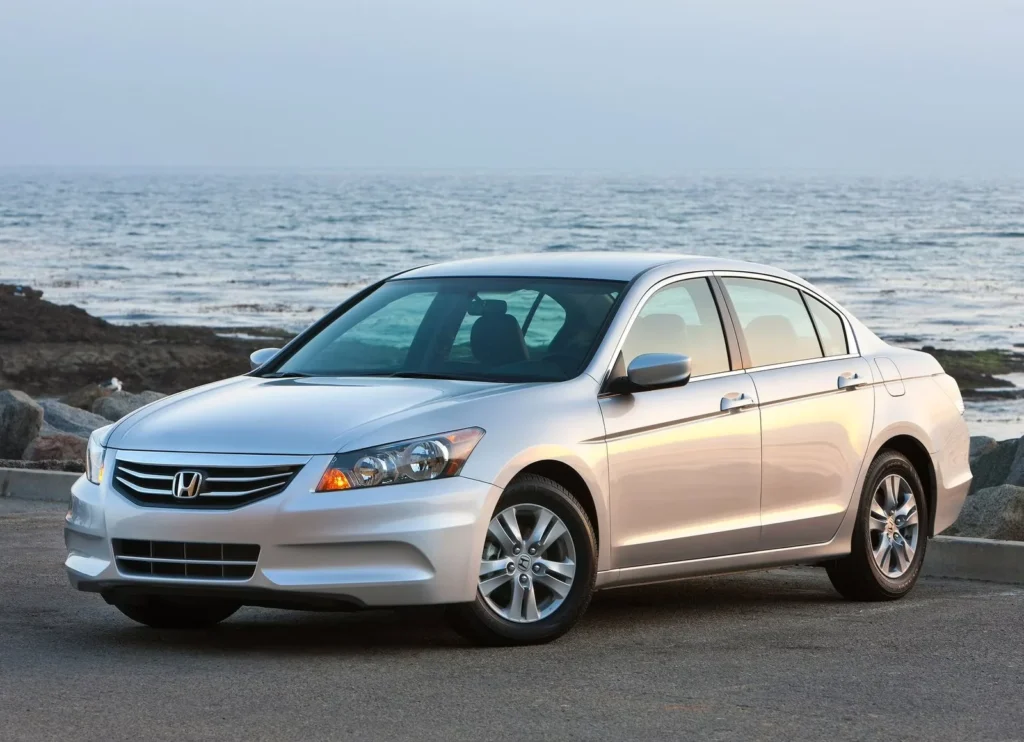
The 2008-2012 Honda Accord models debuted with notably larger dimensions, presenting a more substantial road presence and significantly improved interior quietness. The styling became more sophisticated and executive-like, appealing to a broader demographic. Inside, the cabin offered an expanded feature set, including available navigation systems with voice command functionality, enhanced premium audio systems, and the introduction of crucial conveniences like Bluetooth connectivity and dual-zone automatic climate control on higher trims (e.g., the 2009 Accord EX-L with Navigation). These technological integrations made the 8th-gen Accord a more competitive and appealing option for the modern driver of its time.
Under the hood, powertrain options continued to impress. The 2.4L K24Z four-cylinder engine delivered a potent yet refined performance, often paired with a smooth-shifting 5-speed automatic or a 5-speed manual transmission. For those desiring more power, the 3.5L J35Z V6 engine was a robust offering, featuring Honda’s Variable Cylinder Management (VCM) system. VCM allowed the engine to operate on fewer cylinders under light load, enhancing fuel efficiency without compromising the characteristic V6 performance. For instance, 4-cylinder models could achieve up to 30 MPG highway (EPA), a strong figure for its class.
Larger, More Refined Cabin
Improved interior space and materials compared to previous generations.
Balanced Powertrains
Offers strong 4-cylinder and powerful V6 options with good efficiency.
Enhanced Safety Features
Improved structural rigidity, more airbags, and early stability control.
Safety was another area of significant advancement. The 8th generation featured improved structural rigidity, a comprehensive array of airbags (including side curtain airbags), and early implementations of Vehicle Stability Assist (VSA) and anti-lock brakes (ABS) as standard. These advancements translated into strong crash test performance, with many 8th generation Accords earning NHTSA 5-star safety ratings and IIHS ‘Top Safety Pick’ designations for various years, reinforcing their commitment to occupant protection.
Some 8th generation V6 models with VCM may experience increased oil consumption or spark plug fouling over time. Regular oil level checks and adherence to service schedules are must-know best practices for these specific models.
Efficiency and Integrated Safety: The Mid-2010s Accords (9th Generation)
The mid-2010s saw the Honda Accord undergo another transformative redesign, with the 9th generation models specifically engineered for enhanced fuel efficiency and the pioneering integration of advanced safety suites. These years are recommended for buyers seeking modern convenience and forward-thinking safety features without breaking the bank.
9th Generation (2013-2017): Earth Dreams and Honda Sensing
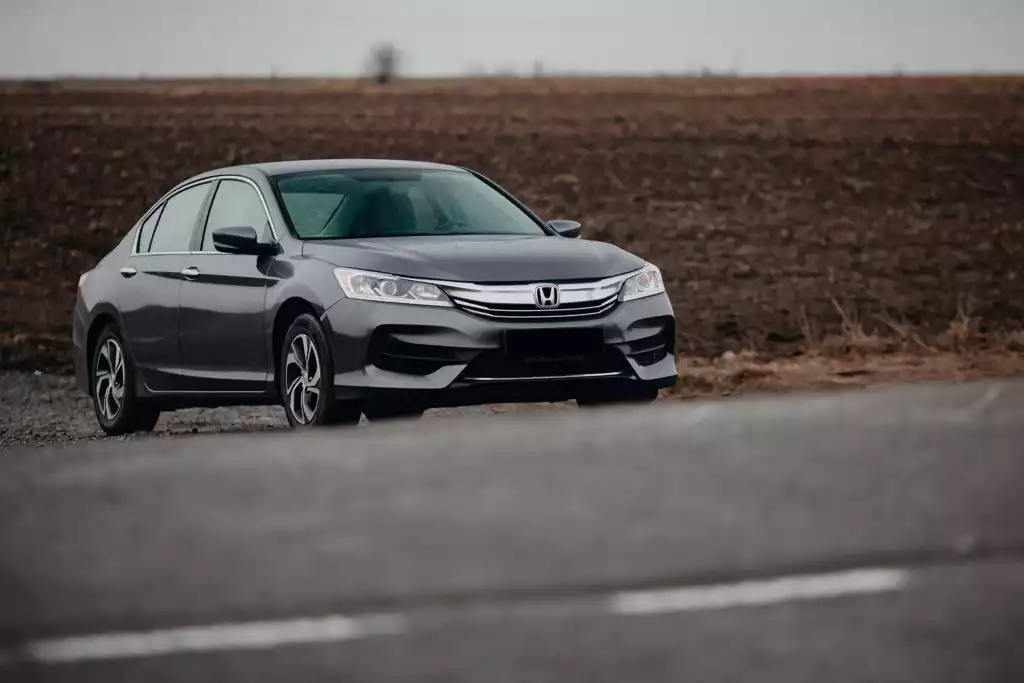
The 2013-2017 Honda Accord models marked a significant shift in powertrain philosophy with the introduction of Honda’s ‘Earth Dreams’ technology. The 2.4L four-cylinder engine transitioned to direct-injection, contributing to both improved power output and remarkably better fuel efficiency. Crucially, this generation also introduced the Continuously Variable Transmission (CVT) for 4-cylinder models, optimizing engine rpm for enhanced fuel economy. Drivers of these 4-cylinder CVT models could expect an impressive up to 36 MPG highway (EPA), a substantial improvement over previous generations, positioning them as an incredibly efficient option.
Perhaps the most impactful innovation of this generation was the debut of the Honda Sensing suite of advanced driver-assistive and safety technologies. Initially an available option on higher trims, particularly after the 2016 refresh, Honda Sensing bundled features such as:
- Adaptive Cruise Control (ACC): Automatically maintains a set following distance from the vehicle ahead.
- Lane Keep Assist System (LKAS): Helps keep the vehicle centered in its lane.
- Collision Mitigation Braking System (CMBS): Can automatically apply brakes to help avoid or mitigate a collision.
- Road Departure Mitigation System (RDM): Alerts and assists if the vehicle is about to leave the road.
These pioneering safety features contributed to the 9th generation earning consistent IIHS ‘Top Safety Pick+’ ratings for model years like 2013-2017 when equipped with Honda Sensing, establishing a new benchmark for family sedans.
For maximum connectivity, target 2016-2017 Accord models. These years saw the introduction of Apple CarPlay and Android Auto as standard on EX-L and Touring trims, significantly enhancing the infotainment experience and making them highly competitive in the used car market for those who value seamless smartphone integration.
The interior also received significant upgrades, including improved infotainment systems with touchscreens. The V6 engine continued to be offered, albeit with the same VCM system as the 8th gen, which, while efficient, still warrants attention to oil consumption as noted previously. Overall, the 9th generation offers a compelling package of modern efficiency, advanced safety, and enhanced connectivity, making it a highly recommended choice.
Contemporary Excellence and Hybrid Innovation: Late 2010s to Present Accords (10th Generation)
The most recent iteration of the Honda Accord, the 10th generation, represents a significant departure from its predecessors, embracing sophisticated design, advanced turbocharged powertrains, and highly efficient hybrid technology. This generation offers a collection of contemporary features and performance that appeals to modern discerning buyers.
10th Generation (2018-2022): Turbocharged Power and Sleek Design
The 2018-2022 Honda Accord models are instantly recognizable by their sleek fastback design, departing from the more traditional sedan silhouette. This aesthetic change is matched by significant engineering advancements under the hood. Honda moved away from naturally aspirated engines in favor of advanced turbocharged 1.5L and 2.0L engines. The 1.5L turbo, paired with a CVT, offers a balance of efficiency and surprising responsiveness, while the more potent 2.0L turbo, mated to a sophisticated 10-speed automatic transmission, delivers exhilarating performance, capable of achieving 0-60 mph in under 6 seconds, making it one of the quickest in its class.
Chassis dynamics were also significantly improved, resulting in a more engaging and refined driving experience. The interior received a substantial upgrade, featuring larger, more intuitive touchscreen displays and available digital gauge clusters, providing a premium feel. The overall design and driving experience are a modern interpretation of the Accord’s legacy, making it a highly popular option for those seeking a cutting-edge sedan.
Accord Hybrid: Class-Leading Efficiency
Within the 10th generation, the Accord Hybrid stands out as a technological tour de force. Its highly efficient two-motor hybrid system delivers a seamless blend of electric and gasoline power, resulting in class-leading fuel economy figures, often achieving 48 MPG combined (EPA). This positions the Accord Hybrid as a formidable contender in the hybrid segment, offering environmental consciousness without sacrificing performance or driving pleasure. It’s a compelling option for those prioritizing long-term fuel savings and reduced emissions.
Standardized Safety: Honda Sensing for Everyone
A hallmark of the 10th generation is the standardization of the Honda Sensing suite across all trim levels. This means every 2018-2022 Accord, regardless of its price point, comes equipped with the comprehensive package of active safety and driver-assist technologies, including Adaptive Cruise Control, Lane Keeping Assist, and Collision Mitigation Braking System. This commitment to widespread safety has consistently earned the 10th generation IIHS ‘Top Safety Pick+’ ratings, offering unparalleled peace of mind for all buyers. This makes the 10th generation a highly recommended choice for safety-conscious individuals.
Essential Considerations When Selecting a Used Honda Accord: Beyond the ‘Best’ List
While identifying the ‘best years’ provides an excellent starting point, the nuances of purchasing a used Honda Accord extend far beyond a mere model year. Prospective buyers must conduct thorough due diligence to ensure an informed purchase decision that aligns with their specific needs and budget. These are the must-know considerations.
📋
Step-by-Step Guide to Used Accord Inspection
Regardless of the model year’s reputation, a thorough PPI by a qualified, independent mechanic is absolutely paramount. This step can uncover potential hidden issues that are not apparent during a test drive or visual inspection, saving you significant repair costs down the line.
Request comprehensive maintenance history. Look for evidence of regular oil changes, transmission fluid services (crucial for both automatic and CVTs), and timing belt replacements for older V6 models (e.g., pre-2008 J-series engines generally use a timing belt, while newer engines use a timing chain). A well-documented service history is a strong indicator of a diligently cared-for vehicle.
Be aware of common issues specific to certain generations:
- 2003-2004 V6 Automatic Transmission: Check for delayed shifts or shuddering.
- 8th Generation VCM (V6): Inquire about oil consumption and inspect spark plugs.
- Early 9th Generation (2013-2015) Infotainment: Some owners reported glitches or unresponsive touchscreens.
- 10th Generation 1.5T (certain years): Oil dilution issues in cold climates; check service records for updates.
Utilize resources like Carfax/AutoCheck reports for accident history and recalls, and consult online Honda Accord forums for detailed owner experiences.
Consider your desired features (e.g., leather interior, navigation, sunroof, Honda Sensing) and how they align with your budget. Higher trim levels generally offer more amenities but also come with a higher price tag. While a basic Accord offers robust transportation, a well-equipped EX-L or Touring model enhances the ownership experience significantly. These choices impact not only upfront cost but also long-term satisfaction and often, resale value.
It is a well-established fact that well-maintained Accords often retain a higher percentage of their value compared to many competitors, underscoring the importance of diligent pre-purchase scrutiny. A Honda Accord purchased with a clear history and positive PPI results can continue to serve reliably for many years and tens of thousands of miles, proving itself a wise and recommended long-term investment.
Conclusion
The Honda Accord’s journey through the decades showcases a remarkable commitment to evolving consumer needs while consistently upholding its core tenets of reliability, efficiency, and value. Our comprehensive analysis reveals distinct eras of excellence:
- Honda Accords from the early 2000s (6th and 7th generations) offer foundational reliability for budget-conscious buyers, epitomizing mechanical durability.
- Mid-2000s to early 2010s (8th generation) models provide enhanced features and balanced performance, bridging the gap between basic utility and modern comfort.
- Mid-2010s (9th generation) Accords excel with ‘Earth Dreams’ efficiency and crucial safety advancements, marking a significant leap in safety and fuel economy.
- Late 2010s to present (10th generation) models deliver contemporary design, spirited turbocharged performance, and standard advanced safety features, representing the pinnacle of modern Accord engineering.
Each generation offers unique advantages, ensuring a curated selection is available for nearly every preference and budget. We encourage prospective owners to utilize this comprehensive, ranked guide as a foundational resource. Further due diligence, including a professional vehicle inspection and a thorough review of maintenance records, remains essential to ensure an optimal Accord acquisition tailored to your specific requirements and ownership aspirations.
Frequently Asked Questions
Which Honda Accord years are considered the most reliable?
Generally, the 6th and 7th generations (1998-2007) are highly regarded for their mechanical simplicity and robust engineering, with many units exceeding 200,000 miles. Specific years like 2000-2002 and 2006-2007 frequently receive top marks in long-term reliability surveys. The 9th and 10th generations also demonstrate strong reliability with modern advancements.
Are there any specific Honda Accord years to avoid due to common problems?
While generally reliable, some V6 automatic transmissions in the 7th generation (2003-2005) faced premature wear. Also, the 8th generation’s (2008-2012) V6 engines with Variable Cylinder Management (VCM) can experience increased oil consumption and spark plug fouling without proper software updates or preventative measures. Researching specific model year forums is advised.
What is ‘Honda Sensing’ and which Accord years feature it?
Honda Sensing is a suite of advanced driver-assist and safety technologies. It includes features like Collision Mitigation Braking System, Road Departure Mitigation, Adaptive Cruise Control, and Lane Keeping Assist System. It was introduced as an optional feature on higher trims of the 9th generation (2013-2017) and became standard across all trim levels of the 10th generation (2018-2022).
Which Accord years offer the best fuel economy?
The 9th generation (2013-2017) Accords, especially those with the 2.4L ‘Earth Dreams’ engine and CVT, offer impressive efficiency, often achieving up to 36 MPG highway. The 10th generation Accord Hybrid (2018-2022) is the leader, consistently rated around 48 MPG combined, making it the most fuel-efficient option available.
Should I choose a 4-cylinder or V6 Accord?
The choice depends on priority. Four-cylinder Accords (especially K24 and L15B7 turbo engines) offer superior fuel efficiency and are generally less expensive to maintain. V6 models provide more potent acceleration and a smoother power delivery, ideal for highway cruising or enthusiasts, though they consume more fuel and may have higher maintenance costs. Evaluate your driving needs.