Nissan Rogue Headlight System Error: Real Fix Guide 2026
Last Updated on September 1, 2026 by Ryan


⚡ Key Takeaways
- Driving with a ‘headlight system error’ on your Nissan Rogue can be unsafe and potentially illegal, especially if it affects your visibility.
- The most common causes for a Nissan Rogue headlight system error include faulty bulbs, blown fuses, issues with the Adaptive Front Lighting System (AFS) control module, or wiring problems.
- Yes, you can often perform basic diagnostic checks and simple fixes for a Nissan Rogue headlight system error yourself.
- The cost to fix a Nissan Rogue headlight system error varies significantly based on the cause.
- What does ‘headlight system error’ mean for my Nissan Rogue?
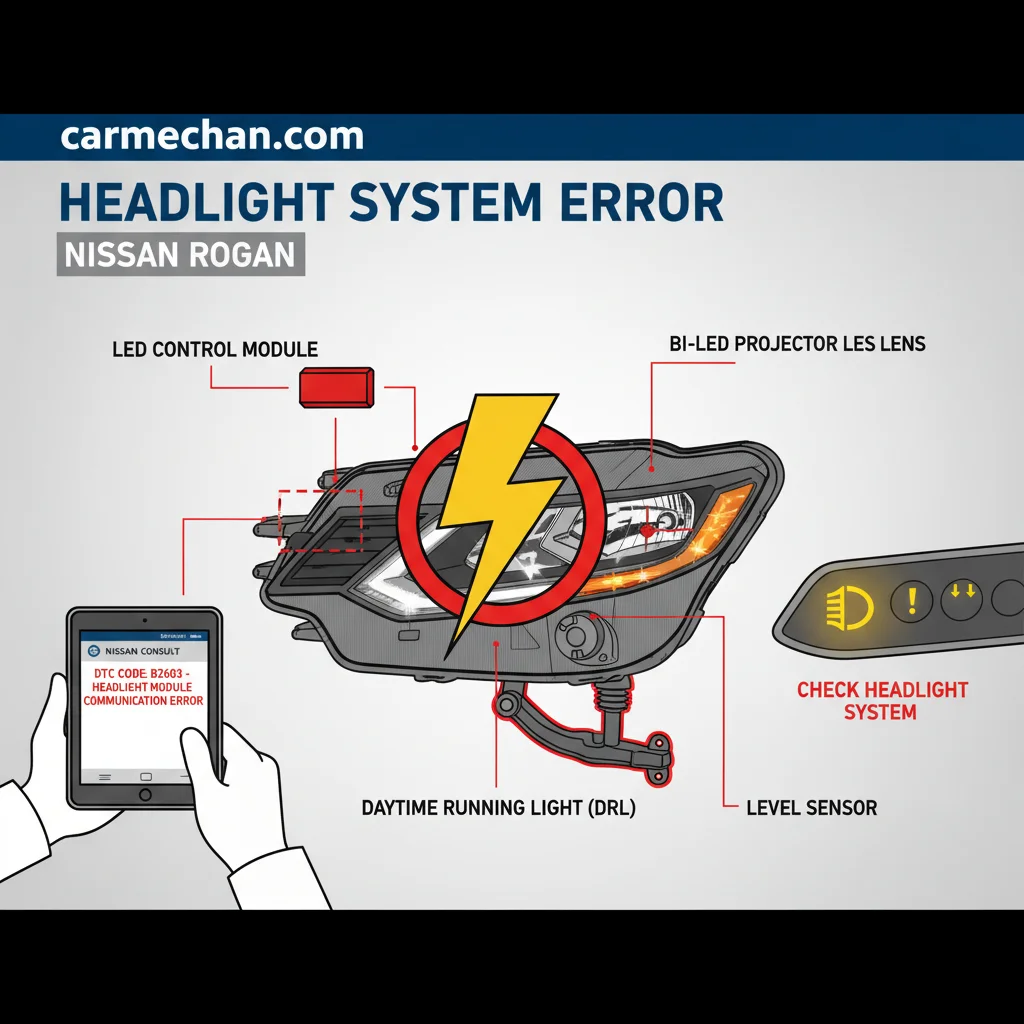
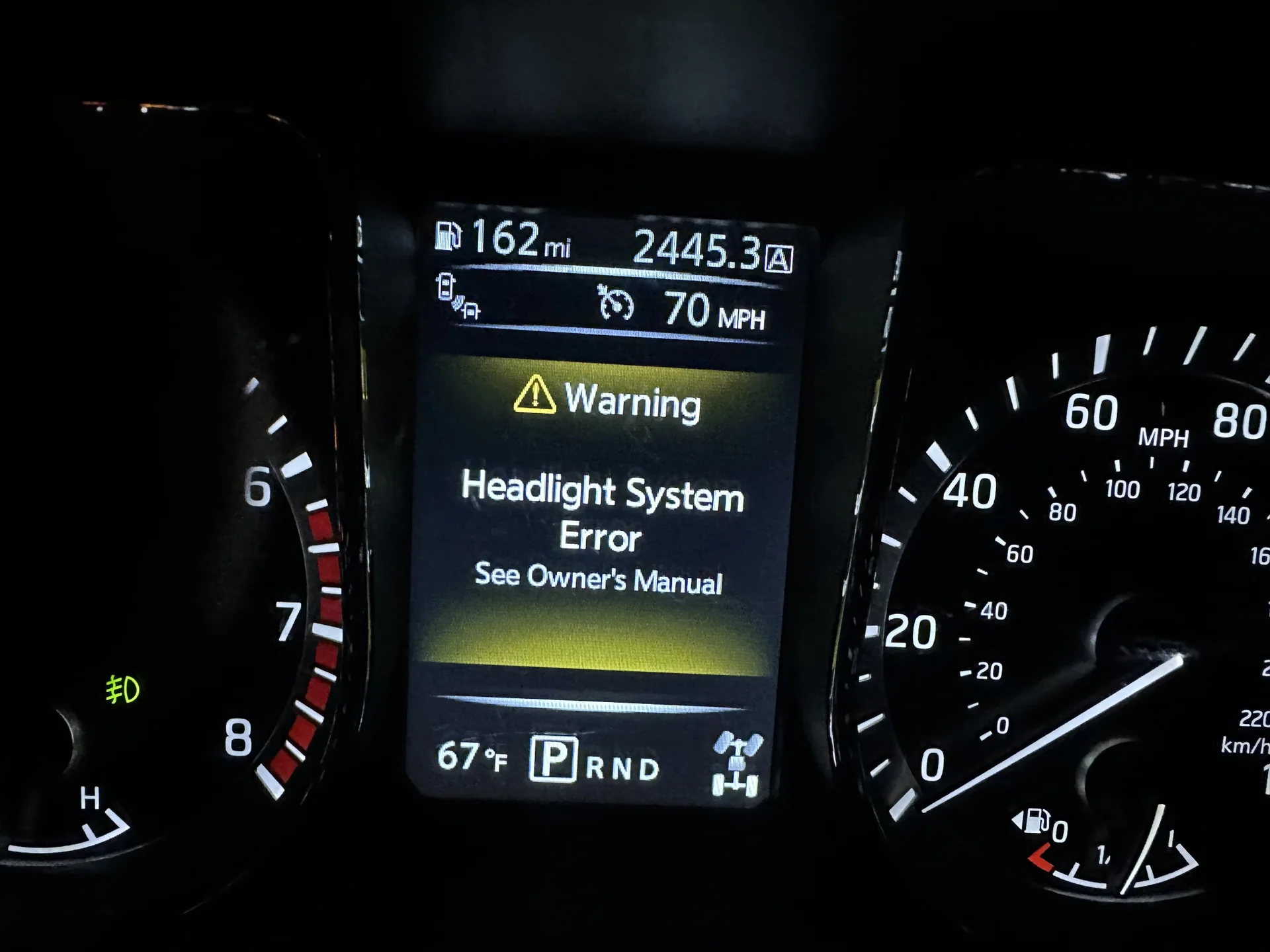
A “headlight system error Nissan Rogue” indicates a malfunction within your vehicle’s lighting components, often specifically targeting the Adaptive Front Lighting System (AFS) or other critical headlamp functions. This warning is not merely an inconvenience; it signals a safety hazard, as impaired visibility significantly increases accident risk, with nighttime crashes being three times more likely to result in fatalities than daytime incidents.
Understanding this dashboard alert is crucial. This article provides clear steps to diagnose common issues, understand the underlying causes, and outlines effective solutions to restore your Nissan Rogue’s lighting system. Here is what you need to know about resolving your headlight system error.
What Does This Nissan Rogue Headlight Troubleshooting Cover?
This comprehensive guide is meticulously crafted to address common ‘headlight system error’ messages appearing on specific Nissan Rogue models, empowering owners with actionable insights. We focus on issues that typically trigger this warning, allowing you to understand the problem’s scope and potential solutions.
Covered Nissan Rogue Models and Years
This guide primarily addresses ‘headlight system error’ messages and related lighting malfunctions in 2014-2020 Nissan Rogue models and the initial years of the third generation (2021-present). While general principles may apply broadly, our specific diagnostic steps are optimized for these generations where these errors are frequently reported.
Consult your specific Nissan owner’s manual for relevant years for precise vehicle information
(owners.nissanusa.com – Nissan Owner’s Manual)”>(Nissan owner’s manual).
Types of Headlight System Errors Addressed
We cover various types of headlight system errors, including but not limited to, a Nissan Rogue adaptive headlight malfunction, issues with individual bulbs (halogen, LED, HID), and problems related to the Adaptive Front Lighting System (AFS) warning light fix. This also extends to basic troubleshooting for potential Nissan headlight control module issues, which often manifest as system errors.
Exclusions From This Guide
This guide specifically excludes issues arising from collision damage, aftermarket headlight modifications not factory-installed, or complex electrical system failures unrelated to the headlight system. We also do not cover routine maintenance procedures like simple bulb replacements when no error message is present, as our focus is on diagnosing and responding to the ‘headlight system error’ indication.
If this guide’s scope aligns with your vehicle’s issue, understanding who this information is specifically designed for is the next crucial step.
Who Should Use This Nissan Rogue Headlight Guide?
This headlight system error guide is meticulously tailored for distinct segments of Nissan Rogue owners, each facing unique challenges and seeking specific solutions. We recognize that while the error message is universal, the user’s intent and capabilities vary, and we aim to serve all relevant audiences.
DIY-Savvy Owner
You’re comfortable with a wrench and curious about what’s behind that warning light on your Nissan Rogue.
Benefit: Save money and gain satisfaction by understanding and potentially fixing common headlight system errors yourself with clear, step-by-step guidance.
Safety-Conscious Driver
Your family’s safety on the road is paramount, and faulty headlights are a serious concern for visibility.
Benefit: Learn to identify critical headlight issues and ensure they are properly addressed, maintaining optimal visibility and road safety for everyone.
Aspiring Mechanic
You’re looking to deepen your automotive knowledge and practice diagnostic skills on modern vehicle systems.
Benefit: Gain practical insight into Nissan Rogue headlight systems, troubleshooting techniques, and component functions – a valuable stepping stone for aspiring technicians.
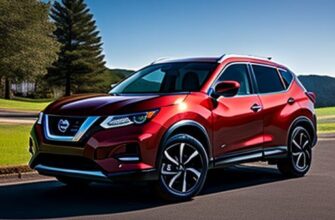
DIY-Savvy Owners Seeking Self-Repair
If you possess a foundational understanding of automotive mechanics and are comfortable performing basic diagnostic and repair tasks, this guide is for you. We provide step-by-step instructions to help you identify common issues and, where safe and feasible, resolve them yourself. Our goal is to empower you with the knowledge needed to tackle accessible headlight system problems.
Safety-Conscious Drivers Prioritizing Road Legality
For Nissan Rogue owners primarily concerned with vehicle safety and compliance with road regulations, this guide offers crucial insights. We explain what a ‘headlight system error’ means for your driving visibility and legality, helping you understand the urgency and necessity of proper repair. Your safety and peace of mind on the road are paramount.
Pre-Mechanic Diagnosis Seekers
Even if you plan to visit a professional mechanic, this guide can be invaluable. By performing initial diagnostic steps, you can arrive at the shop with a clearer understanding of the potential problem, potentially saving diagnostic time and costs. This preparation facilitates a more informed conversation with your technician, as supported by automotive consumer surveys on DIY trends How to Diagnose Nissan Rogue Headlight System Errors in 5 Steps
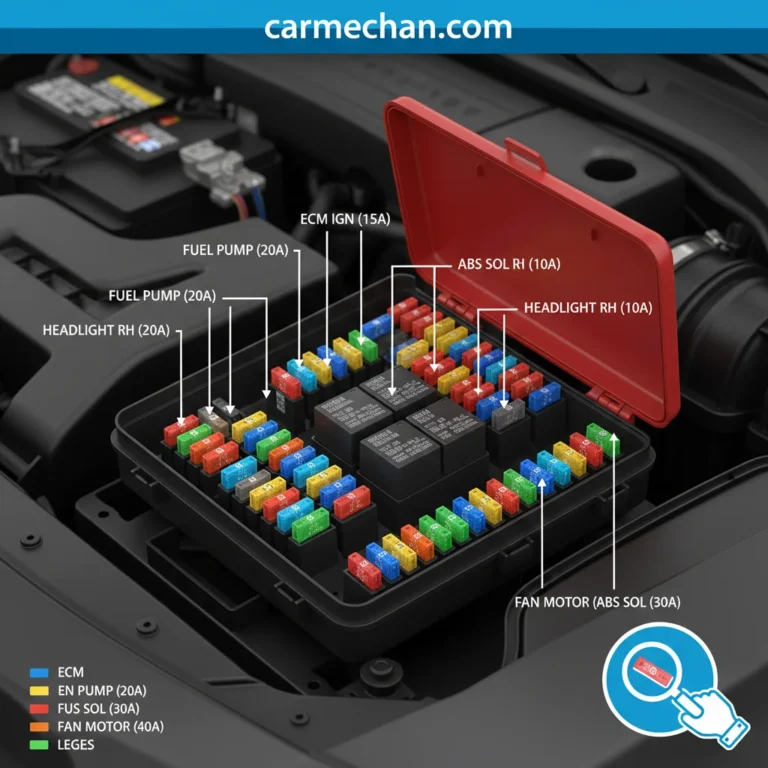
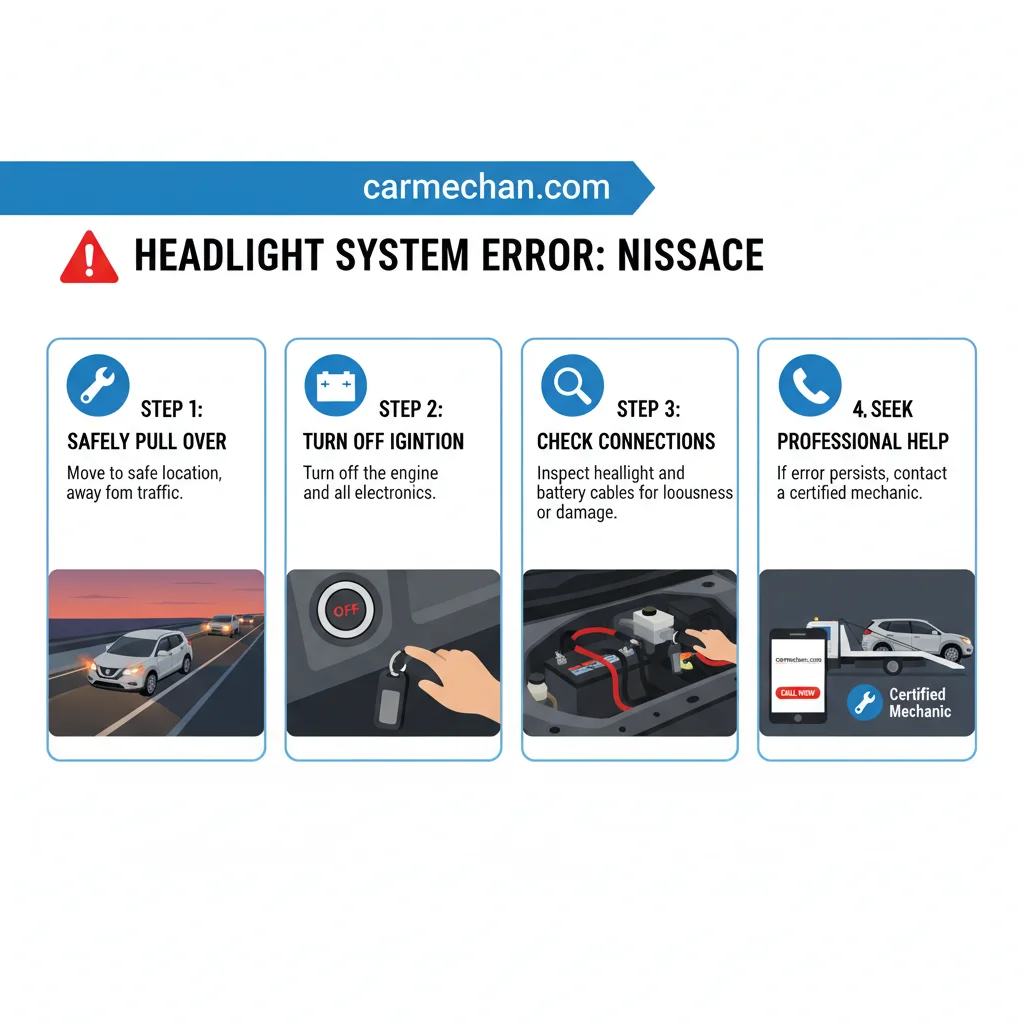
Successfully diagnosing a Nissan Rogue headlight system error involves a systematic approach, starting with accessible checks before moving to more complex diagnostics. Precise execution of each step enables accurate identification of the underlying issue, ensuring safe troubleshooting. Step 1: Visually inspect all exterior lighting components, including headlight assemblies, fog lights, and turn signals, for obvious damage or discoloration. Check for moisture inside the lens, indicating a seal breach, or burnt-out bulbs. Verify all wiring harnesses connected to the headlights are secure and free from cuts or fraying. Look for Specific visual cues for common headlight failures include one headlight being completely extinguished, visible flickering or intermittent operation, a significant dimming compared to the other lamp, or a noticeably incorrect and scattered beam pattern projected onto a wall. that could point to the problem. If you observe severe damage or active arcing, stop and escalate to a certified automotive electrician to prevent electrical hazards. Step 2: Locate your Nissan Rogue’s fuse boxes; typically, one is under the hood and another inside the cabin. Consult your owner’s manual to identify the specific fuses and relays associated with the headlights, AFS, and other lighting systems. Using a fuse puller, remove and visually inspect each relevant fuse for a broken filament. If a fuse is blown, replace it with a new fuse of the exact same amperage rating. For relay checks, swap the suspicious headlight relay with a known-good relay of the same type from a non-critical system. If the issue resolves, the relay was faulty. Rogue fuse box location information can guide you. Step 3: With the engine off, use a multimeter to measure your Nissan Rogue’s battery voltage across the terminals. Verify the reading is 12.6V or higher, as low voltage can trigger system errors Step 4 Run an OBD-II Scan for Diagnostic Trouble Codes
Step 4: Connect an OBD-II scanner to your Nissan Rogue’s diagnostic port, typically located under the dashboard on the driver’s side. Turn the ignition to the “ON” position (engine off) and allow the scanner to link with the vehicle’s computer. Verify the scanner retrieves any stored Diagnostic Trouble Codes (DTCs) related to the lighting system. Common codes might include B262A for AFS issues (Nissan Service Manual) or codes related to specific bulb circuits. Record all codes displayed. If the scanner indicates multiple critical electrical system faults or you are unable to interpret the codes, stop and escalate to a Nissan dealership or a specialized automotive electrical technician for further diagnosis. For tools, consider consulting a guide on the best work light for mechanics to ensure proper visibility during inspections. While these diagnostic steps are empowering, it’s crucial to understand when you should absolutely not attempt Nissan Rogue headlight repairs yourself. Now that you understand the diagnostic process, let’s consider situations where professional help is the best course of action. While DIY diagnostics are valuable, certain conditions surrounding a Nissan Rogue headlight system error indicate that self-repair attempts could be dangerous or lead to further damage. Recognizing these critical junctures protects both your safety and your vehicle’s complex systems. If your Nissan Rogue utilizes High-Intensity Discharge (HID) or advanced LED headlight systems, attempting repairs without specialized training can expose you to extremely high voltage. HID ballasts, for instance, can generate shocks up to 25,000 volts during operation, which can be lethal even when the vehicle is off Complex Adaptive Front Lighting System AFS Malfunctions
A Rogue AFS warning light fix often involves intricate sensors, actuators, and control modules that adjust headlight direction based on steering input and vehicle speed. These systems require specialized diagnostic tools and calibration procedures that are typically beyond the scope of DIY repair. Incorrect tampering can further misalign the system or damage expensive components. If your visual inspection reveals visible damage to internal wiring harnesses, burnt smells, or melted plastic around the headlight assembly or fuse box, it signifies a deeper electrical problem. Attempting to repair complex Nissan electrical issues without proper expertise can worsen the damage, potentially leading to short circuits or fire hazards. These signs necessitate immediate professional assessment. Should the ‘headlight system error’ persist after you have diligently performed all basic diagnostic stepssuch as checking bulbs, fuses, and battery connectionsit indicates a more complex underlying issue. This persistence often points to failures within control modules, advanced sensors, or intricate wiring that require specialized diagnostic equipment and expert knowledge for accurate resolution. Understanding when to stop DIY is one thing, but avoiding common misapplications during your efforts can prevent unnecessary complications. Building on this understanding of when to seek professional help, let’s explore some common pitfalls people encounter when they do attempt repairs themselves. Even with good intentions, Nissan Rogue owners can inadvertently complicate a headlight system error by making common, avoidable mistakes during diagnosis or repair. Avoiding these pitfalls saves time, money, and prevents further damage to your vehicle’s intricate lighting system. Beyond common errors, some Nissan Rogue headlight malfunctions present as unique or rare scenarios that require specialized attention. Now that you know what common mistakes to avoid, let’s consider some of the more unusual or rare malfunctions that can affect your Nissan Rogue’s headlight system. While many Nissan Rogue headlight system errors stem from common causes, certain rare scenarios can present unique diagnostic challenges, often requiring advanced tools or specialized knowledge. Understanding these less frequent issues can help prepare you for more complex repairs. A malfunctioning Body Control Module (BCM) can manifest as a ‘headlight system error’ because the BCM often controls various electrical functions, including exterior lighting. Symptoms of BCM failure affecting headlights in a Nissan Rogue might include Common symptoms of BCM (Body Control Module) failure affecting Nissan Rogue headlights include headlights randomly turning on or off, remaining on after the vehicle is shut off and locked, inability to switch between high and low beams, or non-functional daytime running lights despite healthy bulbs. such as intermittent headlight operation or complete failure without a clear cause. Replacing a BCM can be costly, often ranging from $700-$1500, not including programming Software Glitches Requiring Dealer Reprogramming
Modern Nissan Rogue vehicles rely heavily on complex software for system operation. Sometimes, a ‘headlight system error’ isn’t due to hardware failure but a software glitch within the vehicle’s computer system. These glitches often require specialized diagnostic equipment and reprogramming tools available at a Nissan dealership to flash new firmware or reset the control module, resolving the error. Understanding general specific Nissan system errors can provide context. Less common but highly frustrating are intermittent headlight system errors caused by subtle corrosion within connectors or hairline breaks in wiring that are not immediately visible. These issues might only surface under specific conditions, like temperature changes or vehicle vibrations, making them notoriously difficult to diagnose without advanced electrical testing equipment like oscilloscopes or circuit tracers. Thorough inspection for continuity and resistance becomes critical. Occasionally, a ‘headlight system error’ can be linked to a known manufacturing defect or a vehicle-specific recall that Nissan has issued. These issues often affect a batch of vehicles or a particular model year. Checking for any open recalls on your Nissan Rogue’s VIN with a dealership or the NHTSA website can reveal if your error is part of a broader, recognized problem requiring manufacturer attention. When confronted with these complex or persistent issues, knowing precisely when to seek professional help for your Nissan Rogue headlight problems is paramount. This is why, for issues both common and rare, understanding when to consult a certified technician is paramount for maintaining your Nissan Rogue’s safety and performance. Deciding when to transition from DIY troubleshooting to professional assistance for a Nissan Rogue headlight system error is a critical judgment call that prioritizes safety and effective repair. Recognizing these specific triggers ensures your vehicle receives the expert attention it needs without unnecessary delay or risk. If the ‘headlight system error’ light on your Nissan Rogue reappears shortly after your DIY troubleshooting attempts, or if the issue is intermittent and unpredictable, it’s a clear signal to seek professional help. Persistent errors indicate an underlying problem that your basic checks could not resolve, while intermittent faults often point to complex wiring issues or failing control modules that require advanced diagnostics. When your OBD-II scanner reveals multiple, manufacturer-specific, or highly technical DTCs that you cannot interpret or resolve with standard troubleshooting, professional intervention is necessary. These complex codes often require specialized Nissan diagnostic equipment and software to accurately pinpoint the faulty component or system. Specific Diagnostic Trouble Codes (DTCs) like B2610 (Headlight Relay Circuit Malfunction), B262A (Left Headlamp Low Beam Circuit Open), or U0140 (Lost Communication with Body Control Module) often require Nissan-specific diagnostic tools, such as CONSULT-III Plus, for accurate interpretation and module programming capabilities. often indicate issues beyond basic repairs. Any situation where the headlight system error directly compromises your safety or driving visibility warrants immediate professional attention. This includes complete headlight failure while driving, erratic beam patterns that blind other drivers, or an Adaptive Front Lighting System (AFS) malfunction that prevents proper illumination of the road ahead. Do not operate your vehicle if its lighting system is critically impaired. If your Nissan Rogue is still under warranty, or if the headlight system error aligns with a known recall, contacting a Nissan dealership is the most prudent course of action. Attempting DIY repairs on a warranted component could void your coverage. Dealerships have access to specific service bulletins, genuine parts, and specialized tools, often resolving issues at no cost if a recall applies. Automotive industry reports indicate average hourly labor rates for technicians range from $80-$150 per hour Nissan Rogue Headlight System Diagnostic Flow
Step 1 Perform a Thorough Visual Inspection
Step 2 Check Relevant Fuses and Relays
Step 3 Assess Battery Voltage and Connections
When Not to Attempt Nissan Rogue Headlight Repairs Yourself
Do not attempt repairs involving high voltage components without proper training and safety equipment. High-Intensity Discharge (HID) and some LED systems can store lethal electrical charges.High Voltage Electrical System Involvement
Signs of Deeper Module or Wiring Damage
Error Persistence After Basic Checks
7 Common Mistakes When Fixing Nissan Rogue Headlight Issues
What Are the Rare Nissan Rogue Headlight Malfunction Scenarios?
Body Control Module BCM Malfunctions
Intermittent Connection Issues and Corrosion
Vehicle-Specific Recalls or Known Defects
When to Seek Professional Help for Nissan Rogue Headlight Problems
Persistent or Intermittent Errors
Complex Diagnostic Trouble Codes DTCs
Safety Concerns or Driving Impairment
Warranty or Recalls Apply
(coxautoinc.com – Cox Automotive)”>(Automotive Industry Report), making warranty claims highly advantageous.
For continued learning and to verify information, always know where you can find more reliable Nissan Rogue headlight resources.
Where Can You Find More Nissan Rogue Headlight Resources?
Empowering yourself with knowledge is key to managing a Nissan Rogue headlight system error, and various credible resources are available for deeper insight and support. Accessing accurate and specific information can significantly aid in understanding, troubleshooting, and resolving your vehicle’s lighting issues.
Official Nissan Documentation
Your primary resource should always be the official Nissan owner’s manual and service bulletins pertinent to your specific Nissan Rogue model and year. These documents provide detailed diagrams, fuse box layouts, bulb specifications, and troubleshooting steps directly from the manufacturer. You can typically locate owner’s manuals digitally on the Nissan official website by entering your VIN.
Automotive Technical Forums and Communities
Online automotive technical forums and Nissan Rogue-specific communities can be invaluable. These platforms connect you with other owners and experienced technicians who may have encountered similar headlight system errors. While advice should always be cross-referenced, these communities often offer practical tips, shared diagnostic experiences, and potential solutions.
Recommended Diagnostic Tools and Guides
For those performing DIY diagnostics, investing in a reputable OBD-II scanner and understanding its usage is crucial. Many online guides and reviews help you choose the best tool for your budget and needs. Additionally, automotive repair manuals (e.g., Haynes, Chilton) specific to the Nissan Rogue provide comprehensive repair procedures and wiring diagrams.
Further Car Mechan Troubleshooting Articles
For more detailed step-by-step guides and insights into various automotive issues, explore other articles on Car Mechan. We offer expert-driven content designed to help you understand and troubleshoot a wide range of vehicle problems, complementing the information provided in this guide.
7 Most Common Nissan Rogue Headlight Problems
Q1: Is it safe to drive my Nissan Rogue with a ‘headlight system error’?
Driving with a ‘headlight system error’ on your Nissan Rogue can be unsafe and potentially illegal, especially if it affects your visibility or the functionality of critical lighting components. We recommend having the system inspected promptly to ensure safe operation and compliance with road regulations.
Prioritizing safety is crucial to avoid accidents.
Q2: What are the most common causes of Nissan Rogue headlight system errors?
The most common causes for a Nissan Rogue headlight system error include faulty bulbs, blown fuses, issues with the Adaptive Front Lighting System (AFS) due to sensor or actuator problems, and occasional wiring or connector corrosion. Diagnosing these simple issues first can often resolve the error efficiently.
Q3: Can I fix a Nissan Rogue headlight system error myself?
Yes, you can often perform basic diagnostic checks and simple fixes for a Nissan Rogue headlight system error yourself. This includes visual inspections, checking and replacing fuses, and assessing battery connections. However, complex issues involving AFS modules or high-voltage components require professional expertise.
Q4: How much does it typically cost to fix a Nissan Rogue headlight system error?
The cost to fix a Nissan Rogue headlight system error varies significantly based on the cause. A simple bulb replacement might cost $20-$50, while a blown fuse is minimal. However, replacing an AFS control module or repairing complex wiring can range from $500 to over $1500, depending on parts and labor.
Q5: Does a ‘headlight system error’ mean my bulbs are faulty?
Not necessarily; a ‘headlight system error’ on your Nissan Rogue indicates a problem within the entire lighting system, which could be anything from a faulty bulb or fuse to issues with the AFS, wiring, or a control module.
While bulbs are a common culprit, the error message encompasses broader system malfunctions.
How To Prevent Future Rogue Headlight Problems
The ‘headlight system error’ in your Nissan Rogue often signals AFS or electrical issues, impacting safety and legality. Recognizing this warning and understanding its implications is the first step toward resolution. Initial DIY steps like fuse checks and visual inspections can often identify simple problems, potentially saving significant repair costs.
However, complex errors, persistent warnings, or safety concerns require professional automotive expertise for accurate diagnosis and repair. If you are experiencing a ‘headlight system error’ on your Nissan Rogue, carefully follow the diagnostic steps outlined in this guide or consult a certified mechanic if the issue persists or involves advanced components.