How To Know If Car Battery Needs To Be Replaced Car 2026
Last Updated on September 1, 2026 by Albert Duke
A car battery often signals its impending failure through symptoms like slow cranking, dim lights, or electrical glitches. Testing its voltage or getting a professional check confirms if it’s time for replacement.
A car battery often signals its impending failure through symptoms like slow cranking, dim lights, or electrical glitches. Testing its voltage or getting a professional check confirms if it’s time for replacement.
- Recognize common car battery failure signs quickly.
- Perform simple DIY battery tests effectively.
- Understand factors shortening battery lifespan.
- Know when to jump-start versus replace it.
- Implement tips to extend battery longevity.
To know if your car battery needs to be replaced, watch for clear indicators like slow engine crank, dim headlights, or the battery warning light illuminating. These signs often point to a weakening battery struggling to hold its charge. It might not be able to deliver sufficient power.
Early detection prevents inconvenient breakdowns. This article empowers you with diagnostic skills and actionable steps. We will explore the undeniable symptoms of a dying car battery.
Key Takeaways


- Recognize common car battery failure signs quickly.
- Perform simple DIY battery tests effectively.
- Understand factors shortening battery lifespan.
- Know when to jump-start versus replace it.
- Implement tips to extend battery longevity.
7 Urgent Signs Your Battery Is Failing




Recognizing the subtle and overt signals your car provides is the first step in identifying a failing battery. Your vehicle communicates when its power source is compromised. Understanding these cues helps you act proactively.
Slow Engine Crank
When you turn the key, does your engine struggle to turn over? A slow, drawn-out crank indicates insufficient power from the battery. The starter motor isn’t receiving enough current to operate efficiently. This is a primary sign of a weakening battery charge.
Dim Headlights Appearance
Notice if your headlights appear dimmer than usual, especially when the engine is off or just starting. Interior lights may also flicker or seem faint. This suggests the battery cannot supply consistent voltage to the electrical system. It’s a clear performance dip.
Clicking Sound on Start
A rapid clicking sound when you try to start the car typically means the battery lacks enough power to engage the starter motor. The starter solenoid attempts to draw current but fails due to low voltage. This is a common and urgent symptom.
Illuminated Warning Light
Your car’s dashboard might display a battery warning light. This indicator signals an issue with the charging system. It could mean a failing battery or a problem with the alternator. Do not ignore this critical alert.
Malfunctioning Electrical Accessories
If power windows operate slowly, the radio presets reset, or the dashboard lights dim intermittently, these are electrical component malfunctions. A failing battery struggles to maintain a stable electrical supply. This impacts various vehicle systems.
Unusual Odor Presence
A strong, sulfur-like smell, similar to rotten eggs, indicates a leaking or damaged battery. This odor comes from battery acid or gases. It signals a serious internal problem and potential danger.
Bulging Battery Case
Visually inspect your battery for physical deformation. A swollen or bulging battery case indicates overheating or overcharging. This can also happen due to internal damage. Corrosion around the terminals is another visual red flag.
Understanding these symptoms is crucial, but confirming the issue requires specific diagnostic steps.
How to Test Car Battery in 3 Simple Steps


Verifying battery health at home can save you time and money, using straightforward methods. These steps help you determine if a replacement is truly needed. Accurate testing provides a clear picture.
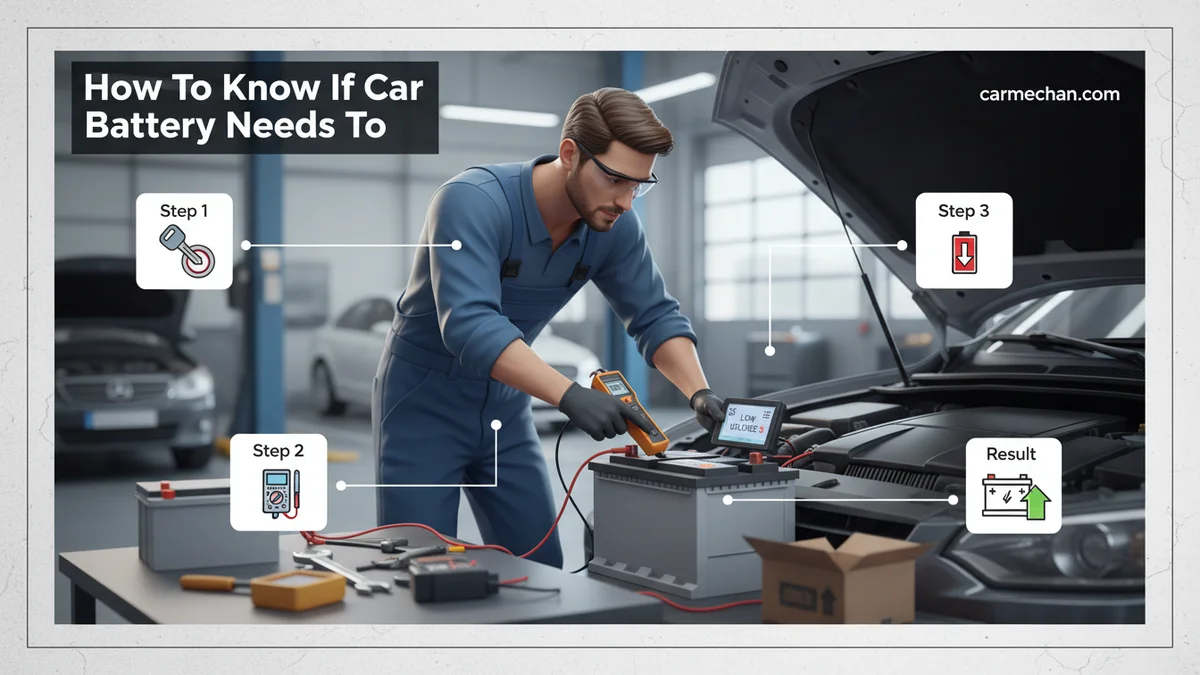
Conduct Visual Inspection
Begin with a thorough visual check. Look for any signs of corrosion on the battery terminals. Ensure the terminals are tight and clean. Check the battery casing for cracks, leaks, or any bulging. These physical issues directly impact performance.
Use Multimeter Accurately
To test voltage, set your multimeter to DC volts. Connect the red lead to the positive terminal and the black lead to the negative terminal. Ensure the car is off for at least 15 minutes to get an accurate surface charge reading.
Interpret Test Results
A healthy car battery should read around 12.6 volts or higher when fully charged. If your reading is 12.4 volts, the battery is partially discharged and needs charging. Anything below 12.0 volts suggests a critically discharged or dead battery. A professional load test is often needed to assess the battery’s cranking capabilities accurately.
Beyond diagnosing the current state, knowing what causes battery issues helps prevent future failures.
What 5 Factors Shorten Battery Life
.jpg "What 5 Factors Shorten Battery Life")
Car batteries, though , face several environmental and usage factors that significantly reduce their operational lifespan. Understanding these elements helps you prolong your battery’s utility. Longevity is impacted by many conditions.
Extreme Weather Exposure
Both extreme heat and extreme cold accelerate battery degradation. High temperatures cause internal components to break down faster. Cold weather reduces the battery’s capacity and makes it harder to start the engine.
Frequent Short Driving
Short trips prevent the alternator from fully recharging the battery. The starter motor drains a significant amount of power each time it’s used. This leads to a perpetually undercharged state. Consistent partial charges can cause sulfation.
Persistent Parasitic Drain
Even when the car is off, some components, like the radio memory or alarm system, draw a small amount of power. An excessive “parasitic drain” can slowly discharge the battery overnight or over a few days. This leaves you with a dead car.
Inconsistent Maintenance
Neglecting basic battery maintenance shortens its life. Failing to clean corroded terminals or ensure tight connections impedes electrical flow. This can lead to increased resistance and premature failure. Regular checks are vital.
Battery Age Exceedance
Most car batteries have a lifespan of about 3 to 5 years, even under ideal conditions. As a battery ages, its internal chemistry breaks down. It loses its ability to hold a charge effectively. This is a natural process.
Once you have identified the problem and its potential causes, the next step involves deciding on the best course of action.
When to Replace vs Recharge Battery
After diagnosing a weak or dead battery, your options typically involve attempting a jump-start, recharging, or full replacement. Knowing which path to take saves time and frustration. Choose the right solution for your situation.
Perform Safe Jump Starts
If your battery is merely discharged, a jump-start can get you going temporarily. Always use appropriate jumper cables and follow the correct procedure. Connect positive to positive, then negative to a grounded metal surface on the dead car. Wear eye protection and avoid touching battery fluid.
Evaluate Battery Recharging
A battery might only need recharging if it was drained by leaving lights on or from a long period of inactivity. Use a smart charger for optimal results. However, if the battery is old or repeatedly fails after recharging, a simple charge is a temporary fix. It won’t address underlying issues.
Determine Replacement Necessity
Consider replacement if your battery is over three years old, repeatedly loses charge, or shows physical damage like bulging. If multimeter tests consistently show low voltage after charging, it’s likely time for a new one. A battery that fails a professional load test certainly needs replacing.
Consult Professional Assistance
If you are unsure about the diagnosis or uncomfortable performing tests, consult a certified mechanic. They have specialized tools for in-depth testing. Professionals can also recommend the best replacement battery for your vehicle. This ensures proper installation and warranty coverage.
Beyond immediate fixes, proactive steps can significantly extend your new or existing battery’s life, preventing future inconveniences.
5 Proven Ways to Extend Battery Life
Maximizing your car battery’s lifespan involves simple, consistent maintenance practices that keep it performing optimally. These preventative measures can help you avoid unexpected failures. A well-maintained battery provides reliable service.
Keep Terminals Clean
Regularly inspect and clean your battery terminals. Corrosion, a white or bluish powdery substance, impedes electrical flow. Use a wire brush and a baking soda-water solution to remove it. Clean terminals ensure a strong, efficient connection.
Secure Battery Tightly
Ensure your battery is securely mounted in its tray. Excessive vibration can damage internal components. A loose battery can also cause terminal connections to loosen. This reduces its overall lifespan and performance.
Limit Short Journeys
Avoid frequent short trips whenever possible. Short drives do not allow the alternator enough time to fully recharge the battery. If you must make short trips, consider taking a longer drive at least once a week. This ensures a full charge.
Use Battery Maintainer
If you store your vehicle for extended periods or drive infrequently, use a battery maintainer or tender. These devices provide a slow, trickle charge. This prevents deep discharge and sulfation. It keeps the battery in optimal condition.
Check Fluid Levels
For serviceable (non-sealed) batteries, periodically check the electrolyte levels. Ensure the fluid covers the plates inside each cell. Top up with distilled water if levels are low. Do not overfill. This maintains chemical balance for older battery types.
By consistently applying these preventative measures, you significantly reduce the chances of unexpected battery failure, ensuring your vehicle remains reliable.
Your Next Steps for Battery Care
Understanding the signs of a failing car battery, diagnosing issues, and knowing preventative measures empowers you as a car owner. Don’t wait for a complete breakdown to address battery concerns. Regular checks and timely action extend your battery’s life, ensuring your vehicle starts reliably through 2026 and beyond. Proactive maintenance saves money and avoids inconvenient situations. Make battery health a priority for smooth driving.
Your Top 5 Battery Replacement Questions
What Is the Average Car Battery Life in 2026?
The average car battery life in 2026 is still typically 3 to 5 years. Factors like climate, driving habits, and maintenance greatly influence this range. Batteries in hotter climates often degrade faster.
Can a Dead Battery Be Recharged?
Yes, a dead battery can often be recharged if it hasn’t suffered internal damage or sulfation. If the battery is relatively new and was only drained by something like lights left on, a charger usually revives it.
How Often Should I Test My Car Battery?
You should test your car battery at least twice a year, ideally before winter and summer. Extreme temperatures stress the battery. Regular voltage checks identify problems before they lead to unexpected failures.
Is It Safe to Jump-start a Battery?
Jump-starting is generally safe if done correctly, following manufacturer guidelines and using appropriate safety gear. Always connect positive to positive and negative to a grounded metal surface away from the battery to avoid sparks.
What Are the Signs of an Old Car Battery?
Signs of an old car battery include slow engine cranking, dimming lights, a dashboard battery warning, and needing frequent jump-starts. Physical signs like corrosion or a bulging case also indicate age.