Nissan Xterra Years To Avoid: Identifying Problematic Models
The Nissan Xterra stands as an icon of rugged capability, cherished by adventurers and off-road enthusiasts for its robust construction and utilitarian spirit. Its body-on-frame design and straightforward engineering have earned it a loyal following. However, like many vehicles with a long production run, certain model years of the Nissan Xterra are known to exhibit specific mechanical vulnerabilities that can lead to significant repair costs and ownership frustration. This authoritative guide will meticulously identify the Nissan Xterra years to avoid, detailing the prevalent issues, and providing expert insights to help prospective buyers navigate the used market with confidence and make an informed, reliable purchase.

![Au-TOMOTIVE GOLD Compatible Keychain and Keyring for Nissan Xterra [KC1540.XTE] - Premium…](https://m.media-amazon.com/images/I/317JFWpsoPL._SS500_.jpg)

Understanding the Nissan Xterra Legacy and Its Reliability Profile

📤 Share Image
The Nissan Xterra carved out a distinctive niche in the SUV market, primarily positioned as a direct competitor to robust offerings like the Toyota 4Runner. Its design principles prioritized functionality, featuring a body-on-frame construction and a no-frills, utilitarian design that appealed to adventurers and those seeking genuine off-road oriented capabilities. This commitment to ruggedness extended to its powertrain offerings across its two generations.
The first generation (produced from 1999-2004) largely relied on the VG33E V6 engine, shared with its sibling, the Nissan Frontier pickup, with which it shared many components. The second generation (from 2005-2015) upgraded to the more powerful VQ40DE V6. Both engines, in principle, were perceived as robust and capable powerplants, contributing to the Xterra’s general reputation for durability and utility.
While broadly valued for its resilience, no vehicle is entirely immune to specific mechanical and structural vulnerabilities. The Xterra’s design, coupled with the natural aging process common for vehicles on the road (the average vehicle age currently hovers around 12 years), makes it susceptible to certain issues. Furthermore, evolving manufacturing processes and component suppliers throughout its production timeline can influence reliability over time, necessitating a comprehensive guide to identify which years present a higher risk to potential buyers seeking a reliable used SUV.

First Generation Nissan Xterra (1999-2004): Early Model Vulnerabilities
The inaugural generation of the Nissan Xterra, produced from 1999 to 2004, established the model’s adventurous spirit but also introduced a set of characteristic issues common to vehicles of that era and design philosophy. Prospective buyers must conduct a professional and detailed inspection when considering these early models.
Prevalent Rust Issues
Perhaps the most significant concern for first-generation Xterras is extensive rust. Early models often lacked the robust protective coatings seen in later vehicles, leaving them highly susceptible to environmental factors like road salt and humidity. We routinely observe severe rust on critical components:
- Frame: Particularly around the rear axle, control arm mounts, and suspension mounting points. Owner reports frequently detail rust progression around wheel wells and control arms.
- Suspension Components: Ball joints, control arms, and leaf springs are prone to heavy surface and structural rust, compromising integrity.
- Exhaust Systems: Mufflers and exhaust pipes often rust through, requiring premature replacement.
While some NHTSA complaint data from this period indicated structural integrity concerns related to various component failures, the broad prevalence of rust often precedes or exacerbates these issues, significantly affecting the vehicle’s long-term safety and quality.
Engine-Related Concerns (VG33E V6)
The VG33E V6 engine, while generally sturdy, has a few age-related specific issues:
- Head Gasket Failures: Though less common than in some other models of the era, they are noted, particularly if the engine has experienced overheating.
- Distributor Problems: Wear in the distributor assembly can lead to misfires, rough idling, or complete engine failure if not addressed.
- Minor Oil Leaks: As seals and gaskets age, minor oil leaks from valve covers or the oil pan become common, often requiring regular monitoring or replacement.
Anecdotal evidence from our experience also points to occasional sensor failures, such as the crankshaft position sensor, which can significantly affect driveability and even cause no-start conditions.
Suspension and Steering Component Wear
Given the Xterra’s heavier construction and intended use, wear on suspension and steering components is expected. Items like ball joints, tie rods, and bushings frequently require replacement, typically between 80,000 to 120,000 miles. Neglecting these can lead to poor handling, uneven tire wear, and unsafe driving conditions.
Electrical System Quirks
As with many vehicles of this vintage, electrical system quirks are not uncommon. Issues can include:
- Instrument Cluster Lights: Bulbs burning out or dimming, leading to unreadable gauges.
- Power Window Motors: Slow operation or complete failure.
- HVAC Blower Motors: Malfunctions affecting heating and air conditioning performance.
While generally minor, these issues can be irritating and collectively signal a vehicle that may require more frequent attention to maintain its reliable operation. A comprehensive inspection is paramount for these older models.

Second Generation Nissan Xterra (2005-2015): The SMOD Crisis and Other Noteworthy Faults
The second generation of the Nissan Xterra, spanning 2005 to 2015, brought significant updates, including the more powerful VQ40DE V6 engine. However, this generation also introduced its most notorious and financially devastating reliability issue: the “Strawberry Milkshake of Death” (SMOD). This issue alone makes particular model years critical to avoid without proven preventative measures.
The ‘Strawberry Milkshake of Death’ (SMOD)
SMOD is a catastrophic failure mode primarily affecting 2005-2010 Nissan Xterra models equipped with automatic transmissions. It originates from a faulty internal design within the vehicle’s radiator, where the transmission fluid cooler lines run directly through a radiator tank shared with engine coolant. Over time, the internal walls of this cooler can corrode and crack, leading to coolant-to-transmission fluid cross-contamination. The resulting mixture of coolant and transmission fluid takes on a tell-tale pink, frothy appearance, earning it the grim moniker.
The coolant’s glycol properties are highly destructive to the transmission’s internal components, rapidly degrading friction materials, seals, and bearings. Symptoms of SMOD typically include:
- Transmission shuddering during shifts
- Delayed or harsh gear engagement
- Eventually, complete transmission failure
The incidence rate of SMOD affected a significant percentage of vehicles within the 2005-2010 range, making these years particularly risky. The repair cost for a failed transmission can be exorbitant, often ranging from $4,000 to $6,000+ for a replacement. Preventative measures, such as replacing the original radiator with an updated design or, more commonly, bypassing the radiator’s transmission cooler entirely with an external unit, are crucial. These preventative steps typically cost $500-$1,000, a small investment compared to the alternative.
When considering a 2005-2010 Nissan Xterra, assume the SMOD issue is present or imminent unless a full radiator replacement with an updated part or a transmission cooler bypass has been VERIFIED with service records. Failing to address this proactively can lead to total transmission failure, turning a potential bargain into a financial burden. This is the single most critical item for these specific model years to check for a reliable purchase.
Timing Chain Guide Wear (VQ40DE V6)
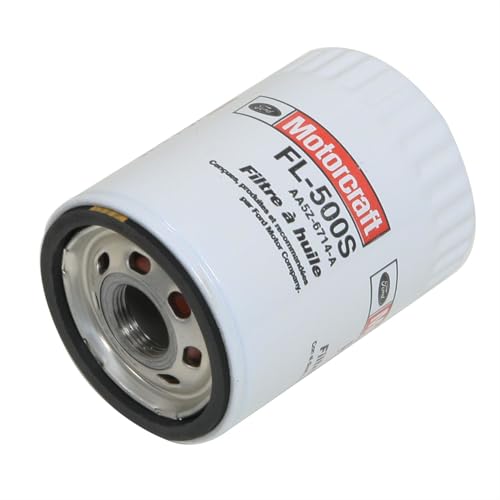


The VQ40DE V6 engine, while otherwise a powerful and generally trusted powerplant, is known for issues with its timing chain guides, particularly in earlier second-gen models. Over time, these plastic guides can wear down, leading to a distinctive whining or rattling noise from the engine bay, especially at idle or low RPMs. If neglected, this wear can cause the timing chain to stretch or even jump, resulting in catastrophic engine damage. Repairing this issue is labor-intensive and expensive, often costing thousands of dollars.
Fuel Level Sensor Failures
A common and irritating fault across many Nissan vehicles of this era, including the Xterra, is the failure of the fuel level sensor. This malfunction leads to inaccurate fuel gauge readings, which can display full when nearly empty, or vice-versa, significantly increasing the risk of running out of fuel and being stranded. Nissan did issue Technical Service Bulletins (TSBs) for this problem. The repair typically involves replacing the entire fuel pump assembly, as the sensor is integrated, incurring a notable cost.
Rear Differential Failures
While not as widespread as SMOD, rear differential failures are a concern, particularly for Xterras that have been subjected to heavy towing or rigorous off-road use. Owners may experience driveline noise, such as whining or clunking, indicating premature wear of internal components. This necessitates differential rebuilding or replacement, which can be an expensive repair, undermining the perceived ruggedness if not properly maintained.
Mitigating Risk: Essential Pre-Purchase Inspection for Any Used Nissan Xterra
Acquiring a used Nissan Xterra, regardless of the model year, demands a rigorous and comprehensive evaluation. Our expert recommendation is an absolute necessity of a professional pre-purchase inspection (PPI). This should be performed by a trusted, independent mechanic with specific experience working on Nissan vehicles. A PPI is your most powerful tool for uncovering hidden issues that even a detailed visual inspection might miss, ultimately saving you from costly future repairs and ensuring a reliable purchase. Typically, a comprehensive PPI costs between $100-$200, and statistics show that PPIs often reveal $500+ in needed repairs on average, making it a wise investment.
📋
Step-by-Step Pre-Purchase Inspection Guide
Pay particular attention to the frame and body for any signs of rust, especially on older first-generation models where rust can compromise structural integrity. Inspect suspension components, control arms, and exhaust for excessive corrosion, damage, or wear. A mechanic can lift the vehicle to perform a thorough, professional assessment of these critical areas.
All fluid conditions must be evaluated. Check engine oil for sludge, coolant for contamination (especially looking for the tell-tale ‘strawberry milkshake’ in 2005-2010 models), and transmission fluid for burnt smell or discoloration. A thorough test drive is essential to assess engine performance, listen for timing chain noise, evaluate transmission shifts for shudder or delay, and identify any unusual noises from the drivetrain or suspension. A mechanic might identify a pinhole leak in a radiator or sludge in the transmission fluid, indicating early SMOD.
Always request comprehensive service records. This is vital for confirming critical preventative maintenance, such as documented radiator replacement or bypass for 2005-2010 models, evidence of timing chain service (if applicable), and consistent regular fluid changes. A complete service history provides invaluable insight into the vehicle’s past care and likely future reliability.
Ensure all lights, gauges, the HVAC system, and power accessories (windows, locks, mirrors) are fully functional. These components, while seemingly minor, can be costly and frustrating to repair if neglected. Test the 4×4 system engagement and functionality if present. This complete guide for inspection ensures every aspect of the vehicle is scrutinized.
Always ask for and scrutinize service records meticulously. A gap in maintenance history or a lack of documentation for critical repairs (like a radiator replacement for 2005-2010 models) should raise a red flag. A vehicle with a complete and verifiable service history is a strong indicator of a more reliable and well-cared-for asset.
Recommended Nissan Xterra Model Years and Viable Alternatives
Having explored the problematic model years, it’s important to provide guidance on which Nissan Xterra models offer a better prospect for reliable ownership, or to suggest alternatives if the Xterra’s vulnerabilities are too great a concern. Our expert analysis indicates clearer choices for a quality investment.
Safer Second-Generation Xterra Years
Generally, the 2011-2015 Nissan Xterra models represent the safest option within the second generation. By these years, Nissan had either implemented updated radiator designs to address the SMOD issue or the vehicles are simply less prone to it due to manufacturing revisions. However, even with these later models, a professional pre-purchase inspection remains absolutely crucial to confirm overall condition and maintenance history. A 2013 Xterra Pro-4X with verifiable maintenance history, for example, often presents a strong case for a capable off-roader.
Considerations for Earlier Models
For those keen on an earlier second-generation Xterra (2005-2010), the criteria for selection become very strict: the vehicle must have a meticulously maintained service history that explicitly documents a radiator replacement with an updated part or, preferably, an aftermarket transmission cooler bypass. Furthermore, a strong service history addressing potential timing chain issues is vital. The first-generation (1999-2004) models are best suited for enthusiasts seeking a more analog, robust off-roader, provided rust is minimal and all key maintenance items have been demonstrably addressed. These are typically projects for those willing to commit to ongoing maintenance.
Viable Alternatives to the Nissan Xterra
If the Xterra’s specific vulnerabilities are a deterrent, several alternative vehicles offer similar utility or off-road prowess with potentially different reliability profiles:
- Toyota 4Runner: Often cited for its superior long-term reliability and robust construction, a well-maintained Toyota 4Runner of similar vintage can be an excellent, albeit often pricier, choice. Consumer reporting agencies often place the 4Runner ahead of the Xterra in long-term reliability ratings.
- Jeep Wrangler: For pure off-road capability, the Wrangler is legendary, though its on-road comfort and specific reliability issues (especially with earlier models) differ significantly from the Xterra.
- Certain Ford Explorers (4th/5th Gen V6): While less focused on extreme off-roading, some generations offer a solid body-on-frame platform with respectable utility, though careful research into their specific model year issues is still necessary.
Choosing the right vehicle requires a complete understanding of its inherent strengths and weaknesses, ensuring your investment aligns with your expectations for trusted performance.
✅ Pros of Later-Model Xterras (2011-2015)
- Minimized risk of SMOD due to revised radiator designs.
- Retains the Xterra’s iconic ruggedness and off-road capability.
- Strong aftermarket support for modifications.
- Practical and utilitarian interior.
❌ Cons of Earlier Xterras (1999-2010)
- High risk of SMOD (2005-2010) leading to costly transmission failure.
- Significant rust issues prevalent in first-generation models (1999-2004).
- Aging electrical components and sensor failures.
- Potential for timing chain guide wear on earlier VQ40DE engines.


The Nissan Xterra, a truly capable and spirited SUV, demands a discerning eye when purchased used. The 2005-2010 Nissan Xterra models are particularly prone to the ‘Strawberry Milkshake of Death’ (SMOD) due to inherent radiator design flaws. Additionally, early first-generation models (1999-2004) often face significant rust issues and aging electrical components that necessitate careful consideration. Comprehensive pre-purchase inspections and meticulous service record verification are paramount when considering any used Xterra. While later second-generation models (2011-2015) generally present fewer critical issues, they still require due diligence to confirm their condition. Armed with this expert analysis, approach your used Nissan Xterra acquisition with a clear understanding of potential pitfalls. Always prioritize a thorough professional inspection and verify preventative maintenance to secure a reliable off-road companion that aligns with your expectations for quality and performance.
Frequently Asked Questions
What is the ‘Strawberry Milkshake of Death’ (SMOD) in Nissan Xterras?
SMOD refers to a critical failure in 2005-2010 Nissan Xterras where the transmission fluid cooler within the radiator leaks, allowing engine coolant and transmission fluid to mix. This contamination forms a pinkish, ‘strawberry milkshake’-like sludge, rapidly destroying the transmission’s internal components and leading to costly failure.
Which Nissan Xterra years are generally considered the most reliable?
Generally, the 2011-2015 Nissan Xterra models are considered more reliable, primarily because the radiator design flaw causing SMOD was addressed or less prevalent. However, any used vehicle, including these years, benefits greatly from a thorough pre-purchase inspection by a qualified mechanic to ensure its overall mechanical integrity.
Are there any common engine issues with the Nissan Xterra’s VQ40DE V6?
Yes, while generally robust, the VQ40DE V6 engine, particularly in earlier 2nd-gen models (2005-2010), can experience timing chain guide wear. This manifests as a characteristic whining or rattling noise, often indicating the need for a costly repair to prevent more severe engine damage if not addressed promptly.
What should I specifically check for rust when inspecting a used Xterra?
When inspecting a used Xterra for rust, pay close attention to the frame rails (especially near the rear axle and under the doors), suspension mounting points, rock sliders, and exhaust system. Extensive frame rust can compromise structural integrity and significantly impact the vehicle’s long-term safety and lifespan, making it a critical inspection point.
Is it possible to prevent SMOD if I own an affected Xterra year?
Yes, SMOD is largely preventable. The most effective preventative measure is to replace the original radiator with an updated or aftermarket unit that has a more robust internal design, typically costing a few hundred dollars. Alternatively, some owners choose to bypass the internal transmission cooler entirely, using an external transmission cooler instead. This is a crucial, cost-effective preventative measure.