How To Charge Car Battery Without Charger Step By Step 2026
Last Updated on September 1, 2026 by Albert Duke
When your car battery dies without a charger, immediate action focuses on getting your vehicle started. The most common and effective methods involve jump-starting with another car or using a portable jump starter.
When your car battery dies and you need to know how to charge a car battery without a charger, it can feel like a sudden, stressful roadblock. Immediate action focuses on getting your vehicle started safely and effectively. The most common and effective methods involve jump-starting with another car or using a portable jump starter.
We understand the urgency when you are stranded or facing unexpected delays. This guide provides practical, actionable steps to get your vehicle running without a traditional battery charger. We will also cover essential safety measures and prevention strategies for 2026 and beyond. This guide outlines the most effective and safest methods to get your car running, starting with the most common solution: jump-starting.
Key Takeaways


- Jump-starting is the quickest, most common fix.
- Always prioritize safety protocols during battery work.
- Alternative starting methods exist for manual transmissions.
- A ‘charge’ without a charger is usually a temporary boost.
- Address the battery’s underlying issue to prevent future failures.
How to Jump Start a Dead Car in 4 Steps
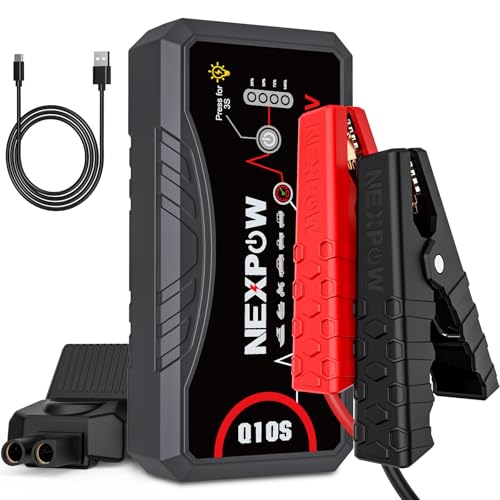


The quickest way to revive a dead battery without a traditional charger is often jump-starting. This method provides a temporary power surge to your engine, allowing it to crank and start. You can use another vehicle with a working battery or a specialized portable jump starter.


Standard car battery voltage is 12 volts, requiring sufficient current to initiate a start. Jumper cables typically handle common amperage like 400-800 amps.
1. Prepare Your Vehicles
Position the working vehicle close enough for the jumper cables to reach, but do not let the vehicles touch. Turn off both cars and ensure their parking brakes are engaged. Remove any metal jewelry you might be wearing to prevent accidental short circuits.
2. Connect the Cables Safely
Attach one red (positive) clamp to the positive (+) terminal of the dead battery. Connect the other red clamp to the positive (+) terminal of the working battery. Attach one black (negative) clamp to the negative (-) terminal of the working battery. Finally, connect the other black clamp to an unpainted metal surface on the engine block of the dead car, away from the battery, fuel lines, or moving parts.
3. Start the Working Car
Once the cables are securely connected, start the engine of the working vehicle. Let it run for 5-10 minutes to allow some charge to transfer to the dead battery. After this period, try to start the car with the dead battery. If it doesn’t start immediately, wait a few more minutes before trying again.
4. Disconnect the Cables Carefully
Once the dead car starts, keep its engine running. Disconnect the cables in the reverse order of connection. First, remove the black clamp from the engine block of the newly started car. Then, remove the black clamp from the negative terminal of the working car.
Next, remove the red clamp from the positive terminal of the working car. Finally, remove the red clamp from the positive terminal of the newly started car.
While jump-starting is highly effective, it might not always be an option. Fortunately, other methods exist to help you get moving.
3 Other Methods for Starting a Car

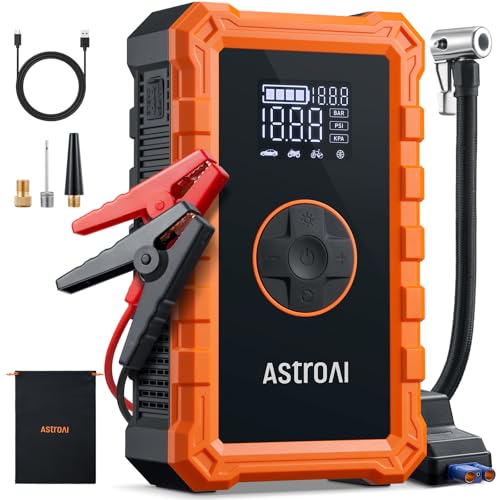

Beyond traditional jump-starting, some alternative techniques can temporarily boost your car’s power or allow it to start without external charging equipment. These methods often require specific conditions or offer limited solutions. Most car starters need at least 10.5-11 volts to engage.
Try a Push Start
If you drive a manual transmission car, a push start (also known as a “roll start”) can sometimes get you going. This method requires a few people to push the car to a moderate speed (around 5-10 mph) on a flat or downhill surface. With the ignition on, the driver engages second gear, releases the clutch quickly, and simultaneously presses the accelerator.
This action spins the engine, hopefully bringing it to life. This is not possible for automatic transmission vehicles.
Consider Solar Assistance
Small solar battery maintainers can provide a trickle charge to your battery. These are generally too slow and low-powered to “charge” a completely dead battery for starting purposes. They are best used to prevent a healthy battery from draining while a car is parked for extended periods.
A solar charger might provide a minimal boost if your battery is only slightly discharged and you have several hours of direct sunlight.
Use an Inverter Briefly
A power inverter converts your car’s 12V DC power to 120V AC household power. Some people attempt to use another car’s inverter to power a small 12V battery charger to charge a dead car battery. This is generally inefficient and risks overloading the inverter or the charging vehicle’s electrical system.
It is not a recommended or effective method for a quick start. Only consider this for very minor boosts in an absolute emergency, understanding its limitations.
Regardless of the method you choose, safety must always be your primary concern when dealing with car batteries and electrical systems.
5 Critical Safety Precautions You Must Follow
Working with a dead car battery involves electrical current and corrosive chemicals, making safety paramount. Ignoring these precautions can lead to serious injury or damage to your vehicle. Car batteries can emit hydrogen gas, which is highly flammable and explosive when concentrated .

Wear Protective Gear
Always wear safety glasses or goggles to protect your eyes from acid splashes or sparks. Wearing gloves can prevent skin contact with battery acid, which is highly corrosive. Avoid loose clothing that could get caught in moving engine parts.
Ensure Ample Ventilation
Batteries can release hydrogen gas during charging or jump-starting. This gas is odorless and highly explosive. Always work in a well-ventilated area to prevent gas accumulation. Avoid enclosed spaces like garages without open doors or windows.
Check Battery Condition First
Before attempting any charging or starting method, inspect the dead battery. Look for cracks, leaks, or swelling in the battery casing. Do not attempt to charge or jump-start a damaged, frozen, or leaking battery, as this poses a significant explosion risk. Seek professional help instead.
Avoid Metal Contact
Be extremely careful not to let the positive and negative jumper cable clamps touch each other. This creates a direct short circuit, causing sparks, potential battery explosion, or damage to your vehicle’s electrical system. Keep tools and other metal objects away from the battery terminals.
Follow Connection Order
Adhering to the correct connection and disconnection sequence for jumper cables is critical. Connecting them incorrectly can cause sparks, electrical surges, or damage to the vehicle’s sensitive electronic components. Always connect positive to positive first, then negative to a grounded surface on the dead vehicle.
Once you have safely started your vehicle, your work is not quite finished; crucial steps follow to ensure ongoing reliability and prevent future incidents.
What to Do Immediately After Starting Your Car
Getting your car started is only the first step; proper post-jump-start actions are vital for battery health and diagnosing why it died. After a jump start, drive for at least 20 to 30 minutes to allow the alternator to recharge the battery significantly.
Keep Engine Running
After successfully jump-starting, do not immediately turn off the engine. The car’s alternator needs time to recharge the battery. Idling for a few minutes or driving for a short period helps the alternator replenish the lost charge. Turning it off too soon may leave you with another dead battery.
Monitor Warning Lights
Pay close attention to your dashboard for any warning lights, especially the battery or charging system indicator. A light staying on after starting could signal an issue with the alternator, battery, or other components of the charging system. This indicates that a professional inspection is needed.
Drive for a While
Driving for an extended period, ideally at highway speeds, allows the alternator to operate efficiently and provide a more substantial charge to the battery. Aim for a drive of at least 20-30 minutes. Avoid making multiple short trips, as this may not provide enough time for a sufficient recharge.
Schedule a Professional Check
A dead battery is often a symptom of an underlying problem, not just a random occurrence. Schedule an appointment with a trusted mechanic to test your battery, alternator, and starter. They can diagnose the root cause and address any issues before you find yourself stranded again. This proactive step can save you future frustration and repair costs.
Understanding how to manage the immediate aftermath is important, but preventing future battery issues from occurring at all is even better.
7 Practical Ways to Avoid a Dead Battery
The best way to avoid the frustration of a dead car battery is through proactive maintenance and mindful driving habits. Implementing these tips can significantly extend your battery’s lifespan and reliability. The average lifespan of a car battery is typically 3 to 5 years, though this can vary by climate and usage .
Regularly Inspect Terminals
Check your battery terminals periodically for corrosion (a fuzzy blue-green substance). Clean them with a wire brush and a mixture of baking soda and water. Clean terminals ensure good electrical contact, which is essential for efficient charging and starting.
Turn Off Accessories
Always ensure headlights, interior lights, radio, and any other accessories are turned off when you leave your vehicle. Even small drains can completely discharge a battery overnight, especially older ones. Double-check before locking your doors.
Avoid Short Drives
Frequent short trips prevent your alternator from fully recharging the battery. The starting process consumes a lot of energy, and short drives do not allow enough time for replenishment. If you make many short trips, consider a longer drive periodically.
Mind Extreme Temperatures
Both extreme heat and cold can accelerate battery degradation. Hot weather can evaporate battery fluid, while cold weather reduces its cranking power. Parking in a garage or shaded area can help mitigate these effects. Consider using a battery blanket in very cold climates.
Check Battery Age
Car batteries typically last between three and five years. If your battery is approaching this age, even with good maintenance, it may be nearing the end of its life. Have it tested annually after its third year, particularly as 2026 approaches.
Use a Battery Tender
If you store your car for extended periods or drive infrequently, a battery tender or maintainer is an excellent investment. These devices provide a slow, consistent charge, preventing the battery from discharging and prolonging its life. They are different from chargers, which deliver a higher current.
Perform Load Tests
Regular battery load tests, often performed by mechanics or auto parts stores, can assess your battery’s ability to hold a charge under stress. This helps predict potential failures before they leave you stranded. It is a proactive diagnostic tool for battery health.
FAQ About Charging a Car Battery Without a Charger
Can I Really Charge a Car Battery Without a Dedicated Charger?
You can get enough power to start your car using methods like jump-starting with another vehicle or a portable jump starter. These methods provide a temporary boost, allowing your car’s alternator to then recharge the battery as you drive. They do not fully “charge” the battery in the way a dedicated charger would.
Is It Safe to Jump-start a Car Battery Myself?
Yes, jump-starting can be safe if you follow proper procedures. Always wear protective gear, ensure good ventilation, inspect the battery for damage, and connect the jumper cables in the correct order (positive to positive, negative to a ground point away from the battery). Safety is paramount to avoid injury or vehicle damage.
How Long Do I Need to Drive After a Jump Start?
After a successful jump start, we recommend driving your car for at least 20 to 30 minutes. This allows the alternator sufficient time to replenish a significant portion of the battery’s charge. Avoid immediate short trips or turning off the engine too soon, as the battery may not have enough power to restart.
What If My Car Won’t Jump-start?
If your car does not jump-start after several attempts, the battery might be completely dead, severely damaged, or there could be another issue with your starter or alternator. In this situation, it is best to stop trying and call for professional roadside assistance or towing. Continued attempts can strain electrical systems.
When Should I Replace My Car Battery?
Most car batteries last between three to five years, but this varies based on climate and usage. If your battery is older than three years and frequently struggles to start, especially in extreme temperatures, it’s a good idea to have it tested. Early replacement can prevent unexpected breakdowns.