How To Check Car Battery Health Without Multimeter 2026
Last Updated on September 1, 2026 by Albert Duke
Checking your car battery’s health without a multimeter is entirely possible by observing visual cues, car performance indicators, and performing simple diagnostic tests using your vehicle’s existing systems.
Knowing how to check car battery health without a multimeter is a crucial skill for any driver, especially when unexpected issues arise. Your car’s battery is its heart, powering everything from the starter to your dashboard lights. A failing battery can leave you stranded, but you do not always need specialized tools to diagnose a problem.
This guide will equip you with practical, accessible methods to assess your car battery’s condition in 2026. We will explore various ways to assess your car battery’s condition using just your senses and your car’s features, starting with a thorough visual inspection.
Key Takeaways


- Visual cues like swelling or corrosion signal battery issues.
- Slow cranking or dim lights often point to a weak battery.
- Simple tests like the headlight load test confirm battery health.
- Understand common causes to prolong battery life.
- Act quickly if signs of a bad battery appear for safety.
5 Visual Clues Your Car Battery Is Failing



Before touching anything, a careful visual inspection can reveal significant clues about your car battery’s health. Taking a few moments to look closely can prevent future headaches and indicate underlying problems without requiring any special equipment.
Swollen Casing Check
A swollen or bloated battery case often indicates severe internal damage, typically from overcharging or excessive heat. This condition is dangerous and means the battery needs immediate replacement. The pressure build-up inside can lead to leaks or even explosions if left unaddressed.
Terminal Corrosion Look
Inspect the battery terminals for any white, blue, or green powdery substance. White or bluish-green corrosion on terminals suggests a poor connection, a leak, or an overcharging issue. Corrosion can impede electrical flow, making it harder for your car to start. [EXTERNAL LINK: primary source, battery terminal cleaning guide]
Leaking Fluid Spot
Look for any wetness around the battery or on the tray below it. Leaking battery fluid, often sulfuric acid, is a serious sign of internal damage or overcharging. Battery acid is corrosive and can damage other engine components or pose a safety risk.
Cracks or Damage Scan
Examine the battery casing for any cracks, bulges, or physical damage. Even small cracks can lead to electrolyte leakage and compromise the battery’s structural integrity. Physical damage often indicates impact or improper installation, affecting battery performance.
Battery Age Inspect
Locate the battery’s manufacturing date, often stamped on the casing as a code. Car batteries typically last between three to five years. If your battery is older than this, it might be nearing the end of its service life, regardless of how it looks.
Beyond what you can see, your car often provides auditory and performance-based hints about its battery’s condition.
4 Performance Clues of a Weak Battery


Your vehicle’s performance often changes noticeably when its battery begins to weaken. Paying attention to these subtle shifts can help you identify a failing battery before it leaves you stranded. These indicators are observable during your everyday driving or starting routine.
Slow Engine Cranking
If your car struggles to start, with the engine turning over slowly or sluggishly, it is a classic sign of a weak battery. A healthy battery provides enough power for a quick, strong crank, typically starting the engine in one or two seconds. A prolonged cranking time means the battery lacks sufficient charge.
Dim Headlights Notice
Observe your headlights before starting the engine. If they appear dim or noticeably lose brightness when you turn the ignition, your battery is likely weak. The battery struggles to provide full power to both the lights and the starter motor simultaneously. This dip in power during start-up is a clear warning sign.
Electrical Glitches Spot
A failing battery can cause various electrical components to malfunction. You might notice power windows operating slower than usual, the radio resetting its presets, or the dashboard lights flickering. These inconsistencies arise because the battery cannot supply a stable voltage to the car’s electrical system. [INTERNAL LINK: common car electrical problems]
Dashboard Warning Lights
Keep an eye on your dashboard for specific warning lights. The battery light, often shaped like a battery, indicates a problem with the charging system or the battery itself. Other warning lights might illuminate due to low voltage affecting various sensors or systems.
Once you have observed these visual and performance indicators, you can conduct some simple, active tests to further confirm your battery’s health.
How to Conduct 3 DIY Battery Tests

These simple, hands-on tests utilize your car’s existing components to give you a clearer picture of your battery’s charge and load capacity. These methods require no special tools, relying instead on your car’s own systems and your keen observation skills. Remember to always ensure your car is in park or neutral with the parking brake engaged when performing these tests.
Headlight Load Test
This test assesses the battery’s ability to maintain voltage under a moderate load.
- Turn off your car’s engine.
- Turn on your headlights to their brightest setting without starting the car.
- Observe the brightness of the headlights for about 10-15 minutes.
- Now, try to start the car.
If the headlights significantly dim or go out when you attempt to start the car, the battery is likely weak or discharged. Healthy batteries should allow the headlights to remain bright or only slightly dim during the cranking process.
Horn Sound Check
The horn test provides a quick indication of available battery power.
- Ensure the car is turned off.
- Locate your car’s horn button.
- Press and hold the horn for about 5-10 seconds.
A strong, consistent, and loud horn sound suggests the battery has sufficient power. If the horn sounds weak, faint, or changes pitch during this time, it indicates a low battery charge or a weakening battery. This simple test measures immediate power output effectively.
Ignition Click Listen
This test helps differentiate between a dead battery and other starting issues.
- Attempt to start your car.
- Listen carefully to the sounds coming from the engine bay.
If you hear a rapid clicking sound, it often means the battery has enough power to engage the starter solenoid but not enough to turn the engine over completely. A single, dull click, or no sound at all, might indicate a completely dead battery or a faulty starter. [HUMAN DATA PLACEHOLDERS: Distinguish between starter motor click and solenoid click.]
Understanding these symptoms and test results is just one part of the equation; knowing why batteries fail and what to do next is equally important for long-term car care.
5 Common Causes of Battery Degradation
Car batteries, like all components, have a finite lifespan and are susceptible to various factors that accelerate their degradation. Understanding these common causes can help you prolong your battery’s life and avoid unexpected failures. Prevention is always better than a roadside emergency.
Extreme Temperatures Impact
Both extreme heat and extreme cold severely impact battery health. High temperatures cause battery fluid to evaporate, leading to internal damage. Cold temperatures reduce the battery’s capacity to deliver current, making it harder to start the engine.
Infrequent Driving Strain
If your car sits for extended periods or you only make short trips, the battery does not get enough time to fully recharge. This constant state of undercharge, known as sulfation, can significantly shorten its lifespan. Regular, longer drives help maintain battery health. [HUMAN DATA PLACEHOLDERS: Relate short trips to insufficient charging.]
Accessory Drain Assess
Leaving lights on, plugging in accessories, or having faulty electrical components can create a “parasitic drain” on your battery. Even when the car is off, these components slowly draw power, leading to a dead battery over time. Always ensure all accessories are off before leaving your vehicle. [HUMAN DATA PLACEHOLDERS: Explain how leaving lights on leads to parasitic drain.]
Charging System Faults Know
A faulty alternator or voltage regulator can either overcharge or undercharge your battery. Overcharging can cause internal damage and fluid evaporation, while undercharging prevents the battery from reaching its full potential. A healthy charging system is crucial for battery longevity. [HUMAN DATA PLACEHOLDERS: Briefly describe how a faulty alternator impacts battery health.]
Battery Sulfation Understand
Sulfation occurs when lead sulfate crystals build up on the battery plates, hindering the chemical reaction needed to produce electricity. This usually happens when a battery is left discharged for too long or consistently undercharged. It is a primary reason for premature battery failure.
Once you’ve identified potential issues, your next steps are crucial for addressing the problem effectively and safely.
When to Take Action for Your Battery
Detecting a weak or failing battery early allows you to take timely action, potentially preventing a roadside breakdown. Knowing the right next steps can save you time, money, and hassle. Always prioritize safety when working with car batteries.
Charge Weak Batteries Safely
If your battery is merely discharged, a slow charge with a reliable battery charger can restore its health. Always follow the charger’s instructions and charge in a well-ventilated area. Avoid overcharging, as this can damage the battery. [HUMAN DATA PLACEHOLDERS: Explain the risks of overcharging a battery.]
Jump Start Guidance
A jump start can get your car running if the battery is dead but otherwise healthy. Use jumper cables correctly, connecting positive to positive and negative to ground, following proper safety guidelines. Never attempt to jump a visibly damaged or leaking battery. [HUMAN DATA PLACEHOLDERS: Basic steps for safely jump-starting a vehicle.]
Replacement Indicators Review
Consider replacing your battery if it consistently fails to hold a charge, is more than five years old, shows signs of swelling or leakage, or repeatedly requires jump-starting. A professional battery test can also confirm if replacement is necessary. [HUMAN DATA PLACEHOLDERS: Key factors indicating battery replacement is needed.]
Professional Assessment Seek
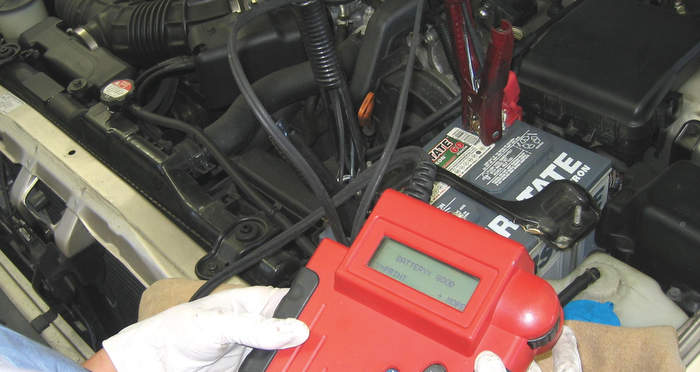
If you are unsure about the cause of your battery issues or suspect a problem with your car’s charging system, seek professional help. A mechanic can perform comprehensive diagnostics to identify the root cause and recommend appropriate repairs or replacements. They have specialized tools that provide a definitive diagnosis.
Understanding these critical steps ensures you’re prepared for any battery challenge.
Final Thoughts on Battery Health
Maintaining your car’s battery health does not require specialized tools. By observing visual cues, paying attention to your car’s performance, and performing simple DIY tests, you can accurately assess your battery’s condition in 2026. Early detection of a weak or failing battery can save you from inconvenient breakdowns and expensive repairs. Always remember to prioritize safety when inspecting or handling your car’s battery. Regular checks and informed actions empower you to keep your vehicle running smoothly.
Frequently Asked Questions About Battery Health
What Are the Most Obvious Signs of a Car Battery Going Bad?
The most obvious signs include slow engine cranking, dim headlights or interior lights, and a clicking sound when you try to start the car. You might also notice dashboard warning lights or issues with electrical components inside the vehicle, such as power windows moving slowly.
Can a Visual Inspection Truly Tell Me If My Car Battery Is Failing?
Yes, a visual inspection can reveal significant problems like a swollen battery case, heavy corrosion on terminals, or signs of fluid leaks. These are strong indicators of battery failure or damage that requires immediate attention and often replacement.
How Long Do Car Batteries Typically Last?
Car batteries generally last between three to five years, depending on factors like climate, driving habits, and maintenance. Extreme temperatures, frequent short trips, and neglect can significantly reduce a battery’s lifespan. Regularly checking its age helps with preventative maintenance.
Is It Bad to Let My Car Battery Go Completely Dead?
Repeatedly letting your car battery go completely dead can significantly shorten its lifespan. Deep discharges can cause sulfation, where lead sulfate crystals build up on the battery plates, reducing its capacity and overall performance over time.
When Should I Consider Replacing My Car Battery Even If It Still Works?
You should consider replacing your car battery if it is over five years old, struggles to hold a charge, or shows any signs of physical damage, even if it occasionally starts your car. Proactive replacement prevents unexpected breakdowns and ensures reliable vehicle operation.