How Long to Leave Jumper Cables On a Dead Battery for Best Results
Last Updated on September 1, 2026 by Ryan
For most dead batteries, leave jumper cables connected for 5-15 minutes to allow the dead battery to receive sufficient charge. Factors like how deeply discharged the battery is and the health of the donor battery can influence this duration. Always follow proper connection and disconnection procedures for safety and optimal results.
🎯 Key Takeaways


- Leave cables 5-15 minutes for typical dead batteries.
- Deeply discharged batteries may require longer connection times.
- Safely disconnect cables in the reverse order of connection.
- Run jumped car for 20-30 minutes immediately afterward.
- Prioritize safety:wear eye protection and avoid sparks.
When your car battery dies, knowing the proper technique for a jump start is crucial, but equally important is understanding how long to leave the jumper cables connected. The quick answer is generally 5 to 15 minutes. This timeframe is crucial for allowing enough charge to transfer from the donor vehicle to your dead battery, enabling your engine to crank over and start. Going too short might leave your battery with insufficient power, while an excessively long connection isn’t typically necessary and doesn’t significantly speed up the process.

Getting this duration right ensures a successful jump start without overstressing either vehicle’s electrical system. It’s not just about connecting the cables; it’s about giving your battery a critical window to receive enough surface charge to get going. The exact time depends on several factors, primarily how deeply discharged your battery is and the conditions you’re operating under, such as cold weather.
Understanding the Ideal Jumper Cable Connection Time


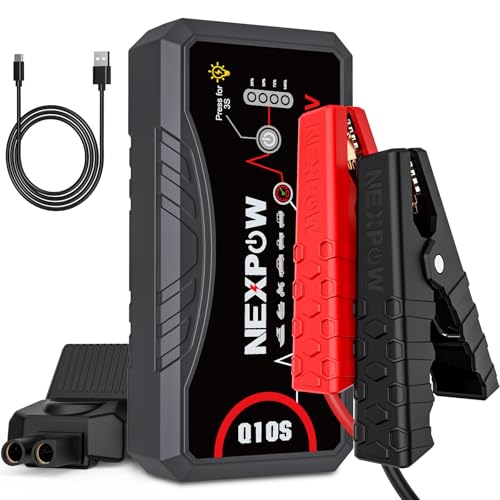
The Recommended Range
For most jump-starting situations, you should aim to leave the jumper cables connected for between 5 to 15 minutes. This range isn’t arbitrary; it represents the sweet spot for transferring enough energy to give your dead battery the initial boost it needs. The goal here isn’t to fully recharge your battery – that process takes much longer – but rather to supply enough voltage and current for your starter motor to engage and your engine to fire up. For instance, if you simply left your headlights on for an hour, a shorter connection of 5-7 minutes might be sufficient. However, if your battery has been completely dead for an extended period, perhaps overnight or longer, leaning towards the 10-15 minute mark, or even slightly more, will be more effective. Paying attention to this duration prevents repeated jump attempts and ensures a more successful first try.

What Happens During This Time
During the 5 to 15 minutes the jumper cables are connected, a critical energy transfer takes place. The running engine of the donor vehicle powers its alternator, which then generates electricity. This electricity charges the donor vehicle’s own battery, but crucially, it also flows through the jumper cables to your dead battery. Your dead battery begins to accept a “surface charge,” meaning its voltage gradually increases to a usable level. This process isn’t a rapid full charge; instead, it’s a targeted effort to restore just enough electrical potential for your starter motor to crank your engine. Think of it as waking up your battery, not fully reviving it from a coma. This gradual charging protects both vehicles’ electrical systems from sudden surges and allows your battery to slowly warm up and become receptive to the incoming current.
Factors Influencing Jumper Cable Duration


How Battery Condition Affects Time
The state of your dead battery is the most significant factor in determining connection time. A slightly drained battery, perhaps from leaving your interior lights on for a short time, will require less connection time, usually around 5-7 minutes. It still holds some residual charge and only needs a small boost. On the other hand, a completely dead battery that has been flat for days or weeks (e.g., after leaving a dome light on during vacation) will demand a longer connection, typically 10-15 minutes, or even up to 20 minutes in some cases. A deeply discharged battery needs more time to build up sufficient voltage to start the engine. Additionally, cold weather greatly impacts battery performance; freezing temperatures reduce the battery’s chemical efficiency, meaning it accepts a charge slower. In such conditions, adding a few extra minutes (e.g., 10-20 minutes total) to the connection time is a wise move. Finally, an older battery (over 3-5 years) may take longer to accept a charge, or might not hold it well, requiring the longer end of the recommended range.
The Role of the Donor Vehicle
The donor vehicle plays an active role in the jump-starting process and influences how long you need to keep the cables connected. For optimal charge transfer, the donor vehicle’s engine should be running, ideally at a slightly elevated idle. Keeping the RPMs around 1500-2000 ensures its alternator is working efficiently and providing a robust output to both its own battery and your dead one. A larger, more powerful donor vehicle with a robust alternator might seem to jump-start faster, but the core timeframes for your dead battery to accept a usable charge generally remain consistent. What’s more critical is that the donor vehicle itself is in good working order with a healthy battery and alternator. Never attempt to jump-start your vehicle from a car that is significantly smaller or whose battery is already struggling, as this could strain the donor vehicle’s electrical system, potentially causing damage to its alternator or battery. A stable, consistent power supply from the donor is key to achieving a successful jump within the recommended duration.
Post-Jump Start Actions and Battery Recharging
Ensuring a Solid Charge Post-Jump
Once your engine roars to life, don’t just shut it off immediately. The initial boost from the donor car is just that – a boost. Your vehicle’s alternator now needs time to pump some juice back into your weakened battery. While your car is running, the alternator is working to replenish the battery’s charge. However, just letting it idle isn’t the most efficient way. Driving for at least 20-30 minutes allows the alternator to operate at higher RPMs, generating a more robust charge. Think of it like a sprint versus a slow walk – the sprint gets the job done faster and more effectively. During this period, avoid turning on power-hungry accessories like seat heaters, rear defrosters, or high-beam headlights, as they divert power away from the battery’s recharging process.
Beyond the Jump: Recharging and Battery Health
While driving is a good initial step, it might not fully recharge a severely depleted battery, especially if it was completely flat for an extended period. For optimal battery health and longevity, consider connecting your battery to a dedicated trickle charger or battery maintainer once you get home. These intelligent devices provide a slow, steady charge over several hours or days, ensuring the battery reaches its full capacity without any risk of overcharging. This is particularly beneficial for vehicles driven infrequently or stored for long periods. Pay close attention to your battery terminals as well. Corrosion can impede charging and lead to further starting issues, so clean them regularly if you notice any build-up. If your car struggles to start the very next day, or if dashboard lights flicker, it’s a strong indication that your battery might be at the end of its life.
Safety Considerations and Troubleshooting Tips
Jumper Cable Safety Essentials
Before you even touch your jumper cables, take a moment to inspect them. Look for frayed wires, cracked insulation, or corroded clamps. Damaged cables are not only inefficient but can also pose a significant fire or electrical shock hazard. Always ensure both vehicles are turned off and in park/neutral with the parking brake engaged before making any connections. This crucial step prevents accidental movement and minimizes the risk of electrical surges damaging sensitive vehicle electronics. Wear protective gloves and safety glasses if available to shield yourself from potential sparks or battery acid exposure. Remember the sequence: positive to positive, then negative to a good ground on the dead car’s engine block or chassis (away from the battery), and finally, the last negative clamp to the negative terminal on the donor battery. This sequence helps prevent sparking near the battery’s explosive hydrogen gas.
Troubleshooting Common No-Start Scenarios
If, after a solid charging period, your car still refuses to spring to life, don’t immediately assume the worst. A common culprit is often a poor connection – ensure the clamps are firmly attached to clean, uncorroded metal terminals on both ends. Sometimes, simply wiggling the clamps can re-establish a connection. Listen carefully when you try to start the car. A rapid, machine-gun-like clicking sound usually indicates a severely discharged battery that hasn’t taken enough charge, or a failing starter solenoid that isn’t receiving enough power. If you hear absolutely nothing, it could point to a completely dead battery that’s beyond revival, a major electrical fuse that has blown, or a faulty starter motor. If you notice smoke, sparks, or a burning smell, immediately disconnect the cables and investigate. Persistent issues or a total lack of response after multiple attempts warrant professional attention. A mechanic can accurately diagnose whether the problem lies with the battery, alternator, starter, or another component of your vehicle’s complex electrical system, saving you further frustration and potential damage.
Conclusion
Knowing the optimal time to leave jumper cables connected – usually 5-10 minutes for charging and then a minute or two with the donor car running – is key to a successful jump start. Remember that the goal isn’t just to get your car running, but to give your battery a fighting chance to recharge. Post-jump, aim for a good 20-30 minute drive to let your alternator do its job. Always prioritize safety: check connections, wear protection, and understand the proper sequence. If your car repeatedly struggles to start or if a jump doesn’t work, it’s a clear sign to investigate further. Consider investing in a quality battery maintainer or getting your battery professionally tested. Taking proactive steps ensures you’re prepared for unexpected battery issues and keeps you moving safely on the road.
❓ Frequently Asked Questions
Why is 5-15 minutes the recommended time for jumper cables?
This duration allows the discharged battery to absorb enough current from the donor vehicle’s alternator to achieve a minimal starting charge. It balances effective charging with avoiding excessive strain on the donor vehicle’s electrical system.

Does the depth of battery discharge affect how long cables should stay connected?
Absolutely. A completely dead battery, especially one that has been dead for a while, will require a longer connection time, possibly 15-20 minutes or more, compared to a merely drained battery that just needs a boost.
What are the risks of leaving jumper cables on for too short or too long a period?
Too short a time means the dead battery won’t get enough charge to start the car, leading to frustration and repeated attempts. Leaving them on too long risks overcharging the recipient battery (though rare with modern alternators) or unnecessarily draining the donor battery.
What should I do immediately after the dead car starts and before disconnecting the cables?
Once the dead car starts, let both vehicles run for a minute or two with the cables still connected. Then, carefully disconnect the jumper cables in the reverse order of connection: negative on jumped car first, then negative on donor, then positive on donor, then positive on jumped.
Can a very cold temperature impact how long I need to leave jumper cables on?
Yes, cold temperatures significantly reduce battery efficiency and increase engine resistance, meaning a dead battery in cold weather might require a longer connection time, perhaps up to 20 minutes, for a successful jump start.
What if the donor car isn’t very powerful; does that change the duration?
A less powerful donor car or a smaller engine might not deliver as much charge as quickly. In such cases, it’s advisable to extend the connection time closer to the upper end of the recommended range (10-15 minutes) to ensure sufficient charge transfer.