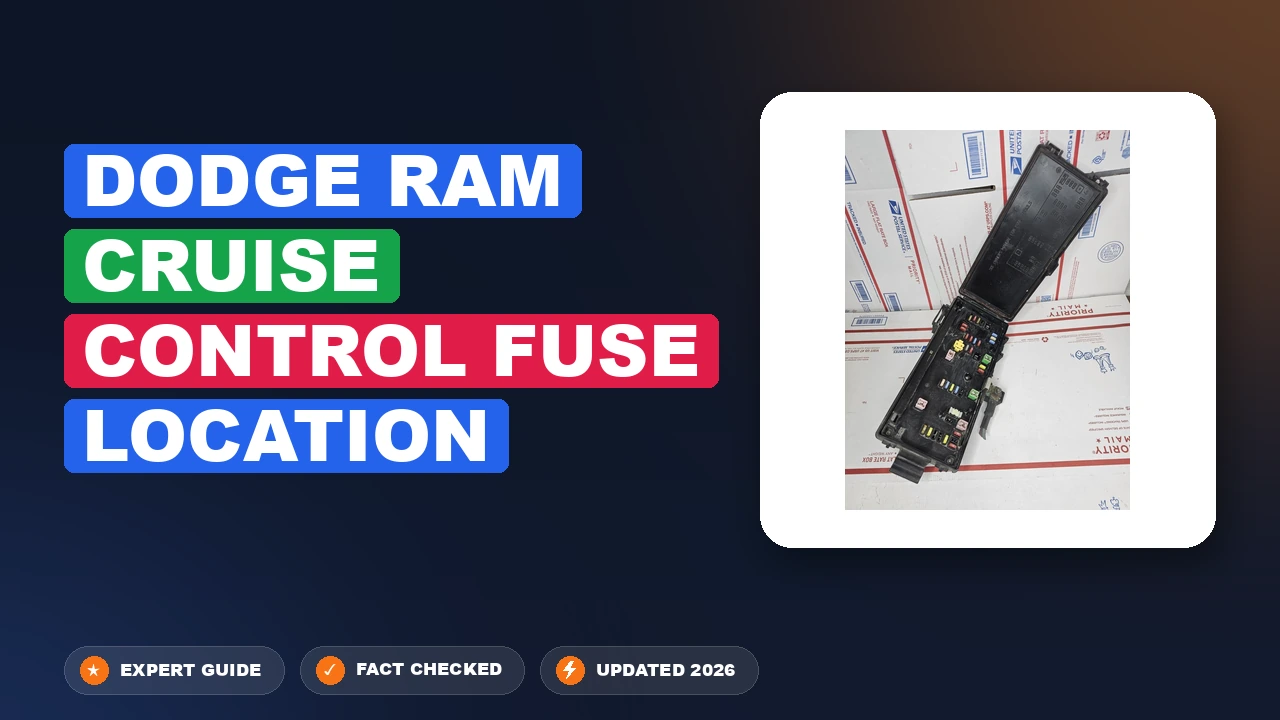
Dodge Ram Cruise Control Fuse Location Mapped Out
Is your Dodge Ram cruise control refusing to engage at highway speeds, leaving you with a tired foot? It is a common frustration for many owners. Drivers often search for the elusive cruise control fuse, only to find that replacing it doesn’t always solve the problem. In this guide, we will pinpoint exactly where the fuse is located and provide the diagnostic steps you need to get your system back on track safely.
Understanding the Dodge Ram Cruise Control Fuse Location



📤 Share Image
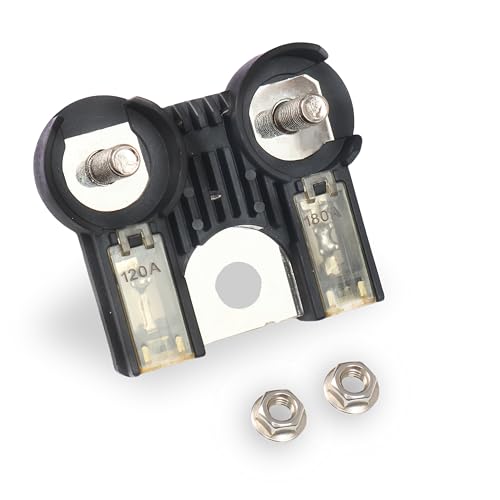
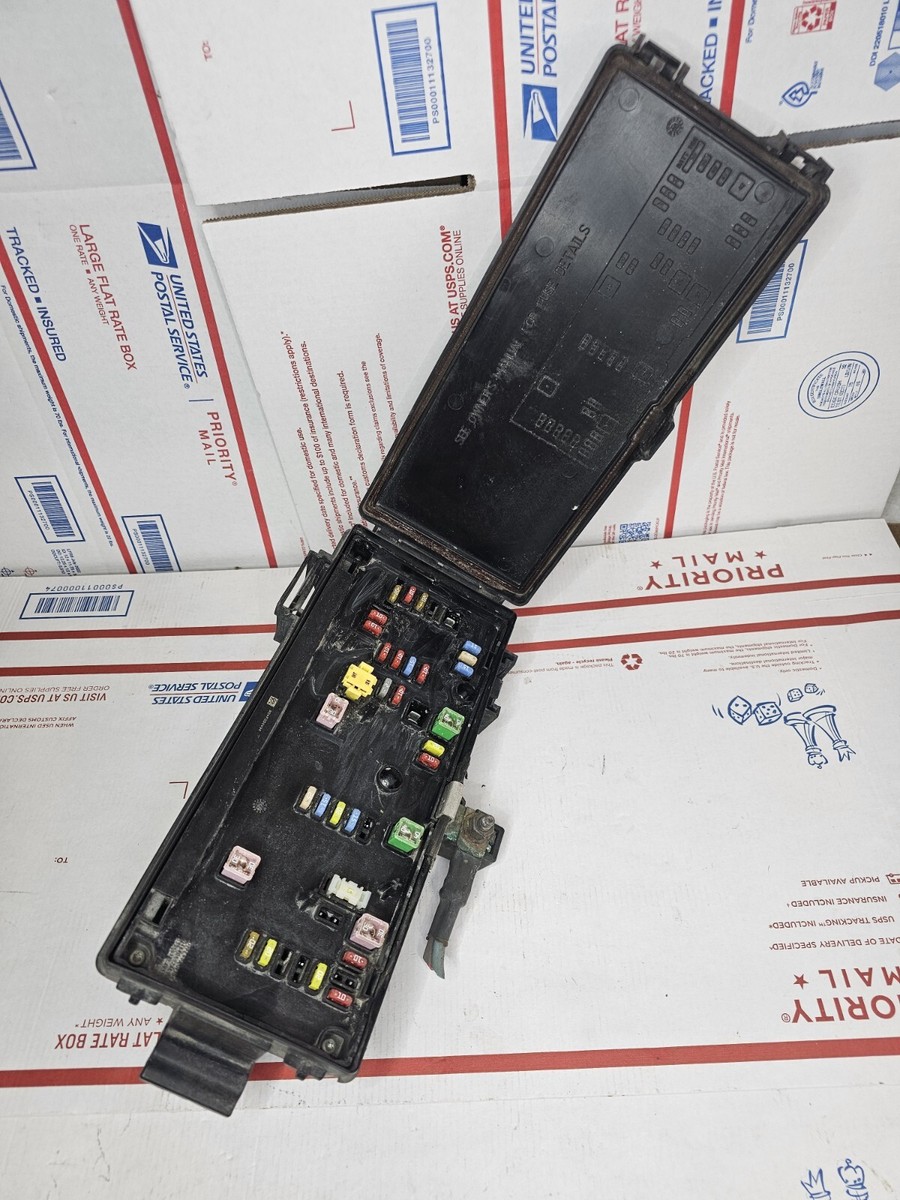
To effectively troubleshoot your vehicle, you must first understand the electrical architecture. Modern Ram trucks utilize an Integrated Power Module (IPM) or a Totally Integrated Power Module (TIPM). These modules act as the central distribution hub for the vehicle’s electrical power, replacing traditional fuse blocks scattered throughout the cab. Because the cruise control circuit is highly sensitive, it is almost always protected by a dedicated circuit within these modules.
What the Integrated Power Module Controls
The IPM serves as the nerve center for your truck. It houses the relays and fuses for everything from the cooling fans to the powertrain control module. The cruise control function relies on a path that links the steering wheel switches, the Powertrain Control Module (PCM), and the brake light switch. If the specific fuse managing this pathway is compromised, the system will effectively go “dark.” It is vital to remember that a 2015 Ram 1500 layout is significantly more digitized than a 2005 model, where the cruise control relied on a vacuum-actuated servo. Always check the diagram on the underside of your fuse box lid, as this is the definitive map for your specific trim level.

Why Your Truck Uses Specific Fuse Amperages
Fuse protection is about fire prevention and component safety. Cruise control circuits typically pull between 10 and 25 Amps, depending on the engine configuration and model year. These circuits use Mini or Micro blade fuses because their fast-acting filaments are designed to snap instantly during a voltage spike or short circuit. If you find a fuse that has been “jumped” or replaced with a higher amperage rating, you are at significant risk of melting the wiring harness or damaging the expensive TIPM unit itself.
By The Numbers: System Reliability
Standard Fuse Rating
Failure Rate (External Factors)
How to Find and Inspect the Dodge Ram Cruise Control Fuse

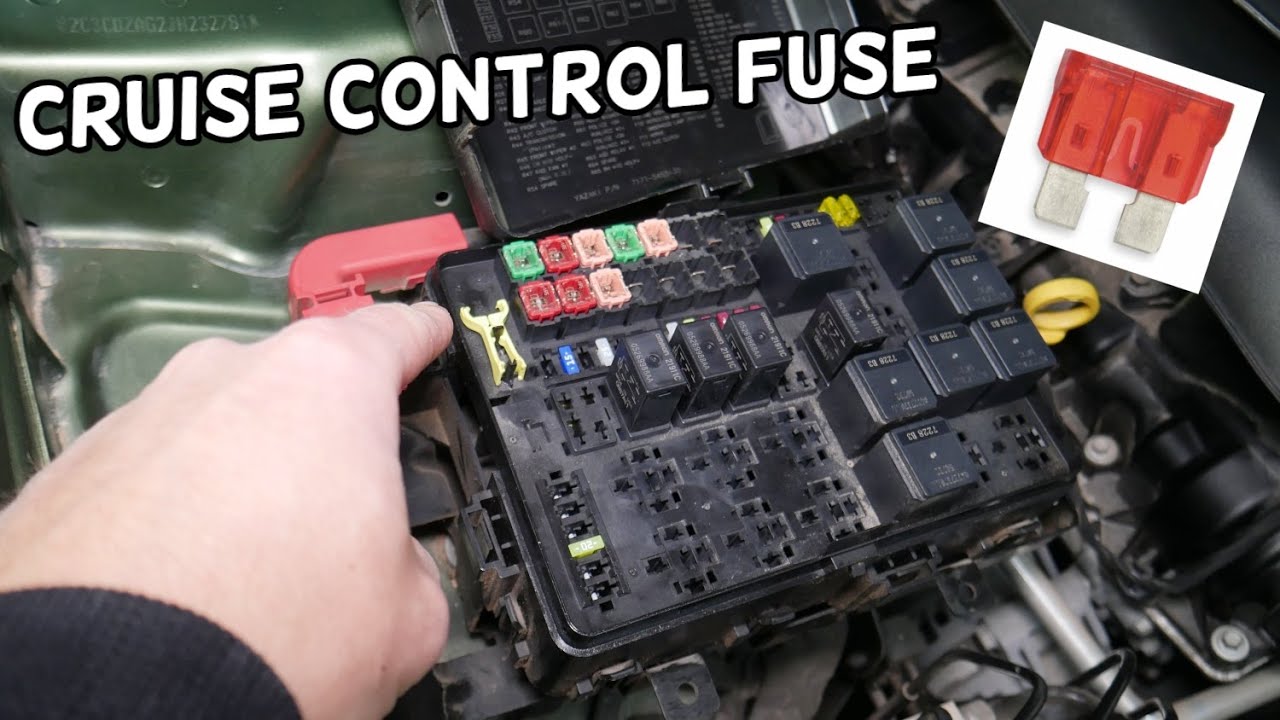
Locating the fuse is a straightforward process if you know where to look. In most Ram trucks, the fuse box is located in the engine compartment, usually on the driver’s side near the firewall. In some older generations, there may be a secondary fuse block located in the cabin, behind a removable panel near the driver’s left knee.
📋
Step-by-Step Guide


Ensure the ignition is in the ‘OFF’ position. Removing a fuse while the electrical system is active can lead to localized arcing or computer code errors.
Pop the hood and locate the black box labeled ‘Power Distribution Center.’ Use the pull-tabs to remove the lid. The underside map will highlight the ‘CRUISE’ or ‘SPEED CONTROL’ fuse.
Identifying a Blown vs. Intact Fuse Circuit
Once you have identified the correct slot, use a dedicated fuse puller—found inside the fuse box—to extract the fuse gently. Avoid using needle-nose pliers if possible, as they can crush the plastic housing. Hold the fuse up to a light source. If the “u-shaped” metal wire inside the transparent plastic window is broken or if there is a dark, charred residue inside the housing, the fuse is blown. However, sometimes the filament breaks in a way that is hard to see. For absolute certainty, set your multimeter to the continuity (ohms) setting. If the meter beeps or reads near-zero resistance, the fuse is intact. If it shows “OL” or no reading, the fuse is dead.
Common Symptoms: Blown Fuse vs. Failed Cruise System
A blown fuse is often a symptom, not the root cause. If you replace the fuse and it blows again immediately, you have a short circuit to ground. Before assuming the worst, check your peripheral systems.
Brake Light Switch and Cruise Disengagement
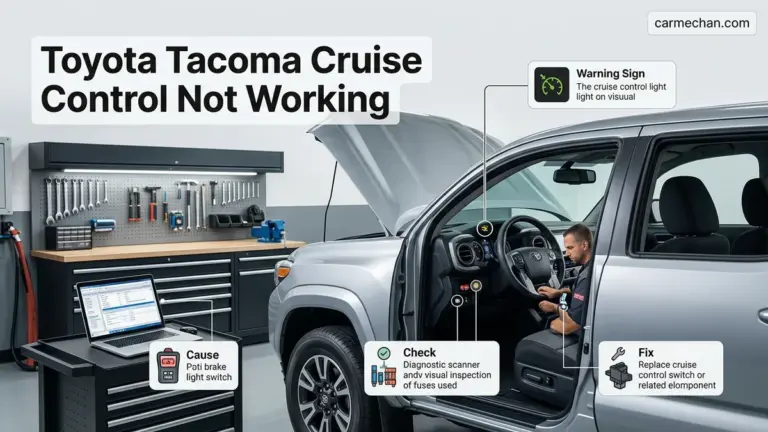
The cruise control system is hardwired to disengage the moment it receives a signal that the brakes are applied. If your brake light switch is stuck or failing, the cruise control computer receives a constant signal that the brake pedal is depressed, effectively locking the system out. If you notice your third brake light failing alongside your cruise control, the switch at the pedal assembly is likely your culprit.
Clock Spring and Steering Wheel Interface Issues
In many Ram trucks, the steering wheel controls communicate through a device called the clock spring. This is a ribbon-cable assembly that allows the steering wheel to rotate while maintaining electrical connection. If your cruise control works only when the wheel is turned to a specific angle, or if your horn and airbag light are also acting up, the clock spring is likely damaged or worn.
Advanced Troubleshooting for Dodge Ram Electrical Circuits
When the fuse is confirmed to be healthy, the issue moves into the realm of diagnostics. Probing the system requires a structured approach to avoid creating new problems.
Never probe the back of the airbag module connector or attempt to bypass safety sensors. Always disconnect the battery negative terminal before working on internal wiring harnesses to prevent accidental deployment or module frying.
Safe Multimeter Usage on Ram Circuits
When checking for power, connect your multimeter’s negative lead to a solid metal chassis ground—avoid using the negative battery terminal if you can help it, as this can sometimes introduce interference. Probe the back of the harness connector that leads to the cruise control module. You are looking for a steady 12-volt signal when the ignition is in the ‘ON’ position. If voltage is present at the module but the system still fails, the internal relay within the module or the cruise control switch itself is likely faulty.
Detecting a Short to Ground in the System
If a fuse blows repeatedly, you have a short. To find it, remove the suspect fuse and connect your multimeter (set to continuity) between the “load” side of the fuse terminal and a clean chassis ground. If the meter shows continuity (a steady tone), there is a short in that specific circuit. You must then perform a “wiggle test” on the wire harnesses along the engine bay. Watch the meter as you move the wires; when the tone stops, you have found the point of chafing or heat damage.
Terminal corrosion is a hidden killer of electrical systems. Use a high-quality electrical contact cleaner on your fuse block terminals if you notice any greenish or white crust. This simple maintenance step is often the key to restoring reliable electrical contact.
The cruise control system in your Dodge Ram is a complex piece of engineering that relies on consistent power distribution. The cruise control fuse is typically found in the main Integrated Power Module (IPM) and is the first place you should look when experiencing a system outage. However, remember that visual inspection is only the first step. If the fuse is intact, you must branch out your search to include the brake light switch and the clock spring. If these diagnostic steps do not resolve your issue, it is time to consult a local, trusted mechanic to test for deeper module-level failures or hidden wiring shorts. Taking your time with these electrical tests will save you from unnecessary part replacements and get your cruise control back to peak performance.
Dodge Ram Cruise Control Fuse Location: Frequently Asked Questions
Where is the fuse box located on a Dodge Ram?
In most Dodge Ram trucks, the primary fuse box, known as the Power Distribution Center (PDC), is located in the engine compartment on the driver’s side, usually mounted near the fender or firewall. Some models may have a secondary fuse box located behind a panel on the side of the instrument panel, accessible when the driver’s door is open.
Why does my cruise control stop working intermittently?
Intermittent cruise control failure is often caused by a loose fuse, a failing brake pedal position switch, or vibrations affecting the steering wheel clock spring. In some cases, faulty brake light bulbs or moisture within the trailer tow connector can also trigger the vehicle’s computer to disable the cruise control system as a precautionary safety measure.
Does the cruise control share a fuse with other components?
Yes, cruise control systems often share a circuit with other non-essential items, such as the horn, interior lighting, or auxiliary power outlets. Because these circuits are grouped together, if your horn or other accessories stop working simultaneously with your cruise control, a blown fuse is the most likely culprit behind the failure of multiple vehicle systems.
What should I do if the fuse is good but cruise still doesn’t work?
If the fuse is intact, check the brake light switch at the pedal, as it is a common point of failure. If that is functional, the issue may involve the steering wheel switch assembly, the clock spring, or a software glitch within the Engine Control Module (ECM). Consulting a nearby certified technician for a diagnostic scan is recommended to pinpoint the code.
Are there different fuse locations available for diesel versus gas models?
While the physical location of the Power Distribution Center remains consistent for most Dodge Ram models, the specific layout and pin assignments inside the fuse box can differ significantly between gasoline and diesel engines. Always rely on the legend printed on the underside of your specific truck’s fuse box cover, rather than general internet diagrams, to ensure you are checking the correct circuit.