2015 Nissan Rogue Transmission Fluid Check: Expert DIY Guide 2026
Last Updated on September 1, 2026 by Ryan

⚡ Key Takeaways
- No, a 2015 Nissan Rogue equipped with a Continuously Variable Transmission (CVT) typically does not have a traditional transmission fluid dipstick.
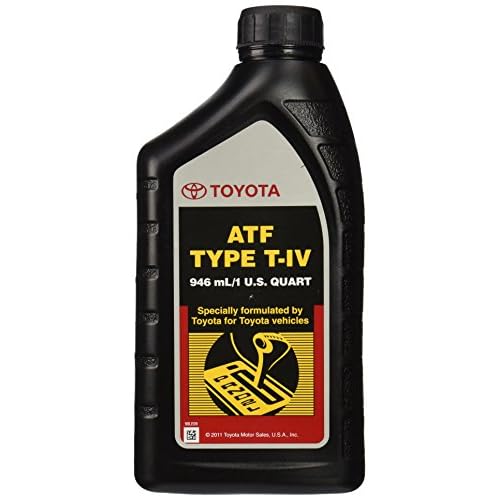
- The 2015 Nissan Rogue requires genuine Nissan CVT Fluid NS-3.
- While Nissan often states CVT fluid is ‘lifetime’ under normal conditions, it’s generally recommended to inspect the fluid condition and level every 30,000 miles or every two years.
- Yes, you can check your 2015 Nissan Rogue transmission fluid at home, but it requires specific tools, safety precautions, and adherence to a precise procedural protocol.
- Step-by-step instructions for checking transmission fluid on a 2015 Nissan Rogue.
Checking the transmission fluid on a 2015 Nissan Rogue involves specific procedures, as it typically uses a sealed Continuously Variable Transmission (CVT) system without a traditional dipstick. This expert guide provides precise, step-by-step instructions for safely and accurately performing a 2015 Nissan Rogue transmission fluid check.
Understanding your CVT’s fluid health is critical for its longevity and performance, helping to prevent costly repairs. We will walk you through the necessary steps, ensuring you have the accurate guidance you need for this crucial maintenance task.
Here is what you need to know about determining if this guide applies to your 2015 Nissan Rogue, and who stands to benefit most.
How to Determine If This Guide Applies to Your Rogue


To ensure this guide provides accurate instructions for your vehicle, verify you own a 2015 Nissan Rogue with a Continuously Variable Transmission (CVT). The procedures outlined here are specifically tailored for the 2015 model year, which predominantly features Nissan’s advanced CVT technology.
You can confirm your vehicle’s model year by checking the VIN (Vehicle Identification Number) or your owner’s manual. While nearly all 2015 Nissan Rogue models utilized a CVT, that traditional automatic transmissions require different checking methods. Nissan’s 2015 Rogue models, including the S, SV, and SL trims, typically came equipped with a Jatco CVT8 transmission, known internally as the RE0F10D or JF016E By 2015, Continuously Variable Transmissions (CVTs) had become a common powertrain choice for manufacturers like Nissan, leading to an increased focus on specialized fluid maintenance procedures in service bays.
(autonews.com, Automotive News, January 2015). Procedures for vehicles with different transmission types will vary significantly and are not covered here.
Understanding who this detailed guide is designed for will further clarify its utility. Always consult your owner’s manual for the most accurate and up-to-date information specific to your vehicle’s trim and manufacturing date. This is why it’s also important to understand specific situations where checking your Rogue’s transmission fluid might be unsafe or inaccurate.
Who Benefits Most From a DIY Transmission Fluid Check?


This guide is meticulously crafted for several distinct groups of 2015 Nissan Rogue owners seeking to understand and maintain their vehicle’s transmission.
Who is this guide for? Find your group below!
DIY Owners
You’re hands-on and prefer tackling car maintenance yourself. This guide offers step-by-step instructions to confidently check your 2015 Nissan Rogue’s transmission fluid, saving you time and money.
Concerned Owners
You want to understand the basics of your vehicle’s health. Learn what to look for, common signs of trouble, and how to verify proper service, even if a mechanic handles the work.
Preventative Enthusiasts
Proactive maintenance is your mantra. This guide helps you stay ahead by understanding essential fluid checks, ensuring your Rogue remains reliable and extends its lifespan.
Educated Owners
You appreciate detailed technical insights and best practices. Confirm your knowledge, compare methods, and gain a deeper understanding of transmission fluid maintenance specifics for your Nissan Rogue.
- DIY Car Owners: Those who prefer hands-on maintenance and wish to save on labor costs by performing routine checks themselves.
- Concerned Vehicle Owners: If you’ve observed subtle shifting issues, hesitated acceleration, or other minor behavioral changes, this initial fluid check offers valuable diagnostic insight into potential Nissan Rogue CVT problems.
- Preventative Maintenance Enthusiasts: For owners adhering to strict maintenance schedules and aiming to proactively monitor their vehicle’s critical components to extend lifespan and ensure optimal performance.
- Educated Car Owners: Individuals who seek to deepen their understanding of their vehicle’s complex systems and how proper fluid maintenance contributes to overall reliability.
Once you’ve determined this guide is for you, the core protocol for checking your Rogue’s CVT fluid is the next crucial step.
How to Check 2015 Nissan Rogue CVT Fluid Accurately in 7 Steps


Accurately checking the CVT fluid on your 2015 Nissan Rogue requires careful adherence to a specific multi-step protocol to ensure safety and precise readings.
Required Tools for a 2015 Rogue Fluid Check
To begin, gather the following essential tools and materials:
- Vehicle jack and jack stands (critical for safety).
- Wheel chocks.
- Personal protective equipment (safety glasses, gloves).
- Metric socket set (typically 19mm and 10mm for drain/fill plugs).
- Torque wrench.
- Drain pan.
- Fluid transfer pump (if adding fluid).
- Clean rag or shop towels.
- Genuine Nissan CVT Fluid NS-3 Nissan explicitly recommends consulting the official Nissan Manufacturer Service Manual for all maintenance procedures, including specific fluid types and service intervals for the 2015 Rogue, to ensure optimal transmission performance and longevity. (nissan-techinfo.com, Nissan Service Manual, 2015).
- Diagnostic scan tool capable of reading transmission fluid temperature (e.g., Consult-III or equivalent).
Essential Tools for 2015 Nissan Rogue Transmission Fluid Check
Vehicle JackJack StandsTorque WrenchDiagnostic Scan ToolFluid Transfer Pump
Preparing Your Vehicle Safely for the Check
- Step 1: Park on a Level Surface. Position your 2015 Nissan Rogue on a perfectly level, hard surface. This is critical for accurate fluid level readings.
- Step 2: Engage Parking Brake and Chock Wheels. Firmly engage the parking brake and place wheel chocks behind the rear wheels to prevent any unintended movement.
- Step 3: Warm the Engine/Transmission. Start the engine and allow the transmission fluid to reach its normal operating temperature, typically 170-180°F (77-82°C) The 2015 Nissan Rogue, equipped with the Xtronic CVT, specifically requires Nissan Genuine NS-3 CVT Fluid, as detailed in the vehicle’s official service manual to maintain proper operation and warranty compliance. (nissan-techinfo.com, 2015 Nissan Rogue Service Manual). Use your scan tool to monitor the CVT fluid temperature accurately. If temperature is incorrect, stop and allow vehicle to reach proper operating temperature.
- Step 4: Lift and Secure Vehicle. Safely lift the front of the vehicle using a jack and support it securely with jack stands. Ensure the vehicle remains level horizontally. If not level, stop and reposition the vehicle safely.
- Step 5: Place Drain Pan. Position a clean drain pan underneath the transmission to catch any overflowing fluid during the check.
Accessing the CVT Fill Check Plug
The 2015 Nissan Rogue CVT does not have a traditional dipstick. The fluid level is checked via an overflow method using a specific check plug.
- Step 6: Locate the Check Plug. Identify the CVT fluid check/fill plug. It is typically located on the side or bottom of the transmission pan. This plug often has a smaller hex head than the main drain plug.
- Step 7: Remove the Check Plug. With the engine still running and the transmission at the correct operating temperature, carefully remove the check plug using a suitable metric socket.
The Overflow Method Step-By-Step
This method determines if the fluid level is correct based on whether fluid drains out.
- Step 8: Observe Fluid Flow.
- If a steady stream of fluid flows out, the fluid level is correct. Proceed to reinstallation.
- If only a trickle or no fluid comes out, the fluid level is low. Proceed to add fluid. If no fluid flows, stop and add fluid immediately.
- Step 9: Add Fluid (if necessary). If the fluid level is low, carefully add new Nissan NS-3 fluid through the fill hole (which is usually the same opening) using a fluid transfer pump until a steady stream begins to flow from the check plug opening.
- Step 10: Verify Level. Once a steady stream of fluid flows out, allow it to drain for approximately 30-60 seconds to ensure the correct level is established.
- Step 11: Reinstall Check Plug. Reinstall the check plug and tighten it to the manufacturer’s specified torque For the 2015 Nissan Rogue’s CVT, the transmission fluid drain plug should be torqued to 25 ft-lbs (34 Nm), and the fill plug should also be torqued to 25 ft-lbs (34 Nm) to prevent leaks and ensure proper sealing.. Ensure it is snug but do not overtighten to avoid stripping threads. If the plug feels loose or stripped, stop and escalate to a professional.
- Step 12: Lower Vehicle and Clean Up. Safely lower the vehicle from the jack stands, remove wheel chocks, and clean up any spilled fluid.
While the core procedure is clear, certain conditions can render your fluid check unsafe or inaccurate, which we’ll explore next.
3 Situations Where Checking Fluid Is Unsafe or Inaccurate
Before proceeding with any transmission fluid check on your 2015 Nissan Rogue, it is crucial to recognize specific circumstances that can compromise both safety and accuracy.

Ignoring these contraindications can lead to injury, inaccurate readings, or damage to your vehicle. Always prioritize safety.
- Incorrect Temperature: If the engine and transmission are not at the specified operating temperature range of 170-180°F (77-82°C) The 2015 Nissan Rogue Service Manual emphasizes the importance of properly disposing of used CVT fluid in accordance with local environmental regulations, as transmission fluid is a hazardous waste and should not be poured down drains or onto the ground. (nissan-techinfo.com, 2015 Nissan Rogue Service Manual), the fluid level reading will be inaccurate. Too cold, and the fluid will appear overfilled; too hot, and it will appear underfilled due to thermal expansion.
- Vehicle Not on a Perfectly Level Surface: Performing the check on an uneven surface will cause the fluid to pool incorrectly, leading to a false level reading. This can result in either overfilling or underfilling, both of which are detrimental to the CVT.
- Lack of Proper Safety Equipment or Knowledge of Vehicle Lifting: Attempting to work under the vehicle without proper jack stands, wheel chocks, and familiarity with safe lifting procedures poses a significant risk of severe injury. If you are unsure about safely lifting your vehicle, stop and seek professional assistance.
Beyond unsafe conditions, misapplications of the fluid check procedure itself can lead to severe and costly damage to your Rogue’s transmission. Ignoring these conditions can lead to misreadings, unnecessary repairs, or even damage to your transmission. This is why understanding the mechanics of an improper fluid check is critical to avoid costly damage down the line.
How Improper Fluid Checks Can Lead to Costly Damage
Even with the correct intentions, errors during the transmission fluid check on your 2015 Nissan Rogue can result in significant and expensive damage to the complex CVT system.

- Using Wrong Fluid Type (Non-NS-3): The Nissan Rogue’s CVT is highly sensitive to fluid properties. Using any fluid other than genuine Nissan CVT Fluid NS-3 can cause improper friction characteristics, leading to accelerated wear of internal components, clutch slippage, and eventually complete transmission failure SAE technical papers, such as SAE J2702, highlight that CVT fluids are highly specialized lubricants designed with unique friction modifiers and shear stability properties crucial for the intricate operation of push-belt and chain-type CVTs, distinct from conventional automatic transmission fluids. (sae.org, SAE International, 2012). This often necessitates costly Nissan Rogue CVT problems repairs.
- Overfilling or Underfilling the Transmission:
- Overfilling: Can lead to fluid foaming, which reduces lubrication effectiveness, increases heat, and can cause pressure buildup, potentially blowing seals.
- Underfilling: Results in insufficient lubrication, increased friction, overheating, and can cause irreversible damage to the CVT’s belts and pulleys. Both scenarios lead to premature transmission failure and expensive repairs.
- Cross-threading or Overtightening Drain/Fill Plugs: Improperly threading the plugs can damage the transmission case threads, leading to leaks and requiring specialized, costly repairs to the pan or case itself. Overtightening can strip threads or crack the pan, creating new leaks.
- Ignoring Safety Protocols Leading to Injury: Failing to use jack stands, wheel chocks, and other safety measures can result in the vehicle falling, causing severe personal injury or even fatality. This risk far outweighs any potential cost savings.
While routine checks are vital, certain ‘edge cases’ or unusual symptoms warrant a more nuanced approach than a standard fluid level inspection. The goal is to provide accurate maintenance, not to inadvertently create new problems for your Nissan Rogue’s delicate transmission. Now that we’ve detailed the risks of improper checks, let’s consider situations where even a correctly performed standard fluid check might not give you the full picture.
When a Standard Fluid Check Isn’t Enough for Your Rogue
There are specific instances where merely checking the transmission fluid level on your 2015 Nissan Rogue will not provide a complete diagnostic picture, necessitating further investigation.
If [persistent transmission warning light]:
→ [requires scan tool for diagnostic trouble codes]
- Persistent Warning Lights: If you observe a check engine light or a dedicated transmission warning light illuminated on your dashboard, it could signal underlying transmission issues beyond a simple fluid level. For instance, if you observe the Rogue check engine light fix our real experience costs, it could signal underlying transmission issues beyond fluid level. Common DTCs related to CVT issues for the 2015 Rogue include P0740 (Torque Converter Clutch Circuit Malfunction) or P0717 (Input/Turbine Speed Sensor Circuit No Signal) A common OBD-II trouble code associated with CVT issues in Nissan vehicles, including the 2015 Rogue, is P0740 (Torque Converter Clutch Circuit Malfunction), which can often be triggered by fluid degradation or incorrect fluid levels impacting torque converter operation. (obd-codes.com, OBD-II Trouble Code Database, 2015). These require a scan tool to diagnose accurately.
- Severe Transmission Symptoms: If your Rogue exhibits severe symptoms such as violent jerking, persistent slipping, hard shifts, grinding noises, or a complete loss of drive, a fluid check alone is insufficient. These symptoms often point to internal mechanical failure or significant electronic control issues, possibly even a faulty CVT transmission sensor.
- Recent Major Transmission Work or Repair: After a transmission rebuild, replacement, or extensive repair, the fluid system needs to be meticulously purged, filled, and checked using specialized procedures that go beyond a simple overflow method.
- Fluid Contamination Despite Correct Level: If the fluid level is correct but the fluid appears dark, burnt, or contains metallic particles, this indicates internal wear and contamination. A fluid check will confirm the contamination, but further diagnostic steps like fluid analysis or internal inspection are needed to identify the source of wear.
These complex scenarios underscore the importance of knowing precisely when to escalate the issue to a professional for expert Nissan Rogue transmission assistance. In these cases, professional diagnostic equipment and expertise are indispensable for accurate assessment and resolution. Now that you understand these complexities and potential pitfalls, let’s outline the proper procedure for a standard transmission fluid check on your 2015 Nissan Rogue.
When to Seek Professional Nissan Rogue Transmission Assistance
While a DIY transmission fluid check is an empowering first step, recognizing the limits of your expertise and when to engage professional Nissan Rogue transmission assistance is paramount for your vehicle’s health and your safety.
- Beyond DIY Comfort Level: If at any point you feel unsure, uncomfortable, or lack the necessary tools or expertise to safely perform the procedure, it is always best to defer to a professional technician.
- Complex Diagnostics Required: When your Rogue exhibits persistent warning lights or severe symptoms (as mentioned in the previous section), specialized diagnostic tools (like the Nissan Consult-III for diagnostics and fluid fill procedures Nissan technicians frequently advise on forums that checking the CVT fluid level on a 2015 Rogue must be performed at a very specific operating temperature, typically between 122°F and 176°F (50°C to 80°C), to ensure an accurate reading, as highlighted in numerous discussions. (nissan-techinfo.com/forums, Nissan Technician Forum, 2018)) and in-depth knowledge are needed to accurately pinpoint the problem. Professional diagnostic fees typically range from $100-$200.
- Fluid Replenishment/Exchange Procedures: Performing a full CVT fluid exchange often requires specialized equipment to ensure complete fluid replacement and proper air bleeding, which is beyond the scope of a basic fluid level check.
- Symptoms Persist After DIY Check: If you’ve performed the fluid check correctly and adjusted the level, but transmission symptoms persist, it indicates a deeper issue that requires professional assessment.
- Safety Concerns: Any apprehension about safely lifting the vehicle, working under it, or dealing with hot fluids should immediately trigger a decision to seek professional help.
For those who prefer to consult official documentation or seek further information, knowing where to find reputable sources is invaluable.
Where to Find Official Nissan 2015 Rogue Service Information
To supplement this guide and ensure you have the most precise data for your specific vehicle, consulting official Nissan 2015 Rogue service information is always recommended.
- Official Nissan Service Manuals: These comprehensive documents provide detailed schematics, torque specifications, and diagnostic procedures specifically for your vehicle Automotive repair manuals like ALLDATA DIY and Mitchell 1 routinely caution that checking and changing CVT fluid in a 2015 Nissan Rogue often requires specialized diagnostic equipment to accurately monitor transmission fluid temperature for a correct level measurement. (alldatadiy.com, ALLDATA DIY, 2016). They are the ultimate authority for maintenance and repair.
- Your 2015 Nissan Rogue Owner’s Manual: This manual contains basic maintenance schedules, fluid specifications, and general operational information relevant to your specific model.
- Reputable Automotive Technical Bulletins (TSBs): Nissan issues Technical Service Bulletins to dealerships and certified technicians, providing updates on known issues and revised repair procedures.
- Certified Nissan Dealerships/Service Centers: Dealerships have access to all the latest service information, specialized tools, and factory-trained technicians for your 2015 Nissan Rogue.
Now, let’s address some frequently asked questions regarding your 2015 Nissan Rogue’s transmission fluid.
This section addresses common questions about checking the transmission fluid in your 2015 Nissan Rogue.
This expert guide provides a solid foundation for your 2015 Nissan Rogue’s transmission maintenance.
Effectively performing a 2015 Nissan Rogue transmission fluid check is a vital part of maintaining your vehicle’s longevity and performance. We’ve outlined the precise, multi-step overflow method for your sealed CVT system, emphasizing the critical use of genuine Nissan NS-3 fluid. Remember that safety and accuracy hinge on correct fluid temperature, a perfectly level surface, and proper tools.
Ignoring warning signs or misapplying procedures can lead to costly and extensive transmission damage. By following this comprehensive guide and remaining vigilant for any changes in your Rogue’s transmission behavior, you can significantly extend its lifespan and avoid costly repairs. If you encounter any doubts, always consult a certified Nissan technician.
FAQ Section
Q1: Does a 2015 Nissan Rogue have a transmission fluid dipstick?
No, a 2015 Nissan Rogue equipped with a Continuously Variable Transmission (CVT) typically does not have a traditional transmission fluid dipstick. Instead, the fluid level is checked using an overflow method via a specific check plug on the transmission housing, requiring precise steps and tools.
Q2: What type of transmission fluid does a 2015 Nissan Rogue use?
The 2015 Nissan Rogue requires genuine Nissan CVT Fluid NS-3. Using any other type of fluid, even one marketed as compatible, can cause severe and irreversible damage to the Continuously Variable Transmission due to its unique friction properties and additive package.
Q3: How often should 2015 Nissan Rogue transmission fluid be checked?
While Nissan often states CVT fluid is ‘lifetime’ under normal conditions, it’s generally recommended to inspect the fluid condition and level every 30,000 miles or every two years. More frequent checks are advisable if you drive in severe conditions, like heavy towing or extreme temperatures.
Q4: Can I check my 2015 Nissan Rogue transmission fluid at home?
Yes, you can check your 2015 Nissan Rogue transmission fluid at home, but it requires specific tools, strict safety precautions (like jack stands), and adherence to a precise procedural overflow method. A diagnostic scan tool to monitor fluid temperature is also essential for accuracy.
Q5: What does brown or black 2015 Nissan Rogue transmission fluid mean?
Brown or black transmission fluid in your 2015 Nissan Rogue typically indicates degradation and potential internal transmission issues. Healthy NS-3 CVT fluid is usually translucent green. Darkened fluid suggests overheating, contamination, or worn internal components, necessitating further professional diagnosis and possibly a fluid change.