Why Is My Car Making A Squeaking Noise Fix Car 2026
Last Updated on September 1, 2026 by Ryan
A car making a squeaking noise often indicates an issue with brakes, belts, or suspension components. Diagnosing the sound’s location and timing helps identify the root cause and determine if immediate repair is necessary.
If you are asking, why is my car making a squeaking noise, you are not alone; it’s a common complaint often signaling issues with brakes, belts, or suspension. This sound can range from a minor annoyance to an indicator of a serious safety concern. Understanding the source of the squeak is crucial for timely and effective repair.
Our guide helps you pinpoint the origin of the noise. We will assess its potential severity. This article also covers whether you can tackle it yourself or need professional assistance. This guide helps you pinpoint the source, assess its severity, and decide your next steps.
Key Takeaways
Recommended Best Deal Products


- Locate squeak to diagnose its source.
- Brakes, belts, suspension are common culprits.
- Some squeaks demand immediate attention.
- DIY fixes are possible for minor issues.
- Regular maintenance prevents many squeaks.
How to Pinpoint Your Car’s Squeak in 3 Steps
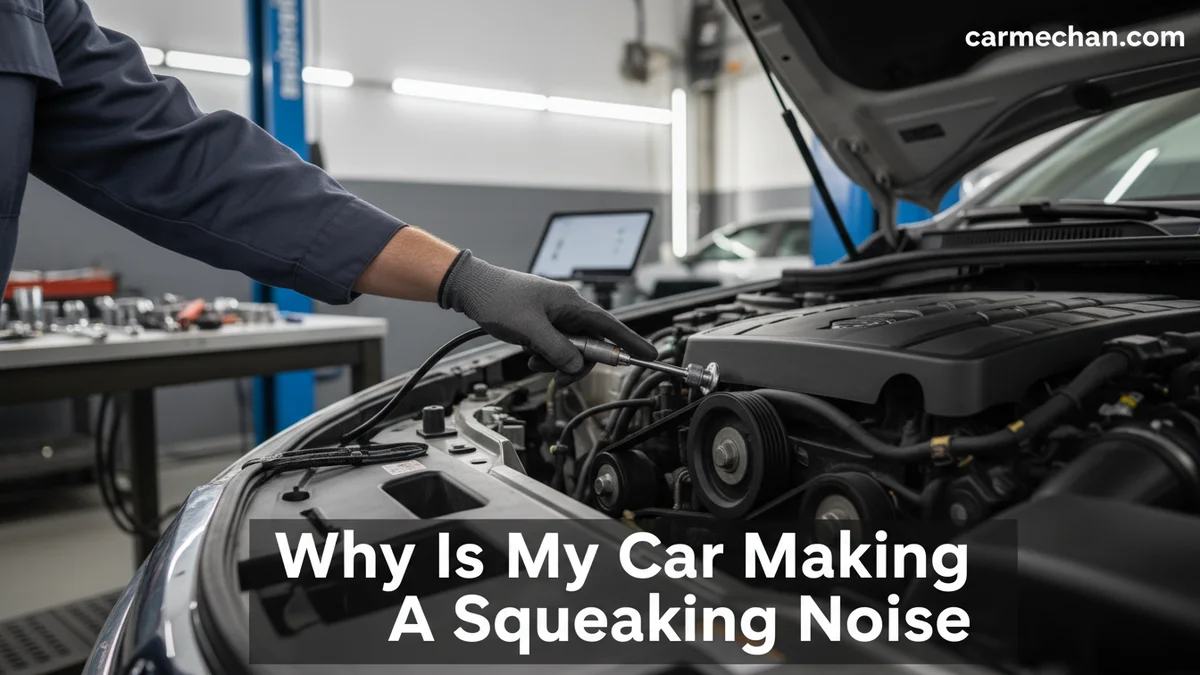
Begin your investigation by systematically observing when and where the squeaking noise occurs. This careful listening provides vital clues to its underlying cause. Precise observation saves diagnostic time.

Listen to When It Happens
Does the squeak happen constantly? Does it only occur when braking or turning? Listen for the exact moment the sound appears. Note if it changes with speed or temperature. Sometimes a car squeaks over bumps. Other times it may squeak when turning the steering wheel. This timing is a critical diagnostic factor.
Identify the Sound Location
Try to determine if the squeak comes from under the hood. Is it from one of the wheels? Perhaps it’s from the chassis area. Driving slowly in a quiet area with windows down can help. Ask a passenger to help pinpoint the location. This narrows down the components involved.
Describe the Squeak Type
Is the sound a high-pitched squeal? Does it resemble a dull groan or a metallic scrape? A loose belt often makes a high-pitched chirp. Worn brakes might produce a grinding squeal. Understanding the noise’s character is key. Different sounds point to different problems. Once you have a clearer picture of your car’s squeak, we can explore the common culprits that typically cause these sounds.
5 Common Engine Squeaks Under Your Hood
Recommended Best Deal Products
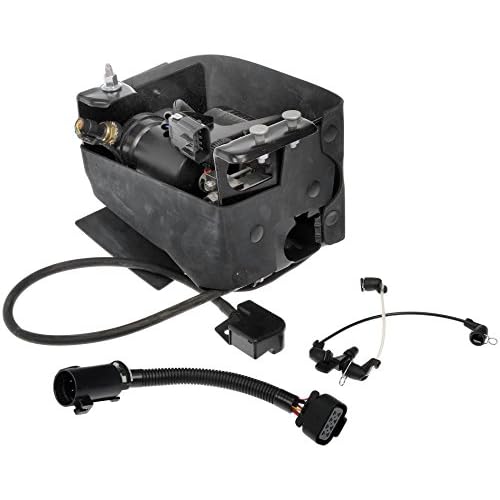

Many squeaking noises originating from under the hood often point to issues with your car’s belt system or accessory components. These sounds typically worsen with engine load or specific actions. Addressing them promptly prevents further damage.
Failing Serpentine Belt
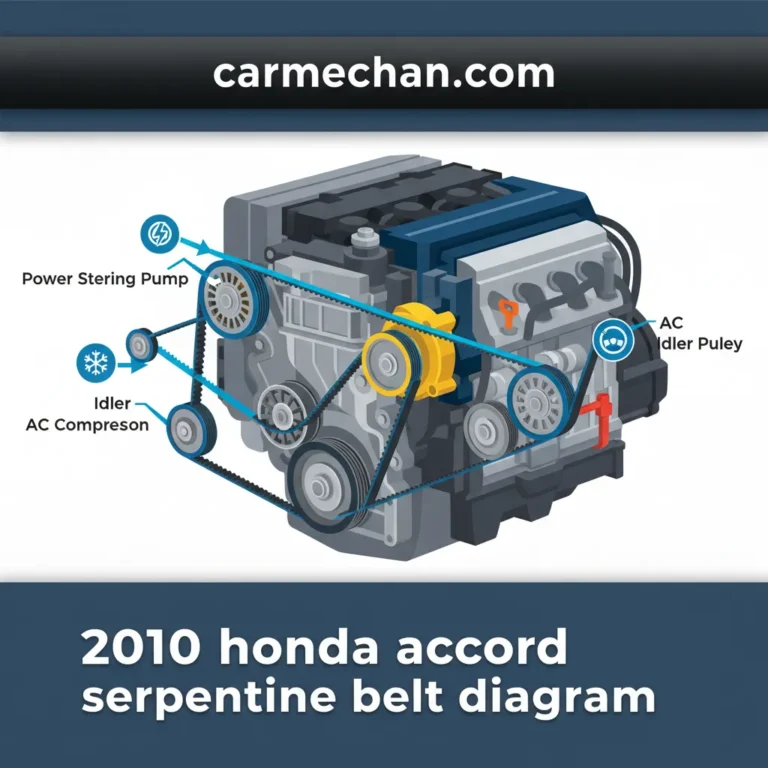
A high-pitched, continuous squeal often signals a worn or loose serpentine belt. This belt powers multiple accessories. It may also crack or fray over time. You might notice it most during cold starts. A failing belt could affect power steering or the alternator. Serpentine belts typically last between 50,000 and 100,000 miles .
Worn Tensioner Pulley
The tensioner pulley keeps the serpentine belt tight. A squeaking or grinding noise from this area suggests worn bearings within the pulley. This sound can be intermittent at first. It may become constant as the bearing deteriorates. A loose belt might also slip and squeak.
Noisy Power Steering
A whining or squealing sound when turning the steering wheel indicates a power steering issue. Low power steering fluid is a common cause. A failing power steering pump can also produce this noise. You might also notice stiffness in the steering. Symptoms beyond noise include a hard steering wheel, fluid leaks, or inconsistent power assistance .
Failing Alternator Bearing
The alternator charges your car’s battery. If its internal bearings wear out, they can produce a grinding or squealing sound. This noise typically comes from the alternator itself. It can be more noticeable when electrical accessories are running. A failing alternator can lead to battery drain.
Stressed AC Compressor
A squealing noise when you turn on your air conditioning could mean trouble for the AC compressor. The compressor’s clutch or bearings can wear out. This sound might be accompanied by reduced cooling efficiency. It will only occur when the AC is active. While under-hood noises are common, squeaks emanating from your car’s braking system demand equally careful attention.
What Do 3 Types of Brake Squeaks Mean
A squeaking noise during braking can range from a normal occurrence to a critical safety concern, depending on its specific characteristics. Recognizing these differences helps you react appropriately. It helps prevent unnecessary worry or delayed action.

New Brake Pad Squeal
It is normal for some new brake pads to squeak initially. This can be due to glazing on the rotor or pad material composition. Around 15% of new brake pads may exhibit some initial squeal . This usually dissipates after a few hundred miles. If it persists, ensure proper installation.
Worn Pad Indicators
Many brake pads have a built-in wear indicator. This metal tab produces a high-pitched squeal when the pads are low. This sound typically occurs while driving, not just braking. It usually stops once you apply the brakes. This is a critical warning. Replace worn pads immediately.
The typical minimum brake pad thickness for safety is around 3-4mm .
Rotor Issues
A squeak combined with a grinding or vibrating sensation indicates rotor problems. Warped or unevenly worn rotors can cause this. Rust or debris on the rotor surface can also lead to noise. Sometimes, machining or replacing rotors is necessary. This ensures proper braking performance.
Sticking Calipers
If a brake caliper sticks, it keeps the brake pad partially engaged. This can cause a continuous squeaking or grinding noise. It may also lead to uneven pad wear. You might notice your car pulling to one side. This issue requires immediate professional inspection. Beyond engine and brake noises, squeaking sounds that appear when driving over bumps or turning the steering wheel often point to suspension system components.
When Should You Worry About Suspension Squeaks
Squeaking that manifests when your car goes over bumps, turns, or experiences body roll often indicates issues within the suspension or steering system. These noises signal parts needing attention. Ignoring them can affect handling and safety.
Failing Ball Joints
Ball joints connect the wheels to the suspension. A persistent squeak or clunk when going over bumps or turning is a classic symptom of worn ball joints. This sound often worsens in colder weather. Untreated ball joint failure can lead to steering loss. Neglected suspension issues can compromise steering control and tire wear .
Worn Bushings
Rubber bushings cushion suspension components. Over time, they can dry out, crack, or wear down. This results in a squeaking or groaning sound over bumps. You might notice it more in wet weather as water temporarily lubricates them. Bushings typically last about 5-10 years .
Leaky Shocks Struts
Shocks and struts dampen vibrations. A squeaking noise accompanied by a bouncy ride indicates a problem. Leaky shocks or struts lose their fluid. This reduces their ability to absorb impact. You might also see visible fluid leaks. This affects ride comfort and vehicle stability.
Loose Tie Rod Ends
Tie rod ends are part of your steering system. A squeak or rattle from the front end, especially when turning, suggests loose or worn tie rod ends. This can also cause sloppy steering. It can also lead to uneven tire wear. Immediate inspection is vital for safe steering.
Bad Wheel Bearings
A humming or grinding noise that gets louder with speed can indicate a bad wheel bearing. While often a hum, a dry or failing bearing can sometimes squeak. This sound usually changes when you steer the car. It often intensifies when turning. A failing wheel bearing is a safety hazard.
Understanding the source of your car’s squeak is the first step; next, you need to decide whether it’s a quick DIY fix or a job for a professional mechanic.
DIY Fixes Versus Professional Repair Costs
Once you have identified the likely source of your car’s squeaking noise, your next decision involves choosing between a do-it-yourself repair or seeking professional assistance. Your mechanical skill level and the issue’s complexity guide this choice.
Simple DIY Lubes
Some squeaks are easily fixed with lubrication. Applying a silicone-based spray to door hinges or rubber bushings can quiet them. You can also clean brake dust from new pads. Use brake cleaner. Ensure you follow product instructions carefully. These are temporary solutions for minor issues.
When to Call a Mechanic
Serious squeaks involving brakes, steering, or suspension components often require professional expertise. If you are unsure of the diagnosis, consult a mechanic. Any noise affecting safety warrants professional attention. Do not delay these repairs. A professional diagnosis ensures correct repair.
Anticipate Repair Expenses
Costs vary widely depending on the component and your vehicle. Here are some average ranges for 2026:
- Serpentine Belt Replacement: Expect to pay between $100 and $250, including parts and labor .
- Brake Pad and Rotor Replacement: This can range from $300 to $700 per axle .
- Single Suspension Component (e.g., ball joint, bushing): Costs might be $200 to $600 per component, depending on complexity .
- Power Steering Pump: Budget $400-$800 for parts and labor.
- Wheel Bearing: Replacement often costs $300-$700 per wheel.
These are estimates; always get a quote. Beyond addressing current squeaks, proactive maintenance can significantly reduce the likelihood of these annoying noises returning.
7 Ways to Prevent Future Car Squeaks
Preventing future squeaking noises is often simpler and less costly than fixing them, primarily through consistent vehicle maintenance. Proactive care extends the lifespan of your vehicle’s components. It saves you money in the long run.
Prioritize Regular Lubrication
Lubricate moving parts like door hinges, hood latches, and suspension points. Use appropriate grease or silicone sprays. This prevents friction and corrosion. Regular lubrication reduces wear. It keeps components operating smoothly.
Inspect Belts and Pulleys
Periodically check your serpentine belt for cracks, fraying, or excessive wear. The general recommended interval for serpentine belt inspection is every 12,000 to 15,000 miles or annually . Ensure pulleys are free of play. Replace belts and tensioners as needed. This prevents common engine squeals.
Maintain Your Brake System
Have your brakes inspected regularly. Clean brake dust from calipers and rotors during tire rotations. Consider periodic brake fluid flushes for optimal system health . Replace worn pads and rotors promptly. This prevents most brake-related squeaks.
Regularly Check Suspension
Inspect suspension components for wear and tear. Look for cracked bushings, leaky shocks, or loose joints. Address any issues before they worsen. Early detection prevents expensive repairs. It also ensures a smoother, quieter ride.
Monitor All Fluid Levels
Check power steering fluid and brake fluid levels regularly. Low fluid can lead to squeaks. Top them off if necessary. Use the correct type of fluid for your vehicle. Proper fluid levels maintain system integrity.
Keep Tires Properly Inflated
Incorrect tire pressure can indirectly affect suspension components. This leads to premature wear and potential noises. Always maintain recommended tire pressure. Check it monthly. This ensures even wear and optimal performance.
Drive Mindfully
Avoid harsh braking, rapid acceleration, and hitting potholes whenever possible. Aggressive driving puts undue stress on components. It accelerates wear. Gentle driving extends the life of many parts. By understanding these common causes and preventative measures, you can confidently address your car’s squeaking noises.
Frequently Asked Questions About Car Squeaks
Is a Car Squeaking Noise Always Serious?
Not always; a slight squeal from new brake pads or damp weather can be normal. However, persistent or loud squeaks, especially those linked to braking or suspension, often signal a problem requiring prompt investigation. Ignoring severe noises can lead to costly repairs or safety hazards. Always get suspicious sounds checked.
Can I Drive With a Squeaking Serpentine Belt?
While you might temporarily drive with a squeaking serpentine belt, it’s not recommended. A failing belt can snap, leading to loss of power steering, alternator function, and AC. This can cause your car to overheat or become inoperable. Replace it quickly to avoid bigger problems.
How Do I Know If My Brake Squeak Is Serious?
A serious brake squeak is usually persistent, loud, and often accompanied by grinding or a vibrating pedal. If the squeak occurs when you’re not braking, or if your brake warning light is on, seek professional help immediately. Early intervention prevents dangerous situations.
What Causes a Car to Squeak Over Bumps?
A car squeaking over bumps often indicates an issue with suspension components. Worn ball joints, dried-out rubber bushings, or failing shocks/struts are common culprits. These parts need proper lubrication or replacement. Address these issues to restore ride comfort and safety.
Can Low Power Steering Fluid Cause Squeaking?
Yes, low power steering fluid is a common cause of a whining or squealing noise when turning the steering wheel. This sound indicates the pump is struggling due to lack of lubrication. Check your fluid reservoir and top it off if needed. If the sound persists, the pump might be failing.