Is there a fuse for cruise control? Diagnosed & Fixed
Is your cruise control suddenly dead, and you are wondering if there is a simple fuse to blame? Many drivers assume that a non-functional cruise control system is the result of a singular, blown fuse. However, the reality of modern vehicle architecture often paints a more complex picture. In this expert guide, we peel back the layers of vehicle electronics to help you determine if your cruise control failure is a simple fix or a deeper system issue.
Understanding the Cruise Control Circuit and Power Distribution



📤 Share Image
How Modern Vehicle Power Distribution Centers Work
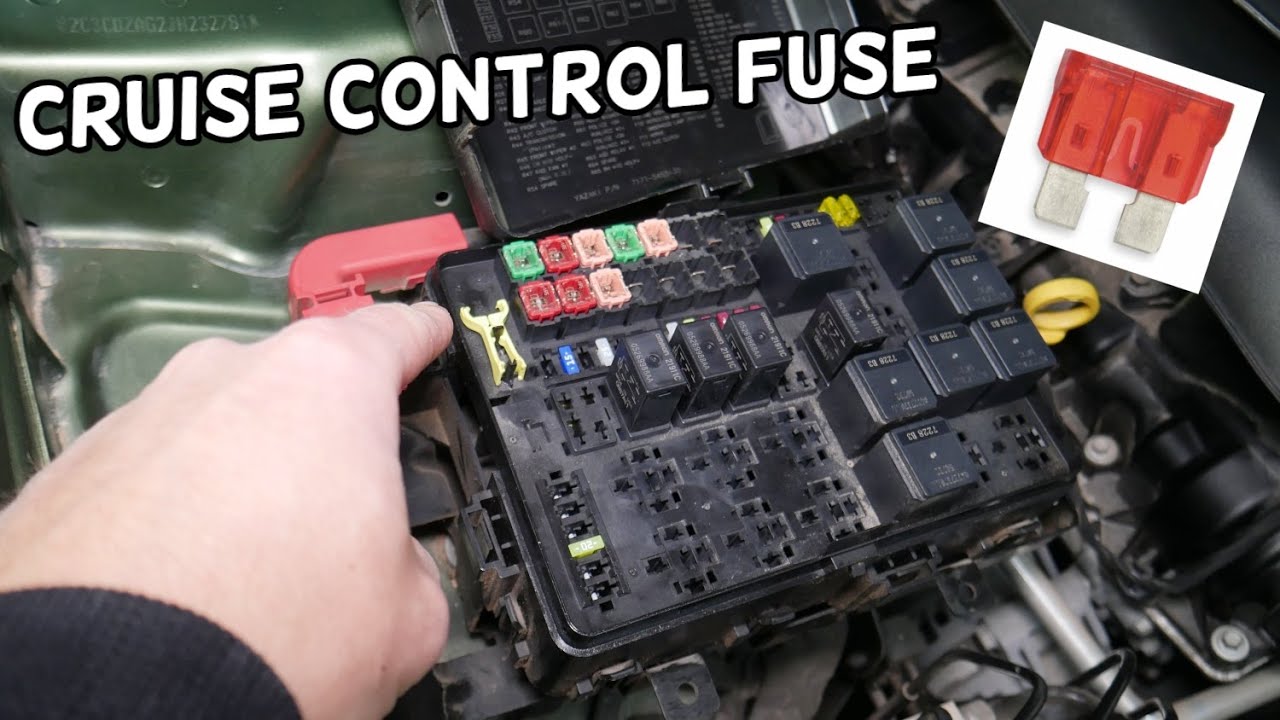
In older vehicles from the 1990s, cruise control was often a stand-alone vacuum or early electronic module protected by a dedicated fuse. Today, however, vehicles utilize advanced Power Distribution Centers (PDCs) and the Body Control Module (BCM). Cruise control is now a software function managed by the powertrain computer, meaning power is distributed through shared circuits rather than dedicated ones. This integration increases efficiency but makes troubleshooting more complex for the average owner.

Why Dedicated Cruise Control Fuses Are Becoming Rare
Because cruise control is a safety-critical system, it is hard-wired into various vehicle interlocks. Modern engineering dictates that if any part of the electronic architecture—such as the BCM—fails, the cruise control system defaults to an “OFF” state to ensure driver safety. Because of this, you will often find that no specific “Cruise” fuse exists in your manual. Instead, the cruise control shares power with essential modules like the Engine Control Unit (ECU) or the instrument cluster.

The Safety Role of Cruise Control Interlocks
Cruise control is not just about convenience; it is an active safety system. Manufacturers design these systems to immediately disengage when they detect input from the brake pedal, the clutch (in manual transmissions), or if the ABS/Stability Control sensors detect a slip. Consequently, if your cruise control won’t engage, it is frequently because the system is intentionally disabling itself due to an input it deems “unsafe.”
Identifying If There Is A Fuse For Cruise Control In Your Vehicle


📋
Diagnostic Procedure for Fuse Inspection


Always rely on the owner’s manual to locate the specific fuse box index. Do not guess based on generic online forums, as fuse box layouts often change between mid-cycle model years.
Check both the interior fuse box (usually under the dashboard) and the under-hood Power Distribution Center. Labels like ‘ECU’, ‘IGN’, or ‘MODULE’ are high-probability candidates if cruise control power is lost.
Fuses rarely blow without an underlying electrical fault. If you replace a fuse and it blows immediately, stop and inspect the circuit for a short. Forcing a higher-amperage fuse into the slot can result in catastrophic wiring harness damage or a vehicle fire.
Troubleshooting Cruise Control Beyond The Blown Fuse
If your fuses are intact, the system is likely suffering from an input or sensor failure. As a professional, I prioritize these areas when a client presents with a non-operational cruise system:
- Brake Light Switch: This is the most frequent culprit. The cruise control system monitors the brake light circuit; if the switch is faulty or even if you have a burnt-out brake bulb (increasing circuit resistance), the cruise control may interpret this as the brake being applied and refuse to engage.
- Steering Wheel Switches: These switches communicate with the BCM via a clock spring. Over time, the internal contacts in the switch can corrode or wear out, leading to intermittent signal failures.
- Clock Spring Continuity: The clock spring is a ribbon-style cable that allows electrical signals to pass to the steering wheel while it turns. A damaged clock spring often manifests as a non-functional cruise control accompanied by an airbag warning light.
- Module Fault Codes: Many modern vehicles store diagnostic trouble codes (DTCs) in the BCM or TCM (Transmission Control Module). Using an OBD-II scanner can often pinpoint exactly which sensor (e.g., the VSS or speed sensor) is inhibiting the cruise function.
Comparing Common Cruise Control Failure Symptoms
Industry Data
Cases caused by switch failure vs. power loss
Modern cruise issues linked to BCM software
Expert Tips for Professional Cruise Control Diagnostics
Leverage Live Data
Use a high-quality scan tool to view ‘Live Data’ from the brake pedal switch. You can see in real-time if the computer recognizes a ‘pressed’ or ‘released’ state, which often saves hours of physical testing.
Avoid Part-Swapping
Avoid the “parts cannon” approach. Replacing the Cruise Control Module or the BCM without proper diagnostic verification is expensive and rarely solves the actual issue, which is often a loose connector or damaged wire.
If your cruise control system stops working after replacing a battery or disconnecting the terminal, the system may simply require a “relearn” or reset procedure via a scan tool. Don’t tear your dash apart until you’ve checked for software-based resets.
In summary, while checking for a blown fuse is a logical starting point, it is rarely the final answer in modern vehicles. The cruise control system is deeply integrated with the vehicle’s BCM, brake light circuit, and various safety interlocks. If your initial inspection of the power distribution centers reveals all fuses are sound, the failure likely stems from a faulty switch, a break in the clock spring, or a software communication error. Before resorting to replacing expensive electronic modules, consult a certified professional to run a diagnostic scan. This will ensure you address the root cause, preventing unnecessary repairs and maintaining the safety of your vehicle’s electronic ecosystem.
Is There a Fuse for Cruise Control: Frequently Asked Questions
Why does my cruise control stop working when I hit a bump?
This is almost always a sign of a loose connection rather than a blown fuse. A blown fuse causes a total, permanent failure. If hitting a bump interrupts the system, you likely have a failing clock spring in the steering column, a loose brake pedal switch, or a compromised ground wire that temporarily loses continuity due to the physical shock.
Can a blown brake light fuse stop cruise control?
Yes, on many vehicles, the cruise control system is wired in series with the brake light circuit. The system uses the brake light signal to identify when the pedal is pressed to disengage the cruise. If the brake light fuse blows, the cruise module may detect an ‘open’ circuit and automatically disable itself for safety, preventing engagement.
How do I find which fuse is for cruise control?
Locate the fuse box diagram, which is typically found inside the cover of your engine bay power distribution center or the interior kick panel. Look for labels like ‘CRUISE’, ‘CCS’, or ‘PCM’. If not clearly marked, consult your vehicle’s owner’s manual, which includes a comprehensive chart detailing exactly which circuit each numbered fuse controls.
What if the fuse is good but the cruise still won’t engage?
When the fuse is healthy, the failure is usually input-related. Check the brake light bulbs and the brake switch plunger for proper function. If the vehicle recognizes a ‘brake on’ signal, the cruise will not engage. Additionally, consider checking the steering wheel buttons, the clock spring, or scanning the vehicle for chassis-specific error codes using an advanced OBD-II scanner.
Is it safe to replace a cruise control fuse myself?
Yes, replacing a fuse is a standard, safe DIY task. Ensure you use the exact amperage rating specified in your owner’s manual—never ‘up-rate’ a fuse to solve a recurring blow. If the new fuse blows immediately after installation, there is a short circuit in the wiring that requires professional diagnostic tools to locate and repair safely.