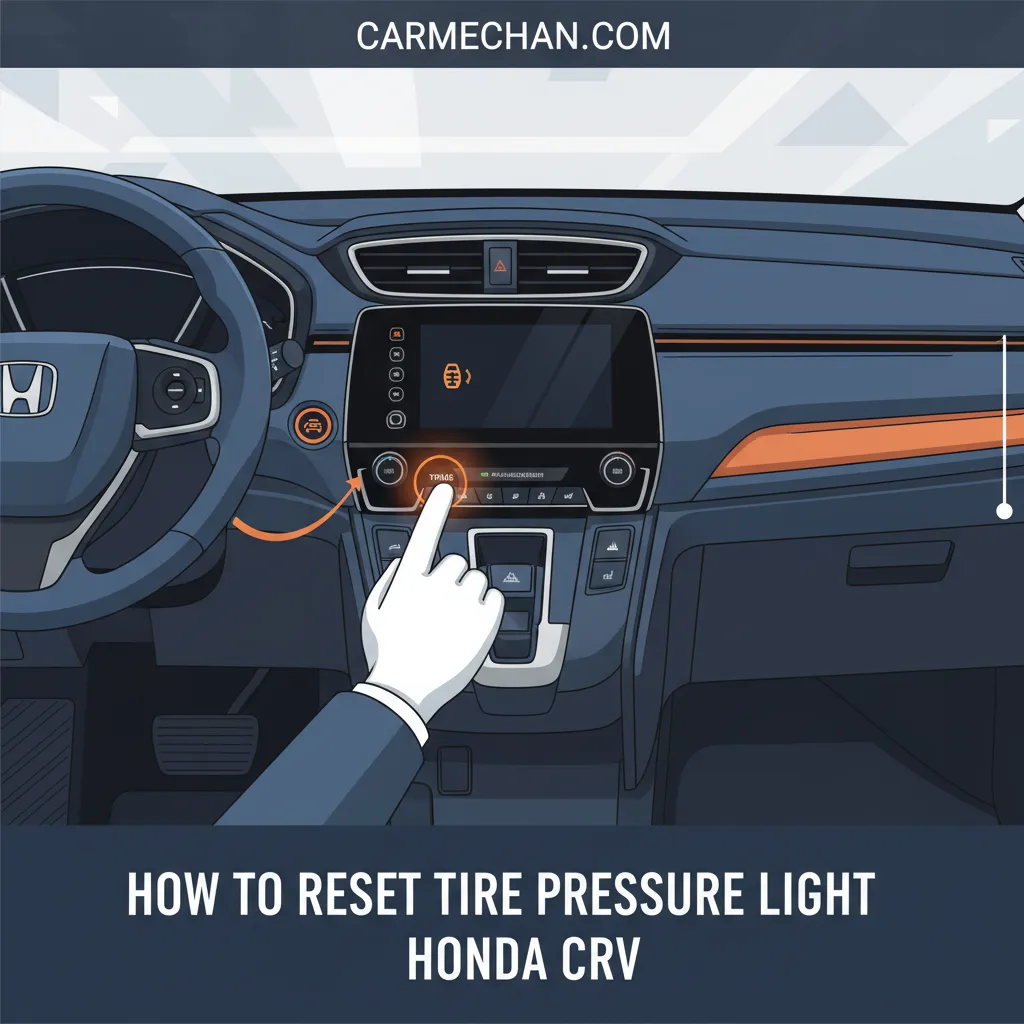
How To Reset Tire Pressure Light On Your Honda Crv
The illumination of your Honda CRV’s Tire Pressure Monitoring System (TPMS) light can be an unexpected and concerning dashboard indicator. While often signaling low tire pressure, this warning can also indicate a system malfunction or simply require a reset after tire service. Navigating the various causes and corrective actions can be confusing, leaving many owners unsure how to proceed. This authoritative guide will demystify the TPMS system in your Honda CRV, providing you with a clear, step-by-step blueprint to diagnose the issue, perform necessary preliminary checks, and successfully reset your tire pressure light, ensuring your vehicle’s optimal performance and safety.


Understanding the Honda CRV’s Tire Pressure Monitoring System (TPMS)

📤 Share Image
The Tire Pressure Monitoring System (TPMS) in your Honda CRV serves as a critical safety feature, constantly observing the inflation levels of your tires. Its primary objective is to alert you to significantly under-inflated tires, which can compromise handling, increase stopping distances, and pose a severe accident risk. The operational methodology of TPMS varies across different CRV generations, primarily falling into two categories:
- Direct TPMS: Newer Honda CRV models, generally from 2007 onwards, frequently utilize direct TPMS. This system employs individual pressure sensors installed inside each tire, usually integrated with the valve stem. These sensors directly measure tire pressure and temperature, transmitting data wirelessly to the vehicle’s onboard computer. This provides real-time, precise information, allowing the system to identify exactly which tire is experiencing an issue.
- Indirect TPMS: Earlier CRV models, particularly those before 2007 and some later base trims, often feature indirect TPMS. This system does not use physical pressure sensors within the tires. Instead, it relies on the Anti-lock Braking System (ABS) wheel speed sensors. When a tire is under-inflated, its rolling radius changes, causing it to spin at a slightly different rate compared to properly inflated tires. The ABS sensors detect this discrepancy, and the system interprets it as low pressure. While less precise than direct TPMS, it still effectively signals a significant pressure drop.
The TPMS warning light illuminates for several specific reasons. The most common trigger is simply a low tire pressure condition, which could result from a slow leak, a puncture (such as a nail in the tire), or a significant drop in ambient temperature. For instance, a sudden cold snap can cause tire pressure to decrease noticeably. Another common scenario is incorrect initial tire inflation after routine service like a tire rotation or replacement, which necessitates a system recalibration. Less frequently, the light may signal a system malfunction, indicated by the light blinking for a period before remaining solid, suggesting a fault with a sensor or the TPMS module itself.
The safety implications of a properly functioning TPMS are profound. Under-inflated tires are a leading cause of tire failure and accidents. According to the National Highway Traffic Safety Administration (NHTSA), TPMS systems are estimated to prevent 10,000 crashes and 200 fatalities annually. A tire can lose up to half its air pressure before appearing visibly flat, making the TPMS warning crucial for early detection. Beyond safety, maintaining your Honda CRV’s tires at their recommended pressure (typically 32-35 PSI, varying slightly by model and load) significantly enhances fuel efficiency and extends tire longevity by ensuring even wear. Proactive management of your TPMS not only contributes to a safer driving experience but also protects your investment in tires and fuel.

Preliminary Checks: Essential Steps Before Attempting a TPMS Reset
Before you attempt to reset your Honda CRV’s TPMS light, it is imperative to address the underlying issue that triggered the warning. Resetting the light without correcting the cause is merely a temporary workaround and will likely result in the light re-illuminating. These preliminary checks are fundamental to a successful and lasting resolution.
Accurately Check All Tire Pressures
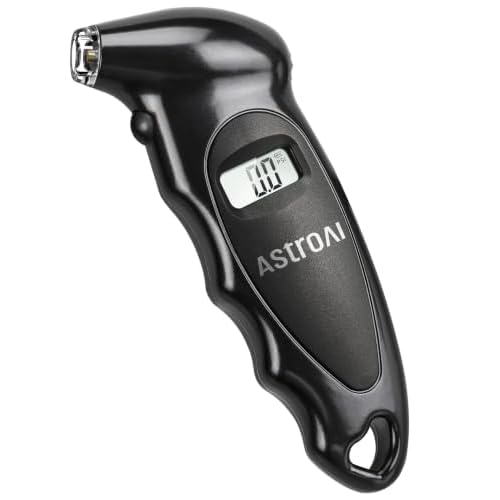
Begin by checking the air pressure in all four tires using a reliable, calibrated tire pressure gauge. For the most accurate readings, always check tires when they are ‘cold’ – meaning the vehicle has been stationary for at least three hours or has been driven for less than a mile at moderate speed. A common mistake is adjusting pressure when tires are hot from driving, which can lead to over-inflation once they cool down. For Honda CRVs, the recommended tire pressure range is typically around 33 PSI for both front and rear tires, but always consult the tire placard located on the driver’s side door jamb for the precise manufacturer’s default specifications for your specific model.
Ensure the pressures are restored to these manufacturer guidelines. For vehicles with a direct TPMS that monitors the spare tire (less common in CRVs but worth noting if your vehicle has this feature), check its pressure as well. Remember, tires naturally lose 1-2 PSI per month, making regular checks essential.
Visually Inspect Each Tire for Damage
With the tires properly inflated, conduct a thorough visual inspection of each tire. Look for any obvious signs of damage such as:
- Punctures: Nails, screws, or other foreign objects embedded in the tread.
- Sidewall Bulges or Cracks: These indicate internal damage and are serious safety concerns.
- Uneven Wear: Could suggest alignment issues or improper inflation over time.
- Valve Stem Damage: Especially important for direct TPMS, where the sensor is integrated.
If you discover any damage, particularly punctures or bulges, do not attempt to repair it yourself unless you are a qualified technician. Such issues require professional assessment and repair or replacement. For instance, if a CRV owner recently had tires rotated, they must verify the tire shop properly inflated all tires to the specified levels, as improper inflation after service is a frequent cause of the TPMS light activating.
Remember that a 10 PSI drop in tire pressure can reduce fuel economy by 1% and shorten tire life by 10%. Consistent tire pressure maintenance not only keeps your TPMS light off but also saves you money and enhances safety.
Step-by-Step Guide: Manual TPMS Reset Procedure for Honda CRVs
Once you have thoroughly performed the preliminary checks and ensured all tires are correctly inflated and free of damage, you can proceed with manually resetting the TPMS light. This procedure is common for many Honda CRV models, especially those with an indirect TPMS or a dedicated calibration button.
📋
Step-by-Step Guide
The exact location of the TPMS calibration or reset button can vary depending on your Honda CRV’s year and trim level. For example, CRVs from model years 2012-2016 often feature the button beneath the dashboard, typically to the left of the steering column. Newer generations (2017+) might integrate this function more directly within the infotainment system’s settings or still maintain a physical button in the glove compartment or on the center console. Consult your owner’s manual if you are unsure of its precise location.
With all tire pressures correctly adjusted and the vehicle off, turn the ignition to the ‘ON’ position without starting the engine. Ensure all doors are closed. Next, press and hold the TPMS calibration button. Continue holding it until the TPMS indicator light on your dashboard blinks twice. This double-blink confirms that the system has registered the reset command. Release the button immediately after the double-blink. This action effectively triggers the system to ‘restore’ its default pressure monitoring.
After initiating the reset, the TPMS system needs to learn the new, correct tire pressure settings. This is achieved through a calibration drive. Start your CRV and drive at speeds consistently above 30-40 mph for approximately 10-20 minutes. This period of sustained driving allows the system, particularly indirect TPMS that relies on wheel speed sensors, to establish a new baseline and ‘initialize’ the new tire pressure parameters. If the reset was successful, the TPMS warning light will extinguish after completing this drive cycle. If it does not go off, further troubleshooting may be necessary, which indicates the system didn’t achieve a ‘fresh start’. The typical learning period is approximately 20 minutes of continuous driving.
This calibration drive is essential for indirect TPMS systems as they need to establish a new baseline from the wheel speed sensors. This process effectively ‘restores’ the system to a clean, calibrated state, allowing it to accurately monitor for future pressure deviations. A successful reset will result in the light extinguishing, confirming your CRV’s TPMS is fully functional and providing peace of mind.
Alternative and Advanced TPMS Reset Methods for Specific CRV Models


While the dedicated TPMS button reset is prevalent, some Honda CRV models, particularly older generations or those with direct TPMS that require sensor re-pairing, necessitate alternative or more advanced reset procedures. Understanding these methods is crucial for comprehensive troubleshooting.
Ignition Cycle Reset Method (Older Models)
For certain older Honda CRV models, such as those from the 2007-2011 era that may lack a specific TPMS reset button, an ‘ignition cycle’ method might be applicable. This typically involves a sequence of turning the ignition to the ‘ON’ position (without starting the engine) and then ‘OFF’ multiple times, sometimes with a brief pause in between cycles. While less common in later models, this procedure attempts to force the system to perform a self-check and clear the warning. The specific timing and number of cycles can vary, so consulting your CRV’s owner’s manual for that particular year is highly recommended to correctly ‘reboot’ the system.
Professional Diagnostic Tools for Direct TPMS
In scenarios where a manual reset fails or when components of a direct TPMS system have been serviced, professional intervention with a diagnostic scan tool (specifically an OBD-II scanner equipped with TPMS functionality) becomes necessary. This is especially true if individual direct TPMS sensors have been replaced, for instance, due to a dead battery. Direct TPMS sensors have a finite battery life, typically 5-10 years, and once depleted, the sensor needs replacement. Even with correct tire pressure, a dead sensor will keep the light on.
When a new sensor is installed, it often needs to be ‘re-paired’ or ‘relearned’ by the vehicle’s TPMS module. This process involves using the scan tool to read the new sensor’s ID and program it into the vehicle’s system, effectively performing a ‘factory’ recalibration. While some modern Honda CRVs feature ‘auto-learn’ capabilities for new sensors (where the system eventually picks up new sensor IDs during driving), a diagnostic tool speeds up or confirms this process to ‘default’ settings. A Honda-specific diagnostic tool (HDS) used by technicians offers the most reliable way to perform these functions and ensure a ‘clean’ system state.
Interpreting the Blinking TPMS Light
It is crucial to differentiate between a solid TPMS warning light and one that blinks initially before staying solid. A solid light typically indicates low tire pressure, while a light that blinks for 60-90 seconds upon startup and then remains solid almost always signifies a system malfunction. This could be due to a faulty sensor, a problem with the TPMS control module, or wiring issues. In these instances, manual resets are unlikely to resolve the issue, and dealership-level diagnostics are often required to accurately identify the fault and restore full system function. Replacement of a single sensor can cost between $50-$150, not including labor and reprogramming, emphasizing the need for accurate diagnosis.
Troubleshooting Persistent TPMS Light Issues and When to Seek Professional Help
Even after diligently following the manual reset procedures and verifying tire pressures, some Honda CRV owners may find their TPMS light stubbornly remains illuminated. This persistence signals that the issue extends beyond simple low pressure and warrants a deeper investigation. Understanding the common culprits and knowing when to escalate to professional assistance is key.
Common Reasons for Persistent TPMS Warnings
Several factors can cause the TPMS light to remain on, even after attempts to reset:
- Faulty TPMS Sensor: This is a prevalent issue, especially in CRVs with direct TPMS. Sensors can fail due to age (battery depletion, common after 5-10 years), physical damage during tire service, or corrosion. A single faulty sensor can cause the entire system to malfunction.
- Undetected Slow Leak: Sometimes a very slow leak, perhaps from a tiny puncture or a corroded wheel rim, might not be immediately apparent during a visual inspection but is enough to trigger the light again after a short drive.
- System Malfunction: Problems within the TPMS control module itself or its associated wiring can prevent the system from operating correctly, leading to a persistent warning. This is often indicated by the light blinking then staying solid.
- Improper Sensor Re-pairing/Reset After Tire Service: If you’ve had new tires installed or a rotation performed, and the shop failed to properly reset or re-pair the sensors to the vehicle, the light will remain on.
Self-Diagnosis for Sensor Issues
While a professional diagnosis is often best, you can perform some observations:
- Observe the Light’s Behavior: If the TPMS light consistently comes on after the vehicle warms up (after about 10-15 minutes of driving), it might suggest a dying sensor battery. Batteries lose efficiency when cold but regain some voltage as they warm, only to fail again when subjected to constant transmission.
- Immediate Recurrence: If the light immediately comes back on after a manual reset attempt, it strongly points to a system malfunction or a sensor that is either faulty or not correctly communicating.
- Cold Weather Effect: The light coming on primarily in cold weather and occasionally going off when it warms up is a classic sign of a sensor battery that is nearing the end of its life, as cold temperatures reduce battery voltage.
When to Seek Professional Intervention
Knowing when to consult a certified Honda technician is crucial to avoid potentially larger problems and ensure proper function. Professional intervention is crucial in the following scenarios:
- Blinking Light Indicating System Fault: If the TPMS light blinks for about 60-90 seconds upon startup and then stays solid, it indicates a system fault rather than just low pressure. This requires specialized diagnostic equipment to read Diagnostic Trouble Codes (DTCs) related to the TPMS.
- Consistent Manual Reset Failures: If you have correctly followed all manual reset steps multiple times and the light persists, it’s a strong indicator of a deeper issue that manual processes cannot resolve.
- Suspected Tire Damage Requiring Expert Repair: Any significant tire damage (large punctures, sidewall damage, severe bulges) should be addressed by a tire professional to ensure the tire is safely repaired or replaced. This ensures a ‘clean’ system state once new tires are installed.
- Replacement of Sensors or TPMS Module: If diagnosis points to a faulty sensor or the TPMS control module itself, specialized tools are needed for replacement and reprogramming to restore full functionality. Replacing a faulty sensor and performing a ‘factory’ recalibration typically resolves 90% of persistent TPMS light issues.
Never ignore a persistent TPMS warning. While it may sometimes be a minor sensor issue, it often signals critical tire pressure problems that could lead to catastrophic tire failure, putting you and others at significant risk. The cost for TPMS diagnosis at a dealership can range from $80-$150, but this is a small price for safety and peace of mind.
Maintaining Your Honda CRV’s TPMS for Long-Term Performance and Safety
Proactive maintenance of your Honda CRV’s TPMS is not merely about preventing the warning light from illuminating; it’s about ensuring the long-term safety, efficiency, and longevity of your tires. By adopting a disciplined approach to tire care, you can minimize future TPMS headaches and ensure the system remains a reliable safety net.
Regular Manual Tire Pressure Checks
The TPMS is a warning system, not a substitute for manual inspections. Make it a habit to check your Honda CRV’s tire pressures manually at least once a month, and always before long trips, using a high-quality, reliable gauge. This allows you to ‘restore’ optimal pressure proactively, addressing minor fluctuations before they fall below the TPMS threshold and trigger the light. Proper tire maintenance can extend tire life by up to 10,000 miles. Always refer to your driver’s side door jamb for the recommended PSI. Consistent manual checks offer a ‘fresh start’ each month, ensuring your tires are always operating within their optimal range.
Seasonal Tire Maintenance Practices
Ambient temperature significantly impacts tire pressure. Each 10-degree Fahrenheit drop in temperature typically results in a 1 PSI decrease in tire pressure. This means that as seasons change, particularly heading into colder months, your tire pressures will naturally drop. Manually checking and adjusting pressures during these transitions can prevent the TPMS light from coming on. Furthermore, ensure proper tire rotation procedures are followed. For CRVs, standard front-to-back straight or cross patterns are common. Regular rotations promote even wear, which helps maintain system calibration for indirect TPMS and reduces stress on individual tires.
Integrating TPMS Checks into Routine Service
When your Honda CRV undergoes routine service at a dealership or trusted independent mechanic, request that TPMS checks and sensor inspections be included. Technicians can identify potential issues, such as nearing the end of sensor battery life, before they lead to a warning light. If you are having new tires installed, explicitly instruct the technician to inspect and, if necessary, replace the valve stems (which house the direct TPMS sensors) and ensure that all sensors are properly re-paired to the vehicle’s system. This proactive approach ensures a ‘fresh start’ with each service, keeping your TPMS system operating as intended. The average lifespan of a TPMS sensor is 5-10 years or 75,000-100,000 miles, so incorporating inspection at major service intervals (e.g., every 50,000 miles) is a wise strategy.
Enhanced Safety
Proactive TPMS care ensures optimal tire pressure, preventing blowouts and improving vehicle handling for a safer drive.
Improved Fuel Efficiency
Correctly inflated tires reduce rolling resistance, leading to better gas mileage and lower operating costs.
Extended Tire Lifespan
Proper inflation and maintenance ensure even tire wear, maximizing the life of your expensive tires.
By implementing these best practices, you can ensure your Honda CRV’s TPMS remains a reliable guardian of your tire health, providing accurate information and contributing to a safe and enjoyable driving experience. A little vigilance goes a long way in preventing unexpected TPMS warnings and the associated inconvenience.
Conclusion

Effectively managing your Honda CRV’s Tire Pressure Monitoring System is fundamental to both vehicle safety and operational efficiency. We’ve established that the TPMS light is a critical indicator, demanding attention regardless of whether it signals a simple pressure drop or a system malfunction. Always perform preliminary tire pressure checks and visual inspections before attempting any TPMS reset to address the root cause, not just the symptom. Most Honda CRV models can be reset via a dedicated button or through a calibration drive cycle, which effectively provides a ‘fresh start’ for the system. However, persistent TPMS lights or those that blink initially may indicate a sensor malfunction or system fault, requiring professional diagnostic tools and expertise for a proper ‘factory’ recalibration or component replacement. Ensure your Honda CRV’s safety and performance by regularly checking tire pressures and promptly addressing any TPMS warnings. If the light persists after following these steps, consult a certified Honda technician for advanced diagnostics and repair.
Frequently Asked Questions
Why does my Honda CRV TPMS light keep coming on after I’ve reset it?
If the TPMS light consistently reappears after a reset, it often points to an underlying issue beyond simple low pressure. Common causes include a slow tire leak, a faulty TPMS sensor (often due to a dead battery, typical after 5-10 years), or a system malfunction requiring professional diagnosis. Ensure all tires, including the spare if applicable, are at manufacturer-recommended pressure.
Can I drive my Honda CRV if the TPMS light is on?
It is generally not recommended to drive for extended periods with the TPMS light on without first checking tire pressures. If the light indicates low pressure, driving can compromise vehicle handling, increase stopping distances, and risk tire damage or a blowout. Address the warning promptly by checking and restoring correct tire pressure, or seek professional inspection for system faults.
How long does a TPMS sensor battery last in a Honda CRV?
The integrated batteries within Honda CRV’s direct TPMS sensors typically last between 5 to 10 years or approximately 75,000 to 100,000 miles, depending on driving habits and environmental conditions. As batteries are sealed, the entire sensor usually needs replacement when the battery dies, which is a common cause for a persistent TPMS malfunction light.
What’s the difference between a flashing and a solid TPMS light on my CRV?
A solid TPMS light typically indicates that one or more tires are significantly under-inflated, or that the system needs recalibration after a tire service or pressure adjustment. A flashing TPMS light, however, signals a malfunction within the TPMS itself, such as a faulty sensor or a system error. This usually requires professional diagnostic assessment.
Do I need to reset the TPMS light after rotating my Honda CRV’s tires?
Yes, it is often necessary to reset the TPMS system after rotating tires on many Honda CRV models, especially those with indirect TPMS or those that require a calibration drive. This allows the system to relearn the new tire positions and pressure values, ensuring accurate monitoring and preventing the light from illuminating erroneously due to changes in wheel speed data.