What Does It Mean When A Car Stalls What Does Car 2026 2026
Last Updated on September 1, 2026 by Albert Duke
When a car stalls, it means the engine unexpectedly shuts off while the vehicle is in motion or at a standstill, losing power and requiring a restart. This sudden loss of engine function can stem from various issues, from minor fuel delivery problems to more complex electrical or mechanical failures, demanding prompt attention.
When a car stalls, it means the engine unexpectedly shuts off while the vehicle is in motion or at a standstill, losing power and requiring a restart. This sudden loss of engine function can stem from various issues, from minor fuel delivery problems to more complex electrical or mechanical failures, demanding prompt attention.
Experiencing a car stall can be alarming, particularly if you are driving. It often leaves drivers confused about the underlying problem and unsure how to react.
This comprehensive 2026 guide will demystify car stalling, explaining its meaning, pinpointing common causes, outlining immediate actions to ensure your safety, and offering practical steps for prevention. We aim to equip you with the knowledge to understand and address this common automotive issue confidently.
Key Takeaways
- Stalling is engine suddenly shutting off.
- Many causes: fuel, air, electrical, mechanical.
- Immediate safety actions are crucial.
- Early diagnosis prevents bigger issues.
- Regular maintenance minimizes stall risk.
7 Most Common Reasons Your Car Stalls
A car can stall for a variety of reasons, each pointing to a specific issue within its complex systems. Understanding these common culprits helps in diagnosing and preventing future occurrences.
Fuel Delivery Problems
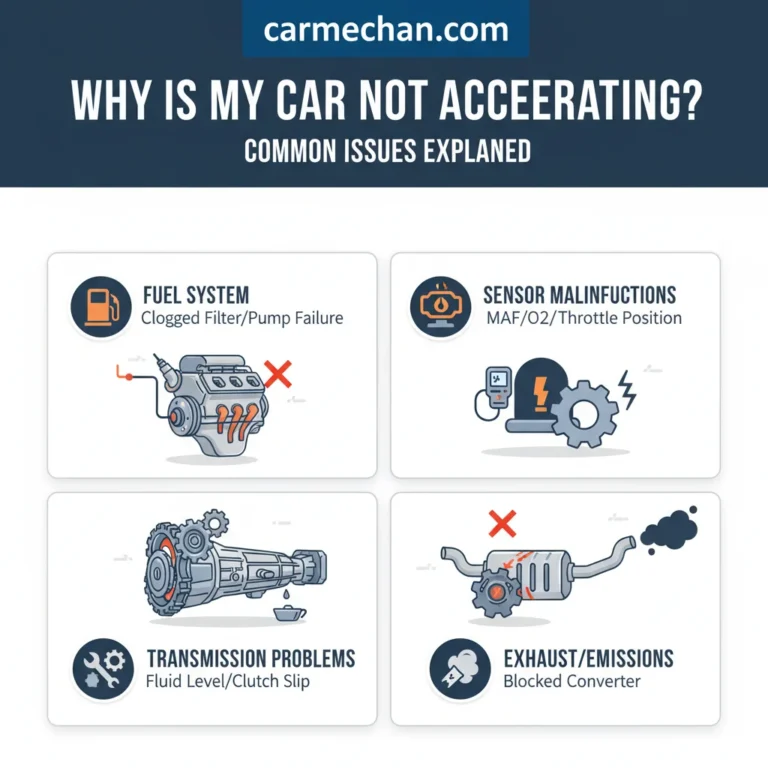
Insufficient or inconsistent fuel supply is a leading cause of stalling. This can stem from a clogged fuel filter or a failing fuel pump. If the engine does not receive enough fuel, it cannot maintain combustion.
A weakened fuel pump struggles to deliver adequate pressure, leading to hesitation and eventual shutdown, especially under load.
Airflow Restrictions Occur
For an engine to run, it needs the correct air-fuel mixture. Blockages like a dirty air filter or a faulty Mass Airflow (MAF) sensor disrupt this balance. Too little air starves the engine, causing it to stall.
A malfunctioning MAF sensor sends incorrect data to the engine control unit, leading to an improperly calibrated mixture and often resulting in stalling, particularly at idle.
Electrical System Faults
The electrical system powers critical components like spark plugs and the engine control unit (ECU). Issues such as a failing alternator or corroded wiring disrupt this power. An engine cannot run without a consistent electrical current.
A failing alternator might not adequately charge the battery, eventually causing electrical systems to shut down. Faulty spark plugs can also lead to misfires, which may cause stalling.
Transmission Issues Arise
Automatic transmission problems, particularly torque converter lock-up issues or low fluid levels, can cause the engine to stall. Manual transmissions can stall due to driver error, such as releasing the clutch too quickly.
In automatic cars, a malfunctioning torque converter can fail to disengage, effectively locking the engine to the transmission when the vehicle stops, forcing a stall.
Vacuum Leak Concerns
Vacuum leaks introduce unmetered air into the engine, disrupting the air-fuel ratio. This often leads to rough idling and stalling, especially at low speeds. Hoses or gaskets can degrade over time.
These leaks result in the engine running lean, meaning too much air and not enough fuel, which causes erratic operation and potential stalls. They may be hard to detect.
Driver Error Contributes
For manual transmission vehicles, releasing the clutch too abruptly or failing to downshift properly can cause the engine to stall. Even in automatics, accidental shifts can occur, though mechanical failures are more common.
New drivers commonly experience stalling until they master clutch engagement. This type of stall is typically a learning curve rather than a mechanical issue requiring repair.
Sensor Malfunctions Occur
Modern cars rely heavily on sensors. A faulty crankshaft, camshaft, or oxygen sensor sends incorrect data to the ECU. This leads to improper fuel delivery or ignition timing, causing the engine to stall.
When critical sensors fail, the engine’s computer struggles to make necessary adjustments for optimal operation, leading to unexpected shutdowns without prior warning. This requires professional diagnosis.
Recognizing these potential causes is the first step; next, we will explore the warning signs your vehicle might present before a complete stall occurs, helping you identify problems early.
What Warning Signs Precede Car Stalling
Your vehicle often provides subtle or obvious clues before it completely stalls. Paying attention to these warning signs can help you address issues proactively and prevent dangerous situations.
Engine Hesitation Noted
If your engine feels like it is momentarily losing power or “sputtering” during acceleration, this hesitation can precede a stall. It suggests an inconsistent fuel supply or ignition problem that needs attention. You might feel a brief surge then a drop in power.
Rough Idling Observed
An engine should idle smoothly. If you notice a rough, shaky, or inconsistent idle when stopped, it could indicate an air-fuel mixture problem, vacuum leak, or spark plug issue. This instability can easily lead to a stall.
Dashboard Lights Illuminate
Warning lights such as the “Check Engine” light, battery light, or oil pressure light are critical indicators. Ignoring these can lead to larger problems, including unexpected stalling. Always investigate these alerts promptly.
Power Loss Felt
A noticeable decrease in engine power or acceleration, even without a complete stall, is a serious warning sign. This loss of capability can be a precursor to the engine completely shutting down, especially under demanding conditions like climbing a hill.
Unusual Sounds Emerge
Strange noises from the engine bay, such as knocking, grinding, or hissing, often accompany underlying mechanical issues that can lead to stalling. A distinct change in engine sound should always prompt an inspection. Addressing these sounds early can prevent more expensive repairs.
Recognizing these symptoms allows you to seek timely intervention. If a stall does occur, knowing the immediate steps to take is crucial for your safety and the safety of others.
How to React When Your Car Stalls in 5 Steps
When your car stalls, particularly while driving, a swift and calm response is paramount for your safety and the safety of those around you. Follow these critical steps immediately.
1. Stay Calm and Assess
Panic can worsen a difficult situation. Take a deep breath. Your power steering and power brakes may become harder to operate, but you still have some control. Focus on safely guiding your vehicle.
2. Maneuver Vehicle Safely
If you have some momentum, try to steer your car to the side of the road or a safe shoulder. steering will be heavy without power assist, so strong, deliberate effort is needed. Turn the wheel slowly and firmly.
3. Attempt Immediate Restart
Once safely off the main flow of traffic, try restarting the engine. Shift into Park (P) or Neutral (N) for automatics, or Neutral for manuals. Then, turn the key to the start position. If it restarts, proceed cautiously to a safe location or mechanic.
4. Activate Hazard Lights
If your car won’t restart, immediately turn on your hazard warning lights. This alerts other drivers to your disabled vehicle and significantly reduces the risk of an accident, especially at night or in bad weather.
5. Seek Professional Assistance
If you cannot restart the car or are in an unsafe location, call for roadside assistance. Do not attempt to walk in traffic. Wait for help to arrive in a safe spot, perhaps behind a guardrail if available.
Taking these immediate actions can mitigate danger. Now, let us explore how regular maintenance and attentive driving habits can prevent future stalling incidents.
How to Prevent Your Car From Stalling Regularly
Preventing your car from stalling in 2026 involves a combination of diligent maintenance and smart driving practices. Proactive care is key to avoiding unexpected engine shutdowns.
Maintain Fuel System Health
Regularly replace your fuel filter according to your manufacturer’s recommendations to prevent clogs. Use quality fuel to minimize contaminants. A healthy fuel system ensures a consistent supply to the engine.
Ensure Proper Air Intake
Periodically check and replace your air filter. A clean air filter allows optimal airflow, which is essential for the correct air-fuel mixture. Also, ensure your Mass Airflow (MAF) sensor is clean and functioning correctly, as dirt can impair its readings.
Inspect Electrical Connections
Check battery terminals for corrosion and ensure all electrical connections are secure. A loose or corroded connection can interrupt power to vital engine components, leading to intermittent failures or complete stalls. Consider inspecting your alternator’s performance regularly.
Monitor Battery Performance
A weak or dying battery can cause various electrical issues, including stalling. Have your battery tested periodically, especially before winter. Ensure it holds a proper charge and replace it when its capacity declines.
Address Engine Warnings Promptly
Never ignore a “Check Engine” light or other dashboard warnings. These indicators are designed to alert you to problems before they escalate into major failures, like stalling. Get diagnostics run immediately to pinpoint the issue.
Practice Smooth Driving Habits
Avoid aggressive acceleration or abrupt braking. For manual transmissions, practice smooth clutch engagement and timely gear changes. Consistent, gentle driving reduces stress on engine and transmission components, minimizing the risk of stalling.
While preventative measures are highly effective, some issues inevitably require professional expertise. Our next section will guide you on when to seek a mechanic’s help.
When to Seek Professional Help for Stalling
While many minor car issues can be self-diagnosed or prevented, certain stalling problems demand the expertise of a certified mechanic. Knowing when to call in the professionals can save you time, money, and further damage.
Stalling Becomes Frequent
If your car stalls repeatedly, even after attempting basic troubleshooting, it is a clear sign of a persistent and possibly serious underlying problem. Do not delay seeking professional diagnosis. Consistent stalling indicates a systemic issue.
Specific Warning Indicators Appear
Dashboard lights like “Check Engine,” “Transmission,” or specific fault codes retrieved with an OBD-II scanner often point to complex issues. These usually require specialized diagnostic tools and mechanic knowledge to interpret and fix correctly.
DIY Troubleshooting Fails
If you have checked the basics (fuel, air filter, battery) and the stalling continues, the problem is likely beyond a simple fix. Professional technicians have the experience and equipment to diagnose obscure or intermittent faults that elude the average car owner.
Symptoms Point to Complex Issues
Symptoms such as grinding noises, strong burning smells, or loss of multiple systems (e.g., power steering and engine) suggest severe mechanical or electrical failures. These complex issues should always be handled by professionals.
Understanding the causes, recognizing warning signs, and knowing when to seek help for car stalling empowers you to be a more confident and prepared driver.
Why Understanding Stalling Improves Driving
Experiencing a car stall can be unnerving, but armed with the right knowledge, you can approach the situation with confidence. We have explored what it means when a car stalls, its common causes ranging from fuel issues to electrical faults, and crucial warning signs that precede it.
Remember to prioritize safety by following the immediate steps if your car stalls while driving. Furthermore, adopting proactive maintenance habits for your fuel, air, and electrical systems, combined with smooth driving techniques, significantly reduces the likelihood of future incidents.
For persistent or complex stalling problems, do not hesitate to consult a professional mechanic. By understanding these aspects, you ensure a safer and more reliable driving experience for 2026 and beyond, ultimately extending the life of your vehicle.
5 Common Questions About Car Stalling
Why Does My Car Stall but Start Right Back Up?
When your car stalls but restarts quickly, it often points to an intermittent electrical issue, a minor fuel delivery problem, or a faulty sensor providing incorrect readings. This brief interruption suggests the underlying cause might not be a complete failure but a momentary lapse in a system component, requiring careful diagnosis to pinpoint.
Can Low Fuel Cause a Car to Stall?
Yes, low fuel can absolutely cause a car to stall. If the fuel level is too low, the fuel pump can struggle to pick up enough fuel, leading to starvation of the engine. This is especially true on inclines or during hard cornering, as fuel sloshes away from the pump intake.
Does a Bad Battery Cause Car to Stall?
Yes, a bad or weak battery can cause a car to stall, especially if the alternator is also failing. While a running engine primarily uses alternator power, a weak battery can disrupt the electrical system’s stability, leading to insufficient power for essential components and causing an unexpected shutdown.
Can a Dirty Air Filter Cause Stalling?
Yes, a dirty air filter can cause stalling. A severely clogged air filter restricts the airflow to the engine. This rich air-fuel mixture can lead to the engine running poorly, especially at idle or low speeds, eventually causing it to hesitate and stall due to insufficient oxygen for combustion.
How Much Does It Cost to Fix a Stalling Car?
The cost to fix a stalling car varies widely depending on the underlying cause. Simple fixes like a dirty air filter might cost under $50, while a fuel pump replacement could be $300-$700. More complex issues like transmission problems or ECU failures can range from $1,000 to several thousands. Diagnosis alone can cost $100-$200.