2015 Jeep Compass TPMS Reset Button Location: Solved
Are you staring at your dashboard, desperately searching for a 2015 Jeep Compass TPMS reset button location that seems to be nowhere in sight? Many owners waste time checking under the steering column, inspecting the glovebox, or scrolling through infotainment menus, assuming a manual button exists to clear a persistent tire pressure warning light. The reality, however, is that your vehicle does not rely on a manual trigger. This guide clarifies the myth of the hidden button and provides the exact, manufacturer-approved method to get your system to perform a factory-fresh reset and restore its monitoring accuracy.
Understanding the 2015 Jeep Compass TPMS Reset Button Location Myth
Recommended Best Deal Products



📤 Share Image
Why No Physical Reset Button Exists
For drivers accustomed to older vehicles—particularly those from the late 90s or early 2000s that often featured dedicated reset switches hidden in the glovebox or tucked under the dash—the 2015 Jeep Compass can feel counterintuitive. By 2015, Jeep transitioned to a fully automated Tire Pressure Monitoring System (TPMS) architecture. This shift was intended to improve reliability by removing user error from the calibration process. In this generation, the onboard computer is programmed to ignore manual overrides to ensure that safety-critical tire data remains accurate and untampered with.
How the Onboard TPMS Module Functions
The TPMS in your Compass relies on high-frequency (typically 433 MHz) radio signals sent from a TPMS Sensor located inside each tire valve stem assembly. These sensors transmit real-time data to a central TPMS module. The system is designed to “listen” for these signals constantly. When you rotate tires or perform a clean install of new rubber, the module automatically identifies the new sensor locations. If you are seeing a warning light, it is because the data received from one or more sensors has fallen below a pre-set threshold or is completely absent. Distinguishing between a simple low-pressure alert (solid light) and a system error (flashing light) is crucial; a flashing light usually indicates that the module is no longer receiving a signal from one or more sensors, often due to a dead internal battery.
By The Numbers
Standard Sensor Frequency
Flashing Light Duration
Correct 2015 Jeep Compass TPMS Reset Button Location Alternative
Since there is no button, you must initiate the system’s reboot manually through a specific physical process. This is the only manufacturer-approved way to initialize the system after a tire service or inflation adjustment.
Checking Pressure Against Door Jamb Specs
The most common mistake is relying on the tire sidewall’s “Max PSI” rating. This value is irrelevant to your vehicle’s performance. Always refer to the placard located on the driver-side door jamb. This sticker provides the manufacturer’s recommended PSI for your specific vehicle configuration. Using a high-quality digital Tire Pressure Gauge, ensure all four tires (and the spare, if equipped with a sensor) are inflated exactly to these specifications.
The Essential Drive Cycle Process for Sensor Learning
Once the pressures are verified, the system requires a “learning” window to recognize the new, correct values.
Adjust all tires to the PSI found on the driver-side door jamb sticker. Do not skip the spare tire if you have a full-size spare.
Drive the vehicle at speeds consistently above 20 mph for approximately 10 to 15 minutes. This rotation and speed are required to wake up the sensor transmitters and allow the module to restore the connection.
Troubleshooting Persistent TPMS Alerts After Reset Attempts
Recommended Best Deal Products


If the light remains illuminated after the drive cycle, you are likely dealing with a hardware-level issue rather than a simple low-pressure event.
Is Your Spare Tire Affecting the Warning Light?
Many owners overlook the spare tire. If your Jeep Compass is equipped with a full-size spare and that wheel contains a TPMS sensor, the system will monitor it. If that sensor battery is dead or the pressure is low, it will trigger the warning light on your instrument cluster, even if your four road tires are perfectly inflated.
Identifying Faulty Sensors vs. Body Control Module Errors
When the TPMS light acts erratically, professional diagnosis is often required. Consider these indicators:
- Flashing Light: If the warning icon flashes for 60 seconds upon engine start before staying solid, the system has detected a malfunction. This is a tell-tale sign of a failed sensor battery.
- Body Control Module (BCM) Issues: In rare cases, the communication link between the sensor and the BCM can be interrupted, requiring a professional scan tool to reboot the module’s memory.
- Interference: Aftermarket electronics, such as poorly shielded dash cams or phone chargers, can occasionally interfere with the low-frequency signals transmitted by the sensors.
Do not attempt to bypass the TPMS warning by disabling the light or ignoring it. If you suspect sensor failure, visit a professional tire shop. They have specialized tools that can trigger and “ping” individual sensors without requiring a tire removal, allowing them to pinpoint which sensor needs replacement.
Standard Operating Pressure Guidelines for 2015 Jeep Compass
Understanding the correct pressure is vital to the health of your TPMS and your tires. Over-inflation is a common mistake that not only triggers false alerts but can cause uneven tread wear and a harsh, unsafe ride.
Avoiding the Over-Inflation Pitfall
Pressure fluctuates with ambient temperature. A rule of thumb is that for every 10-degree Fahrenheit drop in temperature, tire pressure decreases by about 1 PSI. Checking your pressure on a cold morning ensures you are starting from a true fresh start baseline. Avoid inflating tires to the “Maximum PSI” printed on the tire sidewall, as this is the pressure limit for the tire structure itself, not the recommended operating pressure for the 2015 Jeep Compass platform. Using the door placard ensures you maintain the safety and handling characteristics designed by the Jeep engineering team.
By following this standardized process, you eliminate the guesswork associated with finding a phantom button. The system is designed to handle the reboot automatically; your only responsibility is ensuring the environment—the tire pressure—is exactly where the vehicle expects it to be. If the light persists, a professional diagnostic scan is the only way to move forward and ensure your vehicle’s safety systems are functioning as intended.
2015 Jeep Compass Tpms Reset Button Location: Frequently Asked Questions
Recommended Best Deal Products


Can I use a tool to force a reset?
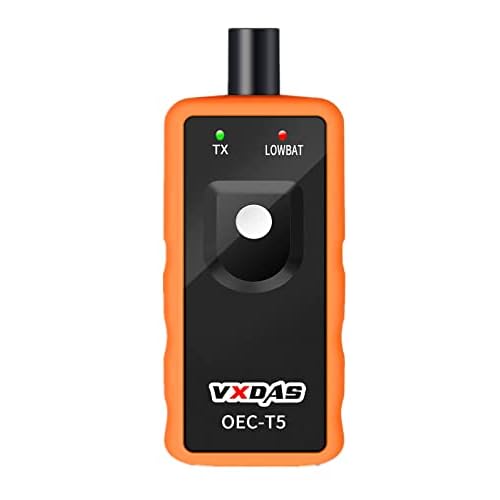
While you cannot press a ‘reset’ button, professional automotive shops use TPMS activation tools (like an OBDII relearn tool) to force the Wireless Control Module to ping each sensor. If a sensor is dead or non-responsive, the tool will identify the specific wheel failure, allowing for precise replacement rather than trial-and-error troubleshooting.
How long do I need to drive to reset the TPMS light?
For the 2015 Jeep Compass, you must drive the vehicle at speeds exceeding 15 mph (24 km/h) for a continuous period of at least 10 to 20 minutes. This allows the system’s computer to poll the tire pressure sensors and verify that all readings are within the acceptable factory-defined range before the light automatically shuts off.
Does my spare tire affect the TPMS light?
Yes, if your 2015 Jeep Compass is equipped with a full-size spare tire that contains a TPMS sensor, low pressure in that tire can trigger the warning light. If you have inflated all four road tires to the correct pressure and the light remains on, verify the pressure in your spare tire immediately.
Can cold weather trigger a false TPMS alarm?
Absolutely. Tire pressure decreases as ambient temperature drops, typically losing 1 PSI for every 10 degrees Fahrenheit. If your tires were near the low-pressure threshold during warmer weather, a sudden cold snap will drop the pressure enough to trigger the sensor. This is not a malfunction, but a normal physical reaction requiring a routine pressure top-off.
What if the light flashes instead of staying solid?
A solid light indicates low pressure in one or more tires. However, a flashing TPMS light usually indicates a system malfunction, such as a dead battery in a sensor, a damaged sensor housing, or an internal issue with the vehicle’s receiver module. In this scenario, simply adding air will not clear the light, and you will likely need diagnostic testing.