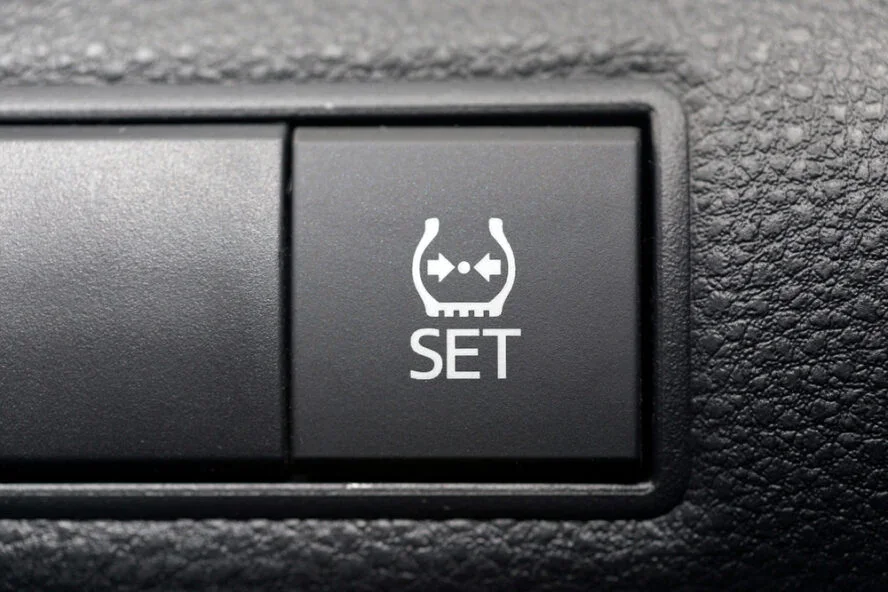
Hyundai Palisade TPMS Reset Button: Locations & Expert Tips
Last Updated on September 1, 2026 by Ryan
📋 Table of Contents
- 🎯 Key Takeaways
- Understanding Hyundai’s Indirect TPMS Technology
- Hyundai Palisade TPMS Reset Made Easy: Your Essential Action Plan
- Factors That Trigger TPMS Warnings in Palisades
- Comparing Automatic Relearn vs. Manual Reset Buttons
- Maintenance Tips for Long-Term TPMS Sensor Health
- Conclusion: Keeping Your Palisade Safe and Informed
- 💬 Quick Questions & Answers
- ❓ Frequently Asked Questions
The Hyundai Palisade typically utilizes an automatic TPMS relearn system rather than a physical reset button found in older vehicle models. To clear warnings, you must inflate all tires to the recommended PSI and drive the vehicle at speeds above 15 mph for several minutes.
🎯 Key Takeaways
Recommended Best Deal Products



- Modern Hyundai Palisades lack a physical TPMS reset button.
- Auto-relearn activates after driving for several miles consistently.
- Check the driver-side door jamb for correct tire pressure.
- Temperature fluctuations often trigger false TPMS warnings.
- Faulty sensors may require professional diagnostic scan tools.
Have you ever started your Hyundai Palisade on a chilly morning only to see that glowing orange horseshoe icon on your dash? It is a common sight for many SUV owners, and it often leads to a frantic search for a physical “reset” button. While many older vehicles had a simple button tucked under the dashboard or inside the glove box, modern engineering has moved toward more sophisticated, integrated systems. Understanding where that “button” actually lives—or why it might not exist at all—is the key to keeping your family safe and your vehicle running efficiently on the road.
Driving with an active TPMS (Tire Pressure Monitoring System) light can be stressful, especially when your tires look perfectly fine to the naked eye. This guide is designed to demystify the Hyundai Palisade tire pressure monitoring system for you. We will explore how your vehicle “thinks” about air pressure and what actually causes that light to flicker on in the first place. By the end of this article, you will feel like a pro managing your Palisade’s safety features without ever needing to open your heavy owner’s manual again. Let’s dive into the technology behind your wheels.
Understanding Hyundai’s Indirect TPMS Technology
The Hyundai Palisade uses a very clever piece of technology to keep you safe during your daily commute. Unlike the cars of the 1990s, your Palisade relies on an integrated digital ecosystem to monitor your safety. Most modern Hyundai vehicles use what is known as a Direct TPMS system, but the way you “reset” it is more automated than you might expect. Instead of a physical button that you press and hold, the system communicates directly with the vehicle’s internal computer to monitor air levels in real-time. This ensures the data you see is accurate and current.

How the System Monitors Your Wheels
Your Palisade is equipped with individual sensors located inside each wheel assembly. These sensors are small, battery-powered devices attached to the tire valve stem. They measure the exact air pressure (PSI) and even the internal temperature inside the tire. This data is beamed wirelessly to your car’s central computer system while you drive. If the pressure drops even 25% below the recommended level, the system triggers the warning light on your dashboard display immediately.
- High-Line Display: Most Palisade trims show you the exact PSI for each individual tire on the digital instrument cluster.
- Constant Feedback: The system updates while you drive, meaning it is always looking for tiny changes in pressure.
- Safety Redundancy: The sensors can detect a slow leak long before the tire actually looks flat to your eye.
- Wireless Sync: Each sensor has a unique ID so the car knows exactly which tire is low on air.
The Shift Away from Physical Buttons
You might be wondering why there is no physical button to press on your dashboard. Hyundai designed the Palisade to be smart and automated. In the past, reset buttons were used to tell the car that the current pressure was the “new normal.” However, this led to many drivers resetting the light without actually fixing the low pressure. By removing the physical button, Hyundai ensures that the system only clears when it detects the actual physical correction of the tire pressure. This design shift prioritizes your safety over a quick fix. It means the car is smart enough to know when the job is done right.
Hyundai Palisade TPMS Reset Made Easy: Your Essential Action Plan
Recommended Best Deal Products


The Tire Pressure Monitoring System (TPMS) in your Hyundai Palisade is a critical safety feature designed to alert you when one or more of your tires are significantly under-inflated. Whether you have just rotated your tires, changed them for the season, or adjusted the pressure due to a change in outdoor temperature, the TPMS light may stay illuminated even after you have corrected the air levels. This guide covers everything you need to know about resetting this system, ensuring your dashboard remains clear and your vehicle’s safety sensors are calibrated correctly. Following these steps is vital not just for the annoying light on your dash, but for maintaining optimal fuel economy, tire longevity, and braking performance on your Palisade.
Step 1: Locate the Recommended PSI Specifications
What you need: Access to the driver’s side door frame (B-pillar) and a clean cloth to wipe the placard if it is dirty.
Instructions: Before you can reset any electronic system, you must ensure the physical components are within factory specifications. Open the driver’s door and look for the Tire and Loading Information placard located on the center pillar (the frame the door latches onto). This sticker provides the exact “cold” tire pressure required for your specific Hyundai Palisade trim and wheel size. Most Palisade models require approximately 35 PSI, but this can vary depending on whether you have 18-inch or 20-inch wheels. Ensure you are looking at the “Cold Tire Pressure” value, which refers to tires that have been sitting for at least three hours or driven less than a mile.
Pro Tip: Never use the “Max Pressure” number printed on the tire sidewall itself. That number is the maximum the tire can physically hold, not what the Hyundai suspension and TPMS are calibrated for.
Step 2: Measure and Adjust Tire Pressure
What you need: A high-quality digital tire pressure gauge and an air compressor or gas station air pump.
Instructions: Using your digital gauge, check the pressure in all four tires, including the spare if it is equipped with a sensor (though most Palisade spares are temporary and do not). If any tire is below the recommended PSI found in Step 1, add air until the gauge matches the placard exactly. If you over-inflate, use the small pin on the back of the gauge to release air in short bursts. It is crucial to be precise; even a 2-3 PSI difference between tires can sometimes prevent the TPMS light from turning off automatically. Hyundai’s system is sensitive to fluctuations, so aiming for the exact specified number is the best way to trigger the reset.
Pro Tip: Many Palisade models feature “Fill Assist,” which will chirp the horn when you reach the correct pressure while filling. Listen for that audible cue to save time!
Step 3: Initialize the Electronics
What you need: Your key fob and a clear view of the instrument cluster.
Instructions: Sit in the driver’s seat with all doors closed. Without your foot on the brake, press the “Engine Start/Stop” button twice to put the vehicle into “ON” mode (this powers the electronics without starting the engine). If your Palisade uses a traditional key, turn it to the second position. Look at your instrument cluster to ensure the TPMS warning icon is still visible. By putting the car in “ON” mode, you allow the various Electronic Control Units (ECUs) to communicate and recognize that the vehicle is stationary but ready for a system check. This stage is necessary for the sensors to begin sending updated pressure data to the central receiver.
Pro Tip: Ensure your phone is not sitting directly on the wireless charging pad during this process, as some aftermarket chargers can occasionally create electromagnetic interference with TPMS signals.
Step 4: Navigate the LCD Display Menu
What you need: The “Mode” (document icon) and “Select/Reset” (lever or scroll wheel) buttons on the right side of your steering wheel.
Instructions: Use the “Mode” button on your steering wheel to toggle through the menus on your digital instrument cluster until you reach the “User Settings” menu (often represented by a gear icon). Once there, scroll down using the selector wheel until you find the “Convenience” or “Tire Pressure” submenu. Note that on newer Palisade models with the full digital 12.3-inch cluster, the tire pressure display is often found under the “Information” tab (the little gauge icon). You want to find the screen that actually displays the individual PSI for each of the four tires. If it says “Drive to Display,” the system is ready for the next phase of the reset.
Pro Tip: If you cannot find a “Reset” button in the menu, do not panic. Most modern Hyundai vehicles use an “Auto-Learn” system rather than a manual reset button found in older cars.
Step 5: The Calibration Drive
What you need: A clear stretch of road where you can maintain a steady speed of 15–25 mph for several minutes.
Instructions: Now that your tires are correctly inflated and you have accessed the TPMS screen, you must perform a calibration drive. Start the engine and begin driving. The Hyundai Palisade TPMS sensors are centrifugal, meaning they activate and send signals once the wheels reach a certain rotational speed. Drive the vehicle at a consistent speed above 15 mph for at least 10 to 20 minutes. Avoid heavy stop-and-go traffic if possible, as the system needs a steady signal to “handshake” with the new pressure levels. During this drive, you will eventually see the “Drive to Display” message disappear, replaced by the live PSI readings for each tire.
Pro Tip: If the light doesn’t turn off within 10 miles, try briefly increasing your speed to 50 mph (where safe) to ensure the sensors are fully woken up and communicating.
Step 6: Confirm System Synchronization
What you need: Observation of the dashboard and a safe place to pull over.
Instructions: Once the instrument cluster displays the live pressures and they match the PSI you set in Step 2, the TPMS light should extinguish automatically. If the light flashes for 60 seconds and then stays solid, this indicates a malfunction in the system rather than a pressure issue (often a dead sensor battery). However, if the light simply remains solid, pull over safely, turn the car off, and restart it. This “power cycle” often forces the cluster to refresh the warning light status based on the newly received data. Check the display one last time to ensure all four corners of the vehicle are highlighted in green or white, indicating a healthy status.
Pro Tip: Cold weather can cause air to contract, dropping PSI by 1-2 pounds overnight. If your light comes on only in the morning, your baseline pressure is likely just at the threshold of the warning trigger.
✅ Final Checklist
- Verify all four tires are set to the PSI listed on the B-pillar placard (usually 35 PSI).
- Ensure the “Drive to Display” message has been replaced by active pressure numbers on the dashboard.
- Confirm the yellow horseshoe-shaped TPMS icon is no longer illuminated on the instrument cluster.
- Check that the valve stem caps are tightly screwed back on to prevent moisture from entering the sensor.
- Ensure the spare tire (if applicable) is secure, as a loose spare can sometimes rattle and cause sensor interference.
Important Notes:
- Safety Warning: Never ignore a TPMS light. Low tire pressure can lead to tire overheating and a potential blowout, especially at highway speeds.
- When to seek professional help: If the TPMS light flashes for one minute every time you start the car, a sensor may be physically damaged or its battery (which typically lasts 5-7 years) may have failed. A tire shop will need to use an OBD-II TPMS tool to diagnose which sensor is faulty.
- Estimated time: 20–30 minutes (including the drive).
- Estimated cost: $0 (Free if using your own gauge and pump).
Factors That Trigger TPMS Warnings in Palisades
It can be frustrating when your TPMS light comes on for seemingly no reason at all. You pull over, check the tires with a gauge, and everything looks great. However, your Palisade is incredibly sensitive to the environment and its own internal health. Knowing what triggers these alerts can save you a trip to the dealership and a lot of unnecessary worry. Most triggers are actually quite normal and do not indicate a major problem with your vehicle.
Environmental Impacts on Tire Pressure
Mother Nature is the most common culprit for a triggered TPMS light in your Palisade. Air is a gas, and gases expand when they are hot and shrink when they are cold. This basic law of physics affects your tires every single day. If you live in a region with extreme seasonal shifts, you will likely see your TPMS light more often than those in stable climates. This is simply the air inside your tires reacting to the world around them.
- The Cold Snap: For every 10-degree drop in temperature, your tires can lose about 1 PSI of pressure. A cold autumn night can easily drop your pressure enough to trigger the sensor by the next morning.
- Altitude Changes: Driving from a coastal city up into the mountains changes the atmospheric pressure. This can sometimes cause the internal sensor to register a “false” low reading because the pressure outside the tire has changed.
- Heat Buildup: High-speed highway driving on a hot summer day can increase pressure significantly. While this rarely triggers the “low pressure” light, it can cause the system to behave erratically if the tires were already over-inflated.
Mechanical and Maintenance Related Triggers
Sometimes the light has nothing to do with the air itself, but rather the hardware and maintenance history of the wheel. Your Palisade’s TPMS sensors are robust, but they are not invincible. They live in a harsh environment filled with road salt, water, and constant vibration. Any change to the wheels can confuse the computer for a short period of time.
If you have recently had your tires rotated or replaced, the system might need a few miles of driving to recognize the new positions of the sensors. Additionally, each sensor has a small internal battery that cannot be replaced. These batteries typically last between 5 to 10 years depending on how much you drive. If your Palisade is an older model or has very high mileage, a dying battery in a single sensor can cause a persistent warning light. This light won’t go away even after you add air. Recognizing these mechanical “hiccups” is the first step in maintaining a healthy, stress-free vehicle.
Comparing Automatic Relearn vs. Manual Reset Buttons
Recommended Best Deal Products


The Convenience of the Palisade’s Automatic Relearn System
Modern Hyundai Palisade models have largely moved away from the traditional physical reset button. Instead, they utilize a sophisticated “rolling relearn” protocol. This system is designed to be user-friendly; once you have inflated your tires to the correct pressure (usually 35 PSI for most trims), the vehicle’s ECU monitors the sensors while the wheels are in motion. This means that for most owners, the “reset” happens behind the scenes without you ever having to hunt for a button under the dashboard.
When You Might Still Need a Manual Intervention
While the rolling relearn is the standard, manual intervention through the infotainment or instrument cluster menu is sometimes necessary, especially after a tire rotation or sensor replacement. If your Palisade doesn’t clear the warning light after a 20-minute drive, it often indicates the system needs a digital “nudge” via the steering wheel controls. Understanding the difference between a hardware button and a software reset is key to managing your vehicle’s health without unnecessary trips to the dealership.
- Automatic Relearn: Typically triggers after driving consistently above 15-20 mph for about 10 to 15 minutes.
- Digital Menu Reset: Found in the “User Settings” under the “Tyre Pressure” or “Convenience” sub-menus on the dashboard display.
- OBD-II Relearn: Occasionally required by professional shops if the car fails to recognize a brand-new aftermarket sensor.
Maintenance Tips for Long-Term TPMS Sensor Health
Protecting Sensors During Tire Changes and Service
TPMS sensors are surprisingly delicate electronic components mounted inside your wheel. One of the most frequent causes of sensor failure in a Hyundai Palisade is physical damage during tire mounting. Always inform your tire technician that your Palisade is equipped with internal sensors. Furthermore, you should be extremely cautious with liquid tire sealants. Many “fix-a-flat” products contain chemicals that can coat and clog the sensor’s pressure port, leading to inaccurate readings or a permanent malfunction of the unit.
Managing Battery Life and Environmental Stress
The lithium batteries powering your Palisade’s TPMS sensors are built to last roughly five to ten years. However, environmental factors play a massive role in their longevity. In regions with extreme temperature swings, the internal components expand and contract, which can lead to premature seal failure or battery drain. Keeping your tires properly inflated year-round reduces the number of “low pressure” transmissions the sensor has to send, which effectively preserves its battery life over the long haul.
- Stick to Plastic Caps: Avoid fancy metal valve caps; they can corrode and seize onto the sensor stem, potentially breaking the sensor when you try to remove them.
- Monthly Manual Checks: Don’t rely solely on the dashboard. Use a high-quality manual gauge once a month to ensure the digital sensors haven’t drifted in accuracy.
- Avoid High-Pressure Water: When cleaning your wheels, avoid pointing high-pressure power washer nozzles directly at the valve stems to prevent moisture intrusion.
Conclusion: Keeping Your Palisade Safe and Informed
Managing the TPMS in your Hyundai Palisade doesn’t have to be a source of frustration. By understanding that the vehicle primarily relies on an automatic relearn system rather than a hidden physical button, you can save yourself time and stress. Keeping your tires at the manufacturer-recommended PSI is the single most effective way to keep the warning light off and ensure your safety on the road. Proper maintenance not only extends the life of your sensors but also improves your fuel economy and tire wear.
For your next steps, take a quick moment to verify your recommended tire pressure on the sticker inside your driver-side door jamb. If your TPMS light persists even after a long drive at the correct pressure, consider scheduling a sensor diagnostic at your local service center. Stay proactive, and enjoy the smooth, safe ride your Palisade was designed to provide!
💬 Quick Questions & Answers
Where is the TPMS reset button on a Hyundai Palisade?
Most Palisade models do not have a physical button; they use an automatic relearn system that triggers while driving.
How long does the Palisade take to reset the TPMS light?
It typically takes 10 to 20 minutes of continuous driving at speeds over 15 mph.
Will the light go off if I just add air?
Yes, but only after the vehicle’s computer recognizes the updated pressure during a brief drive.
Can a dead sensor battery cause the light to stay on?
Yes, TPMS sensors have internal batteries that eventually fail and require full sensor replacement.
Does cold weather affect Palisade tire pressure?
Cold air is denser, causing pressure to drop and potentially triggering the TPMS light on chilly mornings.
❓ Frequently Asked Questions
Why doesn’t my Hyundai Palisade have a physical TPMS reset button?
Hyundai transitioned to an auto-relearn system to simplify the user experience and ensure the computer monitors real-time data accurately. This system removes the risk of a user manually resetting the light without actually fixing the tire pressure.
What is the recommended PSI for a Hyundai Palisade?
You can find the specific recommended PSI on the placard located on the driver-side door jamb. Most Palisade models require approximately 33 to 35 PSI depending on the wheel size and load.
What should I do if the TPMS light flashes before staying solid?
A flashing light usually indicates a malfunction in the system itself, such as a dead sensor or a communication error. This is different from a solid light, which simply means your tire pressure is low.
Are aftermarket TPMS sensors compatible with the Palisade?
While many aftermarket sensors work, they often require a specific programming tool to sync with the Hyundai receiver. It is generally recommended to use OEM sensors to ensure seamless integration with the auto-relearn feature.
How do I know which tire is low on the Palisade display?
The Palisade features a digital instrument cluster that provides a real-time readout of each individual tire’s pressure. Navigate to the Service menu using the steering wheel controls to see the specific PSI for each wheel.
Can I reset the TPMS system through the infotainment screen?
No, the infotainment screen provides settings for many vehicle features, but the TPMS system is controlled by the instrument cluster and the ECU. Resetting is handled through driving rather than a digital menu selection.