2011 hyundai sonata cruise control fuse location Mapped Out
Is your cruise control suddenly unresponsive on the highway? There is nothing quite as frustrating as embarking on a long drive only to find that your speed-control system refuses to engage. Drivers often panic when their cruise system fails, assuming the worst about their transmission, engine computer, or electronic throttle body. However, the solution is frequently much simpler. We will guide you through the exact 2011 Hyundai Sonata cruise control fuse location to help you diagnose and resolve the issue safely.
Understanding 2011 Hyundai Sonata Cruise Control Fuse Location Basics
Recommended Best Deal Products



📤 Share Image
To effectively troubleshoot your vehicle, you must understand the role of the electrical protection system. A fuse acts as a sacrificial device designed to break the circuit when too much current flows through it. Think of it exactly like a circuit breaker in your home; when the system detects an overload or a short circuit, the fuse “blows,” cutting power to the component to prevent wiring damage or potential vehicle fires.

The Role of the Junction Block in Cruise Control
Your 2011 Hyundai Sonata utilizes an Interior Junction Block to manage various low-amperage accessories, including the cruise control module. Unlike a relay, which functions as an electrical switch, or a fusible link, which protects high-current main lines, the blade fuse is specifically designed for quick, user-accessible troubleshooting. When you look at these fuses, you will notice they are color-coded based on their amperage rating. For instance, a 10A fuse might be red, while a 20A fuse is yellow. If you pull a suspect fuse, hold it up to a bright light; a blown fuse will have a visible gap in the S-shaped metal bridge wire inside the plastic housing.

Why Fuses Blow: Understanding Electrical Shorts
An “open circuit” occurs when that bridge wire separates, preventing electricity from reaching the cruise control module. This usually happens due to a momentary surge or a developing short circuit in the wiring harness. While a single blown fuse can be the result of a random power spike, recurring failures suggest a more significant issue, such as wire insulation rubbing against a metal bracket or a faulty sensor component downstream.
Pinpointing the 2011 Hyundai Sonata Cruise Control Fuse Location
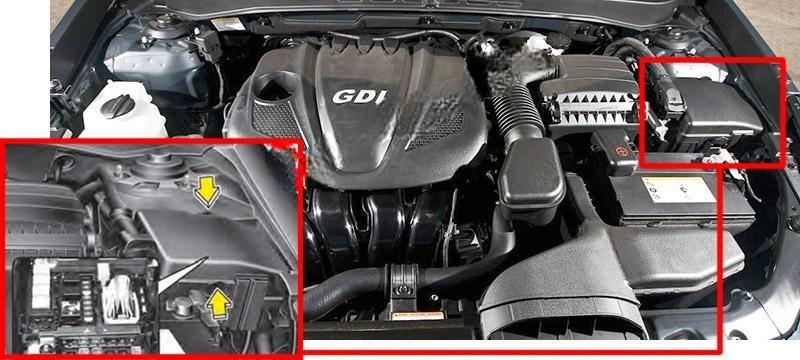
The 2011 Hyundai Sonata is engineered with two primary power distribution centers. Identifying the correct one is the first step in restoring your cruise control functionality.
Inside the Cabin: Accessing the Interior Junction Block
For most cruise control issues, the fuse you are looking for is located in the interior cabin.
Location: The interior junction block is situated on the driver’s side of the dashboard, typically behind a plastic cover near your left knee.
Accessibility: Use the finger-hold notch on the cover to pull it free.
Diagrams: You will find a label on the back of this cover that maps out exactly which slot correlates to the “Cruise” or “Module” circuit.
Under the Hood: Engine Compartment Fuse Box Layout
If the interior fuses are intact, the issue may stem from a higher-amperage feed located in the engine bay.
Layout: This box houses larger, high-amperage fuses and relays that manage the primary power distribution to the body control modules.
Safety: Always consult the owner’s manual diagram before pulling these, as they are essential for engine operation.
Never use metallic tools like screwdrivers to pry out fuses while the battery is connected. You risk shorting the terminals against the chassis, which could cause a spark and damage sensitive onboard computers.
How to Inspect and Replace 2011 Hyundai Sonata Cruise Control Fuses
Recommended Best Deal Products



Once you have located the panel, the process of checking your hardware is straightforward. Please adhere to these best practices to ensure your safety.

Prime for Young Adults — 6 Months Free
Students and 18–24s get six months of Prime free, then half price.
Start 6 Months Free
📋
Step-by-Step Guide
Turn off the ignition completely and remove the key to ensure no power is running through the circuit board.
Use the dedicated plastic fuse puller (usually found inside the fuse box cover) to gently grab the head of the blade fuse and pull it straight out.
Hold the fuse against a light source. If the metal filament inside is broken or the plastic is discolored/melted, the fuse is blown.
Safety Considerations for Replacement
Never substitute a fuse with a higher amperage rating. If a slot requires a 10A fuse, installing a 20A fuse creates a significant fire hazard, as the wiring is only rated for the lower current. If you must replace it, always use a fuse of the exact same color and value.
Advanced Troubleshooting for Persistent Cruise Control Failures
Recommended Best Deal Products


If you find that the fuse is perfectly fine, yet the cruise control still refuses to engage, the problem lies elsewhere in the system. As an industry expert, I often see cases where owners replace healthy fuses while ignoring the actual mechanical failure point.
By The Numbers
Brake Switch Failures
Clock Spring Issues
Is the Brake Light Switch to Blame?
The cruise control system is hardwired to disengage the moment it detects pressure on the brake pedal. If your brake light switch is faulty or stuck, the cruise control computer receives a constant signal that the brakes are applied, effectively disabling the cruise function for safety.
Signs of a Compromised Clock Spring
If you have trouble with your steering wheel buttons—such as audio controls or cruise settings failing sporadically—the clock spring (a ribbon cable inside the steering column) may be worn. This component allows for the connection between the rotating steering wheel and the fixed wiring harness.
Handling Repeatedly Blown Fuses
If a new fuse blows immediately upon installation, you are dealing with a hard short circuit. Do not continue to insert new fuses. This indicates that a wire in the harness is likely shorted to the frame. At this stage, professional diagnostic tools are needed to read Diagnostic Trouble Codes (DTCs) from the engine ECU to pinpoint where the electrical path has been compromised.
✅ When to DIY
- Visual fuse inspection
- Replacing a single blown fuse
- Checking the brake switch plug
❌ When to See a Pro
- Repeatedly blowing fuses
- Steering wheel button failure
- Wiring harness repair
Electrical issues in a 2011 Hyundai Sonata are generally manageable if you take a systematic approach. Fuses are a quick, low-cost fix for most electrical hiccups, but they are only one part of the ecosystem. Always use the correct amperage to avoid electrical fire risks and never ignore the underlying causes if fuses blow repeatedly. If replacing the fuse does not restore your cruise control, rely on a trusted local mechanic to inspect the brake switch or the steering column components. Accessing expert service locally is the most convenient way to ensure your vehicle remains safe and road-ready.

Audible Premium Plus — Annual Membership
12 audiobook credits up front, plus the full Audible catalogue.
See Annual Plans2011 Hyundai Sonata Cruise Control Fuse Location: Frequently Asked Questions
Why does my cruise control stop working when I hit a bump?
If your cruise control deactivates when hitting bumps, it usually indicates a loose connection rather than a blown fuse. Specifically, check the brake pedal position switch, which can become misaligned or worn, causing the system to sense a ‘brake’ signal momentarily. Additionally, check the clock spring located in the steering column, as a failing unit often results in intermittent cruise control and steering wheel button failure.
Is there a separate fuse for the cruise control switch?
No, there is rarely a dedicated fuse exclusively for the cruise control switch alone. Instead, the system is integrated into a multi-circuit control module. The cruise control functionality is typically bundled with the Engine Control Unit (ECU) power supply and the brake light circuit. If the brake light fuse blows, the cruise control system is automatically disabled by the vehicle’s safety software to prevent a dangerous acceleration scenario.
How do I know if the fuse is blown just by looking at it?
To inspect a fuse, pull it from the interior panel using a fuse puller. Look at the thin metal wire inside the transparent plastic casing. If the wire is broken or if there is a dark, burnt residue on the inside of the casing, the fuse has blown. If the wire appears intact and continuous, the fuse is likely functional, and you should look for issues elsewhere in the circuit.
Can I use a higher amperage fuse if the correct one isn’t available?
Never use a higher amperage fuse than what is specified in your owner’s manual or on the fuse box cover. The fuse is a protective device; installing one with a higher rating allows too much current to flow, which can melt your wiring harness, damage sensitive control modules, or even cause an electrical fire. Always use the exact amperage rating specified for your vehicle’s specific circuit.
Where can I find a diagram of my fuse box?
Your 2011 Hyundai Sonata fuse box diagram is located on the back of the interior dashboard cover and the under-hood engine bay fuse box lid. If these stickers are missing or damaged, you can access the official Hyundai owner’s manual online via the Hyundai website. Many local auto parts stores also carry service manuals or repair guides that provide detailed electrical layouts for your specific trim and engine model.