Toyota Highlander Cruise Control Not Working: Diagnosed & Fixed
Is your Toyota Highlander suddenly refusing to maintain speed on the highway, leaving you manually controlling the throttle? Drivers are often caught off guard when the cruise control system abruptly disengages or displays an “Unavailable” error message on the instrument cluster. Whether you are dealing with a flickering indicator or a total system lockout, understanding the diagnostic path is the first step toward reclaiming your driving comfort. In this guide, we break down the root causes of Toyota Highlander cruise control failure—from simple sensor debris to complex electrical faults—and show you how to diagnose and fix the issue.

Root Causes for Toyota Highlander Cruise Control Not Working
Recommended Best Deal Products


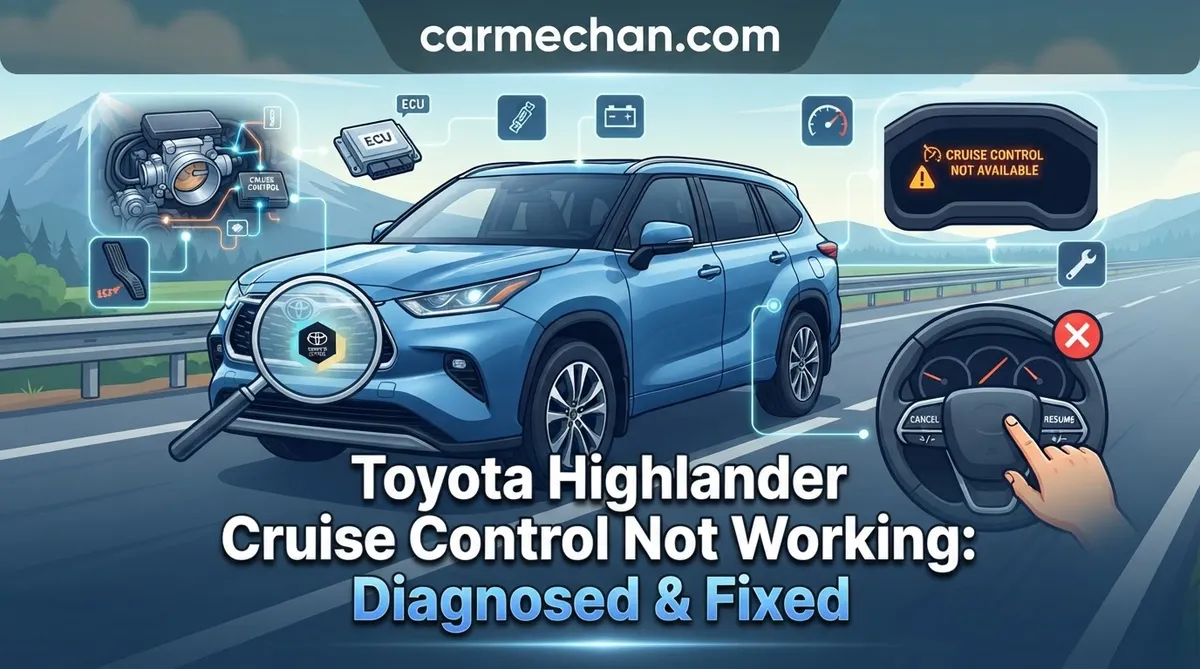
Modern Toyota Highlander vehicles utilize sophisticated driver-assist technologies, primarily bundled under the Toyota Safety Sense (TSS) suite. Because cruise control is no longer a simple mechanical throttle lock, it relies on a complex web of inputs. If any single component in this loop reports abnormal data, the system enters a fail-safe mode, effectively disabling cruise control to protect the driver.
📤 Share Image
How Diagnostic Trouble Codes Disable DRCC
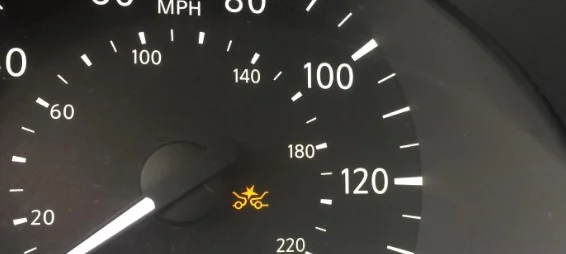
The Dynamic Radar Cruise Control (DRCC) system is highly sensitive to the health of the vehicle’s engine and powertrain. Research indicates that most modern Toyota systems automatically disable if any major fault code is present in the Engine Control Module (ECM) or ABS system. A Check Engine Light (CEL), VSC (Vehicle Stability Control), or ABS warning light usually triggers an immediate “Unavailable” message, as the computer cannot guarantee safe speed modulation when critical stability sensors are reporting errors.
Sensor Blockage and Environmental Factors
The heart of the TSS system is the millimeter-wave radar sensor, typically located behind the front grille emblem. The radar sensor must be clear of debris, mud, or snow to function. If you are driving in heavy rain, snow, or have a layer of mud covering the sensor, the system will lose its ability to track the vehicle ahead, resulting in an automatic shutdown.
The Critical Role of the Brake Light Switch
Safety interlocks are the primary cause of “silent” failures where no dashboard warning light illuminates. The brake light switch is a common and cheap fix for these issues. Since cruise control must disengage the moment you tap the brake pedal, the system constantly monitors the brake switch. If the switch becomes stuck or the signal is intermittent, the cruise module assumes the brake pedal is being pressed and refuses to engage.
Industry Data: Common Failure Modes
Sensor Obstruction/Faults
Brake Switch/Wiring
How to Diagnose and Fix Toyota Highlander Cruise Control Malfunctions
To effectively troubleshoot, you must adopt a systematic approach. Avoid the temptation to replace expensive modules before verifying simple, mechanical inputs.
📋
Diagnostic Step-by-Step
Recommended Best Deal Products

![[2026 Upgraded] DooGooCoo Windshield Sun Shade for Toyota Highlander 2020-2025 2026 [Cooling…](https://m.media-amazon.com/images/I/51vHom8xtgL._SS500_.jpg)
Examine the front emblem for buildup. Even a thin layer of road grime or thick frost can trigger a sensor blockage code. Clean the area with a non-abrasive microfiber cloth and ensure there is no damage to the plastic cover, which could interfere with radar pulses.
Plug a high-quality OBDII scanner into the port under the dash. Look specifically for ‘C’ (Chassis) or ‘U’ (Communication) codes. A code indicating a faulty wheel speed sensor or a communication error with the radar module often points to the culprit behind your cruise control failure.
Locate the switch at the top of the brake pedal arm. Ensure the plunger moves freely and the wiring harness is secure. If your brake lights remain on when the vehicle is off, or fail to illuminate entirely, the switch has likely failed, preventing the cruise control from setting.

Audible — Listen Free for 30 Days
One free credit a month and thousands of titles included.
Listen Free for 30 DaysRemember that the cruise control will not engage if the vehicle speed is below the manufacturer’s minimum threshold, typically 25 mph. Ensure you are testing the system at highway speeds, not in parking lot conditions.
Advanced Troubleshooting for Persistent Cruise Control Failures
If your initial diagnosis yields no simple solutions, you may be dealing with internal system degradation. At this level, it is vital to be cautious, as some components require specific calibration tools to function correctly.
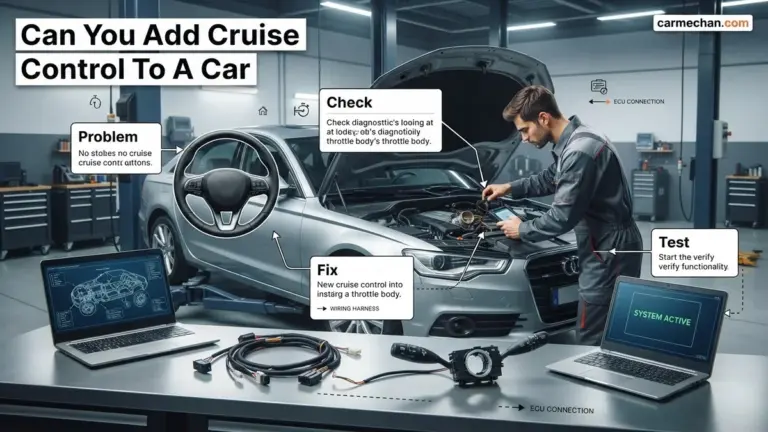
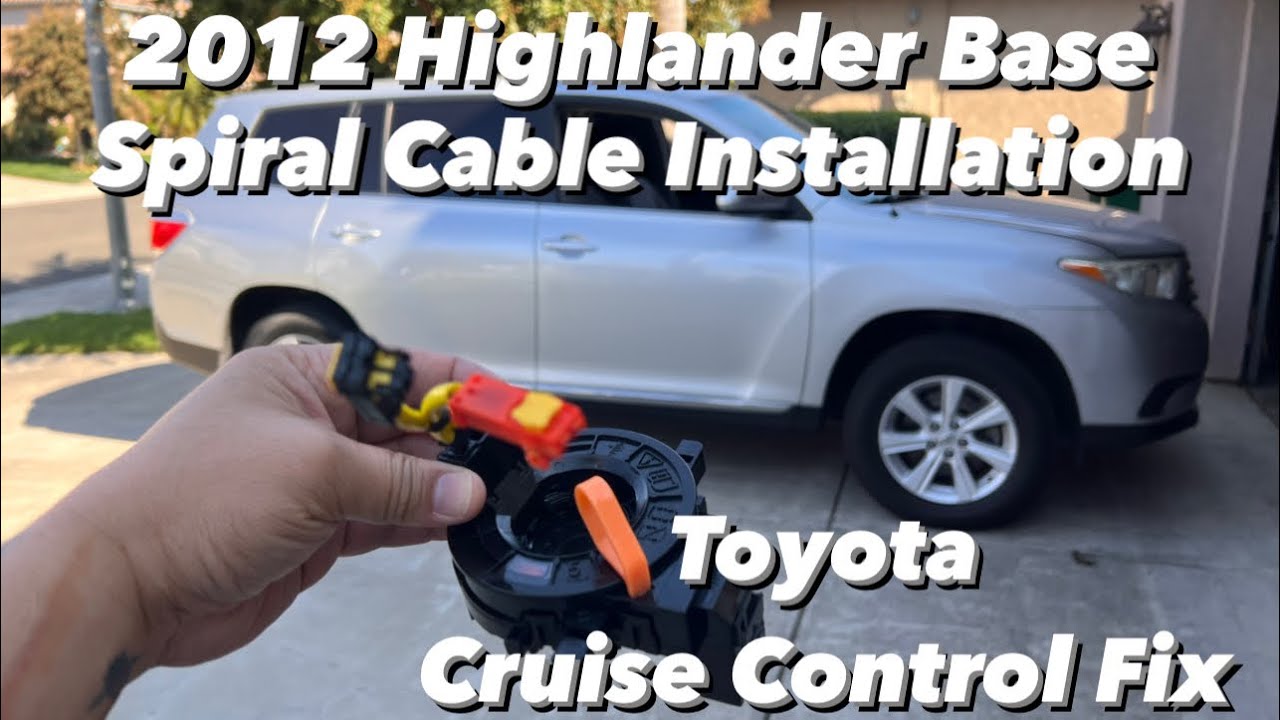
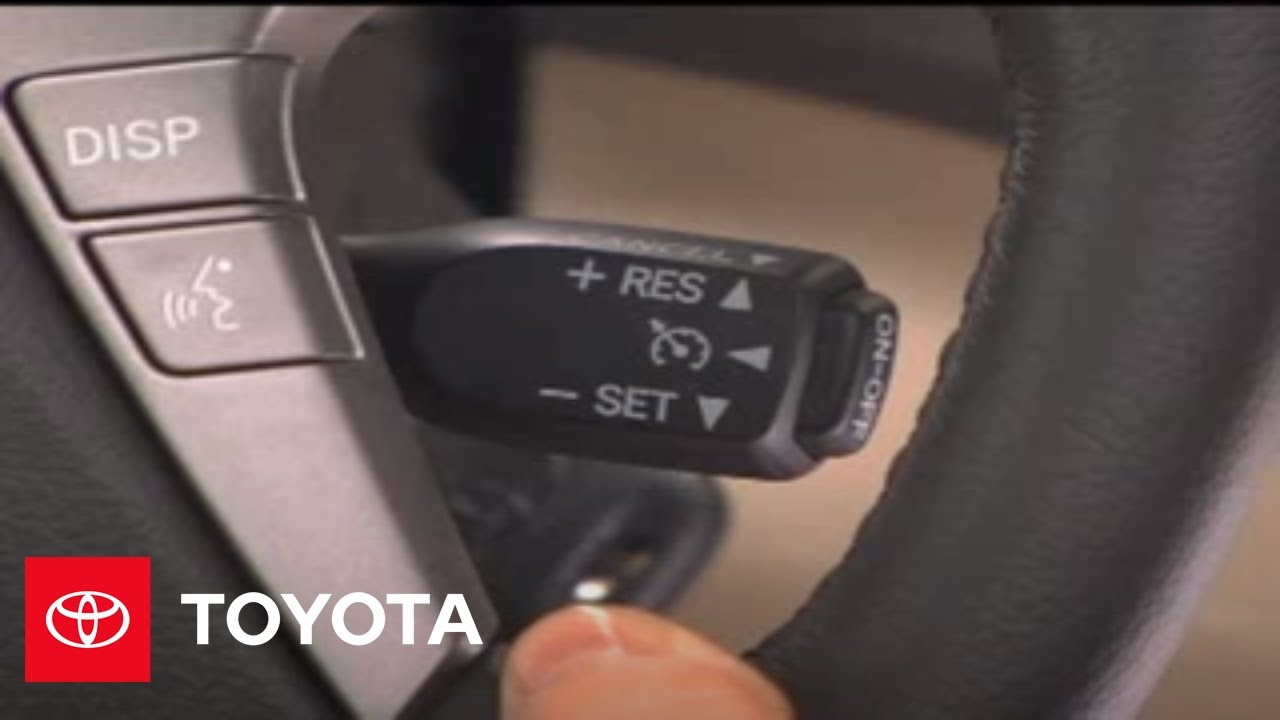
- Steering Wheel Spiral Cable (Clock Spring): If your steering wheel buttons (volume, cruise, menu) become intermittent or stop working entirely—especially when turning the wheel—the clock spring is likely damaged. This is a common wear item that disrupts the electrical signal from the steering wheel buttons to the ECM.
- Yaw Rate Sensors: If you receive VSC/Stability control warnings along with cruise control failures, the yaw rate sensor (which detects vehicle rotation) may have failed. This component is essential for modern cruise systems to monitor road safety.
- Professional Recalibration: If you have replaced the radar sensor or had a front-end collision, a DIY repair will likely fail to work. These units require professional alignment using specialized Toyota software. Attempting to force a calibration without the proper diagnostic suite is a common pitfall that can lead to hazardous system behavior.
Never attempt to dismantle the radar sensor unit yourself. The internal components are precision-aligned at the factory; opening the housing will almost certainly result in permanent failure and void any existing warranty or safety certification.
Toyota Highlander Cruise Control Technical Comparison Table
Recommended Best Deal Products


Understanding whether your vehicle is configured for Dynamic Radar Cruise Control or conventional operation is essential for effective diagnosis. While conventional systems have fewer failure points, modern Highlanders overwhelmingly utilize DRCC, which links directly to the vehicle’s overall safety health.
Most cruise control issues are triggered by external sensors or peripheral safety system alerts. Always start with simple checks like cleaning the front emblem sensor and inspecting your brake lights before diving into electrical diagnosis. Complex internal failures, such as clock spring damage or yaw sensor errors, are best handled by certified Toyota technicians who possess the necessary recalibration equipment. If basic troubleshooting fails to resolve your dashboard warnings, visit your local service center to ensure your Safety Sense suite is properly calibrated and safe for the road.
Toyota Highlander Cruise Control Not Working: Frequently Asked Questions
Why is my cruise control light flashing?
A flashing cruise control light typically indicates that the engine management system has detected a fault and has disabled the cruise control for safety. This is often associated with a Check Engine Light. It signifies that the ECU is preventing the cruise system from operating because it cannot guarantee the engine’s performance or safety parameters, requiring a diagnostic code scan to identify the specific error.
Does a check engine light disable cruise control?
Yes, absolutely. Toyota designs the cruise control system to automatically disengage and refuse to initialize if any diagnostic trouble code (DTC) is present in the engine management system. This is a failsafe measure to ensure that if there is an issue with fuel delivery, ignition, or emissions, the vehicle does not attempt to maintain speed automatically while engine performance is compromised.
Can a dirty radar sensor cause cruise control failure?
Yes, it is a very common cause for adaptive cruise control failure. The radar sensor, located behind the front grille or Toyota emblem, must have a clear path to monitor the distance to the vehicle ahead. If mud, ice, heavy snow, or even a thick layer of road grime covers the sensor, the system will trigger a ‘Radar Cruise Unavailable’ warning and disable the function.
Do I need to visit the dealer for a cruise control reset?
Not necessarily. If the issue is caused by a simple sensor obstruction or a temporary electrical glitch, clearing the codes or cleaning the sensor often resolves it. However, if the issue stems from a faulty radar module or a complex steering angle sensor misalignment, dealer-level diagnostic equipment and recalibration procedures are required to ensure the safety systems function correctly during operation.
Audible Premium Plus — Annual Membership
12 audiobook credits up front, plus the full Audible catalogue.
See Annual PlansIs a blown fuse a likely cause for cruise control failure?
A blown fuse is a very common and simple cause of failure. The cruise control system relies on dedicated electrical circuits that are protected by fuses. If you have confirmed that your brake lights are functioning correctly, the next step should always be checking your vehicle’s fuse box diagrams to verify that the fuse dedicated to the cruise control or the ECU integration has not blown.