Nissan Collision Warning Light Reset: What You Need to Know
Last Updated on December 21, 2025 by Ryan
📋 Table of Contents
Addressing your Nissan’s collision warning light is crucial for safety. This guide explains common causes and effective reset strategies to get your system functioning correctly.
🎯 Key Takeaways


- Understand common triggers for the warning light.
- Learn about system self-tests and checks.
- Identify factors affecting sensor performance.
- Explore professional diagnostic options.
- Know when to seek dealership assistance.
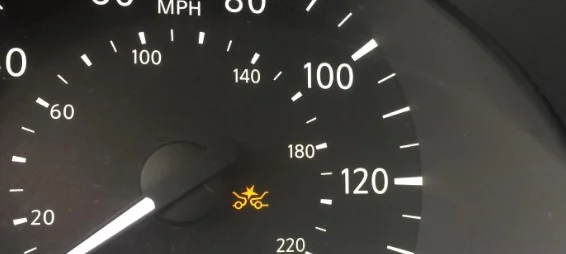
Ever found yourself in a situation where a sudden warning light flashed on your dashboard? It can be unnerving, especially when it concerns your car’s safety systems. Your Nissan’s collision warning light is one such system. It’s designed to help prevent accidents. But what happens when it decides to illuminate when you don’t expect it to? That’s where knowing how to reset it comes in handy. This post will guide you through understanding this vital feature.
The Nissan collision warning system is a smart piece of technology. It actively monitors the road ahead. Its goal is to keep you and your passengers safe. When the system detects a potential collision, it alerts you. This alert can be visual, audible, or both. Understanding how this system works is the first step to dealing with its warning light. We’ll explore what activates it and what you can do when it comes on.
Understanding the Nissan Collision Warning System


Your Nissan’s Forward Collision Warning (FCW) system is a key part of its safety suite. It uses sensors and cameras. These components constantly scan the area in front of your vehicle. They measure the distance to other cars. They also track your speed. If the system calculates a risk of a frontal collision, it intervenes. This intervention is designed to give you time to react. It’s a digital co-pilot looking out for you. You can often customize its sensitivity. This allows you to tailor its responses to your driving style. It’s important to know that this system is an aid. It is not a substitute for attentive driving. Always keep your eyes on the road.
How FCW Works
The FCW system relies on radar and camera technology. These are usually located on the front of your vehicle. The radar detects the speed and distance of vehicles ahead. The camera helps identify them. When the gap between your car and the car in front closes too quickly, the system alerts you. These alerts can take various forms. You might see a warning light on your dashboard. You may also hear a chime. Some systems provide a gentle brake application. This helps to slow your vehicle. It’s a layered approach to driver assistance. Your Nissan manual will detail the specific alerts for your model.
Benefits of the System
The primary benefit is accident prevention. By alerting you sooner, the system gives you more time to brake or steer away. This can significantly reduce the severity of an accident. It can even prevent one altogether. For new drivers, it can be an invaluable training tool. It helps build an awareness of safe following distances. For experienced drivers, it offers an extra layer of security. This is especially helpful on long journeys or in heavy traffic. Knowing it’s there can also reduce driver stress. It adds peace of mind to your daily commute.
Common Reasons for the Collision Warning Light Activation


Sometimes, the collision warning light comes on for reasons that aren’t immediately obvious. It might not always mean an imminent crash is detected. Several factors can cause the system to become overly sensitive or temporarily malfunction. Understanding these common triggers can help you troubleshoot the issue. It can also help you prevent false alarms. Often, a simple fix is all that is needed. Other times, it points to a sensor obstruction. We’ll look at the most frequent culprits behind that glowing light. Knowing these can save you unnecessary worry.
Sensor Obstructions and Environmental Factors
The sensors used by the collision warning system can be easily affected. Dirt, mud, snow, or ice buildup on the front grille or bumper can block them. Even a thick layer of frost can cause issues. Strong sunlight or glare can sometimes interfere with the camera. Heavy rain or fog can also reduce the system’s effectiveness. If the system can’t get a clear reading, it might activate the warning light. This is a safety feature. It’s telling you the system’s view is compromised. Always check the front of your vehicle for anything that might be blocking the sensors. Clearing these obstructions is often the simplest solution.
System Malfunctions and Calibration Issues
Like any complex electronic system, the collision warning system can occasionally experience glitches. A temporary electronic fault can cause the light to illuminate. Sometimes, after a minor fender bender or even hitting a large pothole, the sensors may need recalibration. This means they are no longer perfectly aligned. They might send incorrect data to the vehicle’s computer. If the warning light persists after clearing any sensor obstructions, a calibration issue might be the cause. This usually requires professional attention. A dealership or qualified mechanic can perform the necessary checks.
Factors Influencing Collision Warning System Accuracy
While your Nissan’s collision warning system is designed to be a robust safety feature, its effectiveness isn’t always absolute. Several external factors can influence how accurately it detects potential hazards and, consequently, how likely you are to see the warning light illuminate. Understanding these can help you interpret the system’s behavior and drive more safely.
Environmental Conditions
- Weather: Heavy rain, snow, fog, or even intense sunlight can impair the sensors and cameras used by the collision warning system. Reduced visibility means the system might not “see” objects as clearly as it normally would.
- Lighting: Driving at night or in dimly lit areas, especially without clear lane markings, can also challenge the system. Sudden changes in light, like exiting a tunnel, can temporarily confuse sensors.
Road and Object Characteristics
- Road Debris: Small objects on the road, like plastic bags or loose gravel, might not be significant enough for the system to register as a collision threat.
- Object Type: The system is optimized for detecting vehicles. Smaller objects like pedestrians or cyclists, or larger, unusually shaped objects, might be less reliably detected.
- Lane Markings: Faded, missing, or unconventional lane markings can hinder the system’s ability to understand your position within the lane, impacting its predictive capabilities.
It’s crucial to remember that the collision warning system is an aid, not a replacement for attentive driving. Always maintain a safe following distance and be aware of your surroundings, regardless of the system’s status.
When to Consult a Professional for Your Nissan
While many common issues with the Nissan collision warning light can be resolved with simple checks, there are specific situations where professional diagnosis is essential. Ignoring persistent warning lights or attempting complex repairs yourself can lead to further damage or compromised safety.
Persistent and Unexplained Warning Lights
- Constant Illumination: If the collision warning light stays on constantly, even after you’ve tried basic troubleshooting like checking for obstructions, it suggests a deeper underlying problem.
- Intermittent but Frequent: If the light flickers on and off without a clear trigger (like severe weather or a close call), it’s a sign that the system might be malfunctioning.
- False Warnings: Experiencing frequent, unwarranted collision warnings can be distracting and erode your confidence in the system. This often points to a sensor issue or calibration problem.
System Malfunctions and Damage
- Accident Aftermath: Following any minor fender-bender or accident, even if seemingly insignificant, it’s wise to have your collision warning system inspected. Sensors can be knocked out of alignment or damaged subtly.
- Recent Windshield Replacement: The forward-facing camera for the collision warning system is often mounted near or behind the windshield. A replacement could have inadvertently affected its calibration or connection.
- Unusual System Behavior: If the system seems to be acting erratically – for instance, not detecting objects it normally would, or reacting too late – it requires expert attention.
A qualified Nissan technician has the specialized tools and knowledge to accurately diagnose sensor malfunctions, recalibrate the system, and ensure all safety components are functioning as intended.
Conclusion
The Nissan collision warning light is a valuable safety feature designed to alert you to potential hazards. While it’s generally reliable, understanding factors that affect its accuracy and knowing when to seek professional help is key. Regularly checking for obstructions and being aware of environmental conditions can help prevent unnecessary warnings. If the light persists or you suspect a system malfunction, don’t hesitate to have your Nissan inspected by a qualified technician. Prioritizing the health of your safety systems ensures you and your passengers remain protected on the road.
💬 Quick Questions & Answers
Can I reset the Nissan collision warning light myself?
In many cases, the system may reset automatically after a driving cycle or clearing minor obstructions. However, persistent lights usually require diagnosis.
What causes the Nissan collision warning light to come on?
Obstructions to sensors (like dirt or snow), system malfunctions, or minor impacts can trigger the light.
Is it safe to drive with the collision warning light on?
While the vehicle is generally drivable, the collision warning and emergency braking features will be disabled, compromising safety.
How long does it take for the light to reset on its own?
An automatic reset can occur within a few minutes of driving or after turning the car off and on again, depending on the issue.
Does a dead battery affect the collision warning light?
Yes, a low or weak battery can sometimes cause various warning lights, including the collision warning system, to illuminate temporarily.
❓ Frequently Asked Questions
Why is my Nissan’s collision warning light illuminated?
The Nissan collision warning light typically illuminates due to an issue detected within the Forward Collision Warning (FCW) or Automatic Emergency Braking (AEB) system. This could be a temporary glitch, an obstruction blocking the radar sensor, or a more significant system fault requiring inspection.
What are the most frequent causes of a persistent Nissan collision warning light?
Frequent culprits include dirt, mud, snow, or ice obstructing the front radar sensor, especially in adverse weather. Minor damage to the sensor housing or bumper can also be a cause. Sometimes, a software issue or a component failure might be responsible.
How can I determine if my Nissan’s collision warning system is functioning correctly?
You can test its basic function by driving and allowing the system to alert you to a slowing vehicle ahead. However, a persistent warning light indicates it’s not operating correctly and needs professional evaluation to ensure its safety features are active.
What should I do if the Nissan collision warning light stays on after clearing visible obstructions?
If clearing obstructions like dirt or snow from the front sensor doesn’t resolve the issue, it’s advisable to visit your Nissan dealership or a trusted mechanic. They have specialized diagnostic tools to pinpoint the exact cause and perform necessary repairs.
Are there any DIY methods to reset the Nissan collision warning light for minor issues?
For very minor, temporary issues, turning the vehicle off, waiting a few minutes, and then restarting it can sometimes trigger a system self-reset. Driving at a moderate speed for a short period might also allow the system to recalibrate if an obstruction was briefly present.
What is the role of the radar sensor in the collision warning system?
The radar sensor, usually located behind the front grille or emblem, is the primary component that detects vehicles ahead. It measures distance and speed, feeding this data to the vehicle’s computer to activate warning alerts and emergency braking if a collision is imminent.