Signs Of Low Coolant In Car Real Signs Low Coolant Car 2026
Last Updated on September 1, 2026 by Albert Duke
When your car runs low on coolant, it typically exhibits several clear indicators such as a rising temperature gauge, a sweet smell, or visible leaks. Identifying these signs early and taking prompt action is crucial to prevent severe engine damage.
We will guide you through recognizing these symptoms, understanding the risks, and knowing exactly what steps to take next.
Identifying the signs of low coolant in car early is crucial to prevent serious engine damage. When your vehicle’s cooling system doesn’t have enough fluid, its ability to regulate engine temperature is severely compromised. This situation can quickly escalate from a minor inconvenience to a major, costly repair in 2026.
We will guide you through recognizing these critical indicators, understanding the underlying risks, and providing actionable steps to protect your engine. Early detection empowers you to address issues before they lead to catastrophic failure.
Key Takeaways


- Overheating is a primary low coolant symptom.
- Sweet smell or leaks indicate a coolant issue.
- Ignoring low coolant can destroy your engine.
- Always check coolant levels on a cool engine.
- Act immediately if low coolant is confirmed.
7 Critical Signs Your Car Has Low Coolant


Recognizing these critical signs is the crucial first step in addressing low coolant issues and safeguarding your vehicle.

Visual Leak Indicators
One of the most obvious indicators of low coolant is visible fluid on the ground or within the engine bay. Coolant can appear green, orange, pink, or blue depending on its type and is often sticky or greasy to the touch. Puddles under your car, streaks down the side of the radiator, or wet spots on hoses point directly to a leak.
We recommend checking your driveway after parking or inspecting the engine compartment after driving.
Sweet Odor Clues
A distinctive sweet, maple-syrup-like smell, particularly noticeable around your car or inside the cabin, is a strong indicator of a coolant leak. This odor arises when coolant escapes the system and evaporates on hot engine components. The sweet smell is characteristic of ethylene glycol, a primary component of most coolants, and signals an active leak needing immediate attention.
Overheating Warnings
Your dashboard’s temperature gauge rising consistently above its normal operating range is a classic sign of insufficient coolant. A healthy engine typically operates within a specific temperature window . Without adequate coolant, the engine cannot dissipate heat, leading to rapid overheating.
You might also notice steam emanating from under the hood as the coolant boils.
Dashboard Alerts
Modern vehicles often feature a dedicated “low coolant” or “check engine” warning light on the dashboard. These illuminated indicators signify a problem within the cooling system, prompting you to investigate. While not all warning lights directly indicate coolant issues, a significant percentage of generic check engine lights can be traced back to cooling system deficiencies .
Heater Malfunctions
If your car’s heater suddenly stops blowing warm air or only provides intermittent heat, it could be due to low coolant. The heater core, which uses hot engine coolant to warm the cabin, relies on a full and circulating coolant system. Insufficient coolant prevents proper heat exchange, resulting in a cold interior even when the engine is running hot.
Steam From Engine
Seeing plumes of white steam or vapor rising from under your car’s hood is an undeniable sign of a serious overheating issue, almost certainly caused by extremely low or absent coolant. This steam results from boiling coolant escaping the pressurized system, indicating critical heat levels within the engine.
Reservoir Level Drops
Regularly checking your coolant reservoir is a proactive measure. If you notice the coolant level consistently below the “MIN” or “COLD” mark on the translucent plastic reservoir, especially after the engine has fully cooled, it’s a clear indication of a coolant loss. A continuously dropping reservoir level, even after topping off, signals an ongoing leak within the system.
Understanding these tell-tale signs is only the beginning; next, we will explore the severe consequences of ignoring them.
What Happens If Your Engine Runs Low on Coolant


Ignoring low coolant levels carries severe risks, potentially leading to catastrophic and expensive engine damage.
Engine Overheating Damage
When coolant levels are low, the engine cannot regulate its temperature, leading to severe overheating. Prolonged exposure to excessive heat can warp engine components, including the cylinder heads and block. Engine replacement due to severe overheating can be extremely costly, often ranging from several thousand dollars to upwards of $10,000 or more, depending on the vehicle .
Manufacturers consistently warn drivers about the dangers of inadequate coolant levels . An estimated 15-20% of engine failures are linked to cooling system issues, underscoring the critical role of coolant.
Head Gasket Failure
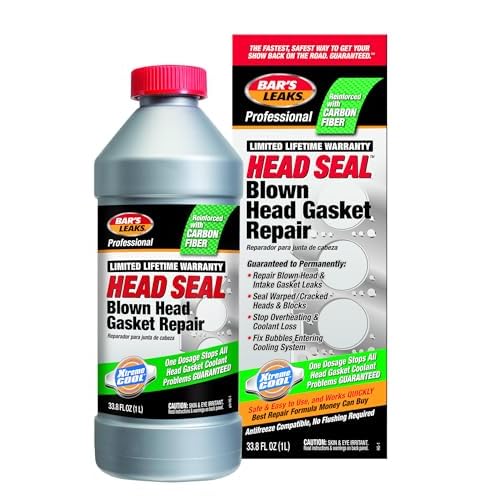
One of the most common and expensive consequences of severe overheating from low coolant is a blown head gasket. The head gasket seals the engine’s combustion chambers and coolant passages. Overheating can cause it to crack, leading to coolant leaking into the oil or combustion chambers, and exhaust gases entering the cooling system.
Head gasket repair typically costs between $1,500 and $3,000, sometimes even more for complex engines.
Radiator Compromise
Continuous overheating can severely damage the radiator itself. The extreme temperatures and pressures can cause the radiator’s plastic end tanks to crack or its internal fins to corrode and clog. This further reduces its efficiency, creating a vicious cycle of overheating and damage.
Water Pump Strain
The water pump circulates coolant throughout the engine. When coolant levels are low, the pump can run dry or struggle to move the remaining fluid, causing it to overheat and fail prematurely. A failing water pump often leaks, compounding the problem of low coolant and requiring costly replacement.
Heater Core Issues
The heater core, similar to a small radiator, relies on circulating hot coolant. Low coolant levels can prevent the heater core from receiving enough fluid, leading to reduced or no cabin heat. In severe cases, constant temperature fluctuations or lack of lubrication can damage the heater core, leading to internal leaks and a foggy windshield from evaporating coolant inside the car.
Now that we understand the gravity of low coolant, let’s investigate the root causes behind this common issue.
5 Common Reasons Your Coolant Level Drops
Understanding why your coolant level might be dropping is essential for both diagnosis and preventing future occurrences.
Leaking Hoses
One of the most frequent culprits for coolant loss is a compromised hose. Over time, rubber hoses can become brittle, crack, or develop punctures from wear and tear. Clamps can also loosen, leading to drips and leaks, especially at connection points near the radiator, engine block, or heater core. These external leaks are often visible as colored puddles.
Radiator Damage
The radiator is a critical component for heat exchange and is prone to damage. It can suffer from punctures (e.g., road debris), corrosion, or stress cracks, particularly in its plastic end tanks. This damage creates an exit point for coolant. Cooling system failures often involve radiator issues, and the average lifespan of a car radiator can vary widely but typically lasts 8-10 years before problems may arise .
Water Pump Failure
The water pump has internal seals and bearings that can wear out, leading to leaks. A common sign of a failing water pump is a drip or puddle directly underneath the pump itself, often near the front of the engine. Its mechanical components also weaken with age, reducing its efficiency and potentially causing coolant to escape.
Head Gasket Issues
As previously mentioned, a failing head gasket can allow coolant to leak internally into the engine’s combustion chambers or oil passages. This type of leak might not produce visible puddles but can manifest as white smoke from the exhaust, milky engine oil, or a persistent drop in coolant without an apparent external source.
Evaporation Loss
While the cooling system is designed to be sealed, a small amount of coolant can naturally evaporate over extended periods, especially in older systems or under extreme heat. This is typically a very slow process, but if your reservoir consistently drops over months without other symptoms, minor evaporation might be a contributing factor.
A worn radiator cap can also allow excessive evaporation due to poor pressure retention.
Once you suspect a drop in coolant, the next critical step is to safely verify the level yourself.
How to Safely Check Your Car’s Coolant Level
Before checking any automotive fluid, always prioritize safety to avoid burns or injury.
Engine Cool Down
Never open a hot radiator cap or check coolant levels when the engine is hot. The cooling system is pressurized, and opening it while hot can release scalding steam and hot coolant. Generally, waiting at least 30-60 minutes after the engine has been turned off, or until it is completely cool to the touch, is recommended to prevent scalding injuries .
Locate Reservoir
Identify your vehicle’s coolant overflow reservoir. This is typically a translucent plastic tank located somewhere in the engine bay, usually with “MIN” and “MAX” (or “COLD” and “HOT”) fill lines marked on its side. Consult your owner’s manual if you have difficulty locating it.
Inspect Fill Lines
With the engine cool and off, observe the coolant level within the reservoir. It should be between the “MIN” and “MAX” marks. If it’s below the “MIN” line, your car is low on coolant. [Internal Link: Understanding Your Car’s Dashboard Lights]
Note Color Clarity
Observe the color and clarity of the coolant. Healthy coolant is typically brightly colored (green, orange, pink, blue, or yellow) and clear. If the coolant appears murky, rusty, oily, or contains debris, it could indicate contamination or internal engine problems. Each color often corresponds to a specific type of coolant formula, and mixing incompatible types can cause system damage.
Check Radiator Cap
Only if the engine is completely cold, carefully remove the radiator cap (if accessible and your reservoir is empty). Inspect the underside of the cap for any signs of rust, cracks, or a degraded rubber seal, which can compromise the system’s pressure. The main purpose of the radiator cap is to maintain proper pressure within the cooling system.
After safely checking and confirming low coolant, swift action is paramount to protect your engine from further harm.
What to Do When Your Car Is Low on Coolant
If you’ve confirmed your car is low on coolant, taking immediate and correct action can prevent major engine damage.
Stop Safely Immediately
If your car overheats or you notice significant steam, pull over to a safe location and turn off the engine immediately. Continued driving with an overheating engine can cause irreversible damage, such as a cracked engine block or cylinder head. Your safety and the longevity of your vehicle depend on this rapid response.
Allow Engine to Cool
Do not attempt to open the radiator cap or add coolant to a hot engine. Wait at least 30 minutes to an hour for the engine to cool down completely. This prevents severe burns from pressurized hot coolant and steam. While waiting, you might inspect for obvious external leaks on hoses or under the car.
[External Link: Safety Guide for Car Overheating]
Add Emergency Coolant
Once the engine is cool, add a 50/50 mix of appropriate coolant and distilled water to the reservoir up to the “MAX” line. If you do not have coolant, distilled water can be used as a temporary emergency measure to get to a service station, but it lacks the corrosion protection and freezing/boiling points of proper coolant.
Only use the type of coolant specified for your vehicle . Universal coolants may be compatible for emergency top-offs in most cars, but always confirm with a professional.
Seek Professional Help
Topping off coolant is often a temporary fix. A persistent drop indicates a leak or other cooling system problem that needs professional diagnosis and repair. If your car rapidly loses coolant, or if the overheating was severe, it is always best to call a tow truck rather than risk further damage by driving to a mechanic.
Professional mechanics can perform pressure tests and comprehensive inspections to pinpoint the exact issue. Experts recommend professional coolant system checks every 2-3 years, or as per your vehicle’s maintenance schedule .
Monitor for Recurrence
Even after a repair, we recommend regularly checking your coolant level for the next few days or weeks. This helps ensure the repair was successful and that no other leaks have developed. Pay attention to your temperature gauge and any unusual smells or puddles. Proactive monitoring helps catch any new issues before they become critical.
[Internal Link: Essential Car Maintenance Checklist]
Proactive maintenance and understanding your vehicle’s needs are your best defense against cooling system failures.
Maintaining Your Car’s Vital Cooling System
Recognizing the signs of low coolant in car and knowing how to respond quickly are fundamental skills for any vehicle owner. Your car’s cooling system is paramount to its longevity, directly preventing catastrophic engine damage. By staying vigilant for symptoms like a rising temperature gauge, sweet smells, or visible leaks, you can address issues before they escalate.
Prompt action, whether it’s topping off coolant or seeking professional repair, safeguards your investment and ensures your vehicle remains reliable for years to come. We encourage you to make regular coolant checks a part of your routine maintenance.
Your Top 5 Questions About Car Coolant
Can I Drive My Car If the Coolant Is Low?
Driving with low coolant is extremely risky and can lead to severe engine damage, including overheating and head gasket failure. We recommend stopping immediately, allowing the engine to cool, and addressing the issue before resuming travel to prevent costly repairs. It is rarely worth the risk.
What Does Coolant Smell Like?
Coolant often has a distinctive sweet, syrupy odor, similar to maple syrup. If you smell this scent inside or outside your car, it is a strong indicator of a coolant leak. Prompt investigation is advised to locate the source and prevent further fluid loss.
How Often Should I Check My Car’s Coolant Level?
We recommend checking your car’s coolant level at least once a month, or before any long road trips. This proactive approach helps identify minor issues before they escalate, ensuring your cooling system remains efficient and your engine protected against overheating.
What Color Is Healthy Coolant?
Healthy coolant comes in various colors, including green, orange, pink, blue, or yellow, depending on the manufacturer and type. The key is that it should be clear and free of debris, rust, or oil. The color helps distinguish it from other fluids and indicates its specific chemical composition.
Is Low Coolant Always a Sign of a Leak?
While low coolant most commonly indicates a leak somewhere in the system, minor evaporation can occur over long periods. However, a noticeable or recurring drop almost always points to a compromised component. Always investigate further if levels are consistently low to rule out serious problems.