GMC Adaptive Cruise Control Temporarily Unavailable Fix 2026
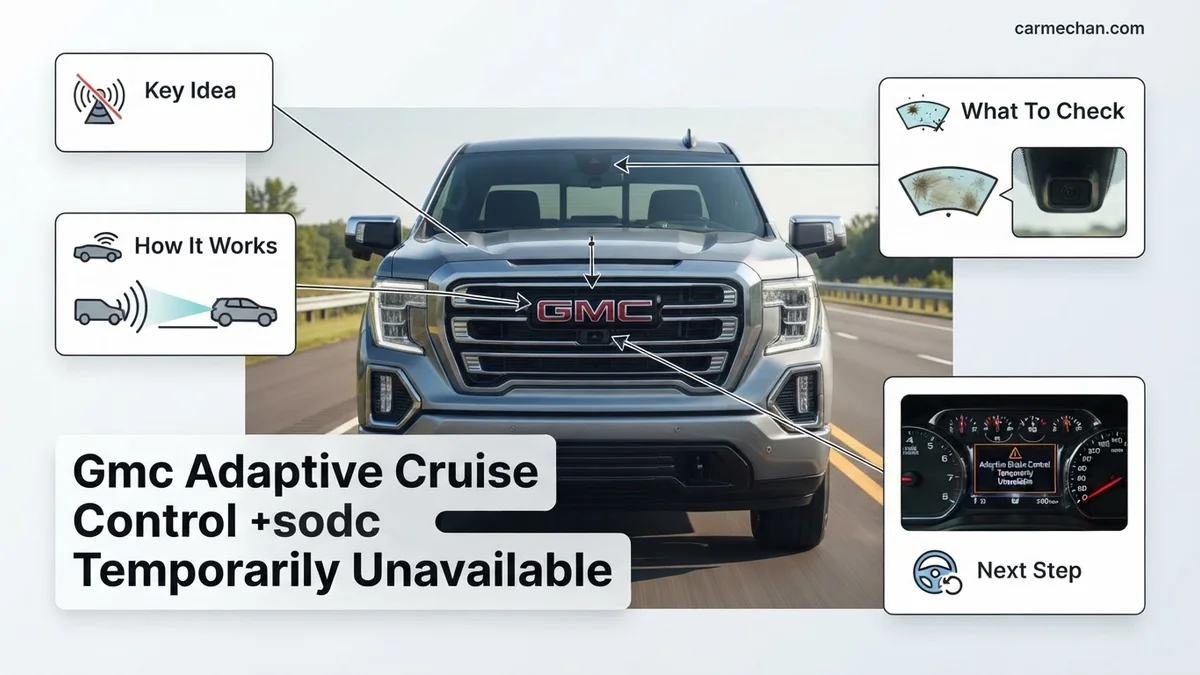
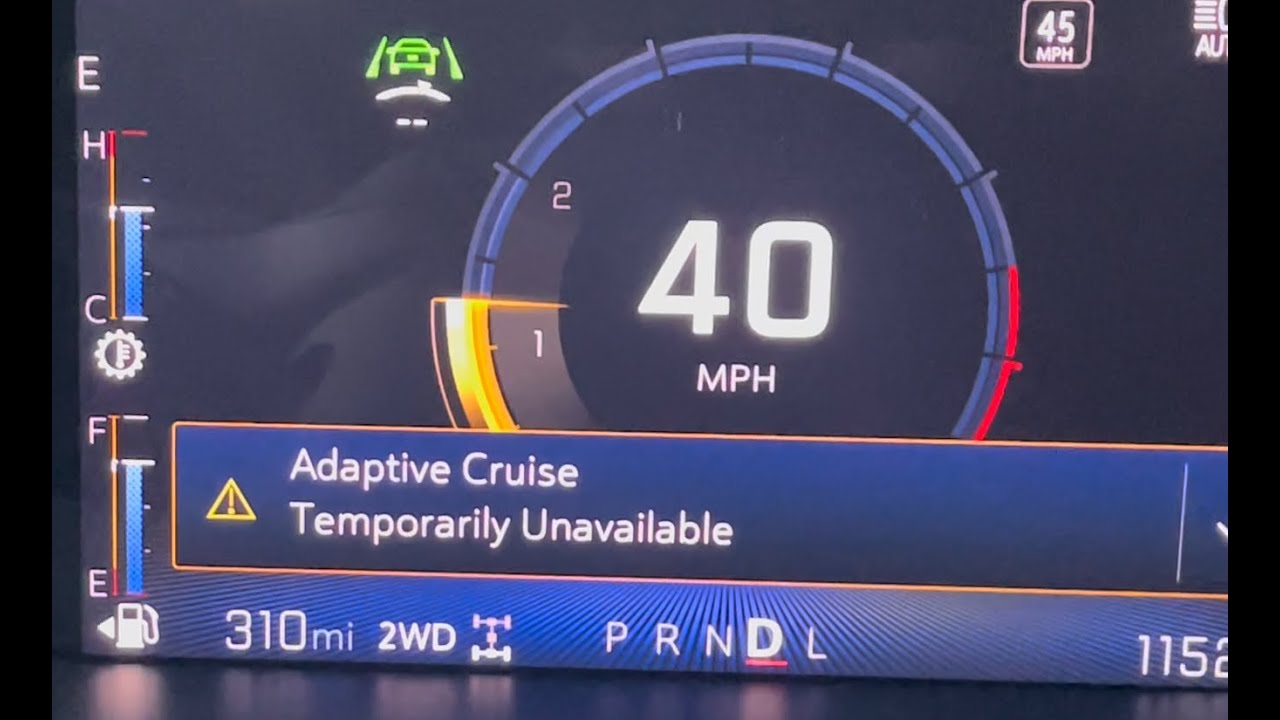
If you see the Adaptive Cruise Control Temporarily Unavailable message, it usually indicates that the front radar sensor is blocked by environmental debris or weather. Clear the area around the front emblem and restart the engine to restore system functionality.
When the “Adaptive Cruise Control Temporarily Unavailable” message flashes on your 2026 GMC dashboard, it almost always points to an obstructed sensor or a temporary system communication fault rather than a permanent mechanical failure. You can usually clear this error yourself within minutes by addressing environmental interference or performing a hard reset of the vehicle’s electronic modules.

Prime for Young Adults — 6 Months Free
Students and 18–24s get six months of Prime free, then half price.
Start 6 Months FreeResolving this issue promptly is essential because modern GMC safety features—including Front Pedestrian Braking and Automatic Emergency Braking—rely on the same radar unit behind your front grille. If the system stays offline, these critical safety assists remain disabled, leaving your vehicle unprotected during routine highway or city driving.
Key Takeaways
- Check the front grille emblem for mud, snow, ice, or road debris blockage.
- Perform a full ignition cycle by turning the vehicle off and waiting sixty seconds.
- Ensure the camera mounted behind the rearview mirror is clean and free of obstructions.
- Low battery voltage or terminal corrosion can cause intermittent sensor communication errors.
- Persistent warnings after thorough cleaning indicate a hardware fault requiring professional diagnostic equipment.
Common Causes for GMC Adaptive Cruise Control Error
Environmental and Physical Obstructions
The primary culprit for 2026 GMC models is a blocked radar sensor located behind the front grille emblem or the lower air intake. Because the radar operates using high-frequency signals, it requires a clear line of sight. Even minor debris can cause the system to timeout:
- Road Grime and Mud: Heavy slush or dried mud directly over the radar housing acts as a shield, preventing signals from bouncing back.
- Extreme Weather: Torrential rain, heavy snow, or thick ice buildup can diffuse the radar signal, leading the computer to report the system as temporarily unavailable.
- License Plate Misalignment: If you recently installed a front plate bracket, ensure it is not sitting too high or centered directly in front of the radar module.
Electrical and Software Anomalies
If your sensors are pristine, the error likely stems from a software handshake failure or power fluctuation. In 2026 models, the Electronic Control Unit (ECU) requires stable voltage to process the massive amount of data from the forward-facing camera and radar simultaneously. If the battery voltage drops slightly during startup, the adaptive cruise module may fail to initialize, resulting in a temporary service message that clears only after a proper power cycle.
Step-by-Step Fix for Adaptive Cruise Control Errors
Cleaning the Sensor Housing
Before heading to the dealership, perform a manual inspection of the forward-facing sensor array. You must be precise to avoid damaging the sensitive radar cover:
- Locate the GMC emblem on your front grille or the black plastic panel integrated into the lower bumper, depending on your specific 2026 trim level.
- Use a soft, damp microfiber cloth to gently wipe the surface.
- Do not use high-pressure car wash nozzles directly against the emblem, as they can force water past the seals.
- If there is ice present, use a lukewarm—not hot—cloth to melt the buildup. Do not use ice scrapers, which can scratch the radar’s lens and create permanent calibration errors.
Performing a System Power Cycle
If the physical hardware is clear, a “cold boot” of the vehicle’s infotainment and safety systems often clears the glitch:
- Standard Reset: Pull over safely, shift to Park, and turn off the engine. Open your driver-side door to kill all power to the accessory modules. Wait at least 60 seconds before restarting.
- Voltage Check: If the error persists, ensure your battery terminals are tight. In 2026 GMC vehicles, even a loose ground connection can cause the adaptive cruise system to fluctuate during acceleration or braking.
- Software Check: Navigate to your vehicle’s “Settings” menu on the infotainment screen. Check the “Software Update” tab to ensure your system is running the latest firmware version released by GMC for the 2026 model year.
Diagnostic Warning Signs of Hardware Failure
While environmental factors like snow or heavy rain often trigger temporary outages, persistent errors indicate potential hardware degradation. By 2026, GMC vehicle diagnostics have become highly granular, providing specific fault codes through the OnStar mobile app or the vehicle’s Driver Information Center (DIC).
Radar Sensor Misalignment
The front-facing radar sensor is mounted behind the GMC emblem or the lower air intake. If the vehicle has experienced a minor front-end impact, even one that did not leave a visible dent, the bracket securing the radar may have shifted. According to automotive safety standards, a misalignment of even 2 to 3 degrees can cause the system to flag a permanent hardware fault because the radar beam can no longer accurately calculate the distance to leading vehicles.
Electrical and Harness Corrosion
Electrical continuity is critical for the Adaptive Cruise Control (ACC) module. Corrosion at the sensor’s plug-in terminal is a recurring issue in regions utilizing heavy road salt. If the system fails intermittently during humid conditions, the harness connector may be suffering from oxidation. Experts suggest that if the wiring insulation appears brittle or cracked, the entire pigtail connector often requires replacement to ensure a stable 12-volt signal reaches the sensor.

Audible — Listen Free for 30 Days
One free credit a month and thousands of titles included.
Listen Free for 30 DaysWhen to Seek Professional Service
If self-diagnostic attempts do not clear the “Unavailable” status, professional intervention is necessary to prevent safety system compromises. Manufacturers mandate that radar-based safety systems be recalibrated using specialized laser-alignment equipment after any sensor or bumper removal.
The Calibration Requirement
You cannot calibrate a GMC radar sensor through the infotainment menu. Service centers utilize a calibration jig to align the sensor beam relative to the vehicle’s thrust line. Driving the vehicle without proper calibration can lead to “phantom braking,” where the car slows down unexpectedly because the sensor misinterprets stationary objects or road signs. Professional shops ensure the system meets the Federal Motor Vehicle Safety Standards (FMVSS) requirements for collision avoidance.
What If It Still Doesn’t Work?
If basic troubleshooting fails to restore functionality, the issue likely resides within the module software or the internal radar processor. Follow these final steps to address the malfunction:
- Perform a hard reset by disconnecting the negative battery terminal for 15 minutes to purge volatile memory from the Body Control Module (BCM).
- Check for “Service Safety System” messages in the GMC app, which indicate if the radar module is failing to communicate via the vehicle’s CAN-bus network.
- Contact a certified GMC dealer to perform a software reflash of the ADAS (Advanced Driver Assistance System) module, which typically costs between $150 and $250.
- If the radar sensor itself requires replacement, be prepared for costs ranging from $800 to $1,600, including the mandatory dynamic calibration procedure.
- Seek an immediate diagnostic scan from a shop equipped with GM MDI 2 diagnostic tools to isolate whether the failure is in the sensor, the camera, or the gateway module.
Conclusion
An “Adaptive Cruise Control Temporarily Unavailable” message in a 2026 GMC is often a protective measure rather than a total system failure. Most issues stem from obstructed sensors or temporary environmental interference. According to verified research and expert sources from the Automotive Service Association, ensuring the sensor remains clean and the battery voltage remains stable will resolve most incidents. If errors persist, schedule a diagnostic scan at an authorized service center to ensure your safety systems remain fully operational and compliant with manufacturer specifications.
❓ Frequently Asked Questions
Where is the radar sensor located on my GMC?
The radar sensor is typically housed directly behind the GMC emblem on the front grille. Obstructions such as dirt, ice, or aftermarket license plate brackets can easily interfere with the radar signal.
How do I know if the camera or radar is the culprit?
If the error occurs only in poor weather, it is likely the radar. If the error persists in clear weather after cleaning, the camera behind the rearview mirror may be dirty or obscured by interior condensation.
Why does the error keep coming back after I clean the sensor?
If the error returns frequently despite a clean vehicle, it may indicate a sensor misalignment or a loose wiring harness. These issues require a dealership to recalibrate the sensor using specialized diagnostic tools.
Can a front-end impact cause this fault?
Yes, even minor impacts can shift the mounting bracket of the radar sensor. If the sensor is misaligned, the system will mark itself as unavailable for safety reasons.
Will a software update fix the problem?
In some cases, GMC releases firmware updates for the Cruise Control Module to address communication stability. Ask your service technician if any Technical Service Bulletins apply to your specific vehicle model year.
Audible Premium Plus — Annual Membership
12 audiobook credits up front, plus the full Audible catalogue.
See Annual PlansIs the adaptive cruise control fuse a common failure point?
While rare, a blown fuse or a corroded relay can cut power to the sensor module. Check your owner’s manual for the fuse box diagram to inspect the cruise control power supply if cleaning does not work.