How Do Electric Cars Work? Understanding EV Power & Components
Last Updated on September 1, 2026 by Ryan
Electric cars fundamentally work by converting electricity stored in a battery into mechanical motion using an electric motor. The battery supplies DC power, which an inverter converts to AC power to drive the motor, propelling the vehicle efficiently and quietly. A sophisticated control system manages this entire process, including regenerative braking.
🎯 Key Takeaways


- EVs convert battery electricity to wheel motion via a motor.
- The inverter is crucial for efficient motor control and power conversion.
- Regenerative braking recharges the battery while slowing down.
- Electric vehicles have significantly fewer moving parts than gasoline cars.
- Battery capacity directly impacts an EV’s driving range and charging speed.
Electric cars move by masterfully converting stored electrical energy into precise mechanical motion. At its core, an EV’s propulsion relies on a seamless interplay between a high-voltage battery, an inverter, and an electric motor, all orchestrated by sophisticated power electronics. Understanding this fundamental process demystifies how these silent, powerful vehicles achieve their impressive performance and efficiency.

This isn’t just technical knowledge; it explains the immediate torque you feel, the quiet ride, and why driving an electric vehicle feels distinctly different. You’ll gain a clear picture of how electric power transforms into propulsion, revealing the elegant engineering that powers your drive.
Understanding the Core Electric Vehicle Powertrain
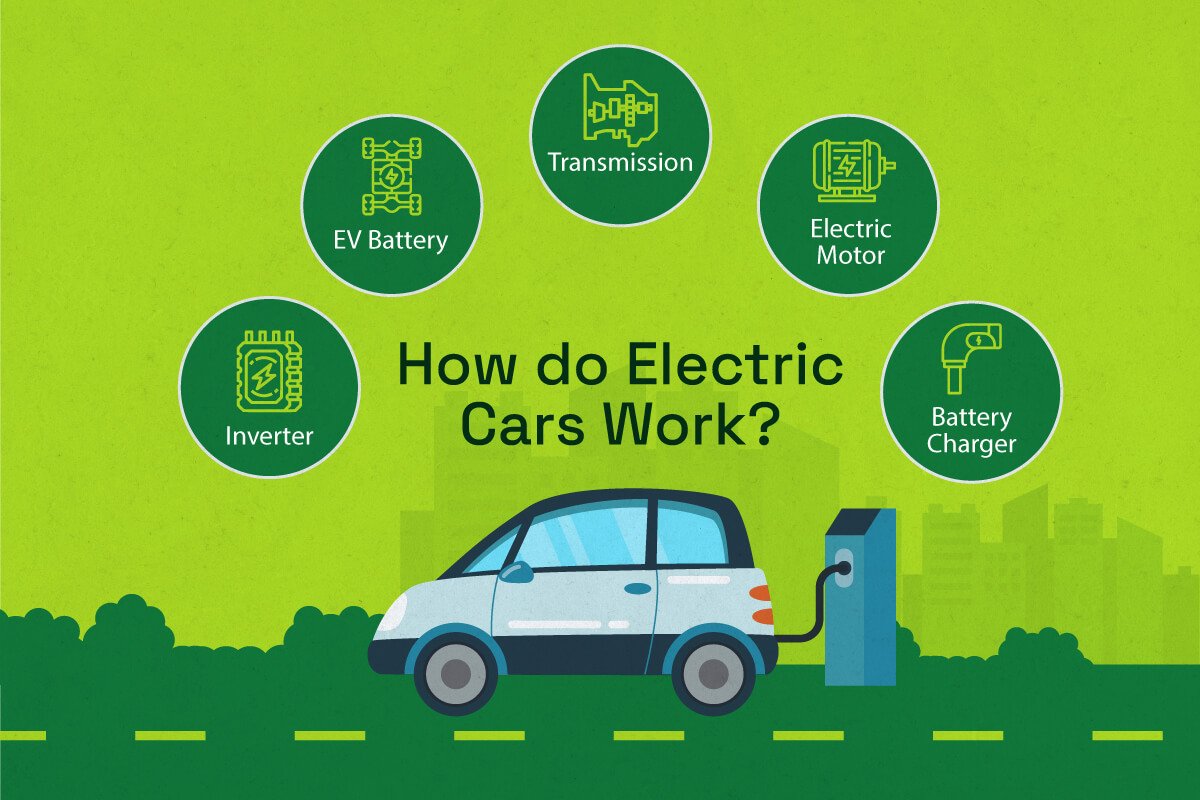
The heart of any electric vehicle is its powertrain, a system significantly simpler than an internal combustion engine (ICE) setup. It fundamentally comprises four main components: the battery pack, the inverter, the electric motor, and the drivetrain. These elements work in concert to convert chemical energy stored in the battery into the rotational force that moves your wheels.
The Battery Pack: Your Car’s Energy Reservoir
The high-voltage battery pack is more than just a power source; it’s a meticulously engineered system. It stores the electrical energy needed to power the motor, typically operating at voltages ranging from 400V to 800V in modern EVs. This pack consists of thousands of individual lithium-ion cells, carefully monitored and managed for temperature and state of charge.
- Energy Storage: The battery stores direct current (DC) electricity, ready to be dispatched.
- Thermal Management: Integrated cooling and heating systems ensure the battery operates within optimal temperature ranges, crucial for performance and longevity.
- High Voltage: Delivers significant power, allowing for rapid acceleration and sustained speed.
The Electric Motor: Instant Torque Creator
The electric motor is the component that translates electrical energy into physical movement. Unlike a gasoline engine that needs to rev up, an electric motor delivers instant maximum torque from zero revolutions per minute (RPM). This characteristic is why EVs feel so responsive off the line.
- Energy Conversion: Transforms alternating current (AC) electricity into mechanical rotational force (torque).
- Efficiency: Electric motors are incredibly efficient, often converting 85-95% of electrical energy into motion, compared to 20-40% for ICEs.
- Dual Function: It can also act as a generator during deceleration, a process known as regenerative braking.
<h2>The Ultimate Electric Car Walkthrough</h2>
<p>Welcome to this comprehensive guide on understanding the intricate workings of an electric vehicle (EV). Unlike traditional gasoline cars, EVs operate on a fundamentally different principle, relying on electricity to power their movement. This guide will meticulously break down each core component and process, from the moment you plug in your car to the sensation of silent, instant torque on the road. Following these steps will provide you with a solid foundational knowledge, demystifying the technology that drives the future of personal transportation.</p>
<h3>Step 1: The High-Voltage Battery Pack – The Energy Reservoir</h3>
<p><strong>What you need:</strong> A deep understanding of lithium-ion battery chemistry, individual battery cells (e.g., 18650, 2170, pouch cells), a Battery Management System (BMS), and robust thermal management.</p>
<p><strong>Instructions:</strong> The journey begins with the high-voltage battery pack, typically located in the floorboard for optimal weight distribution and safety. This pack comprises thousands of individual lithium-ion cells, wired in series and parallel to achieve the desired voltage (e.g., 400V or 800V) and capacity (e.g., 60-100+ kWh). The Battery Management System (BMS) is crucial here; it monitors each cell’s voltage, temperature, and current, ensuring safe operation, preventing overcharging/discharging, and balancing cell states to maximize lifespan and performance. Energy is stored as direct current (DC) chemical potential, ready for conversion.</p>
<p><strong>Pro Tip:</strong> Battery degradation is natural but can be slowed. Avoid habitually charging to 100% or discharging below 20% unless necessary for long trips. Optimal charging usually stays between 20-80% for daily use to extend the pack’s overall health and longevity.</p>
<h3>Step 2: The Inverter – DC to AC Transformation</h3>
<p><strong>What you need:</strong> The high-voltage DC battery output, power electronics (e.g., IGBTs or SiC MOSFETs), advanced control algorithms, and a robust cooling system for the components.</p>
<p><strong>Instructions:</strong> The electricity stored in the battery pack is direct current (DC). However, most modern electric motors operate using alternating current (AC) for greater efficiency and power density. This is where the inverter (often referred to as the Power Electronics Controller or PEC) comes into play. The inverter takes the high-voltage DC from the battery and converts it into variable frequency, variable voltage AC power. Sophisticated power semiconductors rapidly switch on and off, creating a simulated AC waveform tailored precisely to the motor’s needs based on accelerator input. This conversion is highly efficient, often exceeding 95%.</p>
<p><strong>Pro Tip:</strong> The inverter is a critical component for both motor control and regenerative braking. Its efficiency directly impacts the vehicle’s range and responsiveness. Advances in silicon carbide (SiC) technology are making inverters smaller, lighter, and even more efficient, leading to better performance across the board.</p>
<h3>Step 3: The Electric Motor – Propulsion Powerhouse</h3>
<p><strong>What you need:</strong> The variable AC power from the inverter, a stator (stationary electromagnets), a rotor (rotating magnets or electromagnet), bearings, and a robust cooling system.</p>
<p><strong>Instructions:</strong> The transformed AC power from the inverter is fed directly into the electric motor. Modern EVs typically use Permanent Magnet Synchronous Motors (PMSM) or Induction Motors (IM). In a PMSM, the AC current flowing through the stator’s windings creates a rotating magnetic field. This field interacts with the permanent magnets on the rotor, causing the rotor to spin. The motor’s rotational speed and torque are precisely controlled by the inverter’s frequency and voltage output, directly responding to the driver’s accelerator pedal input. This process is inherently very efficient and delivers instant torque from 0 RPM.</p>
<p><strong>Pro Tip:</strong> Unlike internal combustion engines, electric motors deliver maximum torque immediately, contributing to the “ludicrous mode” acceleration many EVs are known for. Some vehicles may employ multiple motors (e.g., one per axle) for all-wheel drive capabilities and enhanced traction control through torque vectoring.</p>
<h3>Step 4: The Drivetrain – Delivering Power to the Wheels</h3>
<p><strong>What you need:</strong> The rotating shaft of the electric motor, a single-speed reduction gear, half-shafts, and the vehicle’s wheels.</p>
<p><strong>Instructions:</strong> Compared to complex multi-gear transmissions in gasoline cars, the EV drivetrain is remarkably simple. Because electric motors produce a wide, usable torque band across a broad RPM range, most electric cars utilize a single-speed reduction gear (a fixed gear ratio) to send power to the wheels. This gear ratio typically reduces the motor’s high RPM to a suitable speed for the wheels while multiplying torque. This simplified setup means fewer moving parts, less weight, higher efficiency, and virtually no shifting lag, resulting in a smooth, continuous acceleration experience direct to the half-shafts and then the wheels.</p>
<p><strong>Pro Tip:</strong> The single-speed gear is a key reason for the EV’s smooth, linear acceleration curve. While a few high-performance EVs experiment with multi-speed transmissions for extreme top speeds or efficiency, the vast majority benefit from the inherent simplicity and effectiveness of the single-speed reduction gear.</p>
<h3>Step 5: Regenerative Braking – Energy Recapture</h3>
<p><strong>What you need:</strong> The electric motor, the inverter, the battery pack, vehicle speed sensors, and brake pedal input.</p>
<p><strong>Instructions:</strong> One of the most ingenious features of electric vehicles is regenerative braking. When the driver lifts their foot off the accelerator or lightly presses the brake pedal, the electric motor’s role reverses. Instead of consuming electricity to spin, the spinning wheels (driven by the vehicle’s momentum) force the motor to turn. This effectively turns the motor into a generator, producing electricity. The inverter then converts this AC electricity back into DC, which is sent directly to the high-voltage battery pack for storage. This process efficiently recaptures kinetic energy that would otherwise be lost as heat through friction brakes, significantly extending range and reducing brake wear.</p>
<p><strong>Pro Tip:</strong> Mastering regenerative braking can significantly improve your EV’s efficiency. Many EVs allow you to adjust the level of regeneration, from a gentle coast to “one-pedal driving,” where lifting off the accelerator provides sufficient braking for most situations, maximizing energy recovery.</p>
<h3>Step 6: Charging Systems – Replenishing the Power</h3>
<p><strong>What you need:</strong> An external power source (AC grid), charging cables (e.g., J1772, CCS, NACS, CHAdeMO), an Onboard Charger (OBC), and the high-voltage battery pack.</p>
<p><strong>Instructions:</strong> To replenish the battery, electric cars connect to an external power source. There are two primary types of charging: Level 1 and 2 (AC charging) and Level 3 (DC Fast Charging). For AC charging, the external AC power is fed into the vehicle’s Onboard Charger (OBC). The OBC is an inverter in reverse; it converts the incoming AC power into DC power suitable for the battery. For DC Fast Charging, the conversion from AC to DC happens at the charging station itself, bypassing the OBC and feeding DC power directly to the battery via the BMS, allowing for much faster charging speeds due to higher power delivery (up to 350+ kW).</p>
<p><strong>Pro Tip:</strong> Understand the difference between AC and DC charging. AC charging is slower but kinder to the battery over time and is suitable for overnight home charging. DC Fast Charging is for quick top-ups during travel, but frequent high-power DC charging can generate more heat and potentially accelerate battery degradation if not properly managed by the BMS.</p>
<h3>Step 7: The Thermal Management System – Keeping Cool (or Warm)</h3>
<p><strong>What you need:</strong> Liquid cooling lines, pumps, radiators, chillers (for extreme heat), heating elements, sensors, and sophisticated control units.</p>
<p><strong>Instructions:</strong> Maintaining optimal operating temperatures for the battery pack, electric motors, and power electronics is crucial for efficiency, performance, and longevity. The thermal management system (TMS) circulates coolant (often a glycol-water mixture) through various components. During high-power discharge or fast charging, the TMS actively cools the battery to prevent overheating. In cold weather, it can pre-condition the battery to bring it up to an efficient operating temperature, as cold batteries perform poorly and charge slowly. The motors and inverters also have their own cooling circuits to dissipate the heat generated during operation, ensuring peak performance and preventing damage.</p>
<p><strong>Pro Tip:</strong> A well-designed thermal management system is a hallmark of a robust EV. Pre-conditioning your battery before a fast charge or hard drive (often managed automatically by the navigation system if a fast charger is set as a destination) can significantly improve charging speeds and overall performance.</p>
<h3>Step 8: The Onboard Computer & Control Systems – The Brains</h3>
<p><strong>What you need:</strong> Numerous Electronic Control Units (ECUs), sensor arrays (speed, temperature, voltage, current), sophisticated software algorithms, and a high-speed communication network (CAN bus or Ethernet).</p>
<p><strong>Instructions:</strong> Orchestrating all these complex systems is the vehicle’s sophisticated onboard computer and network of Electronic Control Units (ECUs). These “brains” constantly monitor every aspect of the vehicle’s operation – from driver input (accelerator, brake, steering) to battery state-of-charge, motor temperature, and external conditions. They process this data in milliseconds, sending precise commands to the inverter, BMS, thermal management system, and braking system. This intricate network ensures seamless integration, optimizes efficiency, maximizes safety, and provides the intuitive driving experience expected from a modern EV, often incorporating advanced driver-assistance systems (ADAS).</p>
<p><strong>Pro Tip:</strong> Modern EVs are essentially computers on wheels. Over-the-air (OTA) updates, similar to smartphone updates, can improve efficiency, add new features, and even enhance performance over time, extending the vehicle’s lifespan and capabilities beyond its initial purchase.</p>
<h3>✅ Final Checklist</h3>
<ul>
<li>Understand the flow of energy: Battery (DC) -> Inverter (DC to AC) -> Motor (AC) -> Wheels.</li>
<li>Recognize the dual role of the motor: Propulsion and regenerative braking (motor as generator).</li>
<li>Appreciate the simplicity of the single-speed drivetrain compared to ICE transmissions.</li>
<li>Distinguish between AC (Onboard Charger) and DC (Fast Charger) charging processes.</li>
<li>Confirm the critical functions of the BMS and Thermal Management System for battery health and performance.</li>
</ul>
<p><strong>Important Notes:</strong></p>
<ul>
<li><strong>Safety Considerations:</strong> High-voltage components in EVs carry significant electrical hazards. Never attempt to disassemble or repair high-voltage systems without proper training and safety equipment. Always consult a certified EV technician for any electrical system maintenance.</li>
<li><strong>When to Seek Professional Help:</strong> If you experience warning lights related to the powertrain, battery, or charging system, or notice unusual noises, smells, or performance changes, immediately contact an authorized EV service center. Tampering with these systems can void warranties and pose serious safety risks.</li>
<li><strong>Complexity and Maintenance:</strong> While EVs have fewer moving parts than ICE vehicles, their sophisticated electronics and battery systems require specialized diagnostic tools and expertise for maintenance. Regular software updates are also crucial for optimal performance and security.</li>
</ul>
The Journey of Power: From Battery to Wheels Explained
The journey of electrical power within an EV is a precisely managed flow. It begins in the battery, is transformed, regulated, and finally delivered to the wheels, all under the watchful eye of the vehicle’s control systems.
The Inverter: DC to AC Conversion
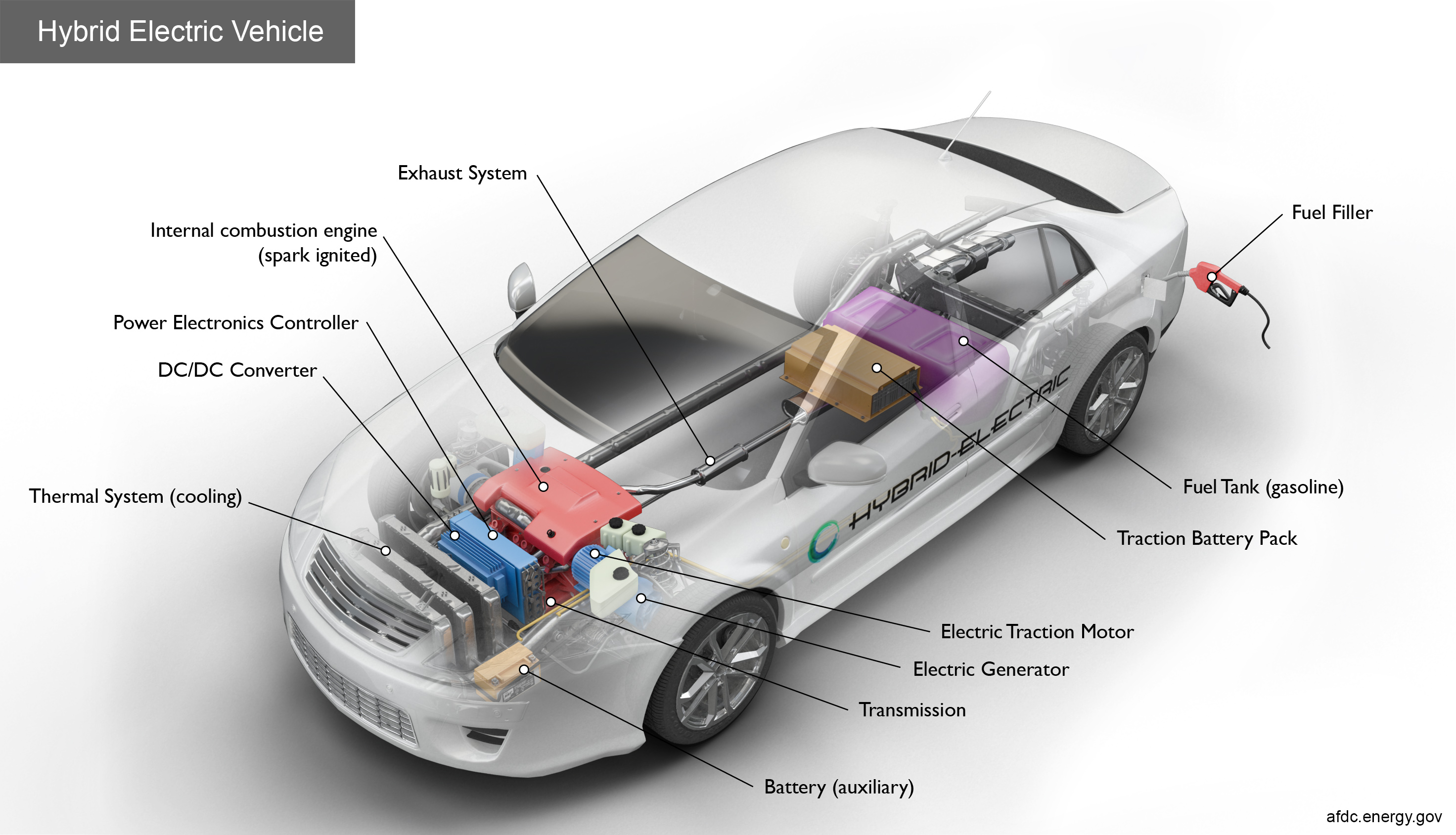
The inverter is a crucial bridge between your battery and your motor. While the battery stores and delivers high-voltage direct current (DC) power, most electric motors require alternating current (AC) to operate efficiently and variably. The inverter performs this critical conversion.
- DC to AC: It takes the high-voltage DC from the battery and converts it into variable-frequency, variable-voltage AC.
- Motor Control: By precisely adjusting the frequency and voltage of the AC, the inverter directly controls the electric motor’s speed, torque, and direction based on your accelerator input.
Power Electronics & Vehicle Control Unit: The Brains of the Operation
The sophisticated power electronics, often housed within a central Vehicle Control Unit (VCU) or Motor Controller, act as the brain of the EV. This unit receives all your driving inputs – how much you press the accelerator, how hard you brake, and more – and translates them into precise commands for the inverter and other systems.
- Input Interpretation: Processes driver demands for acceleration, braking, and steering.
- System Management: Manages the flow of power, optimizes efficiency, ensures safety protocols, and coordinates all major components.
Drivetrain: Delivering the Force
The drivetrain in an electric car is remarkably simpler than its gasoline counterpart. Because electric motors operate efficiently across a broad RPM range and deliver instant torque, complex multi-gear transmissions are usually unnecessary.
- Single-Speed Gearbox: Most EVs utilize a single-speed reduction gear, effectively acting as a fixed gear ratio.
- Direct Power: This gearbox transfers the rotational force directly from the electric motor to the drive wheels with minimal power loss.
- Efficiency and Simplicity: Fewer moving parts mean less friction, less maintenance, and greater efficiency.
Supporting Power Systems: Keeping Everything Running
Beyond the core propulsion, several other components ensure your EV functions seamlessly.
- Onboard Charger: When you plug your EV into an AC charging station (like a Level 1 or Level 2 home charger), the onboard charger converts that external AC power into DC power suitable for recharging your high-voltage battery pack.
- DC-DC Converter: Your car also needs power for standard 12V accessories like lights, infotainment, and safety systems. The DC-DC converter steps down the high-voltage DC from the main battery to 12V DC, which then charges your traditional 12V auxiliary battery and powers these low-voltage systems.
- Regenerative Braking: This clever system allows the electric motor to reverse its function. When you lift off the accelerator or press the brake, the motor acts as a generator, converting the car’s kinetic energy back into electricity and sending it to recharge the high-voltage battery. This significantly enhances efficiency and reduces wear on physical brake pads.
Beyond Propulsion: Essential Supporting EV Systems
While the battery, motor, and inverter are the stars of the show, a sophisticated network of other systems ensures an EV runs smoothly, safely, and efficiently. These components might not propel the car directly, but they are crucial for optimal performance and longevity.
Managing Power: The Battery Management System (BMS)
Think of the Battery Management System (BMS) as the brain of your EV’s battery pack. It’s an incredibly sophisticated piece of technology that constantly monitors and controls every aspect of the battery to ensure its health, safety, and performance.
- Constant Monitoring: The BMS tracks critical parameters for each individual cell within the battery pack, including voltage, current, and temperature.
- Cell Balancing: Over time, some battery cells might discharge or charge slightly differently. The BMS actively balances these cells, ensuring they work in harmony. This prevents individual cells from being overworked or underutilized, which significantly extends the overall life of the battery pack.
- Safety Guardian: It protects the battery from potentially damaging conditions like overcharging, over-discharging, overheating, and short circuits. This is vital for both the battery’s lifespan and passenger safety.
- Performance Optimization: By understanding the battery’s state of charge and health, the BMS can communicate with the rest of the car’s systems to optimize power delivery and charging speed. For instance, it might reduce power output if the battery is too hot or cold to prevent damage.
A well-managed battery, thanks to the BMS, can retain a significant portion of its capacity for hundreds of thousands of miles, much like a well-maintained traditional engine.
Keeping Cool: Thermal Management
Just like any complex machinery, electric car components generate heat. Effective thermal management is essential to keep the battery, electric motor, and inverter operating within their optimal temperature ranges. Extreme temperatures, hot or cold, can degrade performance, reduce efficiency, and shorten component lifespan.
- Multi-Component Cooling: Modern EVs feature dedicated liquid cooling systems, often with separate loops for the battery pack, motor, and power electronics. These systems circulate coolants to dissipate heat.
- Heating for Efficiency: In colder climates, the thermal management system can also pre-condition the battery by warming it up. A warmer battery accepts a charge faster and delivers more power efficiently.
- Impact on Fast Charging: Robust thermal management is key for fast charging. It allows the battery to accept high power inputs without overheating, which means you can spend less time waiting at charging stations. Without it, the car would have to slow down charging significantly to prevent damage.
This intelligent climate control ensures your EV performs consistently, whether you’re cruising on a hot summer day, navigating a winter storm, or pushing the car through spirited driving.
Comparing EV Operation to Internal Combustion Engines
Understanding the inner workings of an EV naturally leads to a comparison with the internal combustion engine (ICE) cars we’re all familiar with. While both get you from A to B, their fundamental operational principles are vastly different.
Simpler Drivetrains, Different Energy Sources
One of the most striking differences lies in the drivetrain’s complexity. EVs are inherently simpler mechanically.
- Mechanical Simplicity: EVs typically use a single-speed transmission or direct drive, eliminating the need for complex multi-gear gearboxes, torque converters, and clutches found in ICE vehicles. This means fewer moving parts, less friction, and less maintenance.
- Instant Torque: Electric motors deliver maximum torque almost instantly from a standstill. This is why EVs often feel incredibly quick off the line, without the need to “rev up” an engine to find its power band.
- Energy Source: ICE cars rely on the combustion of fossil fuels (gasoline or diesel) to create mechanical energy. EVs draw electricity from a battery, which is then converted into mechanical energy by the electric motor. This shift moves the “fueling” infrastructure from gas stations to charging points, often right at your home.
This mechanical simplicity often translates to a quieter, smoother driving experience and potentially lower long-term maintenance costs for EV owners.
Efficiency and Environmental Impact
When it comes to converting energy into motion, EVs are significantly more efficient than their gasoline counterparts.
- Superior Energy Conversion: Electric cars convert approximately 77% of the electrical energy from the grid into power at the wheels. Internal combustion engines, by contrast, typically convert only about 17-21% of the energy stored in gasoline into useful motion, with the rest lost as heat and friction.
- Regenerative Braking: A unique efficiency advantage for EVs is regenerative braking. Instead of simply dissipating kinetic energy as heat through friction brakes, EVs use the electric motor to slow down, simultaneously acting as a generator to send energy back to the battery. This not only extends range but also reduces wear on physical brakes.
- Emissions Profile: EVs produce zero tailpipe emissions, directly contributing to cleaner urban air. While the overall environmental impact depends on the source of electricity used to charge the vehicle, even when charged with grid electricity from fossil fuel sources, EVs generally have a lower carbon footprint over their lifecycle than comparable gasoline cars.
This combination of high efficiency and the ability to utilize increasingly renewable energy sources makes EVs a powerful tool in reducing our overall environmental impact.
The Future is Electric
As you can see, electric cars aren’t magic; they’re a marvel of engineering. From the powerful battery delivering energy to the intelligent motor turning wheels, and the sophisticated electronics ensuring everything runs smoothly, each component plays a vital role. Understanding how these systems work together reveals the elegance and efficiency behind the quiet hum of an EV.
The journey to electrification is well underway, offering a cleaner, often more exhilarating, driving experience. If you’re curious, consider taking an EV for a test drive to feel the instant torque and smooth acceleration firsthand. The future of driving is here, and it’s electric!
❓ Frequently Asked Questions
How does the electric motor in an EV actually generate motion?
An electric motor uses electromagnetic forces. When electricity flows through coils, it creates magnetic fields that interact with permanent magnets, causing the rotor to spin and generate mechanical power to turn the wheels.
What role does the inverter play in an electric car’s operation?
The inverter is vital; it converts the DC power from the battery into AC power needed to drive the electric motor. It also precisely controls the frequency and voltage of the AC power, thereby regulating the motor’s speed and torque.
Are all electric car batteries the same, and how do they impact performance?
No, EV batteries vary in chemistry, capacity, and packaging, with lithium-ion being the most common type. Battery capacity directly affects a car’s driving range and contributes to charging speed, while its power output influences acceleration.
How does an electric car start and stop, specifically regarding power flow?
When you ‘start’ an EV, the vehicle’s controller enables power flow from the battery to the inverter and then to the motor. To stop, the controller cuts power to the motor and activates the braking system, which often includes energy-recapturing regenerative braking.
What is the purpose of the DC-DC converter in an electric vehicle?
The DC-DC converter is essential for stepping down the high voltage from the main battery pack to a lower 12V DC current. This lower voltage powers the car’s auxiliary systems, such as lights, infotainment, power windows, and safety features.
How do electric cars manage heat, given they don’t have a traditional radiator like ICE cars?
Electric cars employ sophisticated thermal management systems that use liquid coolant to regulate the temperature of the battery pack, electric motor, and power electronics. This ensures optimal operating temperatures for efficiency, longevity, and consistent performance.