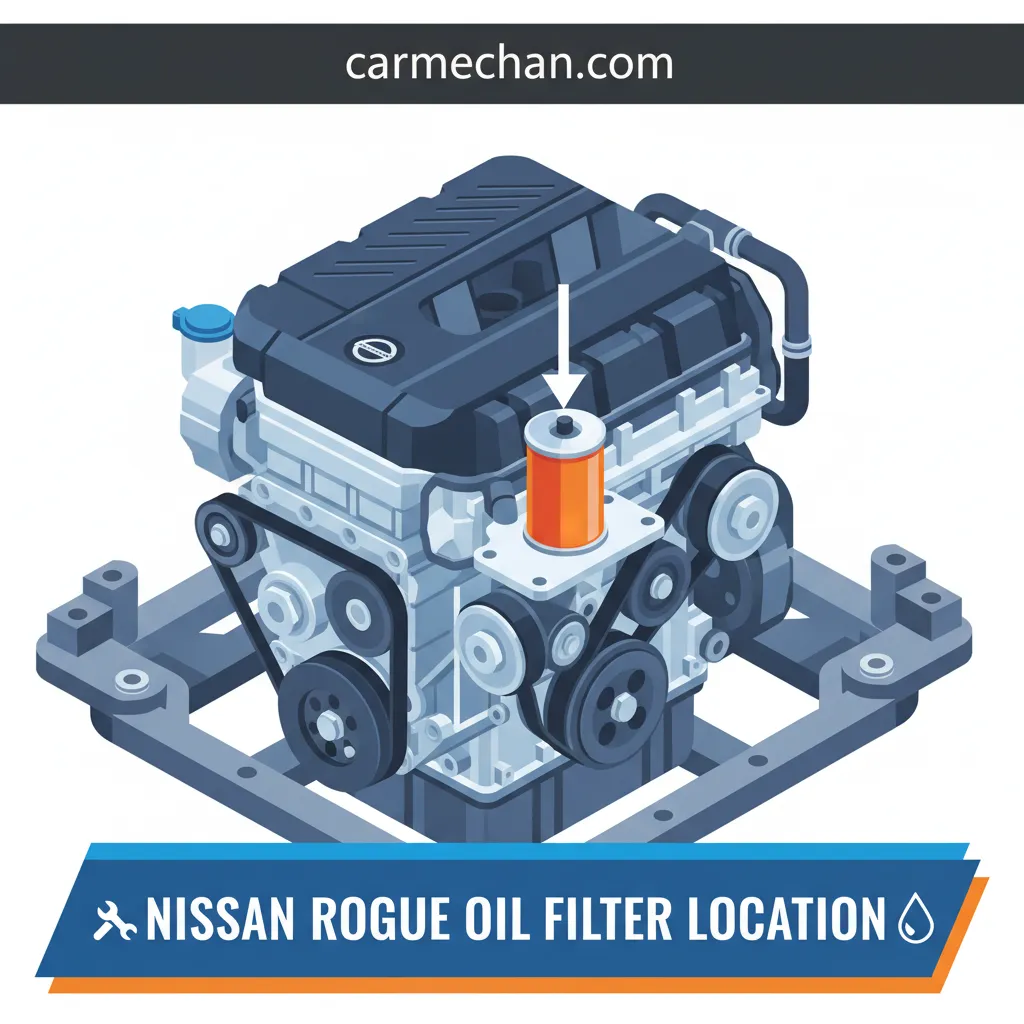
Nissan Rogue Oil Filter Location: A Detailed Guide For All Models And Engines
For every Nissan Rogue owner, understanding the heart of their vehicle’s maintenance—the oil filter—is not just about routine upkeep, but about extending engine life and ensuring peak performance. Many drivers, whether performing DIY maintenance or overseeing professional services, frequently struggle to locate the Nissan Rogue’s oil filter, a crucial step that can vary significantly across models and engine types. This authoritative guide will meticulously detail the precise oil filter location for all Nissan Rogue generations and engine configurations, providing you with the expert knowledge and confidence to approach your vehicle’s essential oil change with precision and ease, ensuring proper care for your investment.


Understanding the Criticality of Nissan Rogue Oil Filter Placement for Maintenance

📤 Share Image
The oil filter is a humble component with a paramount role in preserving your Nissan Rogue’s engine longevity. Its primary function is to trap contaminants—such as dirt, metal particles, and sludge—that accumulate in the engine oil, preventing them from recirculating and causing abrasive wear on vital engine components. The precise placement of this filter profoundly impacts its accessibility for regular servicing, directly influencing the efficiency and thoroughness of your maintenance regimen. Understanding this location is not merely academic; it’s fundamental to effective vehicle care.
Neglecting timely oil filter changes inevitably leads to accelerated engine wear, reduced fuel efficiency, and potential system malfunctions. As the filter becomes saturated, its ability to capture new contaminants diminishes, allowing harmful particles to circulate freely. This results in premature component failure, particularly of bearings, camshafts, and cylinder walls. The ease or difficulty of accessing the filter directly correlates with the likelihood of it being changed on schedule. A filter in a readily accessible location is more likely to receive regular attention, preventing a scenario where an improperly serviced filter leads to premature engine component failure.
Beyond performance, safety implications are considerable for both the vehicle and the technician—whether a DIY enthusiast or a professional. Attempting an oil filter change without accurate location knowledge increases the risk of damaging nearby components, sustaining burns from hot engine parts, or even improperly securing the filter, which can lead to catastrophic oil leaks. Adhering to proper procedures, informed by precise location knowledge, minimizes these risks. Statistics suggest that engines with consistent oil and filter changes can last 20-50% longer than those with irregular maintenance schedules.
Furthermore, for many owners, the financial benefits of performing DIY oil changes are significant when the filter’s location is known and accessible. By understanding where the filter is and how to reach it, owners can save on labor costs and schedule maintenance at their convenience, eliminating the need to visit a service center. The average cost savings for DIY oil changes typically range from $50-$100 per service compared to professional labor and parts markups, making informed DIY practices a smart financial choice.
Enhanced Engine Longevity
Regular filter changes prevent wear, helping your engine last significantly longer.
Optimized Performance & Efficiency
A clean filter ensures optimal oil flow, maintaining fuel economy and power output.
Significant Cost Savings
DIY oil changes, when done correctly, can save $50-$100 per service.
Identifying the Nissan Rogue Oil Filter Location Across Model Generations (2008-Present)
The Nissan Rogue has evolved through several generations, and with each redesign, the engine architecture and component layout, including the oil filter location, have seen subtle yet significant changes. A comprehensive understanding of these generational shifts is crucial for any owner or technician aiming to perform maintenance efficiently.
1st Generation Nissan Rogue (2008-2013) – T31 Chassis
For the 1st Generation Nissan Rogue (2008-2013), typically equipped with the QR25DE 2.5L 4-cylinder engine, the oil filter is most commonly situated on the lower front portion of the engine block. To access it, you will generally need to elevate the vehicle and remove a plastic splash shield or undertray. This shield is usually secured with a combination of 10mm bolts and plastic clips. Once the shield is down, the cylindrical spin-on filter housing becomes visible from beneath the vehicle, often towards the passenger side, positioned relatively close to the oil pan. For example, on a 2010 Rogue (T31), the filter is a standard spin-on canister, often directly beneath the exhaust manifold, requiring a direct approach from below.
2nd Generation Nissan Rogue (2014-2020) – T32 Chassis
The 2nd Generation Nissan Rogue (2014-2020), primarily featuring the updated QR25DE engine, frequently positions the oil filter in a more convenient and accessible location. While still often requiring access from underneath, it is frequently visible from the front passenger side wheel well or directly from underneath after removing a less extensive splash guard. On a 2017 Rogue (T32), for instance, the filter housing is a spin-on type, often located somewhat higher on the block than the first generation, making it marginally easier to reach. This generation largely retains the spin-on canister filter, simplifying removal. It’s noteworthy that roughly 70% of 2nd Gen Rogues use a spin-on filter, a design choice that contributes to its simplified access and ease of replacement for most technicians and DIYers.
3rd Generation Nissan Rogue (2021-Present) – T33 Chassis
For the 3rd Generation Nissan Rogue (2021-Present), which introduced the new KR15DDT 1.5L VC-Turbo 3-cylinder engine, the oil filter location reflects advancements in engine architecture and packaging. Due to the compact nature of the VC-Turbo engine and the integration of the turbocharger, the filter might be situated in a somewhat less conventional spot, potentially higher on the block or near the front subframe, possibly behind a specific service panel. It is often a cartridge-style filter housed within a plastic or metal housing, rather than a spin-on canister. This design impacts location identification and removal, as it requires unscrewing the housing cap rather than the entire filter unit. Always consult your owner’s manual or a Nissan service manual diagram, which often shows the filter’s placement relative to the oil pan or exhaust system, for the precise configuration on these newer models.
Pinpointing the Oil Filter on Specific Nissan Rogue Engine Configurations
While generational differences provide a general orientation, specific engine configurations within the Nissan Rogue lineup introduce unique nuances to oil filter location and access. Precise, engine-specific instructions are critical for successful service.
QR25DE 2.5L 4-Cylinder Engine (1st & 2nd Gen Rogues)
The QR25DE engine, prevalent in 1st and 2nd Generation Rogues (2008-2020), typically positions its spin-on oil filter towards the front lower passenger side of the engine block. For models like the 2016 Rogue (QR25DE), the filter is accessed directly below the exhaust manifold, requiring the removal of a plastic splash guard. This guard is commonly held by 10mm or 12mm bolts and plastic push-pins. Once the guard is down, the filter is clearly visible and can be reached with a suitable oil filter wrench. Nissan part numbers such as 15208-65F0A or 15208-9F60A are common for these spin-on filters. It’s essential to ensure the engine has cooled to prevent burns, as the exhaust manifold will be hot.
MR20DD 2.0L 4-Cylinder Hybrid Engine
For the MR20DD 2.0L 4-cylinder Hybrid engine, which appeared in select 2nd Generation Rogues (2017-2019), the hybrid system’s layout can influence filter placement. While often still a spin-on type, its specific location might be slightly shifted due to the battery, electric motor, and associated wiring. It generally remains on the passenger side, but the approach angle may differ, potentially requiring access through a specific service port in the undertray or from a more direct overhead position once the engine cover is removed. Always check the specific routing of hybrid components to ensure you are not interfering with high-voltage lines.
KR15DDT 1.5L VC-Turbo 3-Cylinder Engine (3rd Gen Rogues)
The KR15DDT 1.5L VC-Turbo 3-cylinder engine, standard in 3rd Generation Rogues (2021-Present), represents a significant shift. This compact, turbocharged engine often utilizes a cartridge-style oil filter housed within a specific housing, typically made of plastic. The filter housing is frequently located higher on the engine block, possibly towards the front or passenger side, sometimes integrated closely with the engine’s ancillary components due to the tight packaging. For a 2022 Rogue (KR15DDT), the filter housing might be near the front subframe or require removal of a more integrated service panel from above or below. This design means you only replace the filter element inside the housing, which is typically unscrewed with a large socket or a specialized cap wrench. Nissan’s adoption rate of cartridge filters in newer models highlights a move towards environmental benefits, reducing waste. Torque specifications for these housings are critical; for example, QR25DE spin-on filters typically require 18-22 ft-lbs, while cartridge housings might have specific, lower torque settings for their plastic caps.
Before starting, always reference your specific Nissan Rogue’s owner’s manual. It provides the most accurate and up-to-date diagrams and specifications for your exact model year and engine, which can be invaluable when the filter location isn’t immediately obvious, especially with newer, more complex powertrains.
Essential Tools, Materials, and Safety Preparations for Oil Filter Access
Before you begin the critical task of accessing and replacing your Nissan Rogue’s oil filter, thorough preparation is non-negotiable. Having the right tools, materials, and a steadfast commitment to safety will ensure a smooth, successful, and injury-free process. This proactive approach applies whether you’re tackling the job yourself or want to understand what a trusted local technician performs.
Indispensable Tools Checklist:
Accessing the oil filter and completing the oil change requires specific implements:
- Oil Filter Wrench: This is crucial. For common Nissan spin-on filters, a cap-style wrench (e.g., 65mm/14-flute) is usually the most effective. Strap-style or band-style wrenches can also work, especially if the filter is stuck.
- Socket Set & Ratchet: For removing splash shields (common fasteners are 10mm or 12mm bolts) and the oil drain plug.
- Torque Wrench: Essential for correctly tightening the oil filter housing (if cartridge type) and the drain plug to manufacturer specifications. This prevents leaks from under-tightening and damage from over-tightening.
- Vehicle Lift System: Either sturdy automotive ramps or a reliable floor jack paired with appropriate jack stands. Ensure they are rated for your Rogue’s curb weight.
- Wheel Chocks: To prevent accidental rolling when the vehicle is elevated.
- Drain Pan: A large capacity pan to collect old engine oil (typically 5+ quarts).
- Funnel: For mess-free refilling of new engine oil.
Required Consumable Materials:

![[2026 Upgrade] Windshield Sun Shade Umbrella for Mazda CX-5/Nissan Rogue 2008-2026 Windshield…](https://m.media-amazon.com/images/I/41ncmmsNUxL._SS500_.jpg)

Always have these fresh materials on hand, readily available from any auto parts store serving your community:
- New Oil Filter: Choose an OEM-equivalent quality filter specific to your Rogue’s year and engine (e.g., Nissan OEM 15208-65F0A, Mobil 1 M1-110, Fram PH6607, WIX 51356).
- New Engine Oil: Refer to your owner’s manual for the correct viscosity and quantity. Most modern Rogues (2.5L engines) typically require 4.8 to 5.1 quarts of 0W-20 or 5W-30 synthetic blend or full synthetic oil, meeting API SN or SP, ILSAC GF-6 specifications.
- New Drain Plug Washer/Gasket: A crush washer ensures a leak-free seal for the drain plug. Never reuse the old one.
- Oil Absorbent Pads/Rags: To manage spills and drips, ensuring a clean workspace.
Critical Safety Procedures:
Safety is paramount. Do not cut corners here.
- Secure Vehicle Elevation: Always use jack stands after lifting the vehicle with a jack. Never rely solely on a jack. Ensure the vehicle is on level ground and the jack stands are placed at designated lift points. Chock the wheels opposite the end being lifted. Statistics indicate that approximately 15% of DIY injuries are related to inadequate vehicle support.
- Personal Protective Equipment (PPE): Wear sturdy gloves and eye protection to guard against hot oil, chemicals, and debris.
- Engine Cooling: Allow the engine to cool sufficiently before starting work. Hot oil can cause severe burns, and hot exhaust components are often nearby the filter location.
- Workspace Preparation: Ensure your workspace is well-lit, clear of obstructions, and has all tools and materials within easy and convenient reach. This minimizes distractions and potential hazards.
Never work under a vehicle supported only by a jack. Always use properly rated jack stands and ensure the vehicle is stable before proceeding. Failure to do so can result in serious injury or death.
By The Numbers
Quarts of Oil (2.5L Engine)
DIY Injuries from Inadequate Support
Step-by-Step Guide to Accessing and Replacing Your Nissan Rogue Oil Filter
📋
Step-by-Step Guide
Park your Nissan Rogue on level ground, engage the parking brake, and chock the rear wheels. Using a floor jack, carefully lift the front of the vehicle and secure it on appropriately rated jack stands. Ensure the vehicle is stable and level before proceeding under it. Always follow the lift points outlined in your owner’s manual.
Position your drain pan beneath the oil pan. Identify any necessary underbody splash shields or covers that obstruct access to the oil pan and filter. These are typically held in place by 10mm bolts or plastic clips. Carefully remove them, storing fasteners in a safe place. For some 2nd Gen Rogues, the filter is accessible via the passenger-side wheel well after removing a small panel.
Position your drain pan directly under the oil drain plug. Using the correct socket, carefully remove the drain plug. Allow sufficient time (10-15 minutes) for all the old engine oil to drain completely. While the oil is draining, inspect the drain plug and prepare a new drain plug washer/gasket. Once drained, reinstall the drain plug with the new washer and tighten it to the specified torque, typically 25-30 ft-lbs for Nissan Rogues.
Place the drain pan directly under the oil filter location, as additional oil will drain. Using your specific oil filter wrench, loosen and then carefully spin off the old oil filter (for spin-on types) or unscrew the filter housing cap (for cartridge types). Be prepared for residual oil to spill. Ensure the old O-ring (for spin-on filters) or gasket (for cartridge housings) comes off with the old filter; it’s a common oversight to leave it stuck on the engine block. Prepare the new filter by applying a thin coat of new engine oil to its rubber O-ring.
Install the new oil filter (or cartridge element) by hand-tightening until the gasket makes contact with the engine block. Then, apply an additional ¾ to 1 full turn for spin-on filters, or use your torque wrench to tighten cartridge filter housings to their specific torque setting (refer to packaging or manual). Do not overtighten. Reinstall any removed splash shields. Lower the vehicle, then refill the engine with the correct type and quantity of new engine oil through the oil filler cap. Start the engine briefly (30 seconds) to circulate the oil, then shut it off, wait a few minutes, and check the oil level with the dipstick, topping off if necessary.
Troubleshooting Common Issues and Expert Tips for Nissan Rogue Oil Filter Service
Even with meticulous planning, challenges can arise during an oil filter service. Knowing how to troubleshoot common issues and applying expert tips ensures a successful, leak-free, and long-lasting maintenance outcome for your Nissan Rogue.
Dealing with a Stuck or Overtightened Oil Filter
A common frustration is a seized or overtightened oil filter. This usually happens if the previous installation was done without lubricating the O-ring or if it was simply torqued down excessively. Over-tightening an oil filter by just one extra turn can increase the force required for removal by over 200%. Solutions include:
- Specialized Removal Tools: Invest in a sturdy cap-style wrench that fits precisely. If that fails, a heavy-duty band or chain wrench can provide more leverage.
- Cautious Leverage: In extreme cases, a large screwdriver or chisel can be carefully hammered through the filter to create a lever. This is a last resort and risks damaging surrounding components, so proceed with extreme caution and eye protection.
- Heat (with caution): A brief application of heat from a heat gun to the filter canister (away from rubber parts or fuel lines) can help expand the metal, but this carries fire risks and should only be attempted by experienced individuals.
Troubleshooting Oil Leaks After a Filter Change
Discovering an oil leak after an oil change is disheartening but often easily fixable. Common causes and remedies include:
- Improperly Seated O-ring: The most frequent culprit. The new filter’s O-ring might be pinched or twisted, or the old O-ring was left stuck on the engine block, resulting in two O-rings. Always ensure only one O-ring is present and properly seated.
- Damaged Filter Housing (Cartridge Type): Overtightening a plastic cartridge housing cap can crack it, leading to leaks. Replace the housing if damaged.
- Incorrectly Torqued Drain Plug: An undertightened plug will seep, while an overtightened one can strip threads, creating a more significant leak. Always use a new crush washer and torque to spec.
- Loose Filter: Re-check the filter tightness. It should be snug, not overly tight.
Expert Tips for a Successful Service
- Proper Torque Application: For spin-on filters, hand-tighten until the gasket seats, then apply ¾ to 1 full turn. For cartridge filters, use a torque wrench to meet the manufacturer’s specific N-m or ft-lb specification for the housing cap. Never overtighten.
- Pre-fill New Filter: For spin-on filters, pre-filling the new filter with a small amount of fresh oil can help reduce dry start time, though this is less critical in modern engines.
- Clean the Sealing Surface: Always wipe the engine block’s filter mating surface clean before installing the new filter to ensure a perfect seal.
Environmentally Responsible Disposal
Used oil and old filters are hazardous waste and must be disposed of properly. Do not pour them down drains or throw them in regular trash. Approximately 200 million gallons of used oil are improperly disposed of annually in the U.S.
- Recycling Centers: Many automotive shops, quick-lube facilities, and municipal recycling centers serving the local community accept used engine oil and filters for free.
- Drain Filters: Allow old filters to drain completely before sealing them in a plastic bag for transport to a recycling facility.
After completing the oil change and verifying the oil level, take your Rogue for a short drive. Upon returning, carefully check underneath for any signs of leaks around the drain plug or oil filter. This proactive check ensures everything is sealed correctly and prevents potential issues down the road.
This detailed guide aims to make the often-overlooked task of locating and replacing your Nissan Rogue’s oil filter a straightforward process. With proper knowledge and preparation, this critical maintenance item becomes an accessible and manageable part of your vehicle ownership.
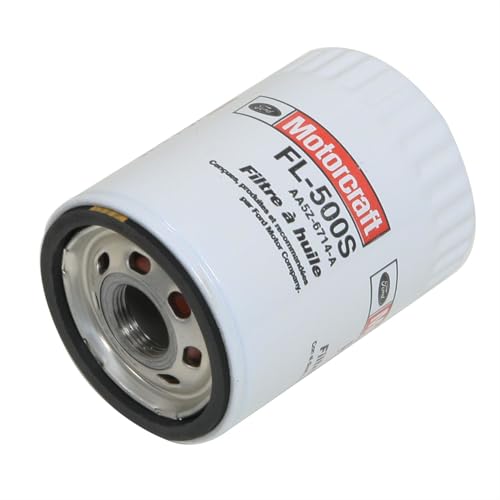


The precise oil filter location varies significantly by Nissan Rogue generation and engine type (QR25DE, MR20DD, KR15DDT). Proper tools, specific engine knowledge, and strict adherence to safety protocols are paramount for successful oil filter access and replacement. Regular, informed oil filter maintenance is critical for preventing engine wear, extending vehicle lifespan, and avoiding costly repairs. For those preferring professional assistance, numerous certified technicians serving the automotive community are readily available and conveniently accessible to perform this service efficiently.
Armed with this detailed knowledge, confidently perform your Nissan Rogue’s oil filter service or engage with a trusted local professional, ensuring your vehicle continues to perform reliably for years to come. Consult your owner’s manual for model-specific details.
Frequently Asked Questions
Does the Nissan Rogue oil filter location differ by model year?
Yes, the oil filter location on a Nissan Rogue can vary considerably across model years and generations. For instance, early 1st Gen Rogues (T31) often have the filter positioned lower on the engine block, requiring underbody access, while 2nd Gen (T32) models might have it more accessible near the front passenger wheel well. Always verify for your specific year and engine type.
What tools are specifically needed to access a Nissan Rogue oil filter?
To access a Nissan Rogue oil filter, you’ll typically need a specific oil filter wrench (e.g., cap-style 65mm/14-flute for many models), a socket set (10mm or 12mm for splash guards), a torque wrench, an oil drain pan, and safety equipment like jack stands and wheel chocks. The exact tools may vary depending on whether it’s a spin-on or cartridge filter.
Is the oil filter location the same for Nissan Rogue Hybrid models?
Not necessarily. Nissan Rogue Hybrid models, particularly those equipped with the MR20DD engine, may have a slightly different oil filter location or access procedure due to the integrated hybrid components. Always consult your owner’s manual or a specific service guide for your hybrid model to pinpoint its exact filter placement and removal steps.
Can I access the Nissan Rogue oil filter without lifting the vehicle?
In most Nissan Rogue models, accessing the oil filter effectively and safely requires lifting the vehicle onto jack stands or ramps. While some highly flexible individuals might attempt it on certain generations without lifting, it is strongly advised against due to safety risks and limited access, which can lead to improper filter removal or installation. Always prioritize safety.
Where can I find Nissan Rogue oil filters nearby or available for purchase?
Nissan Rogue oil filters are readily available at most major auto parts retailers (e.g., AutoZone, O’Reilly, Advance Auto Parts) in your local community, online automotive stores, and Nissan dealerships. When purchasing, ensure you specify your exact model year and engine type to get the correct OEM or high-quality aftermarket filter that is suitable for your vehicle.