2022 Mazda CX-5 TPMS Reset: Executed Step-by-Step
Is your 2022 Mazda CX-5 tire pressure light stubbornly glowing on your dash? This common annoyance often strikes after seasonal temperature shifts or a routine stop at the gas station to top off your tires. Many drivers find themselves cycling through menu screens, searching for a hidden reset button that simply doesn’t exist in the traditional sense. In this guide, we provide the definitive, manual-free method to recalibrate your 2022 Mazda CX-5 TPMS and ensure your vehicle is road-ready and properly monitored.

Understanding Triggers for the 2022 Mazda CX-5 TPMS Warning
Recommended Best Deal Products



📤 Share Image

What a Flashing Tire Warning Light Means
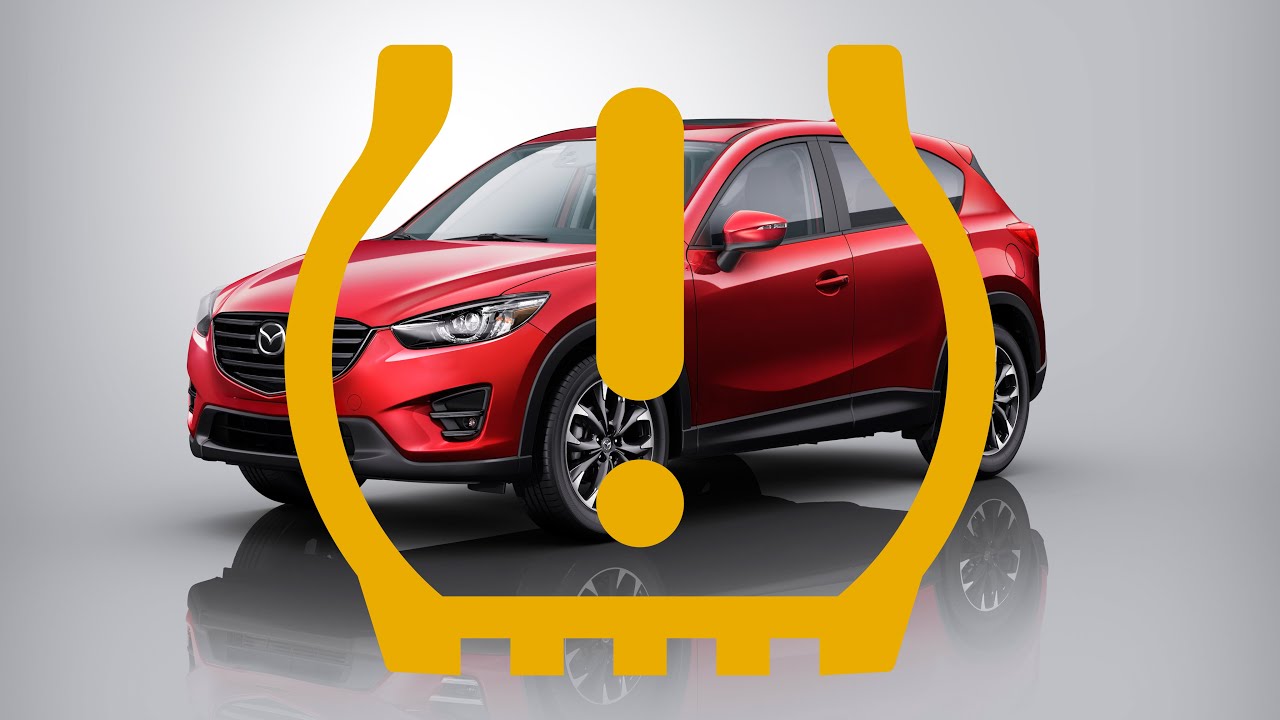
Most drivers associate the Tire Pressure Monitoring System (TPMS) light with simple under-inflation. However, there is a distinct difference in the warning behavior. If the TPMS light on your instrument cluster illuminates and stays solid, it indicates that one or more tires have fallen below the recommended pressure threshold.
Conversely, if the TPMS light flashes for approximately 60 to 90 seconds before remaining illuminated, this is a diagnostic signal. A flashing light points to a system fault, such as a dead battery in a sensor, a signal communication error with the Body Control Module (BCM), or a malfunctioning sensor unit. In these instances, a simple inflation adjustment will not clear the warning; professional diagnostic equipment is often required to isolate the faulty component.

How Cold Weather Impacts Your Mazda’s Tires
Physics plays a major role in your dashboard alerts. Air is a gas, and according to the Ideal Gas Law, pressure is directly related to temperature. Research indicates that for every 10-degree Fahrenheit drop in ambient temperature, tire pressure typically drops by approximately 1 to 2 PSI (Pounds per Square Inch). During seasonal changes, the pressure inside your tires can drop enough to trip the sensor, even if there isn’t a puncture or leak. This is why you will see a spike in TPMS alerts during the first major cold snap of the year.
By The Numbers
Temp Drop Correlation
Average Pressure Loss
Executing the 2022 Mazda CX-5 TPMS Reset Process
To restore your system to a fresh state, you must follow a specific sequence. Simply adding air to the tires will often clear the light automatically after a few miles, but performing a manual initialization ensures the sensors are synchronized correctly with the current pressure.
📋
Step-by-Step Guide to Initialization
Recommended Best Deal Products


Locate the sticker on the driver’s side door jamb. Inflate each tire to the specific PSI recommended by Mazda. Do not rely on the “Max PSI” printed on the tire sidewall, as this is a safety limit, not a performance recommendation.
With the ignition in the “ON” position (or vehicle parked), navigate the Mazda Connect display to “Settings,” then “Vehicle Settings.” Select “Tire Pressure Monitoring System” and choose “Initialize” to confirm the new values.
Once initialized, drive the vehicle for at least 10–20 minutes at speeds consistently above 15 mph. This allows the system to calibrate the sensors and establish a new baseline for tire rotation speeds.
Common 2022 Mazda CX-5 TPMS Reset Problems and Fixes
When the dashboard light remains stubborn after you have performed the proper inflation and initialization steps, it is time to shift from maintenance to troubleshooting.

Audible — Listen Free for 30 Days
One free credit a month and thousands of titles included.
Listen Free for 30 Days- Faulty Manual Gauge: Before assuming the system is broken, verify your pressures with a high-quality, calibrated manual tire pressure gauge. Cheap digital or stick gauges can be off by 2-3 PSI.
- Residual Pressure Errors: If you reset the system while the tires are hot (after long-distance driving), the pressure will be artificially high. Always check and adjust tire pressure when the tires are “cold”—meaning the vehicle has sat for at least three hours.
- The “Flashing” Culprit: If the light continues to flash despite correct tire pressure, you are likely dealing with a hardware failure. A sensor battery may have reached the end of its typical 7–10 year lifespan, or the sensor itself may have been damaged during a tire rotation or mounting process.
- ABS System Linkage: On some Mazda models, the system monitors wheel speed via the ABS sensors to determine tire pressure (indirect TPMS). If the ABS light is also illuminated, the TPMS system will fail to calibrate until the underlying wheel speed sensor issue is resolved.
Never ignore a flashing TPMS light. While a solid light usually means a simple air adjustment is needed, a flashing light is a clear indication that the monitoring system cannot effectively track your tire pressure. This places you at increased risk of driving on a dangerously under-inflated tire.
Tire Inflation and TPMS Best Practices
Recommended Best Deal Products


Maintaining your tire pressure is the most effective way to prevent premature wear and keep the TPMS system silent.
Avoiding the Maximum PSI Trap
Many owners mistakenly inflate tires to the “Max PSI” value molded into the tire sidewall. This figure is the maximum pressure the tire can handle under a maximum load—it is not the manufacturer’s recommended operating pressure. Over-inflating your tires leads to a harsh ride, uneven center-tread wear, and reduced traction. Always prioritize the door placard recommendation.
Direct vs Indirect TPMS Explained
Understanding how your car “sees” pressure is helpful for long-term maintenance.
If you have recently swapped to aftermarket wheels or winter tires, verify if they were installed with compatible TPMS sensors. If not, the vehicle will never be able to initialize the system, and the warning light will remain on indefinitely.
Final Guidance on TPMS System Maintenance
Properly managing your 2022 Mazda CX-5 TPMS involves a few consistent habits. Always remember to verify your tire PSI with a high-quality manual gauge before performing an initialization, as the system relies on accurate data to establish its new baseline. Use the infotainment system menu to trigger the initialization process, and be patient during the drive cycle—it is the final step required for the sensors to synchronize.
If the light remains illuminated after you have confirmed correct pressures and completed the drive cycle, your vehicle is likely signaling an internal fault. Do not ignore a persistent flashing light; instead, contact your local Mazda service center. Professional diagnostic tools are necessary to scan for specific trouble codes, identify a dead sensor, or recalibrate the BCM. Keeping your system in peak condition ensures not only a clean dashboard but, more importantly, optimal vehicle safety and tire longevity.
2022 Mazda cx-5 Tpms Reset: Frequently Asked Questions
Why does the tire pressure light stay on after I put air in the tires?
The 2022 Mazda CX-5 uses an indirect TPMS that tracks wheel rotation speeds via the ABS module. When you add air, you change the tire’s rolling diameter. Because the system is ‘calibrated’ to the previous, under-inflated state, it continues to trigger the warning until you manually initiate the reset process in the vehicle settings, forcing it to recognize the new, correct tire pressure as the new factory default.
Do I need a tool to reset the Mazda CX-5 TPMS?
No, you do not need any external electronic diagnostic tools or scan tools to perform a standard TPMS reset on a 2022 Mazda CX-5. All adjustments are made directly through the Mazda Connect infotainment screen. As long as your tires are correctly inflated, the onboard software manages the entire reset and calibration sequence without the need for additional hardware or a visit to the dealership.
Audible Premium Plus — Annual Membership
12 audiobook credits up front, plus the full Audible catalogue.
See Annual PlansHow long does the calibration process take?
While the button press to start the reset is instantaneous, the actual system calibration occurs while you drive. You typically need to operate the vehicle for 20 to 30 minutes at speeds consistently above 15 mph. This allows the ABS sensors enough road data to recalculate the rolling radius of the tires and establish a new baseline, effectively clearing the system and providing a clean, fresh start.
Does rotating my tires require a TPMS reset?
Yes, it is highly recommended to perform a reset after any tire rotation. Because the system uses indirect monitoring, changing the position of tires—which may have slightly different wear patterns—can alter the rotation data sent to the ABS module. Resetting the system ensures the car recognizes the current wheel positions, preventing false positives and ensuring the system functions accurately during your daily drive.
What does a flashing TPMS light indicate?
A flashing TPMS light that eventually turns into a solid light typically indicates a malfunction within the monitoring system itself, rather than a low-pressure situation. This often points to an issue with an ABS sensor, the tire pressure control module, or a wiring communication error. If you see a flashing light, you should schedule a diagnostic inspection, as the system may be unable to monitor your tire pressure until the fault is corrected.