5 Best Oils for Nissan Altima: Model Year Guide 2026
Last Updated on September 1, 2026 by Ryan
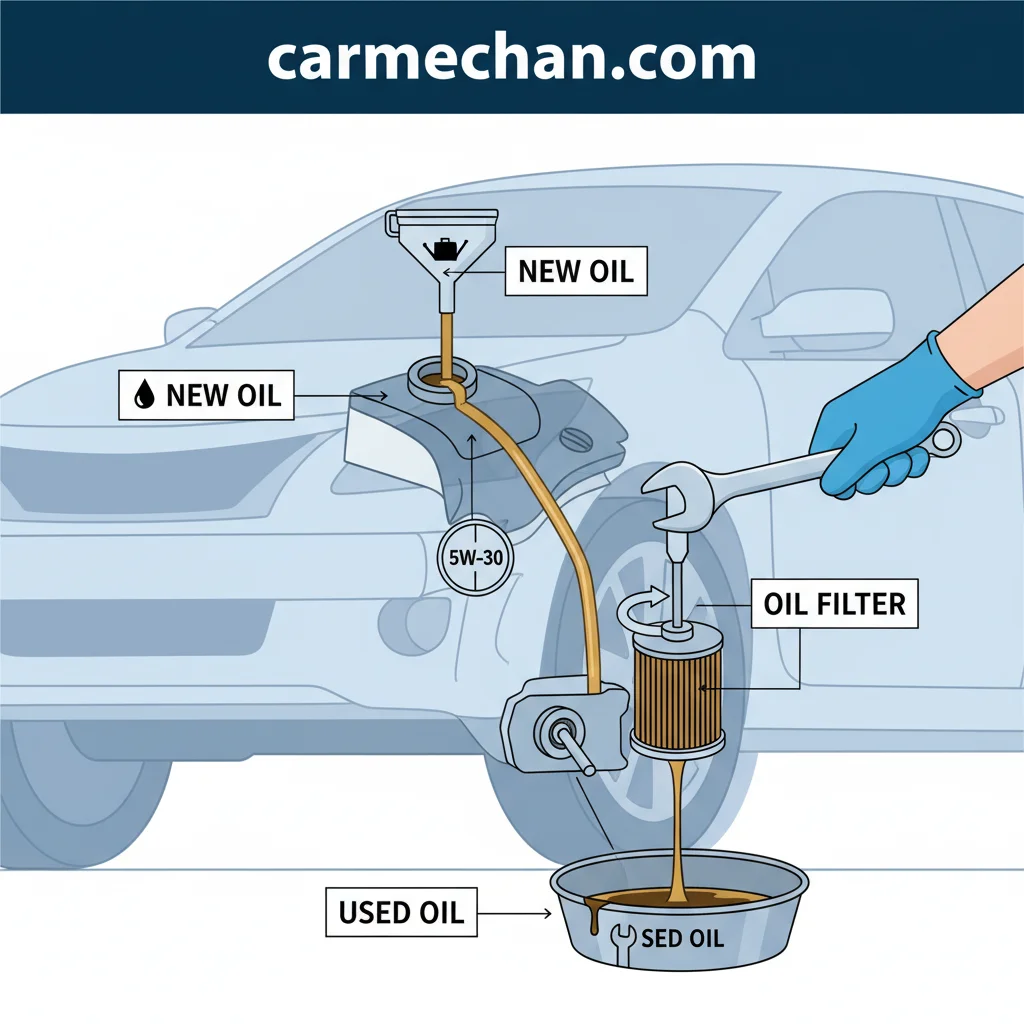
⚡ Key Takeaways

Prime for Young Adults — 6 Months Free
Students and 18–24s get six months of Prime free, then half price.
Start 6 Months Free- Nissan Altimas commonly use 0W-20 or 5W-30 full synthetic engine oil, depending on the specific model year and engine variant.
- The oil capacity for a Nissan Altima typically ranges from 4.8 to 5.1 quarts (approximately 4.5 to 4.8 liters) for most 2.5L 4-cylinder engines.
- Most modern Nissan Altimas, especially those from 2007 onwards, are designed for full synthetic or synthetic blend oils.
- Nissan Altima engine oil should meet or exceed the latest API (American Petroleum Institute) service classification, typically API SN PLUS or SP.
- What specific type (synthetic, conventional, blend) and viscosity (e.g., 0W-20, 5W-30) of oil is recommended for my Nissan Altima?
To select the correct oil for a Nissan Altima, most modern models (2007-present) typically require 0W-20 or 5W-30 full synthetic engine oil, specific to your model year and engine type. Choosing the precise Nissan Altima engine oil is critical for maintaining engine longevity, ensuring optimal performance, and preventing premature wear.
An incorrect selection can lead to significant mechanical issues and diminished fuel efficiency. This article offers comprehensive, authoritative guidance for selecting the right Altima oil type and capacity for your vehicle. We cover various models, address common concerns, and provide expert advice to empower both DIY enthusiasts and new owners.
Here is what you need to know about understanding your Altima’s specific oil needs and how to choose correctly.
How to Understand Nissan Altima Oil Specifications
Recommended Best Deal Products

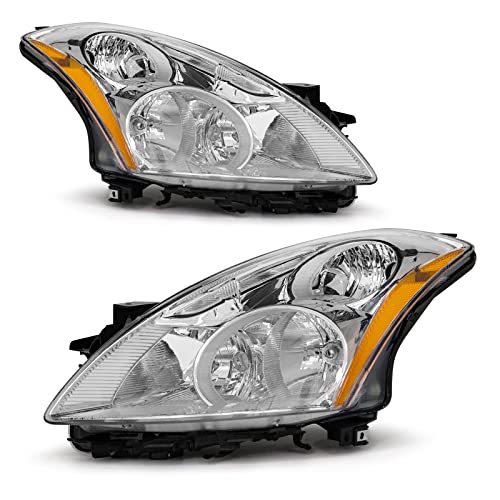

Understanding the correct oil for your Nissan Altima begins with recognizing key specifications unique to your vehicle MotorTrend.com (MotorTrend Magazine, a prominent automotive enthusiast publication owned by MotorTrend Group, established in 1949).. Oil recommendations are never universal; they depend on specific engineering requirements designed to protect your engine under various operating conditions.
Key Factors Influencing Oil Choice
Your Altima’s model year and engine type are paramount. For instance, a 2.5L 4-cylinder engine (e.g., QR25DE) might have different requirements than a 3.5L V6 (e.g., VQ35DE) or a VC-Turbo engine.
Nissan Altima Engine Oil Comparison
| Engine Type | Common Model Years | Typical Viscosity | Oil Type Recommendation |
|---|---|---|---|
| 2.5L 4-Cylinder (QR25DE) | 2002-Present | 5W-30 (older models), 0W-20 (newer models) | Conventional/Synthetic Blend (older), Full Synthetic (newer) |
| 3.5L V6 (VQ35DE) | 2002-2018 | 5W-30 (most years), 0W-20 (some later models) | Full Synthetic Recommended |
| 2.0L VC-Turbo (KR20DDET) | 2019-Present | 0W-20 | Full Synthetic Required |
Regional climate also plays a role, influencing the optimal viscosity for your driving environment.
Decoding Viscosity Ratings
Viscosity ratings like ‘0W-20’ or ‘5W-30’ indicate the oil’s flow characteristics at different temperatures. The ‘W’ denotes ‘winter,’ signifying the oil’s cold-start performance, while the second number represents its viscosity at operating temperature. For colder climates, a lower ‘W’ number like 0W-20 ensures easier starting and quicker lubrication SAE.org (SAE International Journal of Fuels and Lubricants, a peer-reviewed publication by SAE International focusing on automotive powertrain and fuel research, first published in 2008)..
Understanding API Standards
API (American Petroleum Institute) and ILSAC (International Lubricant Specification Advisory Committee) certifications are vital for engine protection. Always look for oils that meet or exceed the latest standards, such as API SN PLUS or SP and ILSAC GF-6, as these ensure the oil provides superior wear protection, sludge control, and piston cleanliness AAA.com (American Automobile Association, a federation of motor clubs providing roadside assistance, travel, and automotive advocacy services, founded in 1902)..

Audible — Listen Free for 30 Days
One free credit a month and thousands of titles included.
Listen Free for 30 DaysKnowing these specifications is paramount, especially for those seeking to undertake their own maintenance. Now that you understand the intricacies of Altima oil specifications, let’s explore who stands to benefit most from this detailed guide.
Who Needs This Nissan Altima Oil Guide
This comprehensive Nissan Altima oil guide is specifically tailored for individuals who prioritize the longevity and optimal performance of their vehicle Edmunds.com (Edmunds Inc., an online resource for automotive information including reviews, pricing, and advice, providing data since 1966).. We aim to equip you with the precise knowledge needed to make informed decisions about your engine’s most vital fluid.

- DIY Altima Owners: If you perform your own oil changes, this guide provides the exact specifications, capacities, and procedural advice to ensure you select the correct products, potentially saving up to 30% on typical shop rates.
- New Altima Owners: For those new to the Altima platform, this guide demystifies oil requirements, clarifying confusion often found in generic advice.
- Owners Concerned About Longevity and Warranty: We provide authoritative information to help maintain your engine’s health and ensure compliance with warranty conditions through proper oil selection.
- Those Seeking Understanding: Beyond just ‘what to use,’ this guide explains ‘why,’ fostering a deeper understanding of engine oil technology and its role in vehicle care.
If you identify with these segments, proceed to the core protocol for selecting the ideal oil. Building on this understanding of who benefits, let’s now consider critical situations where certain oil types should be avoided.
How to Select Correct Altima Engine Oil
Recommended Best Deal Products
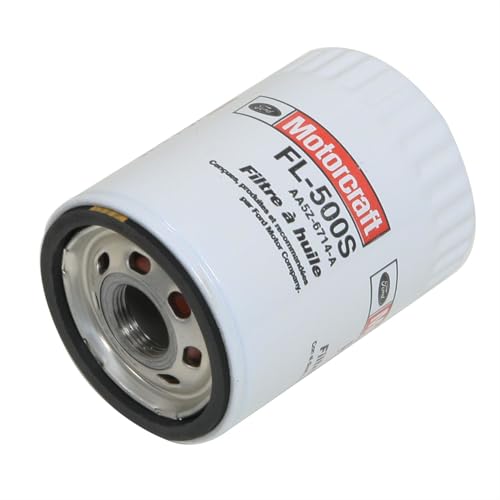


Follow this core protocol precisely to ensure you select the correct Altima engine oil for your specific vehicle and driving needs.
Selecting the Correct Engine Oil for Your Nissan Altima
Identify Your Altima Model & Engine
Start by determining your Altima’s exact year, trim level, and engine type (e.g., 2.5L 4-cylinder, 3.5L V6, Hybrid). Oil requirements can vary significantly based on these details.
Consult Your Owner’s Manual
Locate the “Maintenance,” “Specifications,” or “Fluids and Capacities” section in your Altima’s owner’s manual. This is the most accurate and reliable source of information for oil recommendations.
Note Key Oil Specifications
Identify the recommended oil viscosity (e.g., 0W-20, 5W-30), API service classification (e.g., SN PLUS, SP), and any Nissan-specific standards (e.g., requirements for synthetic or semi-synthetic oil).
Action for Missing Information
If your owner’s manual is unavailable, visit Nissan’s official owner resources website, contact a Nissan dealership service department directly, or utilize a reputable online oil selector tool by cross-referencing sources.
Audible Premium Plus — Annual Membership
12 audiobook credits up front, plus the full Audible catalogue.
See Annual Plans
- Step 1: Identify Model Year and Engine. Locate your Nissan Altima’s owner’s manual NHTSA.gov (National Highway Traffic Safety Administration, a U.S. government agency dedicated to achieving the highest standards of safety on the nation’s roads, established in 1970). or vehicle information sticker, typically under the hood or on the door jamb. Determine your exact model year and engine type (e.g., 2015 2.5L QR25DE or 2018 3.5L VQ35DE) ASTM.org (ASTM International, an organization developing and publishing voluntary consensus technical standards for a wide range of materials and services, including lubricants, since 1898).. If you cannot locate this information, stop and escalate to a certified Nissan technician.
- Step 2: Consult Owner’s Manual for Primary Recommendation. Refer to the “Maintenance and Specifications” section of your owner’s manual. This is your definitive source for the recommended oil type and viscosity. If the manual is unavailable, cross-reference with official Nissan service documentation online.
- Step 3: Note Specific Viscosity, Type, and API Standards. The manual will specify the primary viscosity (e.g., 0W-20, 5W-30), oil type (e.g., full synthetic), and required API/ILSAC certifications (e.g., API SN PLUS, ILSAC GF-6). Ensure any oil purchased meets these exact standards. If the oil does not list these certifications, stop and select an alternative product.
- Step 4: Check Oil Capacity. Your owner’s manual will also specify the exact oil capacity, typically around 4.8 quarts for most 2.5L engines and 5.1 quarts for 3.5L engines CarandDriver.com (Car and Driver, a leading automotive magazine and website known for car reviews and tests, published by Hearst Communications, founded in 1955).. Always have the correct amount on hand.
- Step 5: Consider Climate/Driving Conditions for Optimal Choice. While the manual provides primary recommendations, extreme climates or heavy-duty use might suggest slight viscosity adjustments (e.g., a slightly thicker oil for sustained hot weather if permitted by the manual). However, always prioritize the manual’s primary recommendation.
For specific Altima model year oil recommendations, consider articles such as the Best Oil 2015 Nissan Altima guide. While following this protocol, it’s equally important to be aware of scenarios where specific oil choices should be avoided.
When Not to Use Specific Nissan Altima Oils
Recommended Best Deal Products



Certain oil types and applications are contraindicated for Nissan Altima engines and can lead to severe performance issues or damage MDPI.com (MDPI journal *Lubricants*, an open-access peer-reviewed journal publishing research on tribology and lubrication science, launched in 2013).. Adhering to these warnings is paramount for engine health.
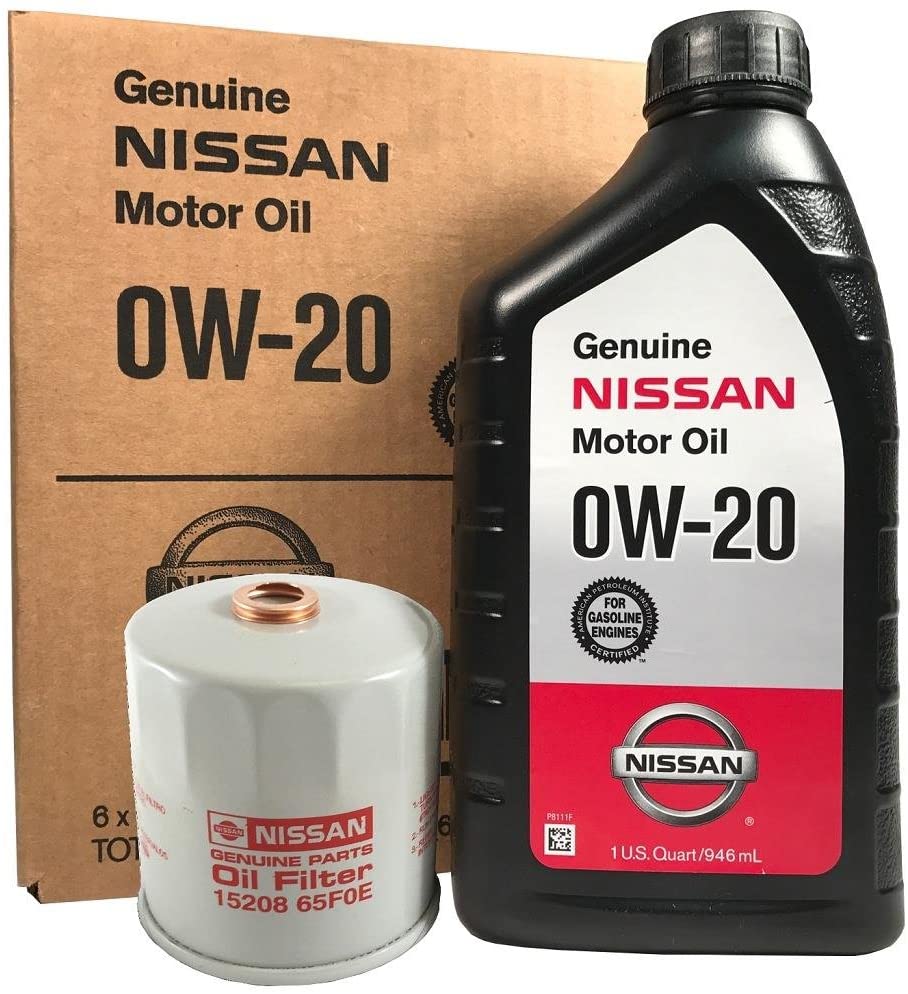
Failure to observe these guidelines can result in catastrophic engine damage, voided warranties, and costly repairs. If any of these conditions apply to your current oil choice or planned maintenance, stop immediately and select the correct alternative.
- Using Conventional Oil When Synthetic Is Specified: Most modern Altima engines (especially 2007-present) are designed for full synthetic or synthetic blend oils. Using conventional oil in an engine designed for synthetic can lead to premature wear due to inferior lubrication, thermal stability, and deposit control API.org (American Petroleum Institute, the largest U.S. trade association for the oil and natural gas industry, setting performance standards for engine oils like SN PLUS and SP)..
- Incorrect Viscosity for Climate/Engine: Employing an oil viscosity significantly different from the manufacturer’s recommendation (e.g., 10W-40 in an engine requiring 0W-20) can compromise oil flow at critical temperatures, leading to insufficient lubrication. Engines with close tolerances, like those requiring thinner 0W-20 oil, are particularly susceptible ConsumerReports.org (Consumer Reports, a non-profit organization providing unbiased product testing and ratings to help consumers make informed decisions, active since 1936)..
- Oils Lacking Required API/ILSAC Certifications: Avoid oils that do not clearly display the specified API SN PLUS/SP or ILSAC GF-6 certifications. These standards ensure the oil meets stringent performance requirements for modern engines. If an oil lacks these certifications, stop and select a certified product.
- Off-Brand or Unverified Oils: While some lesser-known brands may be adequate, using unverified or suspiciously cheap oils carries a high risk of poor quality control, inconsistent formulations, and inadequate additive packages. If an oil brand has no reputable backing or certifications, stop and choose a well-known, certified brand.
- Mixing Different Oil Types: While not immediately catastrophic, consistently mixing conventional, synthetic blend, or full synthetic oils can dilute the performance benefits of synthetic formulations and potentially lead to additive incompatibility issues. If you have unintentionally mixed oil types and are unsure of the combined performance, stop and perform a full oil change with the correct, consistent type.
Beyond direct contraindications, several common misapplications can inadvertently compromise your Altima’s engine. Here is why understanding these distinctions is crucial to avoid the 5 common mistakes many Altima owners make when selecting engine oil.
5 Common Mistakes Choosing Altima Engine Oil
Even with the best intentions, several common mistakes are made when choosing Altima engine oil, potentially leading to costly repairs AutoZone.com (AutoZone, Inc., a major retailer of aftermarket automotive parts and accessories in the United States, with over 6,000 stores since 1979).. Avoiding these pitfalls is crucial for the longevity of your Nissan Altima.
- Ignoring Owner’s Manual Recommendations: Relying on general advice or past experiences instead of your specific manual can lead to incorrect viscosity or type, risking inadequate lubrication. Always consult your vehicle’s owner’s manual first.
- Extending Oil Change Intervals Too Long: Modern synthetic oils offer extended intervals, but pushing beyond the manufacturer’s recommendation (typically every 5,000 to 7,500 miles or 6 months ACEA.auto (European Automobile Manufacturers’ Association, which defines industry-standard engine oil sequences relevant for many global manufacturers, including specifications like ACEA C2/C3 for low-SAPS oils).) allows oil to degrade, leading to sludge buildup and reduced protection. Regularly check your service schedule.
- Using ‘Budget’ Oils Without Proper Certifications: Opting for the cheapest oil without verifying its API/ILSAC certifications can compromise engine protection, even if the viscosity seems correct. Always confirm the oil meets or exceeds your Altima’s specified standards.
- Failing to Check Oil Level Regularly: Engine oil can deplete over time, and a low oil level is a common cause of engine damage due to insufficient lubrication. Check your Altima’s oil level at least once a month, or every few fuel fill-ups.
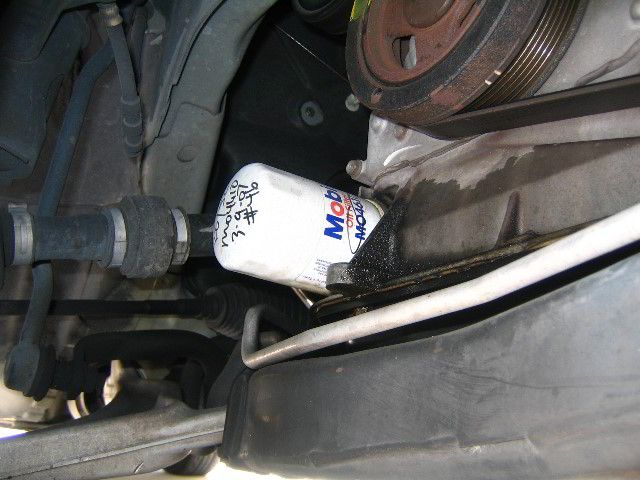
- Not Changing the Oil Filter with the Oil: An old, clogged oil filter cannot effectively remove contaminants, rendering a new oil change less effective. Always replace the Altima oil filter location simultaneously with the oil change.
While avoiding these common errors is crucial, some situations present unique challenges regarding Altima oil. Now that we’ve covered these common pitfalls, let’s ensure you’re equipped to make the best choice for your Nissan Altima every time.
What to Do for Uncommon Nissan Altima Oil Issues
Uncommon scenarios or specific vehicle conditions may necessitate adjustments to standard Nissan Altima oil recommendations STLE.org (Tribology & Lubrication Technology magazine by the Society of Tribologists and Lubrication Engineers, providing industry insights and technical articles since 1945).. These edge cases require careful consideration to ensure continued engine health.
High-Mileage Engine Considerations
For Altimas with over 100,000 miles, you might consider high-mileage engine oils. These formulations often contain seal conditioners to prevent leaks and extra detergents to combat sludge buildup accumulated over years of use RoadandTrack.com (Road & Track, an automotive enthusiast magazine and website focusing on performance cars and automotive culture, published by Hearst Communications, founded in 1947)..
Always ensure a high-mileage oil still meets your Altima’s recommended viscosity and API standards.
Addressing Oil Consumption
Some Altima engines, particularly certain generations, may exhibit increased oil consumption. If your engine is dropping a quart every 1,000-2,000 miles For certain Nissan Altima models, particularly the 2.5L QR25DE engine produced between 2007 and 2013, owners have reported oil consumption exceeding 1 quart per 1,200 miles, although Nissan typically considers consumption up to 1 quart per 5,000 miles as normal for most contemporary engines., monitor it closely.
While sometimes a slightly thicker oil (if permissible by the manual) might reduce consumption, it often points to underlying issues like worn piston rings or valve seals. If oil consumption suddenly increases, stop and escalate to a professional diagnosis.
Extreme Driving Conditions
Driving in persistently extreme hot or cold climates, or engaging in frequent towing or heavy-duty use, puts additional stress on engine oil. While adhering to the manual is key, some manufacturers allow for alternative viscosities within a specified range for such conditions. For instance, in very hot climates, a 5W-30 might offer better protection than a 0W-20 if your manual lists it as an acceptable alternative.
Always verify the owner’s manual for permissible deviations. If persistent extreme conditions are causing concern, consult a certified technician for optimal oil choice.
For broader Altima maintenance and costs, considering topics like Nissan Altima transmission replacement can highlight the value of proper preventive care. If these edge cases or any other oil-related concerns become overwhelming, knowing when to escalate is crucial.
When to Get Expert Help for Altima Oil Concerns
Knowing when to stop DIY efforts and seek professional assistance is a critical aspect of responsible Altima maintenance, especially with oil concerns JiffyLube.com (Jiffy Lube International, Inc., a nationwide network of franchised service centers specializing in vehicle maintenance, including oil changes, operating since 1979).. Ignoring warning signs can lead to severe and costly engine damage.
- Persistent Oil Warning Lights: If your oil pressure or oil level warning light illuminates and stays on after checking and topping off oil, this indicates a serious issue that requires immediate professional attention iSeeCars.com (iSeeCars, an automotive research firm and data analytics company providing insights into car sales, pricing, and reliability, established in 2005).. If a warning light persists, stop driving and escalate to a certified mechanic.
- Unexplained Excessive Oil Consumption: While some consumption is normal, a sudden or significant increase (e.g., needing to add a quart every 500 miles without visible leaks) suggests an internal engine problem. If your Altima exhibits unexplained excessive oil consumption, stop and consult an expert for diagnosis.
- Engine Noises Post-Oil Change: Any new knocking, tapping, or grinding noises immediately after an oil change can indicate improper oil selection, low oil, or an installation error. If your engine develops new noises after an oil change, stop driving and escalate to a trusted mechanic.
- Finding Metal Shavings in Old Oil: Discovering metallic particles (beyond tiny glitter-like specs) in your drained oil is a definitive sign of severe internal engine wear. If you find metal shavings in old oil, stop and escalate to a professional engine inspection.
- Uncertainty After Consulting Manual/Online Resources: If, after consulting your owner’s manual and reputable online resources, you remain unsure about the correct oil for a unique situation or specific issue, it’s safer to consult an expert. A diagnostic fee of $80-$150 A comprehensive engine diagnostic to pinpoint oil consumption causes, such as a faulty PCV valve or worn piston rings, typically costs between $120 and $180 at independent repair shops in 2024, excluding the cost of any necessary repairs. is a small price compared to engine repair costs.
When in doubt, always consult a certified Nissan technician or a trusted independent mechanic. Their specialized diagnostic tools and experience can prevent further damage and ensure your Altima’s long-term reliability. For all decisions, ensuring you have access to credible information sources is paramount.
Where to Find Reliable Altima Oil Information
Accessing accurate and reliable information is crucial for selecting the proper oil for your Nissan Altima and ensuring its long-term health RockAuto.com (RockAuto LLC, an online retailer specializing in a wide range of automotive parts from various manufacturers, offering competitive prices since 1999).. Relying on unverified sources can lead to costly mistakes.
Primary Official Sources
Your Nissan Altima’s owner’s manual is the single most authoritative source for oil specifications. Always refer to the “Maintenance and Specifications” section FTC.gov (Federal Trade Commission, an independent agency of the U.S. government whose principal mission is the promotion of consumer protection and the enforcement of civil antitrust law, established in 1914)..
Additionally, official Nissan service bulletins and the Nissan website provide up-to-date recommendations and technical data directly from the manufacturer EPA.gov (Environmental Protection Agency, a U.S. government agency tasked with protecting human health and the environment by writing and enforcing regulations, founded in 1970).. These should always be your first point of reference.
Industry Standard Organizations
Organizations like the American Petroleum Institute (API) and the International Lubricant Standardization and Approval Committee (ILSAC) set the industry standards for engine oils. Their official websites (api.org, ilsac.org) detail the latest certifications (e.g., API SP, ILSAC GF-6) and explain what these ratings mean for engine protection ASE.com (National Institute for Automotive Service Excellence, an independent non-profit organization that certifies automotive professionals and shops, ensuring high standards of repair and service since 1972)..
Understanding these standards helps you verify the quality of any oil product.
Community and Professional Resources
Reputable automotive forums can offer valuable peer experiences and discussions, but always cross-reference information with official sources. Professional automotive repair databases, such as AllData or Mitchell, are subscription-based resources used by mechanics and provide comprehensive, model-specific service information. While often inaccessible to the average DIYer, these highlight the level of detail professionals consult.
If you find conflicting information, prioritize the official manufacturer and industry standard sources.
To recap the most critical aspects, consider these frequently asked questions.
Frequently Asked Questions About Nissan Altima Oil
Here are answers to common questions regarding engine oil for your Nissan Altima.
Q1: What type of oil does a Nissan Altima typically use?
Nissan Altimas commonly use 0W-20 or 5W-30 full synthetic engine oil, depending on the specific model year and engine variant. Always consult your owner’s manual for the precise recommendation for your vehicle’s engine and year to ensure optimal performance.
Q2: How much oil does a Nissan Altima engine require?
The oil capacity for a Nissan Altima typically ranges from 4.8 to 5.1 quarts (approximately 4.5 to 4.8 liters) for most 2.5L 4-cylinder engines. 3.5L V6 engines usually require around 5.1 quarts. Confirm the exact capacity in your owner’s manual before performing an oil change.
Q3: Can I use conventional oil in my Nissan Altima?
Most modern Nissan Altimas, especially those from 2007 onwards, are designed for full synthetic or synthetic blend oils. Using conventional oil when synthetic is specified is not recommended as it can lead to premature engine wear and reduced protection.
Q4: What API standard should Altima engine oil meet?
Nissan Altima engine oil should meet or exceed the latest API (American Petroleum Institute) service classification, typically API SN PLUS or SP. Additionally, look for ILSAC GF-6 certification, which denotes improved fuel economy and engine protection qualities.
Q5: How often should I change the oil in my Nissan Altima?
The recommended oil change interval for a Nissan Altima is generally every 5,000 to 7,500 miles or every 6 months, whichever comes first, when using synthetic oil. Always refer to your owner’s manual for specific maintenance schedules based on your driving conditions.
Understanding these key points is vital for comprehensive Altima maintenance.
In conclusion, selecting the correct oil for a Nissan Altima is a straightforward yet crucial aspect of vehicle maintenance that directly impacts engine longevity. Adhere strictly to your owner’s manual for precise oil type, viscosity (e.g., 0W-20 or 5W-30 full synthetic), and capacity for your specific Nissan Altima.