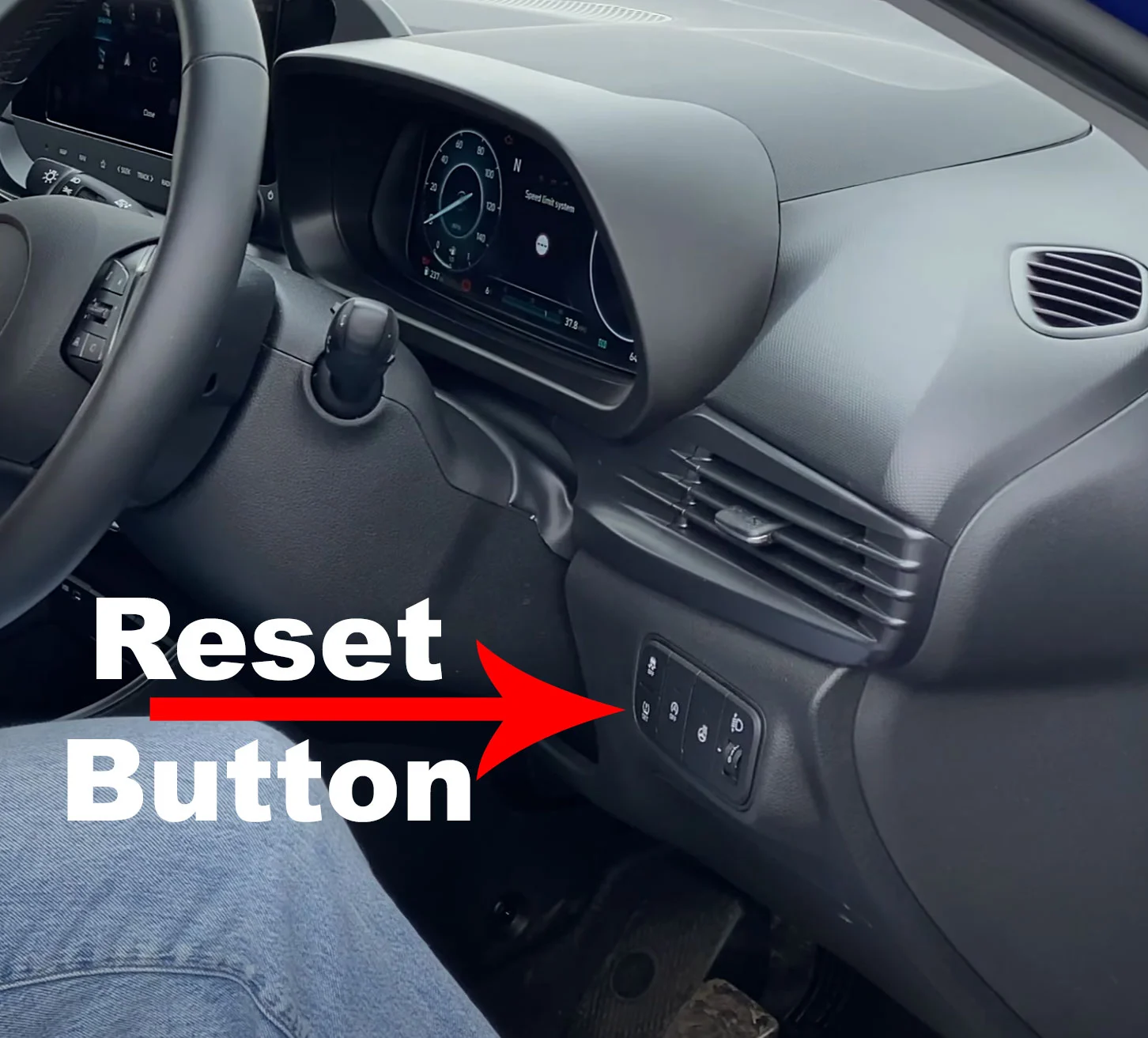
TPMS Reset Button Hyundai Tucson 2022: Essential Guide
Last Updated on September 1, 2026 by Ryan
📋 Table of Contents
- 🎯 Key Takeaways
- Understanding the 2022 Tucson Automatic TPMS System
- Hyundai Tucson 2022 TPMS Reset Made Easy: Your Essential Action Plan
- Common Factors That Trigger TPMS Warning Lights
- Benefits of Auto-Learn Technology Over Manual Resets
- Expert Maintenance Tips for Hyundai Pressure Sensors
- Conclusion
- 💬 Quick Questions & Answers
- ❓ Frequently Asked Questions
The 2022 Hyundai Tucson does not have a physical TPMS reset button because it uses an advanced automatic relearn system. To clear the warning light, you must inflate tires to the correct PSI and drive the vehicle for several minutes at steady speeds.
🎯 Key Takeaways


- The 2022 model lacks a physical TPMS reset button entirely.
- System resets automatically after driving at speeds above 15 mph.
- Correct tire pressure specifications are found on the driver-side door jamb.
- Cold weather frequently causes temporary pressure drops and warning lights.
- A flashing TPMS light usually indicates a sensor malfunction, not low pressure.
Have you ever started your 2022 tire-pressure-monitoring-system-tpms.html” target=”_blank” rel=”noopener noreferrer” title=”Official Hyundai TPMS Resource Guide”>Hyundai Tucson on a chilly morning and noticed a strange, glowing horseshoe icon on your dashboard? This little light is part of your Tire Pressure Monitoring System, or TPMS. While it might seem like a minor annoyance, this system is actually a high-tech safety guardian. It works hard every second you drive to ensure your tires are safe, efficient, and ready for the road.
Understanding your TPMS is about more than just making a light go away. It is about protecting your vehicle and your wallet. Properly inflated tires help you save money on fuel and prevent expensive premature tire wear. In this guide, we will explore how this smart system works in your modern SUV. You will learn why the 2022 model is different from older cars and what triggers those pesky warnings in the first place.
Understanding the 2022 Tucson Automatic TPMS System

If you have spent time hunting under your steering wheel or inside your glovebox for a physical reset button, you can stop now. The 2022 Hyundai Tucson does not have a traditional TPMS reset button. Hyundai designed this vehicle with a modern, “smart” system that manages itself. This shift in technology means the car is responsible for recognizing when you have corrected the air pressure, rather than requiring you to press a button to “tell” the car you fixed it.
How the Automatic Learning Process Works
The system in your Tucson uses direct sensors located inside each wheel. These sensors measure the actual air pressure and temperature inside the tire. When you add air to reach the correct levels, the sensors detect the change immediately. However, the dashboard light does not always turn off the second you pull the air hose away. Your Tucson needs to verify the new data while the vehicle is in motion. This automatic calibration happens as you drive, usually at speeds over 15 or 20 miles per hour.
The Benefits of a Button-Free Design
You might wonder why Hyundai removed the physical button. The main reason is accuracy and safety. In older cars, a driver could press a reset button even if the tires were still low on air. This could “trick” the computer and hide a dangerous situation. By making the system automatic, Hyundai ensures that the warning light only disappears when the tires are truly at the recommended PSI. This hands-off approach gives you peace of mind because you know the system is always providing an honest reading of your tire health.
- No Manual Input: You do not need to navigate complex menus to find a reset option.
- Real-Time Data: The system provides constant feedback directly to your digital instrument cluster.
- Increased Safety: It prevents accidental resets when tire pressure is still dangerously low.
Hyundai Tucson 2022 TPMS Reset Made Easy: Your Essential Action Plan

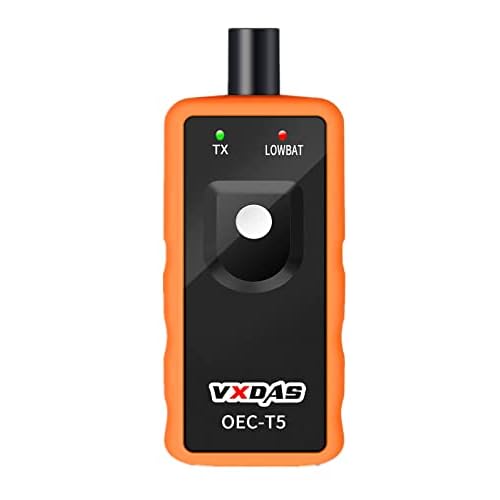

The Tire Pressure Monitoring System (TPMS) in your 2022 Hyundai Tucson is a sophisticated safety feature designed to alert you when one or more tires are significantly under-inflated. However, many owners are surprised to find that unlike older vehicles, the 2022 Tucson does not feature a physical “Reset” button under the dashboard or in the glove box. Instead, this vehicle utilizes an advanced “Auto-Learn” system that relies on specific driving conditions and precise pressure adjustments to recalibrate itself. Following this guide is crucial because driving with an active TPMS light not only reduces fuel efficiency and tire longevity but can also lead to dangerous blowouts or compromised handling during emergency maneuvers. This action plan will walk you through the precise sequence required to clear that stubborn warning light and ensure your vehicle’s computer is accurately reading your tire data.
Step 1: Locate the Tire Specification Placard
What you need: A flashlight (optional) and access to the driver’s side door area.
Instructions: Before you can reset the system, you must know the exact pressure your vehicle requires, as the TPMS is calibrated to specific factory tolerances. Open the driver’s side door and look at the “B-pillar” (the frame of the car that the door latches onto). You will find a white and red sticker labeled “Tire and Loading Information.” This placard lists the recommended “Cold Tire Inflation Pressure” for your front and rear tires. For a 2022 Hyundai Tucson, this is typically 33 PSI to 35 PSI, depending on your trim level (SE, SEL, or Limited) and tire size. Do not use the “Max Pressure” number printed on the sidewall of the tire itself, as that is the bursting limit of the tire, not the optimal pressure for your vehicle’s suspension and safety systems.
Pro Tip: Take a quick photo of this sticker with your phone. It saves you from having to lean out of the car or reopen the door if you forget the specific numbers while at the air pump.
Step 2: Ensure Tires are in a “Cold” State
What you need: A period of inactivity for the vehicle (at least 3 hours).
Instructions: The TPMS sensors in your Tucson are highly sensitive to temperature changes. For the reset to be successful and accurate, you must check and adjust your tires when they are “cold.” In automotive terms, this means the vehicle has been parked for at least three hours or has been driven less than one mile. As you drive, friction against the road generates heat, which causes the air inside the tire to expand, artificially raising the PSI reading by 2 to 5 pounds. If you adjust your tires while they are hot, the TPMS light may stay on because the pressure will drop below the threshold once the tires cool down overnight. If you must drive to a gas station, try to find one less than a mile away, or wait 10 minutes at the pump before adding air.
Pro Tip: If you are forced to adjust “hot” tires, add 3-4 PSI above the recommended placard value to compensate for the heat expansion, but verify them again the next morning when they are truly cold.
Step 3: Measure and Adjust PSI with Precision
What you need: A high-quality digital tire pressure gauge and an air compressor or gas station air pump.
Instructions: Remove the valve stem caps from all four tires. Use your digital gauge to check the current pressure of each tire. Even if only one tire is triggering the light, the system often requires all four to be within a specific range of each other to complete the auto-learn process. Inflate each tire to the exact PSI found on your door placard. If you accidentally over-inflate, use the small nipple on the back of the tire gauge or a fingernail to depress the valve pin and release air in short bursts. Ensure that all four tires are matched perfectly. While you are at it, check your spare tire if your Tucson is equipped with a full-size one, though most 2022 models come with a tire mobility kit or a space-saver that does not have a sensor.
Pro Tip: Avoid using the mechanical “pencil-style” gauges found at gas stations; they are notoriously inaccurate. A cheap digital gauge from an auto parts store is far more reliable for triggering a TPMS reset.
Step 4: Navigate the Instrument Cluster Menu
What you need: Your key fob and access to the steering wheel controls.
Instructions: Sit in the driver’s seat and start the engine. On the right side of your steering wheel, locate the “Mode” button (which looks like a stack of papers) and the “OK” scroll wheel. Press the Mode button repeatedly until you see the “Information” or “User Settings” menu on the digital display behind the steering wheel. Scroll down until you find the “Tire Pressure” screen. On the 2022 Tucson, this screen will likely display “Drive to Display.” This is normal. The vehicle needs to be in motion for the sensors to wake up and transmit their current data to the ECU (Engine Control Unit). Verifying this screen confirms that the computer is actively looking for a signal and hasn’t suffered a complete system communication failure.
Pro Tip: If the screen shows individual tire pressures already, look for any numbers highlighted in amber. This tells you exactly which tire the system still thinks is problematic.
Step 5: Execute the “Auto-Learn” Driving Cycle
What you need: An open road where you can maintain a steady speed for 10-20 minutes.
Instructions: Since there is no physical reset button, the 2022 Tucson resets its TPMS via a driving cycle. You must drive the vehicle at a steady speed of at least 16 mph (25 km/h) for a continuous period. Ideally, find a stretch of road where you can maintain 25-40 mph without constant stopping. The sensors inside the wheels are centrifugal; they only “wake up” and broadcast their ID and pressure data when the wheels are spinning at a certain velocity. Continue driving for approximately 10 to 15 minutes. During this time, the ECU is receiving the new, correct pressure readings from the sensors and comparing them to its internal “low pressure” threshold. Once it confirms all tires are within the safe zone, the amber “Low Tire Pressure” icon (the horseshoe shape with an exclamation point) will automatically turn off.
Pro Tip: If you are stuck in heavy stop-and-go traffic, the reset might take longer or fail to initiate. Try to perform this step on a clear secondary road or a highway during off-peak hours.
Step 6: Troubleshooting the Blinking TPMS Light
What you need: Observation skills and possibly a trip to a technician.
Instructions: Pay close attention to how the TPMS light behaves when you first start the car. If the light is solid from the moment you turn the engine on, it simply means your pressure is low. However, if the TPMS light flashes for about 60 seconds and then stays solid, this indicates a “System Malfunction” rather than a low-pressure issue. In a 2022 Tucson, this often means a sensor battery has failed (unlikely for a 2022 model unless it’s high mileage) or, more commonly, there is electronic interference from aftermarket chargers or electronic devices plugged into the 12V outlets. If the light continues to blink after you have corrected the pressure and performed the driving cycle, the “Auto-Learn” cannot complete, and you will need a professional scan tool to “force-write” the sensor IDs to the computer.
Pro Tip: Unplug any dash cams or cheap USB phone chargers before your driving reset, as these can sometimes emit radio frequency interference that blocks the TPMS sensor signals.
✅ Final Checklist
- Verified tire pressure against the B-pillar placard (not the tire sidewall).
- Adjusted all four tires while “cold” (vehicle parked for 3+ hours).
- Matched all four tires to the same PSI (typically 33-35 PSI).
- Drove the vehicle above 16 mph for at least 15 continuous minutes.
- Confirmed the TPMS warning icon has vanished from the instrument cluster.
Important Notes:
- Safety First: Never attempt to adjust tire pressure on the side of a busy highway. Pull into a well-lit parking lot or gas station.
- Seasonal Changes: Be aware that for every 10-degree drop in outside temperature, your tires will lose about 1 PSI. This is why TPMS lights frequently turn on during the first cold morning of autumn.
- Professional Help: If the light remains on after two driving cycles and the pressures are confirmed correct, a sensor may be physically damaged (often from a pothole or a tire change) and will require replacement.
- Estimated Time: 25-30 minutes (including driving time).
- Cost Range: $0 (DIY at home) to $2.00 (gas station air pump).
Common Factors That Trigger TPMS Warning Lights
It can be frustrating when your TPMS light comes on, especially if your tires look perfectly fine to the naked eye. Tires can lose pressure for many reasons, and sometimes the light triggers even when there isn’t a “flat” tire in the traditional sense. Understanding these factors can help you stay calm and react appropriately when that orange icon appears on your dash.
The Impact of Seasonal Temperature Changes
One of the most frequent causes for a TPMS alert is a sudden drop in outdoor temperature. You will likely notice this most often during the first cold snap of autumn or winter. Physics tells us that when air gets cold, it becomes more dense and takes up less space. This causes the pressure inside your tires to drop. For every 10-degree drop in temperature, your tires can lose about one pound per square inch (PSI) of pressure. This is why your light might turn on in the morning but disappear after you have been driving for a while and the tires warm up.
Road Hazards and Slow Punctures
Sometimes the light is a genuine warning that a tire is failing. Small debris like nails, screws, or sharp rocks can lodge themselves in your tread. These often create “slow leaks” that are impossible to see with your eyes. Your TPMS is sensitive enough to catch a drop of just a few PSI long before the tire starts to look saggy. If your light comes back on just a few days after you filled your tires, you likely have a puncture or a leaking valve stem that needs professional attention.
Here are some of the most common triggers for the 2022 Tucson TPMS light:
- Altitude Changes: Driving into high-altitude mountain areas can change the pressure balance.
- Tire Rotations: Sometimes the system needs a moment to recognize the new positions of the sensors after a service.
- Aging Sensors: Over several years, the small batteries inside the wheel sensors can weaken.
- Natural Seepage: All tires naturally lose a tiny bit of air every month through the rubber itself.
Knowing these factors helps you distinguish between a simple maintenance task and a potential emergency. In most cases, your Tucson is just reminding you that your tires need a little bit of “breath” to keep you rolling safely. Keeping a portable pressure gauge in your center console is a great way to verify these readings yourself before heading to the gas station.
Benefits of Auto-Learn Technology Over Manual Resets
The transition from manual reset buttons to auto-learn TPMS technology in the 2022 Hyundai Tucson represents a significant leap in automotive convenience. Instead of the driver having to guess whether they held a button long enough or performed a specific sequence of ignition turns, the vehicle’s onboard computer takes the lead. This system is designed to be proactive rather than reactive, ensuring that your safety is maintained without constant manual intervention.
Real-Time Accuracy and Location Tracking
One of the primary advantages of the auto-learn system is its ability to identify exactly which tire is low. In older systems with a simple reset button, you often received a generic warning light without knowing which corner of the car needed attention. The 2022 Tucson utilizes High-Line TPMS, which provides specific pressure data for each wheel directly on your digital instrument cluster. This precision allows for:
- Instant Identification: You can see immediately if the front-right tire is losing air, saving you from inspecting all four tires in the cold or rain.
- Dynamic Calibration: The system adjusts to changes in driving speed and temperature automatically, providing a more “honest” reading of your tire health.
- Seamless Rotations: When you rotate your tires, the auto-learn sensors re-map their positions to the dashboard display without any recalibration tools.
Minimizing Human Error
Manual reset buttons are notorious for being misused. Drivers often hit the “reset” button to make a warning light go away without actually fixing the underlying pressure issue. By removing the physical button, Hyundai ensures that the light only turns off when the sensors physically detect that the PSI has returned to the recommended level. This prevents the dangerous habit of “silencing” a safety warning and ensures that the vehicle is always operating within its optimal safety parameters.
Expert Maintenance Tips for Hyundai Pressure Sensors
While the 2022 Hyundai Tucson is remarkably self-sufficient, the TPMS hardware itself requires specific care to stay functional for the long haul. These sensors are delicate electronic components mounted inside your wheels, and they are subjected to extreme vibrations, temperature swings, and road debris every time you drive.
Protecting the Sensor Hardware
The most common cause of TPMS failure isn’t a software glitch, but physical damage or corrosion. To keep your sensors reporting accurately, consider these professional maintenance habits:
- Use Plastic Valve Caps: Always use high-quality plastic or TPMS-specific caps. Metal caps can cause galvanic corrosion, essentially welding the cap to the sensor stem and requiring a full sensor replacement.
- Avoid Aerosol Sealants: Emergency “flat fix” sprays are convenient, but the sticky chemical residue can clog the sensor’s pressure port. If you must use one, inform your technician immediately so they can attempt to clean the sensor.
- Watch the Battery Life: TPMS sensors have internal batteries that typically last 5 to 10 years. If your Tucson is a high-mileage vehicle, a flickering warning light might indicate a dying battery rather than a pressure issue.
Adapting to Seasonal Changes
In many regions, the first cold snap of autumn triggers the TPMS light. This isn’t necessarily a leak; air density changes with temperature. For every 10-degree drop in ambient temperature, your tires can lose roughly 1 PSI. Expert technicians recommend checking your pressure manually at the start of every season to ensure the “cold PSI” matches the placard on the driver’s side door jamb. Keeping your tires properly inflated not only keeps the sensors happy but also maximizes your Tucson’s fuel efficiency and prevents premature tread wear.
Conclusion
The 2022 Hyundai Tucson has streamlined the tire maintenance process by replacing the traditional reset button with a sophisticated, auto-learning system. By understanding that your vehicle is designed to calibrate itself through normal driving, you can focus more on the road and less on complicated manual procedures. The “missing” button is actually a testament to the Tucson’s advanced safety suite, ensuring that your tire pressure is monitored with professional-grade accuracy at all times.
Next Steps: Check your tire pressure levels today using a high-quality digital gauge to ensure they match the factory recommendations. If your TPMS light remains on after a short drive at consistent speeds, consult your local Hyundai service center to check for sensor damage or a slow leak. Drive safe and stay inflated!
💬 Quick Questions & Answers
Where is the TPMS reset button on a 2022 Tucson?
There is no physical button; the system is designed to reset automatically once correct pressure is detected.
How long does it take for the TPMS light to turn off?
The light typically turns off after 10 to 20 minutes of continuous driving above 15 mph.
Does the spare tire have a TPMS sensor?
No, the compact spare tire provided with the 2022 Tucson does not contain a pressure sensor.
What is the recommended PSI for a 2022 Hyundai Tucson?
Most models require 33 to 35 PSI, but check your specific driver-side door sticker for accuracy.
Why is my TPMS light still on after filling the tires?
The system likely needs a short drive to recalibrate, or there may be a puncture or sensor fault.
❓ Frequently Asked Questions
Why did Hyundai remove the physical TPMS reset button?
Hyundai transitioned to an ‘Auto-Learn’ system to simplify vehicle maintenance for owners. This technology automatically detects pressure changes and sensor positions through the onboard computer, eliminating the need for manual calibration after inflation or tire rotations.
Can extreme temperature changes affect my TPMS readings?
Yes, for every 10-degree drop in temperature, tire pressure can decrease by about 1 PSI. This often results in ‘cold’ morning alerts that disappear once the tires warm up during a drive, though you should still check the pressure manually.
What does it mean if my TPMS light is flashing?
A flashing light that eventually stays solid usually indicates a system error, such as a dead sensor battery or a communication failure between the sensor and the car. This requires a diagnostic check rather than just adding air to the tires.
Will the TPMS reset if I leave the car idling?
No, the 2022 Tucson’s TPMS sensors are motion-activated to save battery life. You must drive the vehicle at a consistent speed to trigger the sensors to send updated pressure data to the receiver and clear the dashboard alert.
Do I need to do anything special after rotating my tires?
Because the 2022 Tucson features an automatic location-recognition system, no manual reset or programming is required after a rotation. The system will figure out which sensor is at which corner of the car within a few miles of driving.
Is it safe to drive with the TPMS light on?
While you can drive, a solid TPMS light indicates that at least one tire is significantly under-inflated, which affects handling, braking, and fuel economy. You should check your tire pressure as soon as possible to avoid potential tire failure or accidents.