Hyundai Sonata TPMS Reset Button: Find It & Fix Light
Last Updated on December 21, 2025 by Ryan
📋 Table of Contents
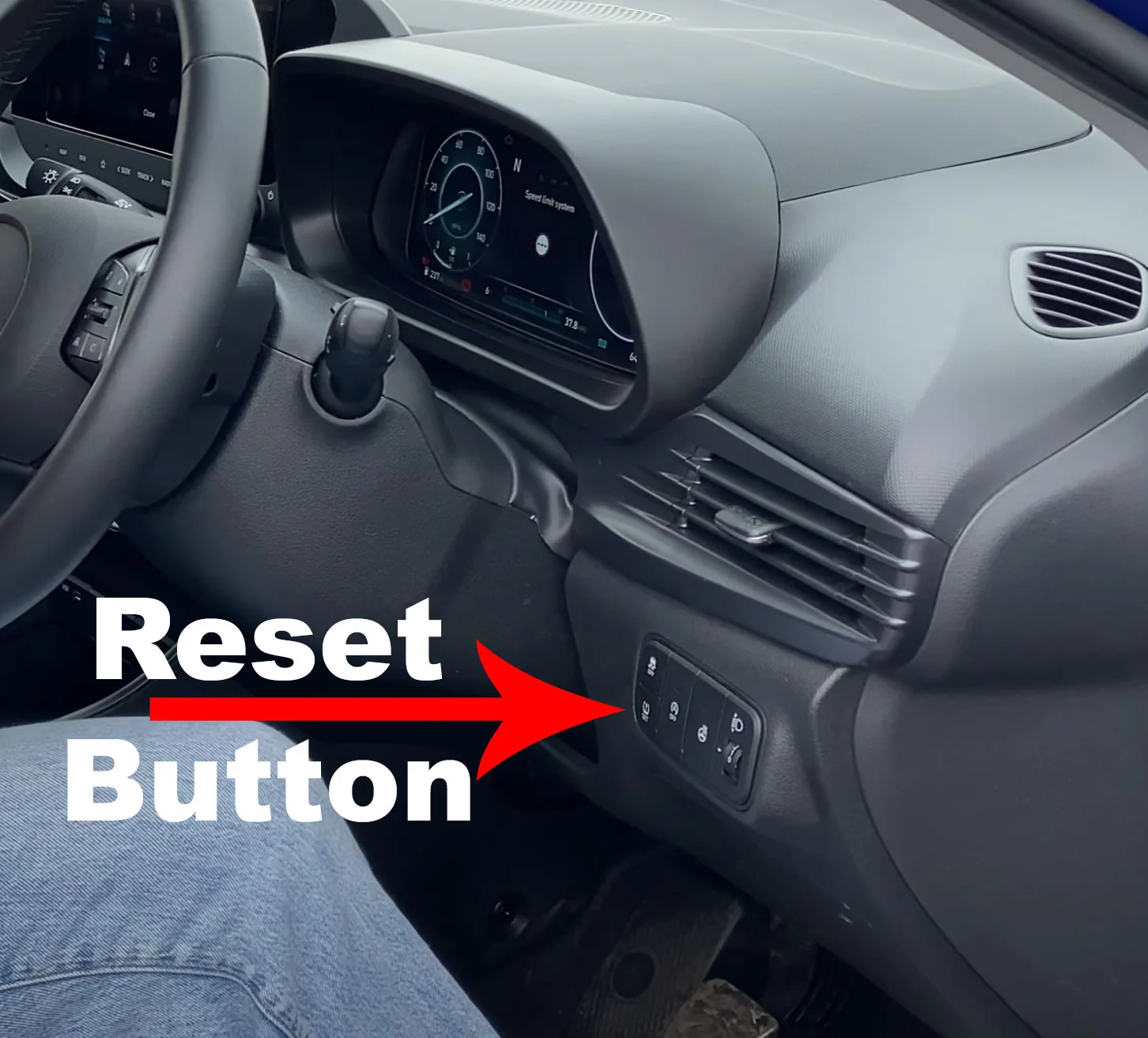
Locating your Hyundai Sonata TPMS reset button is key to addressing tire pressure warning lights. Understanding common causes beyond just the button’s location can save you time and potential costs.
🎯 Key Takeaways
- Identify the specific button location for your Sonata model year.
- Understand why the TPMS light might stay on.
- Learn the role of tire pressure sensors.
- Know when professional help is needed.
- Prevent future TPMS issues with regular checks.


Is that little orange light on your Hyundai Sonata dashboard blinking at you? You know the one, the one shaped like a tire with an exclamation mark inside. It’s the Tire Pressure Monitoring System, or TPMS, warning light. For many drivers, this can be a source of mild panic or confusion. What does it mean? Is it serious? And more importantly, how do you get rid of it?
Understanding your TPMS is crucial for safe driving and can save you from unnecessary worry. This light isn’t just an annoyance; it’s a safety feature designed to alert you to potentially dangerous underinflated tires. Fortunately, often, it’s a simple fix. This post will guide you through understanding your Sonata’s TPMS and what might be causing that light to shine. We’ll get you ready to tackle the reset process later.
Understanding the Hyundai Sonata TPMS System
Your Hyundai Sonata is equipped with a sophisticated Tire Pressure Monitoring System. This system is designed to help you maintain optimal tire pressure for safety and fuel efficiency. It uses sensors located within each tire. These sensors constantly measure the air pressure inside your tires.
How the TPMS Works
When the sensors detect that the pressure in one or more tires has dropped significantly below the recommended level, they send a signal to your car’s computer. This signal then activates the TPMS warning light on your dashboard. It’s a proactive safety measure. It helps prevent blowouts and ensures your car handles as it should.
Why Tire Pressure Matters
- Safety: Underinflated tires can overheat. This increases the risk of a sudden blowout.
- Fuel Economy: Properly inflated tires reduce rolling resistance. This means better gas mileage for you.
- Tire Lifespan: Consistent, correct tire pressure helps your tires wear evenly. This extends their life.
- Handling: Optimal tire pressure ensures your Sonata handles predictably. This is important for safe cornering and braking.
Common Triggers for the TPMS Warning Light
That TPMS light doesn’t just appear out of nowhere. There are several common reasons why it might illuminate on your Hyundai Sonata. Most of these are related to the air pressure inside your tires.
Significant Air Pressure Drop
The most straightforward reason for the TPMS light is indeed low tire pressure. This can happen for various reasons. Weather changes can affect tire pressure. Colder temperatures cause the air inside your tires to contract. This can lower the pressure. A slow leak from a nail or a faulty valve stem is another common culprit. The system is designed to alert you when pressure drops by more than 25% in one or more tires.
Recent Tire Inflation or Rotation
- After Tire Inflation: If you’ve recently added air to your tires, or had them inflated at a service station, the TPMS light might stay on. The system needs to be reset to acknowledge the new pressure levels.
- After Tire Rotation: When tires are rotated, the sensors’ positions change. This can sometimes confuse the system. A reset is often necessary after this service.
- Spare Tire: Some Sonata models may have a spare tire that also has a sensor. If the spare is installed and not properly inflated, it could trigger the light.
Factors Affecting TPMS Reset Success
While locating and attempting a TPMS reset on your Hyundai Sonata is often straightforward, several factors can influence whether the process is successful. Understanding these can save you frustration and time.
The Role of Tire Pressure Itself
The most common reason a TPMS reset light remains on is that the underlying issue – incorrect tire pressure – hasn’t been fully resolved. Even if you’ve inflated your tires, ensure you’ve reached the manufacturer’s recommended PSI. This is usually found on a sticker in the driver’s side door jamb or in your owner’s manual.
- Under-inflation: Even a few PSI below recommended can trigger the warning.
- Over-inflation: While less common, over-inflated tires can also cause issues.
- Temperature fluctuations: Colder weather naturally decreases tire pressure, potentially triggering the light. Ensure your tires are checked and adjusted when temperatures change significantly.
Sensor Health and Battery Life



Each tire on your Sonata is equipped with a TPMS sensor. These sensors communicate with your car’s computer. If a sensor is malfunctioning or its battery is depleted, the system won’t be able to read the pressure correctly, regardless of your reset attempts.
- Sensor damage: Physical impact, such as hitting a curb or pothole, can damage a sensor.
- Battery expiration: TPMS sensor batteries have a lifespan, typically 5-7 years. As they age, they may fail to transmit data.
- Interference: While rare, external electronic interference could theoretically disrupt communication, though this is usually a temporary issue.
When to Seek Professional Hyundai Service
While many TPMS warning light issues can be resolved with a simple pressure adjustment and reset, there are times when professional assistance is the best course of action. Knowing when to call in the experts can prevent further complications and ensure your safety.
Persistent Warning Lights
If you’ve followed all the recommended steps – ensured all tires are properly inflated to the correct PSI, and attempted the reset procedure multiple times – but the TPMS warning light continues to illuminate, it’s a strong indicator of an underlying problem beyond a simple pressure issue.
- One or more faulty sensors: As mentioned, a damaged or dead sensor needs to be identified and replaced.
- TPMS control module issues: Though less common, the central module that receives data from the sensors could be malfunctioning.
- Wiring or connection problems: There could be a break or corrosion in the wiring harness connecting the sensors to the control module.
Beyond Tire Pressure Concerns
Sometimes, the TPMS light might be triggered by something more serious than just low tire pressure. If the light flashes intermittently, or if you notice other unusual behavior with your car’s systems, it’s wise to consult a professional.
- Other vehicle diagnostics: A flashing TPMS light can sometimes be an indicator of other, more serious, braking or ABS system issues that require immediate attention.
- Uncertainty about the system: If you’re unsure about any aspect of the TPMS system or the reset process, a Hyundai technician has the specialized tools and knowledge to diagnose and fix the problem efficiently.
- Ensuring safety and compliance: A properly functioning TPMS system is crucial for safety. Professional diagnosis ensures all components are working as intended, giving you peace of mind.
Conclusion: Keeping Your Sonata Rolling Safely
The Tire Pressure Monitoring System (TPMS) in your Hyundai Sonata is a vital safety feature. While the reset button location might seem elusive at first, understanding your vehicle’s quirks and common issues can empower you to address many TPMS alerts yourself. Remember, consistently check your tire pressure, as it’s the most frequent culprit behind that persistent warning light.
If your TPMS light remains illuminated after adjusting tire pressure and attempting a reset, don’t hesitate to consult your owner’s manual or a trusted Hyundai service center. Keeping your tires properly inflated and your TPMS system in good working order is key to a safe and smooth ride.
💬 Quick Questions & Answers
Where is the TPMS reset button usually found on a Hyundai Sonata?
The TPMS reset button is often located on the dashboard, typically near the steering column or in the fuse box compartment.
Do all Hyundai Sonata models have a physical reset button?
Not all Sonata models have a dedicated physical button. Newer models often perform a self-reset or require a scan tool for activation.
Can I reset the TPMS light by just inflating my tires?
While inflating tires to the correct pressure is the first step, some Sonata models still require a manual reset procedure.
What if the TPMS light stays on after resetting?
If the light persists after attempting a reset, it usually indicates a sensor issue, a leak, or a problem with the system itself.
How often should I check my tire pressure?
It’s recommended to check your tire pressure at least once a month and before long trips, especially in fluctuating temperatures.
❓ Frequently Asked Questions
What is the typical location of the Hyundai Sonata TPMS reset button across different model years?
The location can vary. Older Sonatas might have a button under the dashboard or in the glove compartment. Newer generations often rely on an automatic reset after tire pressure correction or require diagnostic tools, lacking a user-accessible button.
Beyond the reset button, what are common reasons a Hyundai Sonata’s TPMS light illuminates?


The most common reason is low tire pressure. However, a faulty TPMS sensor, a slow leak in a tire, or even extreme temperature changes can trigger the light. Sometimes, the system may also need recalibration after tire rotation.
What are the benefits of knowing the exact Hyundai Sonata TPMS reset button location?
Knowing the location allows you to quickly attempt a reset after addressing tire pressure issues, potentially saving a trip to the mechanic. It empowers you to maintain proper tire health and safety more efficiently.
Are there any risks associated with trying to reset the TPMS light myself?
Generally, attempting a reset is safe if done correctly. However, if you’re unsure about the procedure or if the light remains on, it’s best to consult your owner’s manual or a professional to avoid potentially masking a serious issue.
What should I do if my Hyundai Sonata TPMS light blinks before staying solid?
A blinking TPMS light typically indicates a malfunction within the system itself, such as a dead sensor battery or a communication error. This requires diagnosis and likely repair by a qualified technician, as a simple reset won’t solve the problem.
How does the tire pressure monitoring system (TPMS) work in a Hyundai Sonata?
Hyundai Sonatas use direct TPMS, meaning each wheel has a sensor that measures tire pressure and transmits data to the car’s computer. The system alerts the driver via a dashboard warning light when pressure drops below a safe threshold.