Kenworth T680 Cruise Control Not Working: Diagnosed & Fixed
Nothing kills efficiency and driver comfort faster on a long-haul route than a Kenworth T680 cruise control not working as it should. Whether it’s a sudden dropout on the highway or a refusal to engage entirely, finding the source among the T680’s complex electronic architecture can be a major point of frustration for owner-operators and fleet technicians alike. In this guide, we break down the causes of T680 cruise failure and provide the diagnostic steps to get your system back online—without wasting money on unnecessary parts.

Understanding Why the Kenworth T680 Cruise Control Is Not Working
Recommended Best Deal Products


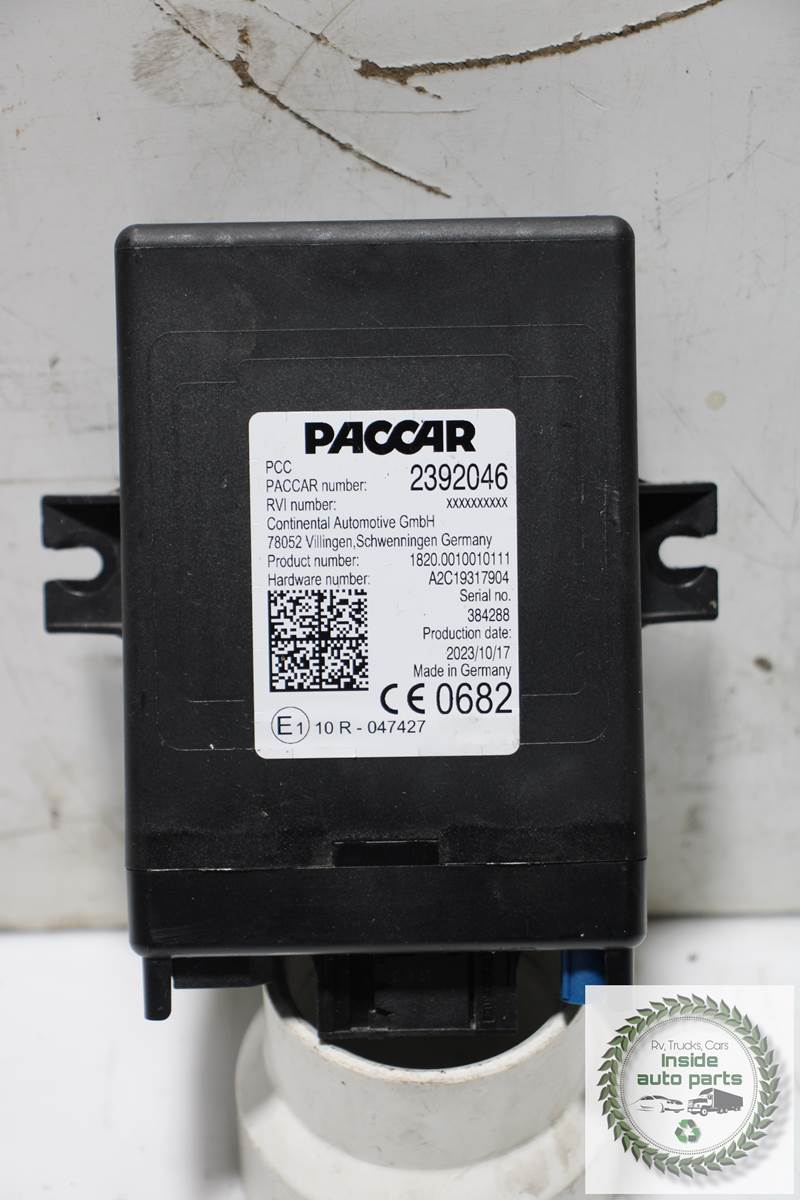
The Kenworth T680 utilizes a sophisticated multiplexed electrical system. The cruise control is not merely a circuit that completes a loop; it is a software-enabled feature managed by the Engine Control Module (ECM) and the Vehicle Electronic Control Unit (VECU). Understanding this architecture is essential for any technician attempting to troubleshoot the system.

📤 Share Image
The Role of the ECM and VECU
The cruise control system relies on the VECU to receive inputs from the steering column switches and the ECM to manage the engine load. When you flip the cruise switch, the VECU broadcasts a signal across the data bus. If the ECM deems all safety parameters are met—such as road speed, gear position, and clutch/brake pedal status—it enables the feature. If either module detects a conflict, the system remains disabled.

How J1939 Bus Failures Stop Cruise
The J1939 data bus is the backbone of your T680. It facilitates communication between your transmission, engine, ABS, and cab modules. A high resistance in the data bus, often caused by corrosion or a damaged pin at the firewall connector, can lead to “intermittent message loss.” If the cruise switch signal doesn’t reach the ECM consistently, the cruise will kick off instantly. In our experience, data bus health is the most overlooked variable in electrical diagnostics.
Why Check Engine Lights Override Cruise
Cruise control is a safety-critical feature. Consequently, if the ECM identifies an active fault that could affect engine performance or emissions, it initiates an automatic lockout. A minor ABS sensor fault, for instance, can prevent the ECM from confirming accurate vehicle speed. If the ECM cannot verify speed, it will not allow cruise control to engage, ensuring the vehicle does not accelerate uncontrollably in a potential skid condition.
Diagnostic Steps for Kenworth T680 Cruise Control Not Working
Before you begin replacing parts, you must follow a logical, data-driven diagnostic path. Guesswork in modern electronic trucks is a recipe for wasted downtime and unnecessary expense.
📋
Diagnostic Procedures
Recommended Best Deal Products

Always pull codes via the Data Link Connector (DLC). Look specifically for VECU or Chassis module codes. A “Data Link Communication Failure” code is a major indicator that the cruise issue is wiring-related rather than component-related.
Use your diagnostic software to monitor the ‘Cruise Control On/Off’ switch status in real-time. Toggle the switch on the steering wheel while watching the data stream. If the status does not change from ‘False’ to ‘True,’ you have confirmed a switch or wiring fault between the steering column and the VECU.
Is It a Parameter Setting or a Failure?
We often see trucks where cruise control was simply disabled in the ECM parameters. Some fleets configure their trucks with a “Max Cruise Speed” parameter that, if corrupted or incorrectly updated during an ECM flash, can force the system to stay inactive. Before ripping apart the dash, use your diagnostic tool to verify that the ‘Cruise Control Enable’ parameter is set to ‘Yes’ and that the minimum engagement speed is set correctly (usually 30 mph).

Audible — Listen Free for 30 Days
One free credit a month and thousands of titles included.
Listen Free for 30 DaysTesting and Replacing Physical Components
Once you have ruled out software and data bus issues, move to the mechanical inputs that inhibit the cruise system. These components are frequently exposed to vibration and physical wear.
Brake Pedal Switch
If the brake pedal switch is misaligned or sticking, the ECM constantly receives a ‘braking’ signal. This prevents cruise engagement. A quick test is to pull up on the pedal with your foot to see if the system resets.
Clutch Position Sensor
On manual transmissions, a faulty clutch sensor is a primary suspect. Because the sensor experiences constant micro-vibrations, the internal contacts can fail, leading to an intermittent “clutch depressed” signal that kills cruise.
Steering Column and Wiring Integrity
- Steering Column Switches: These are high-use items. If the I/O status check fails, pull the steering column cover and use a multimeter to check for continuity across the switch pins.
- Grounding Points: Poor grounds are the silent killers of T680 electronics. Inspect the main cab-to-chassis grounds. Corrosion here can cause voltage drops that confuse the VECU, leading to sporadic cruise operation.
- Wiring Harnesses: Check the harness leading to the transmission and brake pedal assembly. Rub-throughs against the frame rails are common in high-mileage T680s.
If you are testing a clutch position sensor, do not simply replace it. Monitor the signal voltage with your diagnostic tool while physically moving the clutch pedal. A failing sensor will often show a voltage spike or drop before completely dying, which tells you the wiring and sensor are likely the culprit.
Advanced Troubleshooting for T680 Cruise Control Systems
For complex cases, we must look beyond basic switches and into the sensor fusion logic that powers modern T680 cruise functionality.
Wheel Speed Sensor Faults
The cruise system relies on the ABS wheel speed sensors to determine ground speed. If one of these sensors has a buildup of metallic debris or a failing tone ring, it may produce an erratic pulse. While the ABS light may not always remain illuminated, the ECM sees this inconsistency as a potential traction loss event and inhibits the cruise control to maintain vehicle stability.
Adaptive Cruise Control (ACC) Complications
Trucks equipped with ACC use a forward-looking radar sensor. Any obstruction, such as ice, mud, or a misaligned sensor bracket, will disable the entire cruise suite. Check the radar unit behind the front bumper for physical debris. If the radar unit loses calibration, the system will often show a “Collision Mitigation System Fault” on the dash, which serves as an automatic cruise lockout.
Wiring Harness Corrosion and Connectivity
The dash electronic bay in the T680 is generally well-protected, but water intrusion near the windshield seals can lead to corrosion in the body controller (BHM) connectors. If you see signs of moisture or “green crust” on any electrical pins, use an electronics-safe contact cleaner and a fine pick to restore connectivity. This is a common, though time-consuming, fix for intermittent electrical gremlins.
Never attempt to “jump” or bypass the brake or clutch switches by bridging the pins. These circuits communicate logic to the ECM, not just power. Bypassing them can cause the ECM to misinterpret the vehicle’s state, leading to potentially dangerous engine revving or a failure to throttle down when needed.
Audible Premium Plus — Annual Membership
12 audiobook credits up front, plus the full Audible catalogue.
See Annual PlansBy The Numbers
Cases caused by software inhibition or sensor data conflict
Cases caused by physical component or harness failure
Summary of Solutions for Cruise Control Functionality
Restoring your cruise control system on the T680 requires a methodical approach that prioritizes data diagnostics over random part replacement. Always begin your search by pulling active fault codes via your service software to identify which modules are communicating the “inhibited” status. Check your physical brake and clutch switches for proper engagement, and never overlook the impact that wheel speed sensors or ACC radar units can have on the overall cruise logic. If you have confirmed that your switches, sensors, and wiring are functioning correctly, you may need a deeper parameter review by a Kenworth dealer to ensure the engine software is correctly configured. By sticking to these diagnostic fundamentals, you can effectively address why your T680 cruise control is not working and get your truck back on the road with efficiency and comfort restored.
Kenworth t680 Cruise Control Not Working: Frequently Asked Questions
Do brake light issues affect Kenworth T680 cruise control?
Yes, absolutely. The cruise control system is programmed to disengage the moment the brake light switch is triggered to ensure safety. If you have a faulty brake light switch or even a shorted trailer light circuit that sends a false signal to the BCM, the truck will assume the brakes are being applied and disable the cruise control function permanently until the fault is cleared.
Is there a specific fuse for Kenworth T680 cruise control?
Yes. Within the Power Distribution Module (PDM), there are specific circuits dedicated to the cruise control system. You should consult your chassis-specific fuse map located inside the passenger-side kick panel or hood compartment. Look for labels like ‘CRUISE,’ ‘ACC,’ or ‘SWITCH PACK.’ Always test the fuse with a multimeter, as a fuse can appear visually intact while having internal hairline cracks.
Can a low coolant level disable cruise control?
In many modern T680 configurations with PACCAR MX-13 engines, low coolant levels trigger a ‘low coolant’ alarm that is tied to the engine protection system. To prevent overheating, the ECM may restrict certain features, including cruise control, to ensure the driver remains attentive to the engine status. Always top off your fluids to the manufacturer’s recommended level before troubleshooting electrical components.
How do I reset the Kenworth T680 cruise control system?
There is no dedicated ‘reset’ button. To perform a soft reset, turn the ignition to the OFF position, disconnect the chassis batteries for 10-15 minutes, and then reconnect them. This clears the volatile memory in the Body Control Module (BCM) and may resolve temporary glitches. If the system fails to re-initialize after a power cycle, a professional scan with PACCAR DAVIE4 software is required.
Why does my cruise control only work intermittently?
Intermittent operation is almost always a sign of a loose physical connection or a failing sensor. Check the wiring harness under the steering column for loose plugs. Additionally, check the clutch sensor, as vibrations can cause the sensor to lose contact, triggering the system to drop the cruise set point. Inspect the J1939 data cable for any physical damage or signs of pinching.