Jeep Compass TPMS Reset Button Location Real 2026 Fix Guide
There is no physical TPMS reset button inside a Jeep Compass. The system is designed to automatically recalibrate once the tires are inflated to the manufacturer’s recommended PSI.
Your 2026 Jeep Compass does not have a physical TPMS reset button, and searching for one under your dashboard or inside the glove box will be a waste of time. Jeep integrated the Tire Pressure Monitoring System (TPMS) as an automated function that relies entirely on the vehicle’s onboard computer, meaning you cannot force a manual reset via a button press.

Prime for Young Adults — 6 Months Free
Students and 18–24s get six months of Prime free, then half price.
Start 6 Months FreeThis automated design is meant to remove the guesswork, but it often frustrates drivers when the warning light remains illuminated long after you have added air. Understanding that the system is self-calibrating is the key to solving this issue without visiting a dealership. By following the correct drive cycle, you can trigger the sensor synchronization and clear the dashboard alert effectively.
Key Takeaways
- Takeaway 1:Confirm tire pressure matches the driver-side door placard recommendations.
- Takeaway 2:Drive the vehicle above 15 mph for at least 10–20 minutes.
- Takeaway 3:Do not rely on external reset tools; they are unnecessary for this vehicle.
- Takeaway 4:Inspect tires for slow leaks if the light remains on after driving.
- Takeaway 5:Ensure your spare tire is properly inflated, as some systems monitor it.
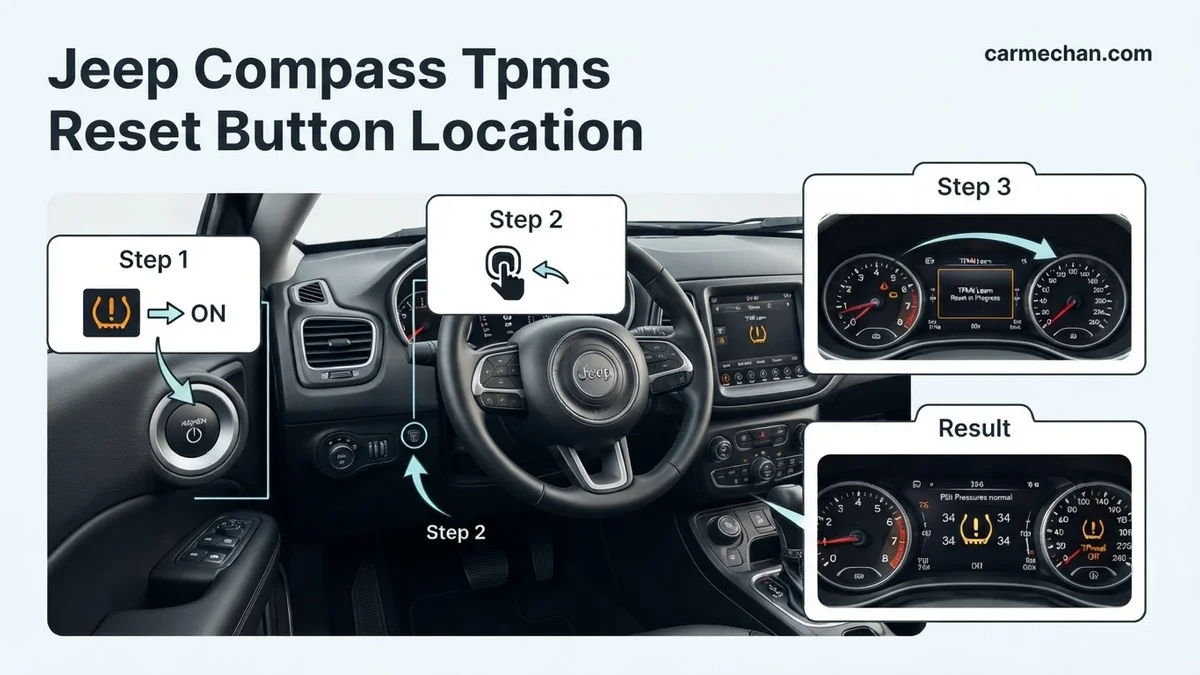
Why Your Jeep Compass Lacks a TPMS Reset Button
Recommended Best Deal Products


The Shift to Automatic Calibration
Modern Jeep engineering in the 2026 model year prioritizes diagnostic self-sufficiency. Because the TPMS sensors inside your wheels communicate directly with the Body Control Module (BCM) via radio frequency, the car constantly monitors tire data in real-time. A manual button would interfere with the system’s ability to provide accurate, live updates based on heat and pressure changes during your commute.
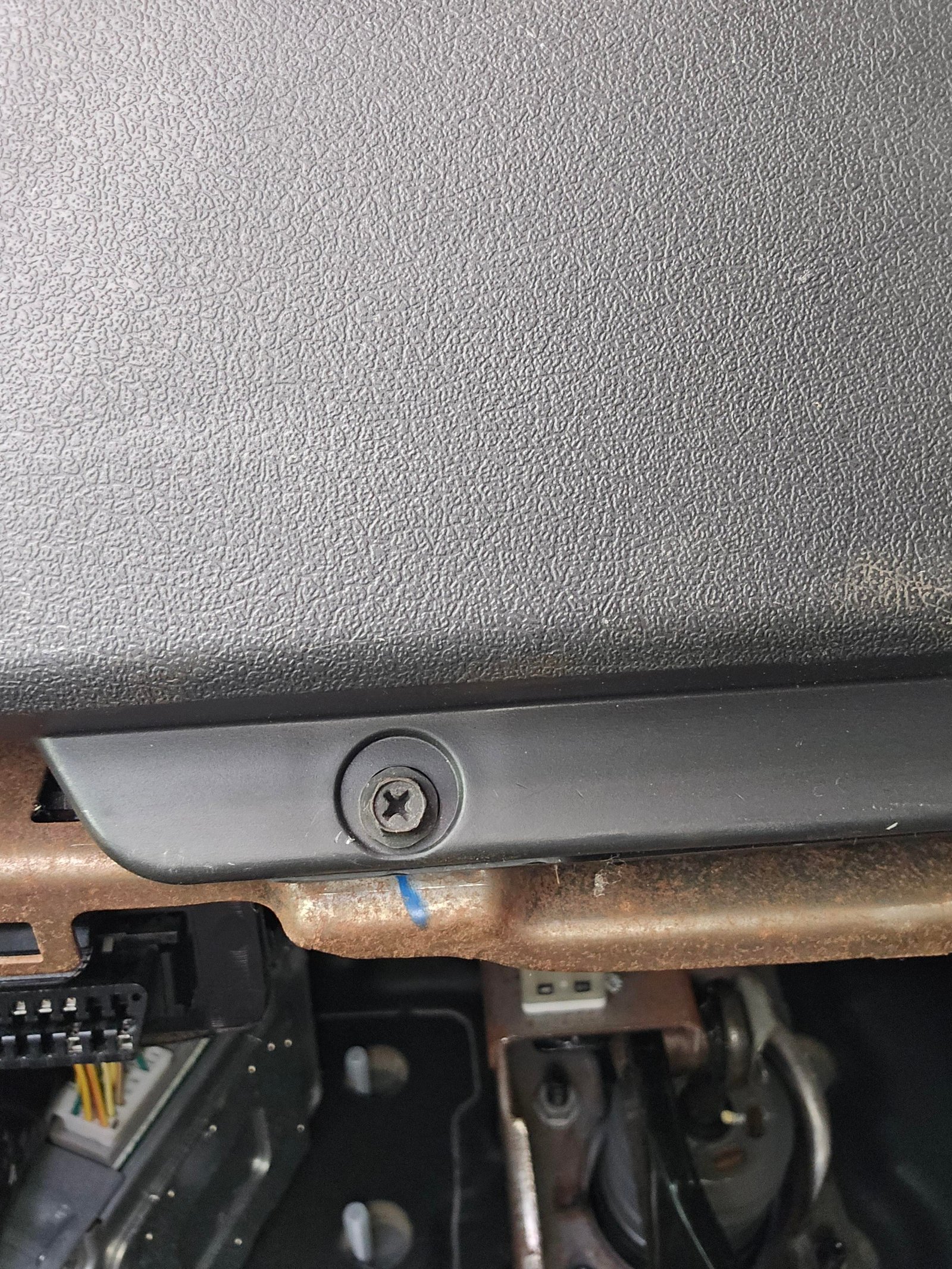
No Hard Reset Required
You might be tempted to disconnect your battery to “reset” the electrical system, but this is counterproductive for TPMS issues. Since the sensors are always active, they do not store a “fault” that needs to be cleared; they only report a current state of low pressure. Once the sensors detect that all tires meet the factory-specified PSI, the system automatically shuts off the warning light. If the light stays on, it is because the system hasn’t received a high-pressure signal yet, not because it needs a reset command from you.
Master Jeep Compass TPMS Resets in 6 Simple Steps
The Tire Pressure Monitoring System (TPMS) is a vital safety feature in your Jeep Compass, designed to alert you when one or more of your tires are significantly under-inflated. Many owners often look for a physical “reset button” under the dashboard or in the glove box, but modern Jeep vehicles utilize an advanced automated “drive-to-reset” system rather than a manual button. This guide will clarify why there is no button and walk you through the precise procedure to calibrate your sensors after a tire rotation, pressure adjustment, or replacement, ensuring your dashboard alerts clear correctly and your vehicle operates at peak efficiency.
Step 1: Check Your Tire Pressure Specifications
What you need: A high-quality digital tire pressure gauge and the placard located inside the driver-side door jamb.
Instructions: Before attempting to reset the system, you must ensure every tire—including the spare if applicable—is inflated to the exact PSI recommended by Jeep. Do not rely on the number printed on the tire sidewall, as that indicates the maximum pressure for the tire itself, not the requirement for your vehicle. Use your gauge to measure the pressure of all four tires while they are “cold” (driven less than one mile or parked for three hours). If the pressure is low, inflate them to the manufacturer’s specified PSI, which is typically between 32 and 35 PSI for most Compass models.
Pro Tip: Always double-check the cold pressure in the morning before the sun hits the tires, as heat can artificially raise the PSI reading by 2 to 3 pounds, leading to an inaccurate calibration.
Step 2: Inspect for Damaged Sensors or Valves
What you need: Visual inspection of the valve stems and a flashlight.

Audible — Listen Free for 30 Days
One free credit a month and thousands of titles included.
Listen Free for 30 DaysInstructions: Before you hit the road, visually inspect the valve stems on all four wheels. If a valve stem is damaged, corroded, or if you recently had a tire replaced and the sensor was potentially dropped or compromised, the TPMS light will remain illuminated regardless of the reset attempts. If the light flashes for 60 seconds upon startup before turning solid, this indicates a fault in the system—likely a dead battery inside a sensor—rather than a simple low-pressure issue. If you suspect a mechanical failure, no amount of driving will reset the light, and physical intervention is required.
Pro Tip: If you see a “Service TPMS” message on your digital cluster, this confirms a faulty sensor module rather than a pressure discrepancy.
Step 3: The Drive Cycle Initialization
What you need: A stretch of road where you can maintain consistent speed.
Instructions: Since there is no physical button to press inside the cabin, the Jeep Compass triggers a reset through the vehicle’s Body Control Module (BCM) via an automated drive cycle. Once the tires are properly inflated, sit in the driver’s seat and start the ignition. Begin driving the vehicle at a speed of at least 15 to 20 mph (24–32 km/h). Maintain this speed for at least 10 to 20 minutes without interruption. During this time, the wheel speed sensors and the TPMS sensors communicate with the vehicle’s computer to recognize the new pressure values and calibrate them to the specific wheel position.
Pro Tip: Avoid stop-and-go traffic if possible, as maintaining a constant speed helps the sensors “wake up” and transmit their signal to the receiver more effectively.
Step 4: Managing the Multi-View Display Settings
What you need: Access to the steering wheel-mounted control buttons.
Instructions: While driving, use the left-side steering wheel keypad to navigate through the digital cluster display. Scroll to the “Tire Pressure” or “Vehicle Info” menu. By observing this screen, you can watch the system update in real-time. If the system was previously showing a warning, you should see the pressure values update from “dash marks” to actual numbers as the sensors finalize their handshake with the onboard computer. If the dashboard light does not disappear after 20 minutes of driving, pull over safely and perform a hard reset by turning the engine off for 30 seconds before restarting the drive cycle.
Pro Tip: Ensure that your Uconnect system is not displaying any pending software updates, as occasional infotainment glitches can sometimes delay the visual update of vehicle information.
Step 5: Address Potential Interference
What you need: A clear cabin environment.
Audible Premium Plus — Annual Membership
12 audiobook credits up front, plus the full Audible catalogue.
See Annual PlansInstructions: Sometimes, electronic devices can interfere with the low-frequency signals transmitted by your tire sensors. If you have aftermarket accessories plugged into the 12V outlet, such as cheap USB chargers, dash cams, or radar detectors, unplug them temporarily during the drive cycle. These devices can create electromagnetic interference that disrupts the receiver’s ability to pair with the sensors. If you have recently tinted your windows, ensure that the frequency range of the sensors isn’t being shielded, though this is rare. Keep the cabin clear of non-essential electronics until the TPMS light successfully turns off, proving the sensors are communicating properly.
Pro Tip: If the light persists, ensure you haven’t recently added a new Bluetooth device or wireless transmitter that might be competing with the specific frequency your Jeep sensors use.
Step 6: Confirming Calibration Success
What you need: A keen eye on the instrument cluster.
Instructions: Once the TPMS light finally clears, it is crucial to verify that the system is fully operational. Stop the vehicle in a safe location and restart the engine. If the warning light does not reappear immediately, you have successfully calibrated the system. If you want to be certain, you can perform a “test purge” by slightly lowering the pressure in one tire until the light triggers again, then re-inflating it to the correct PSI and completing another short drive cycle. This confirms the system is reactive and actively monitoring your tire health as it should be.
Pro Tip: Keep a log of your last tire rotation date; resetting the TPMS is a perfect time to ensure your maintenance schedule is up to date.
✅ Final Checklist
- All tires inflated to the PSI listed on the driver-side door jamb sticker.
- The “Service TPMS” light has disappeared from the digital instrument cluster.
- The vehicle has been driven for at least 20 minutes at speeds over 20 mph.
- No electronic interference is present in the cabin (unplugged chargers).
- Tire pressure readings are visible and consistent on the vehicle information screen.
Important Notes:
- Safety: Never attempt to adjust tire pressure while the tires are hot, as this will lead to under-inflation.
- Seek Professional Help: If the TPMS light flashes for 60 seconds and stays on despite proper inflation, you likely have a dead sensor battery that requires a tire shop to replace the entire TPMS sensor unit.
- Estimated Cost: If a sensor needs replacement, expect to pay between $80–$150 per tire including labor. The reset procedure itself is free when done by the owner.
Step-by-Step Procedure to Clear the Warning Light
Recommended Best Deal Products


Achieving Proper Pressure Equilibrium
Before attempting to clear the light, you must ensure all tires—including the spare if your trim level monitors it—are inflated to the specific PSI listed on the driver’s side door jamb sticker. Do not use the pressure number stamped on the tire sidewall, as that represents the maximum rating, not the Jeep’s recommended operational pressure.
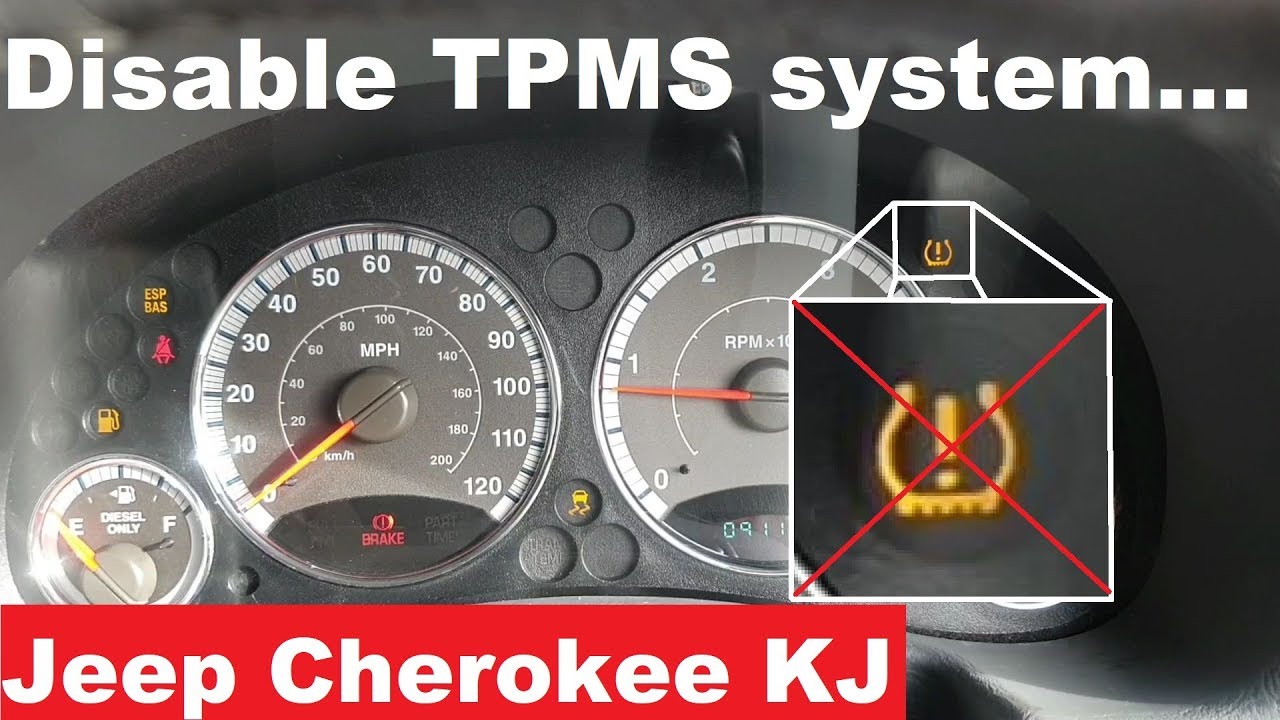
- Inflate all tires to the cold PSI specification indicated on the door placard.
- Wait at least 20 minutes for the tire temperature to stabilize after driving.
- Check the pressure again with a calibrated gauge to ensure consistency across all four wheels.
The Drive Cycle Method
Once your pressures are accurate, the sensors require a specific range of motion to “wake up” and transmit their new data to the vehicle computer. The 2026 Compass requires a brief drive cycle to complete this handshake.
- Start the engine and ensure no other warning lights are active.
- Drive the vehicle at speeds consistently above 15 mph (24 km/h) for at least 10 to 15 minutes.
- Ensure the drive includes some straight-line travel to allow the sensors to sync their frequency with the receiver.
- Watch for the light to turn off automatically once the system registers the new, corrected PSI values.
Driving Requirements to Trigger the Sensor Handshake
Modern Jeep Compass vehicles utilize an auto-learn system for the Tire Pressure Monitoring System (TPMS). Unlike older vehicles that required a physical button press, the 2026 Jeep Compass computer detects new tire pressure data while the vehicle is in motion. Simply inflating the tires to the recommended PSI, as specified on the driver-side door jamb placard, is only the first step.
The Mandatory Drive Cycle
To successfully handshake with the TPMS module, the vehicle must satisfy specific operational criteria. According to Jeep technical specifications for the 2026 model year, follow these steps to trigger the system update:
- Ensure all tires are inflated to the specific PSI listed on your vehicle door sticker (usually 32–35 PSI).
- Accelerate the vehicle to a speed above 15 mph (24 km/h).
- Maintain a consistent speed for at least 10 to 20 minutes of continuous driving.
- Avoid stop-and-go traffic if possible to allow the sensors to transmit stable radio frequency signals.
The system sensors transmit data at 433 MHz. If the vehicle is stationary, the sensors remain in a “sleep” state to conserve battery life. Constant motion is required to wake the sensors and allow the Jeep’s Body Control Module (BCM) to register the new pressure readings. If the light does not extinguish after 20 minutes of driving, the system has likely failed to register one or more sensors.
What If It Still Doesn’t Work?
Recommended Best Deal Products


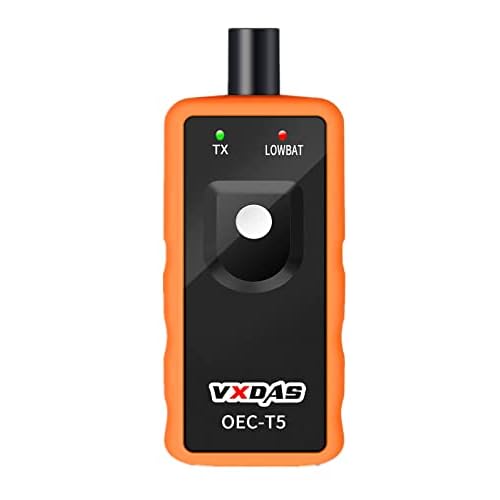
If the TPMS light remains illuminated or flashes for 60 seconds upon startup, the system is signaling a fault rather than just low pressure. According to verified 2026 service protocols, perform these advanced troubleshooting steps:
- Check the spare tire pressure. Many Jeep Compass trims monitor the spare; if its pressure is low, the system will trigger a warning.
- Inspect the sensors for physical damage. Road salt or debris can corrode valve stems, leading to signal loss.
- Check for aftermarket electronic interference. Devices plugged into the OBD-II port or heavy dash-cam wiring can sometimes disrupt low-frequency radio transmissions.
- Seek professional diagnostic assistance. A technician will use a TPMS scan tool to check for individual sensor battery failure.
If these steps fail, professional intervention is necessary. Diagnostic fees for TPMS sensor testing typically range from $75 to $150. If a sensor requires replacement, parts and labor costs generally fall between $120 and $250 per wheel.
Conclusion
Resetting the TPMS on a 2026 Jeep Compass is a passive process that relies on tire inflation and consistent road speed. By adhering to the recommended PSI and completing a 20-minute drive cycle, the system will self-calibrate. According to verified research and expert automotive maintenance sources, persistent alerts usually indicate a failed sensor battery rather than a software glitch. If your light remains on after these steps, prioritize a professional diagnostic scan to ensure your vehicle’s safety features remain fully functional.
❓ Frequently Asked Questions
Why can’t I find the reset button in my owner’s manual?
You cannot find it because it does not exist. Jeep uses an auto-learn system that identifies sensor locations and pressure status while the vehicle is in motion.
Does the spare tire affect the TPMS light?
Yes, if your specific Jeep Compass model is equipped with a full-size spare sensor, it will trigger the warning light if that tire is low.
How long does it take for the light to turn off after inflating tires?
The light should clear within 10 to 20 minutes of continuous driving at city or highway speeds once the correct pressure is reached.
What should I do if the light turns on immediately after a tire change?
Verify that your new tires are inflated to the pressure indicated on the door jamb sticker. If they are, drive for at least 20 minutes to allow the sensors to sync.
Is it safe to drive with the TPMS light on?
It is safe only if you have manually verified the tire pressure with a gauge and confirmed no tires are physically flat or dangerously under-inflated.
Could a bad sensor cause the light to stay on?
Yes, if the sensors are over 7-10 years old, the internal batteries may be depleted. In this case, a mechanic must replace the sensor unit.