Acura TLX Years to Avoid: Critical Issues & Smart Buyer Guide
Last Updated on September 1, 2026 by Ryan


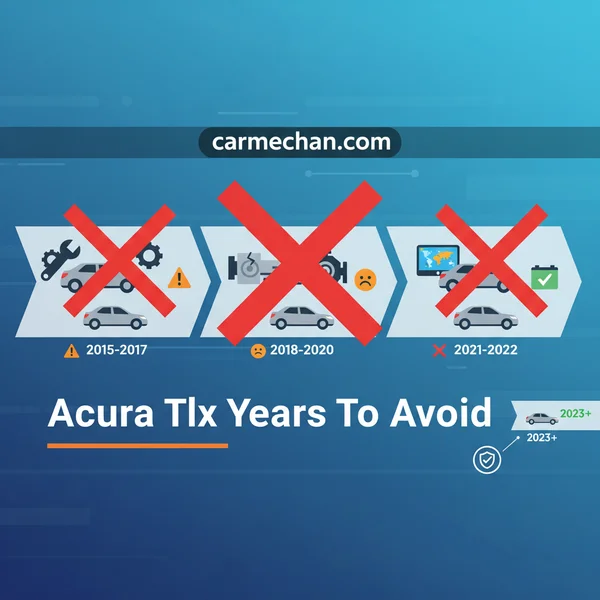
The first-generation Acura TLX, particularly the 2015-2017 model years, is often cited for significant reliability concerns, primarily involving the 9-speed automatic transmission and infotainment system glitches. Prospective buyers should exercise extreme caution and perform thorough inspections on these specific years to avoid costly repairs and ownership frustrations.
🎯 Key Takeaways
- Avoid 2015-2017 TLX due to 9-speed transmission problems.
- Inspect early model TLX transmissions for rough shifting.
- Research common infotainment and electrical glitches thoroughly.
- Prioritize TLX models with comprehensive service records.
- A pre-purchase inspection is crucial for any used TLX.
If you’re considering a used Acura TLX, you’re smart to investigate potential pitfalls. The core answer is direct: the 2015, 2016, and 2017 model years of the Acura TLX, particularly those equipped with the V6 engine and its accompanying ZF 9-speed automatic transmission, are the ones to approach with the most caution. These early first-generation models are known for significant mechanical and electronic reliability issues that can lead to costly repairs and a frustrating ownership experience.
Understanding these specific problematic years and their common flaws isn’t just about saving money; it’s about making an informed decision that ensures your investment brings reliable transportation, not a headache. This guide will pinpoint exactly what went wrong with these early TLX models, detailing the critical issues so you can navigate the used market confidently and avoid potential financial traps.
Identifying the Most Problematic Acura TLX Years
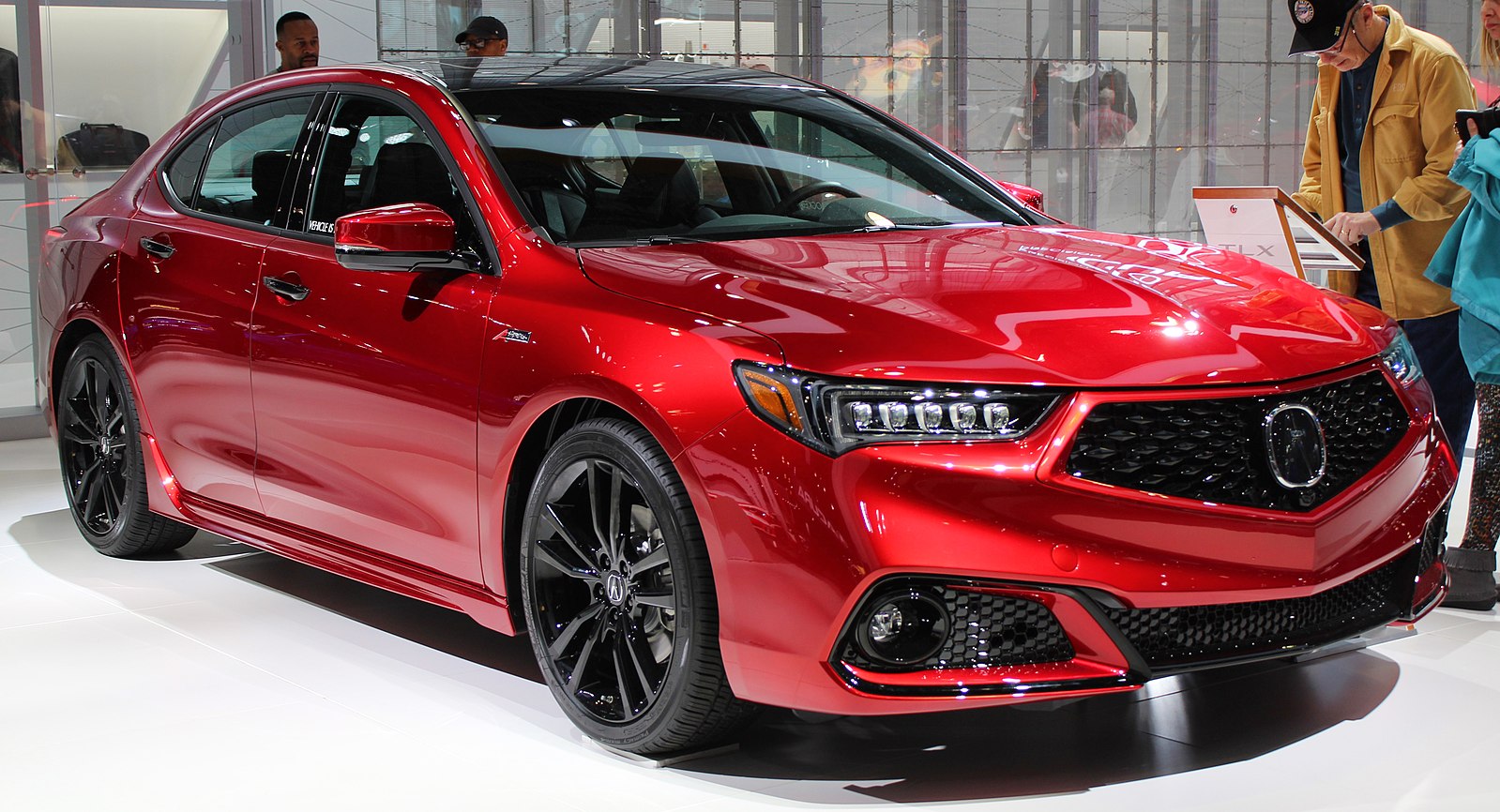
Acura generally enjoys a strong reputation for reliability, but the initial launch of the TLX in 2015 presented a significant departure from this standard. The ambitious engineering introduced in the first-generation TLX, particularly its advanced transmissions, proved to be a source of widespread problems. For buyers, the critical period to watch out for is the inaugural 2015 model year, followed closely by the 2016 and 2017 iterations, especially when equipped with the 3.5L V6 engine.
The First Generation’s Rocky Start (2015-2017)
The 2015 TLX introduced two new powertrains: a 2.4-liter four-cylinder with an 8-speed dual-clutch transmission (DCT) and a 3.5-liter V6 with a 9-speed automatic transmission. While the 2.4L and 8-speed DCT proved to be generally robust, it was the V6 models with the ZF-sourced 9-speed automatic that became notorious for their reliability woes. These issues weren’t minor quirks; they directly impacted the drivability and longevity of the vehicle. By 2018, Acura introduced a refresh, attempting to address some of the electronic and design flaws, but the underlying transmission architecture remained, meaning some residual issues could still be present in early 9-speed units even in slightly newer models.
- 2015 Acura TLX (V6): By far the most reported problems, primarily transmission-related.
- 2016 Acura TLX (V6): Continued transmission issues, although some software updates were attempted.
- 2017 Acura TLX (V6): Persistent transmission complaints, alongside growing infotainment frustrations.
Why These Years Stand Out
These specific years represent a nadir in the TLX’s reliability graph. Unlike typical used car wear and tear, the problems here are often inherent design flaws or manufacturing inconsistencies that manifest early in the vehicle’s life. The severity and prevalence of these issues, particularly with the 9-speed transmission, elevated them beyond minor inconveniences to critical defects. Owning one of these models can mean significant downtime, unexpected repair bills that can easily run into thousands of dollars for transmission work, and a constantly subpar driving experience. This is a stark contrast to the dependable performance typically expected from an Acura.
Deep Dive into Common Issues: Transmissions, Infotainment, and More
To fully understand why certain TLX years are best avoided, it’s crucial to examine the specific problems that plagued them. These aren’t isolated incidents but widespread, documented issues that many owners have reported, influencing the vehicle’s long-term reliability and value.
The Notorious ZF 9-Speed Automatic Transmission
The single most significant Achilles’ heel for the early V6 TLX models was the ZF 9-speed automatic transmission. This advanced unit, designed for efficiency, proved to be a major source of frustration and failure. It was deployed in various vehicles across different brands, but its integration with the Acura TLX often resulted in a particularly troubled experience.
- Problem Description: Owners frequently reported harsh, unpredictable, and delayed shifts across various gears, especially noticeable between first and second, and in downshifts. Some units exhibited severe shuddering, hesitation during acceleration, and occasional complete loss of drive. Many described the transmission “hunting” for gears or feeling generally unrefined and clunky.
- Symptoms:
- Jerking or clunking sensations during gear changes.
- Hesitation when accelerating from a stop or at low speeds.
- Transmission slipping or failing to engage gears.
- Illuminated “Check Engine” light or “Transmission System Problem” warning messages.
- Unusual noises (whining, grinding) from the transmission.
- Impact and Costs: These issues profoundly affect driving comfort and safety. Repairs are typically very expensive, often requiring transmission fluid flushes, extensive software updates, valve body replacements, or in severe cases, a complete transmission rebuild or replacement. Costs can range from hundreds for software updates to several thousands of dollars for major mechanical work, easily exceeding $5,000 to $7,000 for a replacement. Acura issued numerous Technical Service Bulletins (TSBs) and software updates to attempt to mitigate the problems, but these often provided only temporary relief or didn’t fully resolve the underlying mechanical deficiencies for many owners.
Frustrating Infotainment and Electronic Glitches
Beyond the powertrain, early TLX models, particularly the 2015-2017 range, suffered from a suite of electronic and infotainment system problems. Acura’s dual-screen setup, while aiming for sophistication, often delivered a frustrating user experience.
- Problem Description: Common complaints include the infotainment system freezing, lagging severely, randomly rebooting while driving, or failing to respond to touch inputs. Bluetooth connectivity issues, where phones would drop connections or fail to pair, were also widespread. Navigation systems could be inaccurate or prone to freezing.
- Symptoms:
- Unresponsive touchscreens or control dials.
- System crashing and rebooting unexpectedly.
- Bluetooth devices disconnecting or refusing to connect.
- Navigation system freezing or providing incorrect directions.
- Intermittent functionality of audio or climate controls displayed on the screens.
- Impact and Costs: While less critical than transmission issues, these electronic glitches significantly diminish the ownership experience. They cause daily annoyance, can be a safety concern due to distraction, and undermine the perception of a premium vehicle. Diagnostics and software updates might be minor costs, but if a head unit or display screen requires replacement, costs can easily climb into the hundreds or even low thousands of dollars.
Other Notable Concerns: Vibrations, Brakes, and HVAC
While the transmission and infotainment issues dominate the discussions around early TLX reliability, other less frequent but still notable problems have been reported by owners, contributing to a less-than-stellar impression for these years.
- Cabin and Steering Wheel Vibrations: Many owners of 2015-2017 TLX models reported persistent vibrations, often felt through the steering wheel, seats, or floor, particularly at highway speeds. Diagnosing the root cause can be challenging, ranging from tire balance issues and bent wheels to more complex drivetrain or suspension components, leading to multiple trips to the mechanic.
- Premature Brake Rotor Warping: Some owners experienced brake shudder and premature warping of brake rotors, requiring replacement far sooner than expected. This leads to increased maintenance costs and diminished braking performance.
- HVAC System Malfunctions: A smaller subset of owners reported issues with the Heating, Ventilation, and Air Conditioning (HVAC) system, including strange noises from the blower motor, inconsistent temperature control, or complete failure of the climate control unit.

These secondary issues, when combined with the primary transmission and infotainment woes, paint a picture of early TLX models that struggled with overall quality control and engineering integration. A used TLX from these years requires thorough pre-purchase inspection and a clear understanding of these potential liabilities.
Comparing Problematic vs. Reliable TLX Model Years
Understanding the evolution of the Acura TLX is crucial for any potential buyer. The model has seen significant improvements, especially between its generations, which directly impacts reliability.
📤 Share
💾 Download
Understanding the Generational Shift
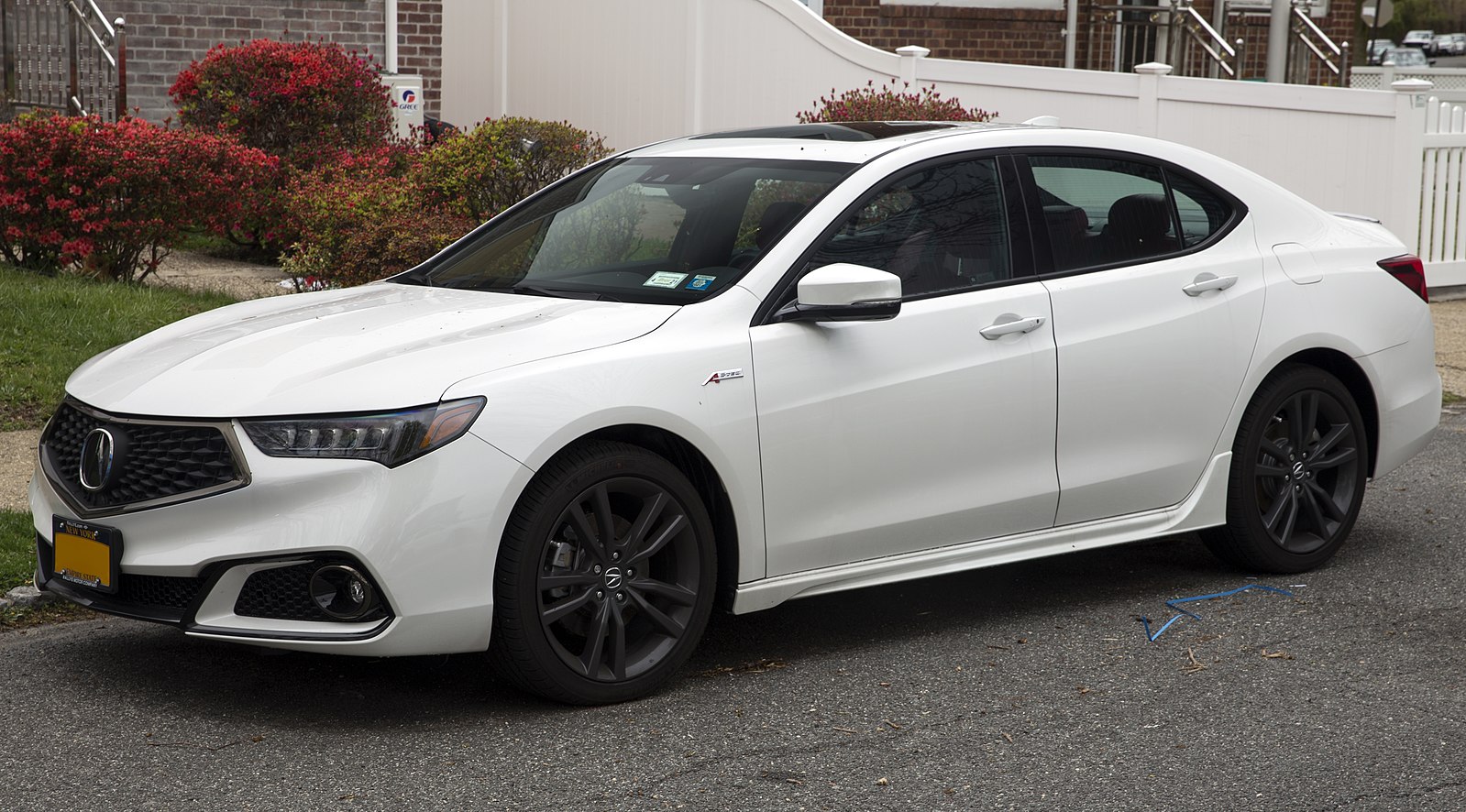
The Acura TLX is broadly divided into two generations: the first generation (2015-2020) and the second generation (2021-Present). Most of the widely reported issues, particularly with the 9-speed ZF automatic transmission and early infotainment systems, are concentrated in the first few years of the first generation.
- 2015-2017 TLX: These are the years that often appear on “avoid” lists due to the transmission woes, occasional electrical gremlins, and some owner frustration with the infotainment interface. If considering these, a comprehensive pre-purchase inspection and a clear service history are non-negotiable.
- 2018-2020 TLX: Acura made notable refinements during these years. While still part of the first generation, many of the earlier transmission issues were addressed through software updates and minor hardware tweaks. Infotainment also saw improvements. These years generally represent a safer bet within the first generation.
- 2021-Present TLX: The second generation brought a complete redesign, including new engine options, a much-improved infotainment system (with physical controls!), and a new 10-speed automatic transmission. Early indications suggest these models are significantly more reliable, aligning with Acura’s strong reputation for dependability.
Key Reliability Indicators Across Years
When you’re looking at a TLX, think about what changed and when. The later first-generation models and the second generation generally benefit from lessons learned and updated technology. For instance, the transition to the 10-speed transmission in the second generation largely mitigated the specific concerns linked to the earlier 9-speed unit.
- Transmission Performance: Later 1st Gen (2018-2020) should have smoother shifts than earlier models. The 2nd Gen (2021+) with its 10-speed transmission offers a significantly refined experience.
- Infotainment Responsiveness: While the 2015-2017 systems could be clunky, later first-generation models generally offered better software, and the second-generation system is a vast improvement in user experience and features.
- Overall Owner Satisfaction: Reviews and long-term reliability surveys tend to show higher satisfaction rates for 2018 and newer models, reflecting Acura’s continuous efforts to refine the TLX.
Smart Buyer’s Guide: What to Check Before Purchasing
Even with the most reliable model year, a diligent approach to buying a used car can save you from future headaches. Here’s how to ensure you’re making an informed decision.
Pre-Purchase Inspection Essentials
Regardless of the model year, a professional pre-purchase inspection (PPI) by a trusted independent mechanic is the single most important step. This is especially true if you’re looking at a TLX from the 2015-2017 problematic years, but even later models can have hidden issues.
- Transmission Health: Ask the mechanic to pay close attention to the transmission fluid condition, look for any leaks, and specifically test for rough shifting, hesitation, or unusual noises during the test drive. For earlier 9-speed models, ensure all software updates have been applied.
- Electrical System Scan: Modern cars are heavily reliant on electronics. Have the mechanic scan for any stored error codes, even if the check engine light isn’t on. This can reveal intermittent issues with sensors or modules that could become bigger problems.
- Underbody and Suspension: Check for signs of rust, especially on exhaust components and suspension parts. Worn bushings, leaky shocks, or damaged control arms can impact ride quality and safety.
Reviewing Service History & Recalls
A car’s past can tell you a lot about its future. A complete and transparent service history is invaluable.
- Comprehensive Service Records: Request all maintenance records. Look for evidence of regular oil changes, transmission fluid services (especially important for the TLX), brake fluid flushes, and tire rotations. Consistent maintenance indicates a well-cared-for vehicle.
- Recall Completion: Use the car’s Vehicle Identification Number (VIN) to check the National Highway Traffic Safety Administration (NHTSA) website (www.nhtsa.gov/recalls) for any open recalls. Ensure all applicable recalls, such as those related to the fuel pump or specific software updates, have been completed by an authorized Acura dealer.
- Major Repairs: Inquire about any significant repairs or accident history. While a clean CarFax is a good start, it’s not always exhaustive. Dialogue with the seller or dealership about any non-routine work performed on the vehicle.
Conclusion
While the Acura TLX offers a compelling blend of luxury, performance, and reliability, savvy buyers know that certain model years require extra scrutiny. The 2015-2017 models, particularly with their early 9-speed transmission and infotainment systems, stand out as the years to approach with the most caution. Fortunately, Acura significantly refined the TLX in subsequent years, with the 2018-2020 models offering improved reliability within the first generation, and the 2021+ second generation proving to be a robust and highly recommended choice.
Your journey to owning an Acura TLX should be an exciting one. Arm yourself with knowledge, insist on a thorough pre-purchase inspection, and meticulously review service records and recall statuses. By focusing on well-maintained examples and prioritizing later model years, you can confidently find a TLX that delivers many miles of enjoyable driving. Happy car hunting!
❓ Frequently Asked Questions
Why are the 2015-2017 Acura TLX models specifically flagged as years to avoid?
These years, particularly those equipped with the 9-speed ZF automatic transmission, are prone to issues like rough shifting, transmission hesitation, and potential early failure. Additionally, buyers often report glitches with the infotainment system and various electrical problems.
What specific transmission problems should I be aware of when considering an early TLX?


The 9-speed automatic transmission in the 2015-2017 models can exhibit symptoms such as clunky downshifts, delayed engagement, sudden jerking, and in severe cases, complete transmission failure. Owners often report software updates or full replacements as remedies.
Besides transmission issues, what other common reliability concerns exist for the problematic TLX years?
Beyond the transmission, early TLX models frequently experience infotainment system problems, including freezing screens, Bluetooth connectivity issues, and slow response times. Some owners also report premature brake wear, battery drains, and less common engine oil consumption concerns.
How do the later Acura TLX models (e.g., 2018+) compare in terms of reliability to the earlier problematic years?
Later first-generation TLX models (2018-2020) and the second-generation TLX (2021+) generally show improved reliability. The 2018 model year introduced a 10-speed automatic transmission for the V6, addressing many 9-speed complaints, and subsequent models refined infotainment and build quality.
What critical checks should a prospective buyer perform on an Acura TLX from the identified “years to avoid”?
Buyers must insist on a thorough pre-purchase inspection by a trusted mechanic, specifically focusing on transmission performance, fluid condition, and any diagnostic codes. Also, test all infotainment features, check service records for transmission services, and verify recall completion via VIN.
Are there any recalls or TSBs (Technical Service Bulletins) that address the common problems in the problematic Acura TLX years?
Yes, Acura did issue multiple software updates and Technical Service Bulletins (TSBs) to address 9-speed transmission shifting issues and infotainment glitches in early TLX models. It’s crucial to ensure any specific vehicle being considered has had all applicable recalls and TSBs performed.