What Color Is Negative On A Car Battery Expert Guide 2026
Last Updated on September 1, 2026 by Albert Duke
The negative terminal on a car battery is almost universally identified by the color black. This crucial visual cue helps ensure correct polarity when working with your vehicle’s electrical system, preventing damage and ensuring personal safety.
The negative terminal on a car battery is typically black, a critical piece of information for safe vehicle maintenance and emergency situations. This universal color coding helps prevent dangerous mistakes when working with your vehicle’s electrical system. Knowing the correct polarity is paramount for everything from jump-starting to replacing the battery itself.
Misidentifying terminals can lead to severe damage to your vehicle’s electronics and pose significant safety risks. We will explain how to accurately identify the negative terminal and understand why this knowledge is so vital. We empower you to handle your car battery with confidence and competence in 2026 and beyond.
Key Takeaways



- Negative terminal is always black.
- Positive terminal is always red.
- Look for ‘-‘ and ‘+’ symbols clearly.
- Negative post is smaller in diameter.
- Prioritize battery safety protocols.
What 3 Ways Identify Car Battery Terminals?


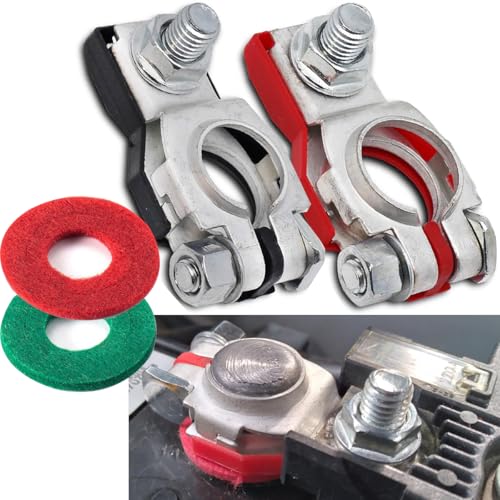
Identifying car battery terminals relies on three primary methods to ensure accurate connections every time. These cues provide redundant checks, minimizing the chance of error. Understanding each method helps you confirm polarity even when one indicator might be unclear.

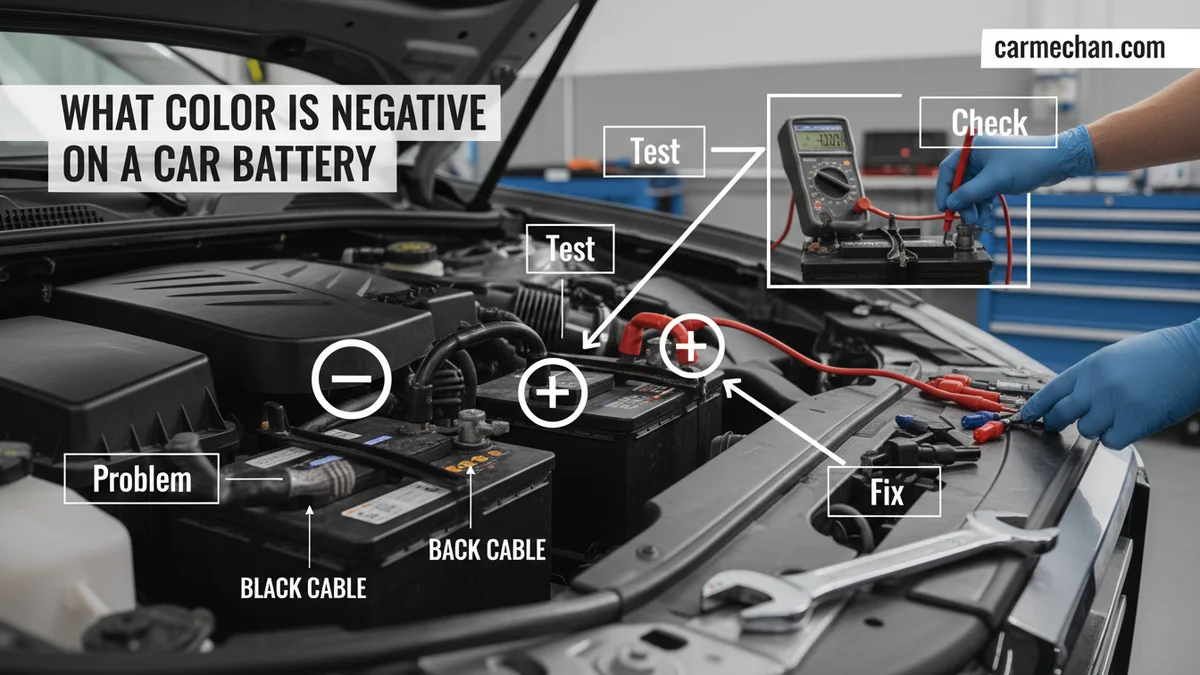
Cable Color Codes
The most common and easily recognizable method is by the color of the battery cables. This system is standardized across the automotive industry to provide immediate visual identification. You will find these colors on nearly every vehicle in 2026.
- The negative battery cable is almost universally black.
- The positive battery cable is always red.
These colors extend from the battery posts to where they connect into the vehicle’s electrical system. Always check the cable color first for a quick and reliable identification.
Universal Markings
Beyond color, battery terminals themselves feature universal symbols etched or molded onto the plastic casing or the posts. These symbols are internationally recognized and provide a crucial backup if cable colors are faded or missing. They are standardized to prevent global confusion during repairs or maintenance procedures.
- A minus sign (-) indicates the negative terminal.
- A plus sign (+) indicates the positive terminal.
These symbols are usually found directly on top of the battery case next to each post. Sometimes they appear on the terminals themselves. Always confirm these markings before making any connections.
Terminal Post Sizes
Another physical distinction between battery terminals is their size. On most standard automotive batteries, the posts have different diameters. This physical difference prevents incorrect cable clamps from being fitted onto the wrong post, serving as a mechanical safeguard.
- The negative terminal post is typically smaller in diameter, around 17.5 mm.
- The positive terminal post is generally larger, approximately 19.5 mm.
This subtle but consistent size difference offers a tactile way to identify terminals, especially in low light or if other visual indicators are obscured. We can verify these dimensions with [External Link: automotive battery manufacturing standards, official automotive manufacturing guide]. Sometimes, you might even notice a slightly thicker cable leading from the larger positive post.
When to Use Alternative Terminal Identification


There are specific instances when relying solely on color or symbols for battery terminal identification proves difficult. Environmental factors or battery age can obscure standard markings. Knowing alternative identification methods becomes crucial for safe operation.
Faded Color Cases
Over time, battery cables can become dirty, corroded, or the insulating jacket might fade due to exposure to engine heat and harsh conditions. A black cable might appear gray, and a red cable could look dull. In such faded color cases, relying solely on hue can be misleading.
You should look for the embossed symbols directly on the battery case or on the posts. If symbols are also unclear, physical post size differences offer a reliable alternative. Always prioritize multiple identification methods if colors are ambiguous.
Damaged Battery Situations
In scenarios involving a damaged battery, such as one with a cracked casing or a missing label, visual indicators like color and symbols might be compromised. Corrosion can also cover markings. In these damaged battery situations, you must exercise extreme caution. First, never attempt to jump-start a visibly damaged battery.
If you need to identify terminals for removal, trace the battery cables. The negative cable will connect to the car’s metal chassis or engine block. The positive cable typically leads directly to the starter motor or fuse box. This method provides a failsafe when direct battery markings are unusable.
Nonstandard Battery Types
While the red-positive and black-negative convention is standard for automotive lead-acid batteries, some specialized or nonstandard battery types might employ different color schemes or proprietary connectors. For instance, certain deep-cycle marine batteries or specialized power packs may deviate. If you encounter nonstandard battery types, never assume polarity based on color alone.
Always consult the battery’s manufacturer specifications or user manual. If no documentation is available, tracing the electrical path from the battery into the vehicle’s wiring system remains the safest and most accurate method of identification. Once identification is clear, the next step involves safely connecting or disconnecting the battery, which follows specific safety protocols.
How to Connect Battery Cables in 6 Steps
Connecting battery cables, especially for a jump start, involves six essential steps to ensure safety and prevent vehicle damage. Correct polarity is critical throughout this process. Following these steps meticulously protects both vehicles and individuals involved.

1. Gather Safety Gear
Before you begin, gather necessary safety equipment. This includes safety glasses and gloves. You should also have a set of good quality jumper cables. Ensure the cables are not frayed or damaged in any way. This initial preparation minimizes personal risk. often recommend these basic precautions.
2. Position Vehicles Safely
Park the booster vehicle (the one with the good battery) close enough to the disabled vehicle so the jumper cables can reach both batteries easily. Ensure both vehicles are in park or neutral, with their engines off and parking brakes engaged. Turn off all accessories and lights in both cars. This prevents accidental movement or electrical surges.
3. Attach Positive Cable
First, attach one red (positive) clamp to the positive (+) terminal of the dead battery. Then, attach the other red (positive) clamp to the positive (+) terminal of the booster battery. Make sure both connections are firm and secure. We always connect the positive first to prevent accidental short circuits.
4. Connect Negative Cable
Attach one black (negative) clamp to the negative (-) terminal of the booster battery. Then, attach the other black (negative) clamp to a clean, unpainted metal surface on the disabled vehicle’s engine block or chassis. Choose a spot away from the battery, moving parts, or fuel lines.
Never connect the negative cable directly to the dead battery’s negative terminal. This grounding step helps dissipate any sparks safely.
5. Start Booster Vehicle
Once all four clamps are securely connected, start the engine of the booster vehicle. Let it run for a few minutes, typically 5-10 minutes, to allow the dead battery to receive a charge. After this period, attempt to start the disabled vehicle. If it doesn’t start immediately, let the booster vehicle run a few more minutes before trying again.
We ensure a sufficient charge is transferred before attempting to crank the engine.
6. Disconnect Cables Safely
After the disabled vehicle has started, let both engines run for a short period, about 5 minutes. Then, disconnect the cables in the reverse order of connection. First, remove the black (negative) clamp from the disabled vehicle’s chassis or engine block. Next, remove the black (negative) clamp from the booster battery.
Then, remove the red (positive) clamp from the booster battery. Finally, remove the red (positive) clamp from the now-started vehicle’s battery. This careful disconnection sequence minimizes the risk of sparks or damage. Understanding the correct procedure is one thing; knowing the severe consequences of getting it wrong is another, highlighting the dangers of incorrect polarity.
What 4 Risks Come From Wrong Battery Polarity?
Connecting a car battery with incorrect polarity poses four significant risks to both your vehicle and personal safety. These dangers underscore the critical importance of proper terminal identification. A momentary lapse can lead to lasting, expensive damage or severe injury.
Electrical System Damage
Reversing battery polarity can instantly fry delicate electronic components within your vehicle. The voltage regulators, diodes, and especially the Engine Control Unit (ECU) are highly susceptible to reverse current flow. Damage to these systems often results in costly repairs or complete component replacement. This type of damage is a primary concern for [External Link: modern vehicle electronics, reputable automotive engineering source] manufactured in 2026.
The alternator is also particularly vulnerable, with its rectifiers often failing under reverse polarity.
Battery Explosion Threat
When you connect battery cables incorrectly, it can cause a rapid and dangerous overcharge of the battery. This overcharging can generate excessive hydrogen gas within the battery cells. A spark, even a tiny one, can ignite this accumulated gas, leading to a battery explosion. Such an event can spray corrosive battery acid and shrapnel, creating a severe battery explosion threat.
frequently highlight this risk as a major safety concern.
Personal Burn Hazards
The high current flow generated by incorrect polarity can cause cables to overheat rapidly. These hot cables can melt their insulation, leading to direct skin contact with extremely hot wires. Furthermore, sparks or an exploding battery can cause severe chemical burns from battery acid or thermal burns from intense heat and flames.
These are serious personal burn hazards that demand extreme caution during any battery work. Eye protection and gloves are essential preventative measures against these dangers.
Component Failure Potential
Beyond the ECU and alternator, numerous other vehicle components have a high component failure potential when subjected to reverse polarity. Fuses will likely blow immediately, but if not, the power windows, radio, navigation system, and other accessories can suffer permanent electrical damage. Sensitive sensors and control modules throughout the vehicle are not designed to handle electricity flowing in the wrong direction.
The cascading effect of a single incorrect connection can disable multiple systems, leading to extensive and expensive diagnostic work.
Final Thoughts on Battery Polarity and Safety
Identifying the negative terminal on a car battery by its consistent black color is a foundational step in safe vehicle maintenance. We have explored how vital this simple identification is, complemented by the universal ‘-’ symbol and the smaller terminal post size. Understanding these identifiers prevents costly damage and ensures your personal safety.
correct polarity when jump-starting or replacing a car battery is non-negotiable. Always prioritize safety protocols and double-check your connections before proceeding. If you ever feel uncertain about any car battery maintenance task, consult a qualified professional. Take proactive steps to ensure safe car battery maintenance and prevent any accidental mishaps.
Why Is the Negative Terminal Always Black?
The negative terminal’s black color is a universal industry standard for easy and consistent identification. This convention helps prevent dangerous polarity reversals, safeguarding both vehicle electronics and personnel during maintenance or jump-starting procedures. It visually distinguishes it from the red positive terminal, creating a clear visual cue for safety.
Can a Car Battery Have Different Colored Terminals?
While extremely rare for standard lead-acid car batteries, some non-automotive or specialty batteries might use different color coding. However, for vehicles, the black negative and red positive standard is nearly universal. Always confirm with symbols (‘-‘ and ‘+’) and post size if unsure about colors or if dealing with a non-traditional battery type.
What Happens If I Connect Battery Cables Incorrectly?
Connecting battery cables incorrectly can cause severe damage. It risks short-circuiting, frying the vehicle’s electronic control unit (ECU), damaging the alternator, or even causing the battery to explode. This can lead to fires or serious personal injury. Always double-check polarity before connecting any battery cables.
How Do I Identify a Negative Terminal If Markings Are Gone?
If markings are gone, trace the cable connected to the terminal. The negative cable almost always connects to a metal part of the car’s chassis or engine block, serving as the vehicle’s ground. Additionally, the negative post is typically slightly smaller in diameter than the positive post, providing a physical distinction.
Is the Negative Terminal Always Smaller Than the Positive?
Yes, on most standard automotive batteries, the negative terminal post is consistently smaller in diameter than the positive terminal post. This physical difference provides another reliable method for identification, especially when visual cues like color or symbols are faded or absent. This size difference is an important design safety feature.