Is Auto Start Stop Bad For Your Car Auto Start Stop 2026
Last Updated on September 1, 2026 by Albert Duke
Generally, auto start-stop technology is not bad for your car. Modern vehicles equipped with these systems are specifically engineered with upgraded components to withstand the increased cycles, mitigating concerns about premature wear on your engine, starter motor, and battery.
Generally, auto start-stop technology is not bad for your car. Modern vehicles equipped with these systems are specifically engineered with upgraded components to withstand the increased cycles, mitigating concerns about premature wear on your engine, starter motor, and battery.
- Start-stop systems engineered for durability.
- Upgraded components handle frequent cycles.
- Minimal impact on engine wear is observed.
- Specialized batteries extend lifespan.
- Disabling offers driver control, not necessity.
The question, “is auto start stop bad for your car,” is a common concern among vehicle owners and prospective buyers in 2026. Many worry about the long-term effects of frequent engine shutdowns and restarts on their vehicle’s health.
However, this apprehension often stems from a misunderstanding of how these sophisticated systems are designed. Far from being detrimental, modern auto start-stop technology incorporates specific engineering solutions to protect your vehicle’s critical components.
We will explore how these systems function and the specific upgrades that prevent premature wear.
Key Takeaways

- Start-stop systems engineered for durability.
- Upgraded components handle frequent cycles.
- Minimal impact on engine wear is observed.
- Specialized batteries extend lifespan.
- Disabling offers driver control, not necessity.
How Does Start Stop Protect Your Engine?


Auto start-stop systems are more sophisticated than simple on/off switches. They utilize complex algorithms and sensors to determine when an engine stop is appropriate and when it should restart, always prioritizing vehicle safety and driver comfort.

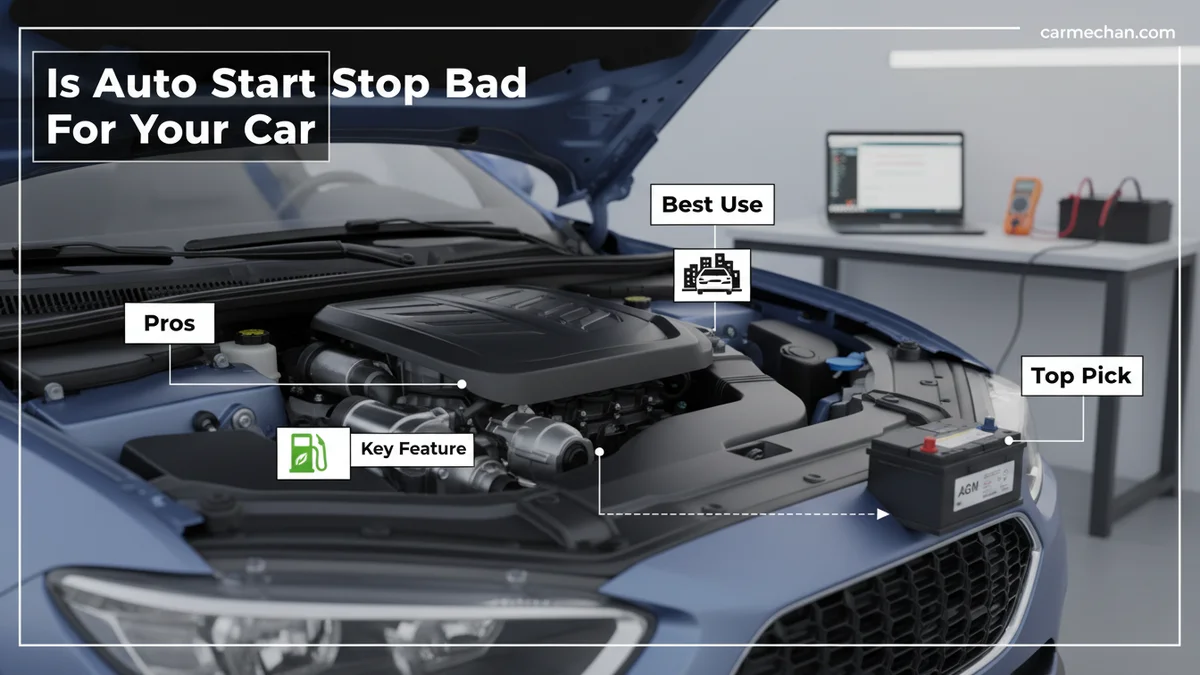
Engine wear often occurs during a “dry start” before oil pressure builds. However, vehicles equipped with start-stop technology are designed to prevent this. Many systems maintain residual oil pressure during brief stops, or they rapidly build pressure upon restart using advanced oil pumps.
Manufacturers like Ford and General Motors have published studies indicating that the design adaptations significantly reduce the risk of accelerated engine wear. These adaptations ensure that critical engine components receive immediate lubrication upon restart, minimizing metal-on-metal friction.
Understanding the overall system is crucial, but diving deeper into individual component adaptations reveals the true extent of this engineering.
What 3 Key Components Adapt for Stop-Start?

Three primary vehicle components receive significant upgrades to manage the demands of auto start-stop technology. These enhancements are fundamental to the system’s long-term reliability and your car’s durability.
Reinforced Starter Motors
Unlike standard starter motors designed for a few starts per day, those in start-stop systems are built for tens of thousands of cycles. They feature stronger gears, more durable brushes, and enhanced solenoid designs. Some even integrate higher-power electric motors or use belt-driven starter-generators to facilitate smoother and quicker restarts, minimizing mechanical stress.
This drastically increases their expected lifespan compared to conventional starters.
Advanced AGM Batteries
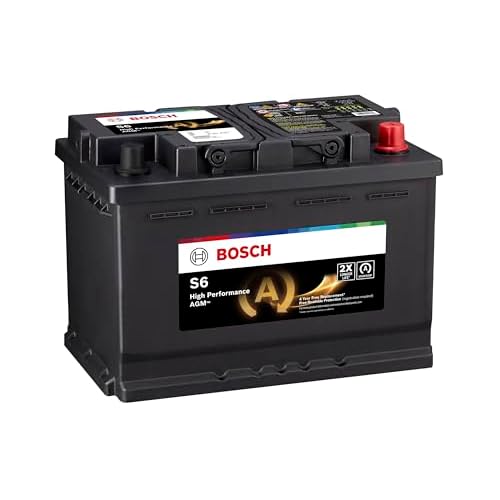
Auto start-stop cars require specialized batteries capable of handling frequent deep discharge and recharge cycles. Absorbent Glass Mat (AGM) or Enhanced Flooded Batteries (EFB) are standard in these vehicles. AGM batteries, for example, offer superior cyclic durability and faster recharging capabilities compared to conventional lead-acid batteries, ensuring they can power accessories during engine-off periods and reliably restart the engine.
Understanding different [INTERNAL LINK: types of car batteries] is key to appreciating this upgrade.
Durable Engine Internals
Beyond the starter and battery, engine components are also reinforced. Crankshaft bearings, for instance, are often made with more materials or have special coatings to withstand the increased number of start-stop events. Some engines incorporate electric oil pumps to ensure immediate lubrication upon restart, preventing wear during the crucial initial moments of engine operation.
This comprehensive approach ensures that the engine itself is prepared for the demands of the system.
These component upgrades are substantial, but the system’s overall value often sparks a debate about its practical benefits versus perceived drawbacks.
Fuel Savings vs Component Wear for Drivers
The primary benefit of auto start-stop systems lies in their ability to enhance fuel efficiency and reduce emissions. By shutting down the engine during idling, especially in congested urban areas, these systems can significantly decrease fuel consumption. Drivers commonly experience a 3-10% improvement in fuel economy, particularly in city driving conditions.

This fuel saving translates directly into lower operating costs and reduced environmental impact, cutting down on carbon dioxide and other pollutant emissions. For many drivers, these environmental and financial benefits outweigh any minor, theoretical concerns about component wear, which as we’ve seen, is mitigated by advanced engineering.
While the specialized AGM battery or reinforced starter motor might incur a slightly higher replacement cost, the fuel savings over the vehicle’s lifespan, combined with fewer emissions, present a compelling value proposition. Over several years of ownership, the accumulated fuel savings typically surpass any potential increase in maintenance expenses.
Despite these proven benefits, driver experience and specific situations sometimes make disabling the system a preferred option.
When to Temporarily Disable Auto Stop-Start
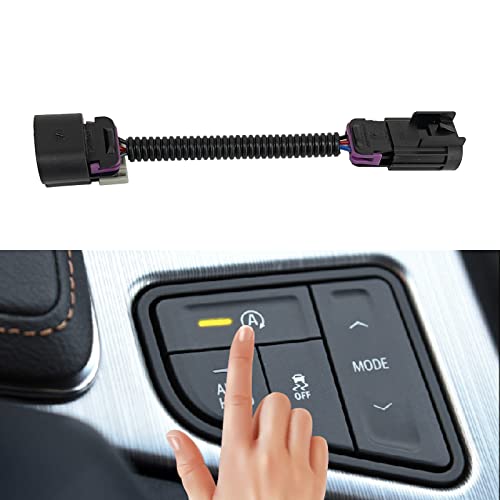
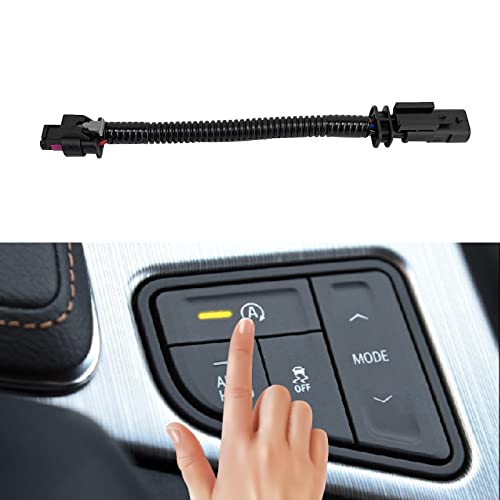
While generally beneficial, there are specific driving conditions where temporarily disabling your auto start-stop feature makes sense. Most vehicles come equipped with a button to easily switch the system off for the duration of a trip, offering drivers practical control.
One common scenario is in extremely slow, stop-and-go traffic where the engine would be constantly cycling on and off every few seconds. This can create an uncomfortable driving experience and offer minimal fuel savings due to the very short stop durations. Similarly, during delicate maneuvers like parking, a continuously running engine can provide more predictable power delivery.
Other situations might include towing heavy loads, driving on steep inclines, or in extreme weather conditions (very hot or very cold) where the vehicle’s systems, like the air conditioning or heating, require continuous engine operation to maintain performance. Drivers can often find guidance on these scenarios in their vehicle’s manual or through general [INTERNAL LINK: car maintenance tips].
These practical considerations often contribute to common misunderstandings surrounding start-stop technology, which we will now address.
5 Common Auto Start-Stop Myths Debunked
Several myths persist about auto start-stop technology, often fueled by incomplete information. Addressing these directly helps clarify the system’s true impact.
Myth 1: It causes excessive engine wear. This is largely untrue. As discussed, modern engines with start-stop are engineered with upgraded components, such as durable bearings and advanced lubrication systems, to withstand frequent restarts. Studies consistently show no significant increase in engine wear compared to conventional vehicles.
Myth 2: The battery drains too quickly. Start-stop systems use specialized AGM or EFB batteries designed for deep cycling and faster recharging. These batteries are specifically built to handle the higher electrical loads and frequent starting demands without premature failure.
Myth 3: The starter motor fails early. Starter motors in these vehicles are reinforced with stronger materials and designs, allowing them to handle many more start cycles than standard starters. They are expected to last the lifetime of the vehicle, just like any other major component.
Myth 4: It always saves fuel. While it significantly reduces fuel consumption in city driving and idling, its benefits are less pronounced on highways where the engine runs continuously. The system intelligently determines when to engage, ensuring efficiency gains are real for its intended use. [EXTERNAL LINK: Environmental Protection Agency fuel economy data]
Myth 5: The technology is unreliable. Auto start-stop systems are extensively tested and integrated into the vehicle’s core systems. They are designed to be reliable, with numerous sensors ensuring proper operation and safety. If conditions aren’t ideal (e.g., low battery charge, extreme temperatures), the system simply won’t engage. [EXTERNAL LINK: Automotive engineering reports on system reliability]
Understanding these facts helps clarify the technology’s true impact and sets the stage for a final overview of its role in modern vehicles.
5 Key Questions About Auto Start-Stop Technology
Does Auto Start-stop Really Damage My Engine?
No, auto start-stop systems do not significantly damage your engine. Modern engines with this feature are designed with enhanced components like stronger bearings and specialized lubrication to withstand frequent restarts, ensuring long-term durability. Engineers account for increased cycles.
How Long Do Auto Start-stop Batteries Last?
Auto start-stop batteries, typically AGM or EFB types, are built to last a similar or slightly longer duration than conventional batteries, usually 3-5 years. They are specifically designed for frequent deep discharge and recharge cycles required by the system.
Does Auto Start-stop Reduce Fuel Consumption Noticeably?
Yes, auto start-stop effectively reduces fuel consumption, particularly in city driving and stop-and-go traffic. Depending on driving conditions, you can expect a 3-10% improvement in fuel economy, contributing to lower emissions and cost savings over time.
Can I Permanently Turn Off Auto Start-stop in My Car?
Most vehicles offer a button to temporarily disable the auto start-stop feature for the current drive cycle. Permanently disabling it often requires specialized tools or software modifications, which may void warranties or have unintended consequences. Consult your dealership.
Are Auto Start-stop Starter Motors More Durable?
Yes, starter motors in auto start-stop equipped vehicles are significantly more durable than standard starters. They feature enhanced gearing, stronger materials, and more designs to handle the increased number of start cycles without premature wear or failure.
Key Takeaways From Auto Start-Stop Performance
In conclusion, the concern about “is auto start stop bad for your car” is largely unwarranted in 2026. Modern vehicles with this technology are intelligently designed, featuring upgraded components in the starter, battery, and engine internals to manage increased cycling.
The benefits, primarily enhanced fuel economy and reduced emissions, significantly outweigh any perceived or actual minor wear. While temporary disabling might be useful in specific situations, it does not imply a fundamental flaw in the system.
By understanding the engineering behind auto start-stop and debunking common myths, drivers can confidently embrace this technology. Understand your vehicle’s features and drive confidently.