If The Airbags Deploy Is My Car Totaled Airbag 2026 2026
Last Updated on September 1, 2026 by Albert Duke
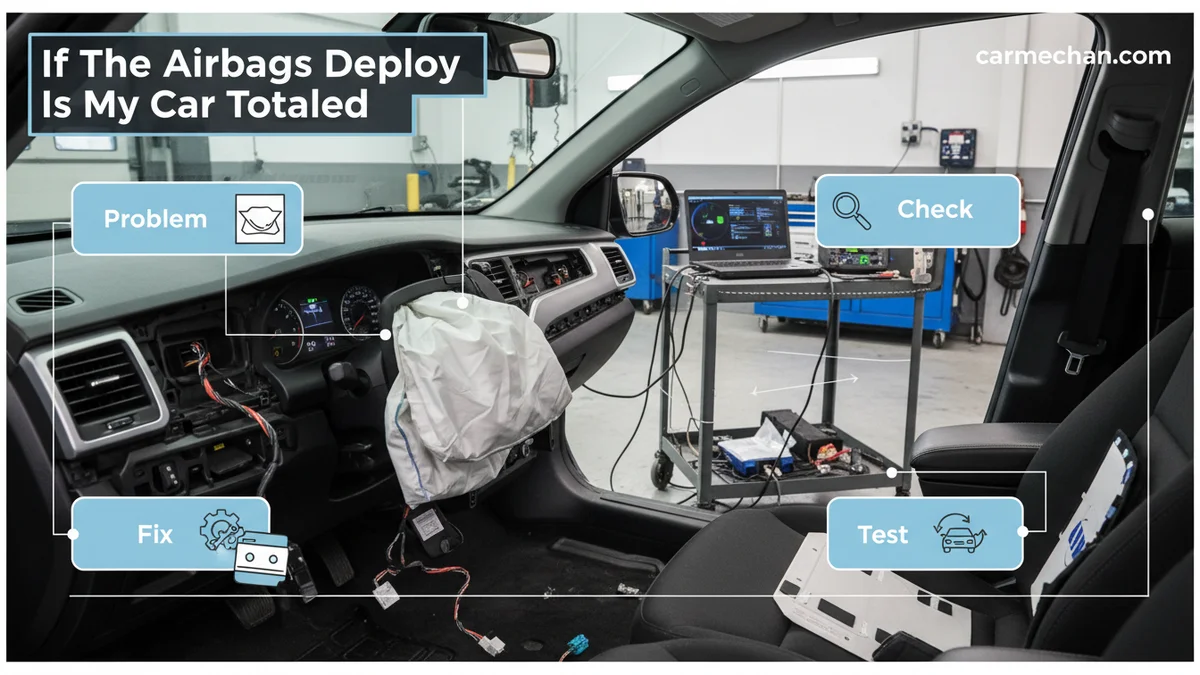
When airbags deploy, it does not automatically mean your car is totaled, but it significantly increases the likelihood due to high repair costs. Insurance companies determine a total loss based on repair estimates versus the vehicle’s actual cash value (ACV).
The question, “if the airbags deploy is my car totaled,” is common after an accident, and the direct answer is: not automatically. While airbag deployment is a severe incident, it doesn’t guarantee your vehicle is a total loss. Instead, it significantly increases that probability due to the extensive repair costs involved.
Insurance companies base their total loss decisions on a financial equation, comparing repair estimates to your car’s actual cash value (ACV).
We will explore the specific criteria insurance companies use to make this critical determination.
Key Takeaways


- Airbag deployment doesn’t guarantee a total loss.
- Repair costs often exceed car’s value after deployment.
- Insurance uses a ‘total loss threshold’ formula.
- Actual Cash Value (ACV) is key to the decision.
- Navigating claims requires understanding costs and policy.
How Do Insurers Declare a Car Totaled?
When your airbags deploy, insurance companies must decide if your car is totaled, which hinges on a specific financial calculation, not just the deployment itself. A total loss occurs when the cost to repair the vehicle exceeds a certain percentage of its actual cash value (ACV), or when state law dictates it.

Damage Thresholds Explained
Insurance companies use a “total loss threshold” or “total loss formula” to make this determination. This threshold varies by state and insurer, typically ranging from 60% to 80% of the vehicle’s ACV. If repair costs reach or exceed this percentage, the car is often declared totaled.
For example, if a car’s ACV is $10,000 and the threshold is 75%, repairs exceeding $7,500 would result in a total loss. .
Actual Cash Value Defined
Actual Cash Value (ACV) represents your car’s market value just before the accident. Insurers calculate ACV by considering factors like make, model, year, mileage, condition, and any pre-existing damage, deducting depreciation from the replacement cost. Online valuation tools and recent sales of comparable vehicles guide this assessment.
.
Salvage Value Factors
Some states also factor in the car’s “salvage value,” which is the amount the insurer can sell the damaged vehicle for. The total loss formula might then be (Cost of Repairs + Salvage Value) ≥ ACV. Understanding these thresholds is vital, especially when considering the significant costs associated with airbag system repairs.
5 Key Airbag System Replacement Costs
The primary reason airbag deployment often leads to a total loss declaration is the extensive and often underestimated cost of repairing the entire safety system. It’s far more than just replacing the bag itself.
Module Replacement Price
Airbag modules are single-use components. Once deployed, they must be replaced. A new driver-side airbag can cost anywhere from $1,000 to $2,500, while passenger-side or curtain airbags can range similarly or higher, depending on the vehicle’s make and model.
Sensor Recalibration Cost
The system’s impact sensors and the central airbag control module also require replacement or reprogramming. The control module, which triggers the airbags, often needs replacing after deployment, costing $500 to $1,500. Sensors might also need replacement or recalibration.
Seatbelt Repair Expenses
Modern vehicles often feature seatbelts with pre-tensioners that activate during a collision, locking the belt to secure occupants. These pre-tensioners, like airbags, are typically single-use and require replacement, adding several hundred dollars per seatbelt to the repair bill.
Dashboard Labor Hours
Airbag deployment can cause significant damage to the dashboard or other interior panels. Repairing or replacing these components is labor-intensive, often requiring extensive disassembly of the interior. This greatly increases the overall labor costs, frequently exceeding $1,000 just for the associated interior work.
Diagnostic Fees Explained
Beyond parts and labor, diagnostic fees are incurred to scan the vehicle’s computer system, clear crash data, and ensure all safety systems are fully operational post-repair. These specialized diagnostics are crucial for ensuring the car’s safety, adding hundreds to the total. . With these potential costs in mind, knowing how to navigate the insurance claim process becomes paramount.
How to Handle Your Airbag Claim in 5 Steps
Following an accident where airbags deploy, a structured approach to your insurance claim ensures a smoother process and the best possible outcome. Understanding these steps can alleviate stress during a challenging time.

Report Accident Promptly
Immediately after ensuring safety and reporting the accident to the police, contact your insurance company. Prompt reporting helps streamline the claims process and avoids potential policy issues. Provide accurate details of the incident.
Document Vehicle Damage
Take clear photos and videos of the accident scene and all damage to your vehicle, including deployed airbags and interior damage. This visual evidence supports your claim and helps the adjuster assess the extent of the damage. Include any police reports or witness statements.
Cooperate With Adjusters
Your insurance company will assign an adjuster to evaluate the damage. Be cooperative and provide all requested documentation. The adjuster will inspect the vehicle to determine repair costs and its actual cash value (ACV).
Understand Policy Terms
Review your auto insurance policy to understand your coverage, including collision, comprehensive, and any total loss clauses. Knowing your deductible and coverage limits for 2026 will prepare you for the financial aspects. .
Review Settlement Offer
Once the adjuster provides a repair estimate or a total loss declaration, carefully review the proposed settlement. Ensure the ACV calculation is fair and reflects your vehicle’s condition before the accident. Don’t hesitate to ask questions or negotiate if you believe the offer is insufficient.
Once the insurance process is underway, the critical decision of repairing versus totaling your vehicle comes into focus.
Repairing Airbags vs Totaling Your Vehicle
The choice between repairing your car after airbag deployment and accepting a total loss settlement involves complex considerations beyond just immediate costs. This decision has long-term implications for your vehicle’s value and safety.
Repair Feasibility Analysis
While technically possible to repair a car after airbag deployment, the extent of underlying structural damage is a major factor. If the frame is bent or critical safety systems are compromised beyond airbag replacement, repair may not be feasible or safe. A thorough assessment by certified repair shops is essential.
Economic Repair Limits
As discussed, the high cost of replacing airbags and associated components often pushes repair estimates beyond the total loss threshold. Even if repairs are technically possible, they might not be economically viable for the insurer or you, given the vehicle’s ACV. This financial tipping point frequently leads to a total loss declaration.
Salvage Title Impacts
If your car is declared a total loss and you decide to keep it (which is rare after airbag deployment), it will receive a salvage title. This drastically reduces its market value and makes it difficult to insure or register in some states. The process to convert a salvage title to a rebuilt title is often extensive and costly.
.
Future Resale Value
A vehicle that has had deployed airbags and undergone extensive repairs, even with a clean title, will likely have a significantly diminished resale value. Buyers are often wary of cars with a history of major accident damage, impacting its future marketability.
Safety Certification Concerns
After airbag deployment, ensuring the car’s safety systems are restored to factory standards is paramount. Repairs must be meticulous to guarantee the airbags and other safety features will function correctly in any future incident. Improper repairs can lead to serious safety risks. .
If your car is indeed declared a total loss, understanding the subsequent steps is crucial for a smooth transition.
What Happens When Insurers Total a Car?
If your vehicle is officially declared a total loss after airbag deployment, several important procedures will follow to finalize the insurance claim. This process ensures you receive fair compensation and allows for the disposition of the damaged vehicle.
Settlement Calculations Discussed
Once a total loss is declared, the insurance company will offer a settlement based on your vehicle’s actual cash value (ACV) at the time of the accident. This offer will typically include the ACV minus your deductible and any outstanding premiums. You can negotiate this figure if you believe it is too low.
Vehicle Ownership Transfer
Upon accepting the settlement, you will usually sign over your vehicle’s title to the insurance company. They then take possession of the car and are responsible for its disposal, often selling it to a salvage yard. This transfers legal ownership away from you.
Salvage Title Processing
The insurer will process the vehicle for a salvage title, indicating it was declared a total loss. This is an administrative step that marks the vehicle’s history and prevents it from being easily re-registered for road use without extensive inspections and repairs.
Replacement Vehicle Strategy
With your settlement, you can begin the process of finding a replacement vehicle. Consider factors like your budget, needs, and the current market conditions for 2026. Researching comparable vehicles helps you make an informed decision for your next purchase.
Understanding Deductibles
Your deductible will be subtracted from your total settlement amount. For example, if your ACV is $12,000 and your deductible is $500, your payout would be $11,500. This is a standard part of the claims process for all total loss scenarios. .
Having covered the entire process, let’s address some frequently asked questions that often arise in these situations.
Navigating Your Post-Accident Journey
When asking, “if the airbags deploy is my car totaled,” remember it’s a complex question with a nuanced answer. Airbag deployment doesn’t automatically total your car, but the associated high repair costs make it highly probable. Understanding the actual cash value of your vehicle, along with your insurance policy’s total loss thresholds, is critical.
Navigating the insurance claims process effectively, from initial reporting to settlement negotiation, ensures you achieve the best possible outcome. While challenging, being informed empowers you to make sound decisions about your vehicle’s future in 2026.
Common Questions About Airbag Deployment and Total Loss
Will My Insurance Rates Go up After My Airbags Deploy?
Yes, it is highly probable your insurance rates will increase after an accident where airbags deploy. This incident signals higher risk to insurers. The extent of the increase depends on your claims history, policy type, and the at-fault determination.
Can I Keep My Car If It Is Declared a Total Loss After Airbag Deployment?
You can typically keep your car if it’s declared a total loss, but the insurer will deduct its salvage value from your settlement. The vehicle will then receive a salvage title, requiring extensive and costly repairs and inspections to become roadworthy.
How Long Does the Total Loss Claim Process Take?
The total loss claim process can take several weeks, varying based on the complexity of the damage, insurer efficiency, and state regulations. Expect delays if there are disputes over ACV or if additional investigation is needed.
Does Airbag Deployment Always Mean There Is Frame Damage?
No, airbag deployment does not always mean there is frame damage. Airbags can deploy from impacts that do not necessarily bend the vehicle’s frame. However, deployed airbags often indicate a significant impact that warrants a thorough inspection for underlying structural issues.
What If My Car Loan Is More Than the Total Loss Settlement?
If your car loan exceeds the total loss settlement, you are responsible for paying the difference, known as being “upside down” or having negative equity. Gap insurance can cover this difference, making it a valuable policy addition for financed vehicles.