2010 chevy silverado cruise control fuse location Pinpointed
Is your cruise control refusing to engage on long highway stretches in your 2010 Silverado? A non-functional cruise control system is a major annoyance, and many owners assume it’s a complex computer failure when it’s often just a simple blown fuse. In this guide, we’ll pinpoint the exact 2010 Chevy Silverado cruise control fuse location and walk you through testing and replacing it so you can get back to stress-free driving.
Why Your 2010 Chevy Silverado Cruise Control Fuse Location Matters
Recommended Best Deal Products


Modern vehicle electrical systems are designed with layered protection. The fuse serves as a sacrificial bridge, breaking the circuit path to prevent damage to sensitive components like the Cruise Control Module or the Body Control Module (BCM) during a power surge.

📤 Share Image

Understanding Circuit Continuity and Blown Fuses
A fuse is essentially a precision resistor. When current exceeds the design threshold, the internal filament melts, creating an open circuit. If your cruise control is inactive, checking for continuity here is the first logical step. However, it is vital to distinguish between a hardware fuse failure and logic-based errors originating from the BCM. A simple blown fuse will be physically obvious, whereas a BCM error will likely trigger a service light on your instrument cluster.
The Role of the Brake Light Switch in Safety Shutdowns
The 2010 Silverado cruise control system is strictly interlocked with the brake light circuit. If your cruise control drops out instantly when you hit a bump, the culprit is rarely a fuse. Instead, it is often a loose or failing brake light switch, which signals the PCM to kill the cruise function for safety reasons. If the system never engages in the first place, that is the moment to focus on the electrical feed.
Distinguishing Fuse Failures from Software Issues
Hardware faults are predictable; software faults are intermittent. If the cruise control works intermittently, the fuse is almost certainly fine. If it is permanently disabled, the fuse or the steering wheel switches should be the first items on your diagnostic checklist.
Industry Data
Primary Fuse Blocks
Typical Amp Range
Pinpointing the 2010 Chevy Silverado Cruise Control Fuse Location
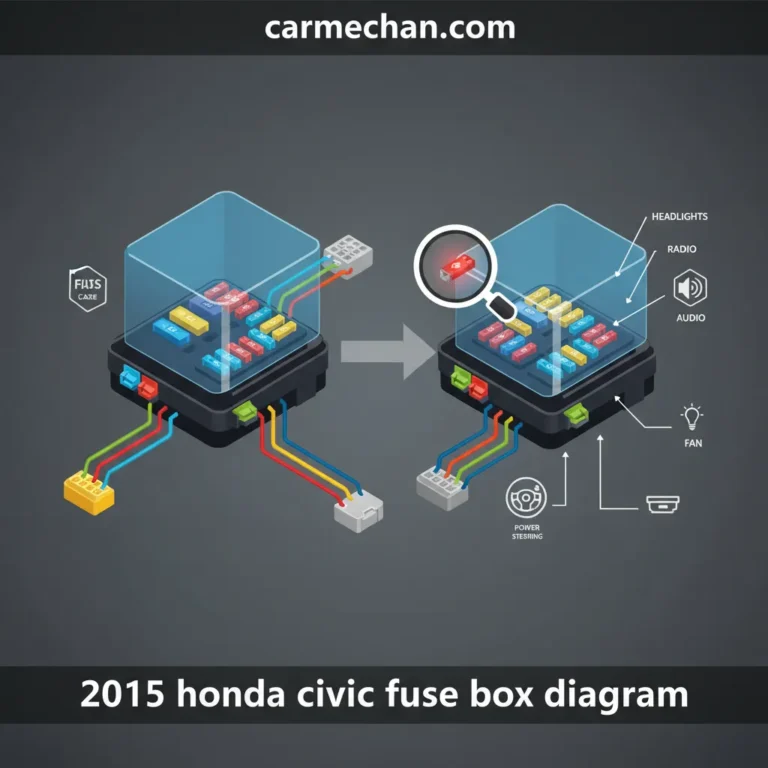
Finding the right fuse can be frustrating if you don’t know where the manufacturers tucked the electrical centers. For the 2010 model year, GM utilized two distinct locations to house the vehicle’s electrical distribution network.
Accessing the Interior Instrument Panel Fuse Block
The interior fuse block is the most common home for the cruise control circuit. To reach it, open the driver’s side door and look at the side of the dashboard. There is a plastic cover panel that requires a gentle pry with a flat-head screwdriver or a trim removal tool. Behind this cover lies the main fuse block. Always ensure you are working in a well-lit area so you can easily identify the fuse identifier labels printed on the back of the cover.
Navigating the Underhood Electrical Center
The second location is the underhood electrical center, situated near the driver’s side fender under the hood. This box is protected by a larger, weather-sealed lid. While this box primarily handles high-draw systems (like the starter or cooling fans), some auxiliary cruise-related relays are housed here. If the interior fuse checks out as healthy, the underhood relay may be the source of your concern.
Verifying Your Specific Truck Trim and Fuse Layout
Be aware that the 2010 Chevy Silverado trim level significantly dictates the internal configuration. A basic “WT” (Work Truck) model will have a different electrical load compared to an “LTZ” with advanced convenience features. Always reference the fuse diagram printed on the inside of the fuse block cover—if the lettering has worn off, consult your owner’s manual to ensure you are pulling the correct 10A or 15A fuse.
📋
How to Replace the 2010 Chevy Silverado Cruise Control Fuse
Recommended Best Deal Products


You will need a proper plastic fuse puller (usually found inside the underhood fuse box) and a trim removal tool. Avoid using metal pliers unless absolutely necessary to prevent accidental shorts.
Carefully pull the identified fuse. Hold it up to a light source; if the internal metal bridge is broken or the plastic housing looks melted, the fuse has blown. If the bridge is intact, the issue lies elsewhere.
Never replace a 15A fuse with a 20A or 30A unit. The fuse acts as a safety device for the wiring; using a higher amperage fuse risks allowing too much current to flow, which can melt your wiring harness and potentially start a vehicle fire.
Advanced Diagnostics for Persistent Cruise Control Issues
If your fuse is intact but the system refuses to cooperate, you are likely dealing with a deeper electrical fault or a sensor conflict. Use the following diagnostic checklist to narrow down the problem:
- Diagnostic Trouble Codes (DTCs): Connect an OBD-II scanner to read for BCM or powertrain codes. Even if the check engine light is off, soft codes related to the steering wheel switches or brake sensors often reside in the memory.
- Short-to-Ground Inspection: If you replace a fuse and it blows immediately upon turning the ignition on, do not install another. This is a classic symptom of a chafed wire creating a short-to-ground in the engine bay or behind the steering column.
- Steering Wheel Switch Functionality: The cruise control buttons on your steering wheel are common failure points. Over time, the contacts can oxidize or the internal ribbon cable (clock spring) can fail, breaking the signal path entirely.
- Consult a Professional: When dealing with BCM programming or complex wiring harness repairs, it is often more convenient and safer to visit a trusted local shop. They have the specialized tools to isolate the exact break in communication.
If you suspect a bad switch, try toggling the cruise control “On/Off” switch multiple times. If the cruise light flickers, you likely have dirty contacts inside the switch housing rather than a blown fuse.
Conclusion: Resolving Your 2010 Chevy Silverado Cruise Control Fault
Recommended Best Deal Products

Restoring your cruise control is a manageable task if you follow a systematic approach. Start by locating the fuse block using your owner’s manual to identify the specific layout for your truck’s trim level. Always inspect the brake light switch as a primary suspect, as it is the most common interlock failure. Most importantly, never exceed the factory-specified fuse amperage to avoid significant fire risks.
If replacing the fuse does not restore your cruise control functionality, you may be facing a deeper issue with the BCM or a faulty clock spring. In these cases, it is best to consult a qualified mechanic who can scan the vehicle for deep-seated trouble codes. Following these steps ensures your repair is safe, effective, and gets you back to your commute with confidence.
2010 Chevy Silverado Cruise Control Fuse Location: Frequently Asked Questions
Where exactly is the cruise control fuse located in my 2010 Silverado?
In your 2010 Silverado, there is no single fuse labeled ‘Cruise Control.’ Instead, the system relies on the Instrument Panel Fuse Block located on the left-hand side of the dashboard, accessible by opening the driver-side door and removing the side cover. Look for the fuses designated for the ECM or BCM, which power the cruise control logic.
Why does my cruise control stop working when I hit a bump?
If your cruise control cuts out when hitting a bump, it typically indicates a loose connection or a failing switch rather than a blown fuse. The most common culprit is the brake pedal position sensor or a loose wire in the steering column harness. A physical jolt causes a momentary loss of electrical contact, signaling the system to disengage for safety.
Is there a separate fuse for the cruise control module?
No, there is no standalone fuse for a separate cruise control module because the 2010 Silverado integrates cruise control functionality into the vehicle’s Engine Control Module (ECM) and Body Control Module (BCM). You should check the main power fuses serving these modules within the instrument panel fuse block, as they provide the necessary voltage for the cruise command signals.
How do I know if the fuse is actually blown?
To determine if a fuse is blown, pull it from the fuse block and hold it up to a light source. A healthy fuse has a continuous, unbroken metal strip. A blown fuse will show a distinct gap, break, or charred plastic housing. If you are uncertain, use a digital multimeter set to continuity mode; if the meter doesn’t beep, the fuse is dead.
Should I use an aftermarket fuse if the original is unavailable?
You can use an aftermarket fuse, but you must ensure it matches the exact amperage rating and physical form factor (ATO/ATC) of the original. Never use a fuse with a higher amperage than specified, as this will prevent the fuse from protecting your vehicle’s sensitive electrical wiring during a short circuit, which can lead to permanent component damage or electrical fires.