Why Is My Ac Not Blowing Air In My Car Fix Your Car AC 2026
Last Updated on September 1, 2026 by Ryan
When your car AC is not blowing air, the issue most commonly stems from an electrical problem like a blown fuse or faulty blower motor, or a physical blockage such as a clogged cabin air filter. This guide will help you systematically diagnose the specific cause to restore airflow.
If your car AC is not blowing air, it’s typically due to one of several identifiable problems, ranging from simple electrical faults to mechanical failures. This frustrating situation can quickly turn a comfortable drive into an unbearable one, especially during warmer months. Understanding the common culprits empowers you to diagnose the issue yourself, potentially saving time and money on professional repairs.
Our guide will help you systematically identify why your car’s AC isn’t pushing air through the vents.
Many of these problems are relatively easy to check or fix for the average car owner, while others might signal a need for expert intervention. Knowing the difference means you can make informed decisions about your vehicle’s health. We will begin our diagnosis by exploring the most frequent and often easiest-to-check culprits.
Key Takeaways


- Check fuses and cabin filter first.
- Blower motor issues are common culprits.
- Electrical faults often prevent airflow.
- Physical blockages can restrict air.
- Know when professional repair is needed.
7 Most Common Reasons Your Car AC Isn’t Blowing Air

When your car’s AC stops blowing air, it often points to one of several common issues that you can frequently identify yourself. These problems prevent any airflow, unlike a system that blows air but isn’t cold. Pinpointing the exact cause is crucial for an effective solution.

Blown Fuse or Circuit Break
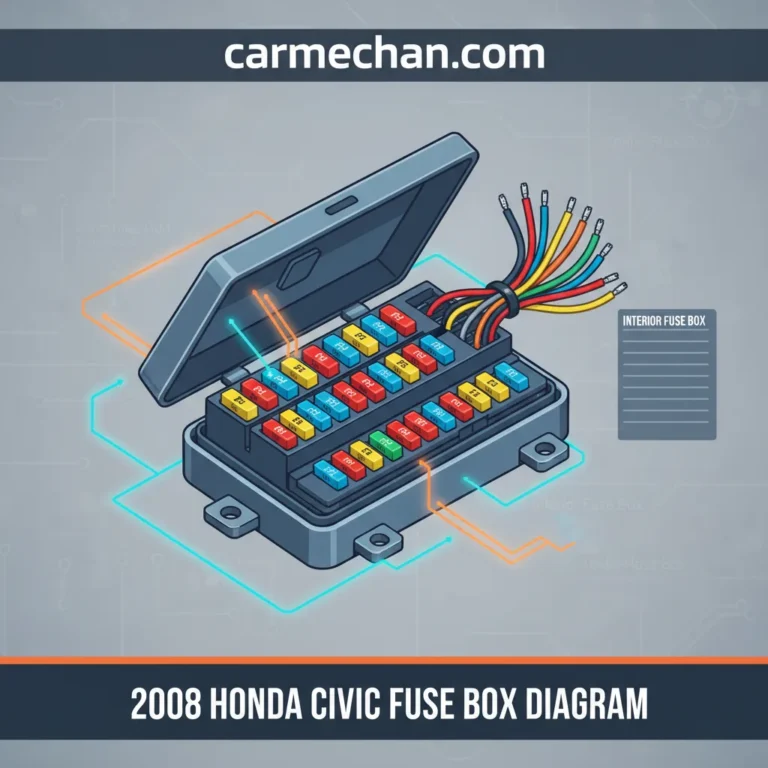
A blown fuse is a very common electrical problem. Fuses protect electrical components from power surges. If the fuse connected to your blower motor or AC system control circuit blows, it will cut off power, preventing any air from blowing. Your vehicle has multiple fuse boxes, usually under the hood and inside the cabin check car AC fuse locations.
Clogged Cabin Air Filter
The cabin air filter cleans the air entering your car’s interior. Over time, it accumulates leaves, dust, and debris, becoming severely clogged. A sufficiently blocked filter can restrict airflow so drastically that almost no air can pass through, even if the blower motor is working learn about clogged cabin air filters.
This is one of the simplest issues to inspect and remedy.
Failed Blower Motor
The blower motor is responsible for physically moving air through your car’s HVAC system. If it fails, no air will come out of your vents, regardless of your fan speed setting. Common symptoms include no noise when the fan is on or intermittent operation. The average lifespan of a car blower motor is about 10-15 years, but it can fail sooner due to electrical issues or debris blower motor troubleshooting tips.
Defective Blower Motor Resistor
The blower motor resistor controls the fan speed. If it fails, your blower motor might only work on its highest setting, or not at all. This component usually wears out over time due to heat cycling. A bad resistor will often cause inconsistent airflow or a complete lack of airflow diagnose blower motor resistor issues.
Faulty AC Blower Relay
Relays are electrical switches that control higher current circuits, like the blower motor. A faulty AC blower relay can prevent power from reaching the blower motor, resulting in no air movement. Relays can fail due to internal electrical issues. Swapping it with a known good, identical relay is a quick diagnostic step.
Damaged Electrical Wiring
Compromised wiring, whether due to rodent damage, corrosion, or wear and tear, can interrupt the electrical path to the blower motor or its control components. This can lead to intermittent or complete failure of air delivery. Diagnosing damaged wiring often requires electrical testing tools understanding automotive electrical wiring.
HVAC Control Module Malfunction
The HVAC (Heating, Ventilation, and Air Conditioning) control module is the brain of your car’s climate system. If this module fails, it may not send the correct signals to the blower motor or resistor, causing a complete lack of airflow. Symptoms can vary but often involve other climate controls also acting erratically.
Understanding these potential culprits is the first step; now, let’s learn how to systematically check for them.
How to Perform 5 Basic Car AC Airflow Fixes
Many car AC airflow problems can be diagnosed and even fixed with basic tools and a little patience, empowering you to restore comfort. Always prioritize safety, especially when working with electrical components automotive electrical safety standards.
Inspect Main AC Fuses
Start by checking your car’s fuse boxes. Consult your owner’s manual for the exact locations of the AC or blower motor fuses, usually found under the hood and/or inside the cabin. A blown fuse will have a broken wire inside.
- Tools: Owner’s manual, fuse puller (often in fuse box), spare fuses.
- Steps: 1. Turn off your vehicle and remove the key. 2. Locate the relevant fuse boxes. 3. Use the puller to carefully remove the designated fuses. 4. Visually inspect for a broken filament. 5. If blown, replace with a fuse of the identical amperage rating.
Change Cabin Air Filter
A clogged cabin air filter is a surprisingly common reason for reduced or no airflow. Replacing it is usually a straightforward process. Your owner’s manual will detail its location, most often behind the glove compartment benefits of clean cabin air filters.
- Tools: Owner’s manual, new cabin air filter.
- Steps: 1. Open and/or remove the glove compartment. 2. Locate the filter housing door and open it. 3. Pull out the old filter. 4. Note the airflow direction arrow on the old filter. 5. Insert the new filter, ensuring the airflow arrow points in the correct direction.
Test Blower Motor Function
If the fuses are good and the filter is clean, test the blower motor directly. This involves checking if power reaches the motor. If it’s receiving power but not spinning, the motor itself is likely faulty.
- Tools: Multimeter, test light.
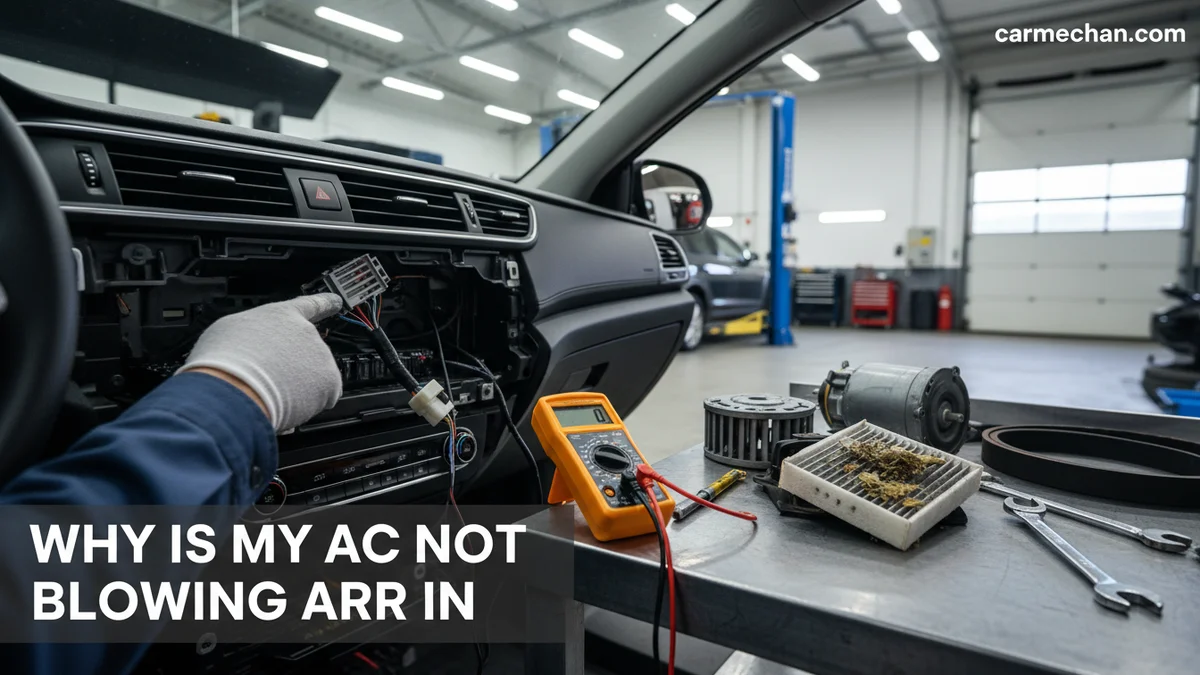
- Steps: 1. Access the blower motor (usually under the dashboard on the passenger side). 2. With the fan on max, use a multimeter to check for voltage at the motor’s connector. 3. If voltage is present but the motor doesn’t spin, the motor is likely bad.
Evaluate Blower Motor Resistor
The resistor’s job is to adjust fan speeds. If only high speed works, or no speed works, the resistor could be failing. This component is often located near the blower motor blower motor resistor testing methods.
- Tools: Multimeter.
- Steps: 1. Locate the blower motor resistor. 2. Visually inspect for corrosion or burning. 3. Test for resistance across the different pins using a multimeter (consult a vehicle-specific repair guide for exact resistance values). 4. A faulty resistor usually shows infinite resistance or incorrect values.
Check AC Blower Relay
Relays are usually in one of your car’s fuse boxes. You can often test a blower motor relay by swapping it with an identical, known-good relay from another non-critical system (like the horn or headlights) in your vehicle, provided they are the same part number.
- Tools: Owner’s manual, fuse puller.
- Steps: 1. Identify the blower motor relay in your fuse box diagram. 2. Pull it out. 3. Swap it with an identical relay from a non-essential circuit. 4. If the blower motor now works, the original relay was faulty.
While many issues are electrical, physical blockages can also severely impede airflow, requiring a different approach.
What Hidden Obstructions Block Car AC Airflow?
Beyond electrical components, physical obstructions can severely restrict or completely halt air movement through your car’s AC system. These issues are often less about power and more about literal roadblocks in the air path understanding car HVAC systems.

Obstructed Air Vents or Ducts
It sounds simple, but sometimes debris, small toys, or even rodent nests can block the internal air vents or ducts leading to your cabin. Visually inspect accessible vents and listen for air rushing in unexpected places within the dashboard. Blockages can significantly reduce or eliminate airflow from specific vents ductwork cleaning for vehicles.
Clogged Evaporator Core Fins
The evaporator core, located deep within the dashboard, collects condensation and can become a magnet for airborne dust, pet hair, and mold. If its fins become excessively caked with grime, air cannot pass through efficiently, leading to poor or no airflow. Cleaning this often requires significant disassembly, making it a more involved task.
.
Stuck or Broken Blend Door
Blend doors (also called mode doors) are internal flaps that direct airflow and mix hot and cold air. If a blend door actuator fails or the door itself breaks and becomes stuck in a closed position, it can completely block airflow to certain vents or the entire cabin.
You might hear clicking noises from behind the dashboard if an actuator is struggling blend door actuator diagnostics.
Pest Damage Within Ducts
Rodents (mice, rats, squirrels) are notorious for building nests in car HVAC ducts, especially in vehicles parked for extended periods. Their nesting materials can completely block airflow, and they may also chew through wiring. Unpleasant odors, visible nesting material, or chew marks are clear signs of this issue. Regular checks can prevent this preventing rodent damage in cars.
Successfully diagnosing and even fixing some issues yourself can be rewarding, but certain problems necessitate expert intervention.
When to Seek Professional Car AC Repair
While our guide empowers you to diagnose many common AC airflow issues, some problems are best left to certified automotive technicians for safety and effectiveness. Knowing your limits prevents further damage and ensures proper repair finding a reputable auto mechanic.
Electrical System Complexity
Complex electrical issues, such as intermittent shorts, phantom drains, or widespread wiring harness damage, often require specialized diagnostic tools and expertise. Tracing these problems without proper knowledge can lead to more severe electrical faults in your vehicle.
Refrigerant System Interference
Though “no air” issues are usually distinct from “no cold air,” some problems might intertwine. If diagnostics point to issues within the sealed refrigerant system, such as a faulty compressor or leaks, professional handling is mandatory. Refrigerants are harmful, and improper handling can violate environmental regulations EPA regulations for refrigerant handling.
Component Inaccessibility
Many critical AC components, like the evaporator core or certain blend door actuators, are deep within the dashboard. Accessing them often requires extensive dashboard disassembly, which is time-consuming and risks damaging delicate interior components. Professional technicians have the tools and experience for these intricate tasks.
Beyond Your Tool Set
Some diagnoses require specialized equipment like advanced multimeters, scan tools to read HVAC control module codes, or specific pressure gauges. If your basic toolkit doesn’t suffice for a particular diagnostic step, it’s wise to consult a professional to avoid guesswork and potential mistakes.
Safety Concerns Arise
Working with vehicle electrical systems carries inherent risks. If you are uncomfortable with electrical testing, suspect live wires, or encounter situations beyond your comfort level, stop immediately. Your safety and the integrity of your vehicle are paramount; a professional will safely complete the job.
Understanding when to call in the experts naturally leads to questions about the potential cost of these professional repairs.
How Much Does Professional Car AC Repair Cost?
Understanding the potential costs associated with professional AC repair can help you budget and make informed decisions about your vehicle. Prices vary significantly based on your vehicle’s make, model, year, and regional labor rates factors affecting car repair costs.
Diagnostic Fees Estimate
Most shops charge a diagnostic fee to accurately pinpoint the problem. This fee typically ranges from $80 to $150, but it can be higher for complex electrical issues. This amount is often applied towards the total repair cost if you proceed with the work at that shop. .
Blower Motor Replacement
Replacing a failed blower motor can cost anywhere from $200 to $500, including parts and labor. The part itself is generally not expensive, but labor costs can increase if the motor is difficult to access, requiring dashboard removal. .
Resistor Replacement Cost
The cost to replace a blower motor resistor is usually lower, ranging from $100 to $250. This includes the part and labor. Resistors are typically more accessible than blower motors, contributing to lower installation costs. .
AC Relay Price Range
Replacing an AC blower relay is one of the most affordable professional repairs. The part is inexpensive, often under $30, and labor is minimal. Expect a total cost between $50 and $100 if done by a mechanic. .
Control Module Repair Bill
HVAC control module replacement is one of the more expensive repairs. Costs can range from $500 to $1,500 or more, largely due to the high price of the module itself and the labor involved in accessing and programming it. .
Armed with this knowledge, you are better prepared to address your car’s AC issue, whether through DIY efforts or professional assistance. Let’s recap what we’ve learned.
What Is the Very First Thing to Check When Car AC Is Not Blowing Air?
The very first thing to check is the cabin air filter, followed by the AC fuses. A clogged filter severely restricts airflow, while a blown fuse can completely cut power to the blower motor, preventing any air from moving through your vehicle’s vents.
Can a Bad Blower Motor Resistor Cause No Air to Blow From the Vents?
Yes, a bad blower motor resistor can cause no air to blow. While it often leads to only some fan speeds working, a complete failure of the resistor module can prevent any electrical current from reaching the blower motor, resulting in zero airflow.
How Can I Tell If My Car’s AC Blower Motor Has Failed?
If your car’s AC blower motor has failed, you will hear no sound from the fan when you turn it on, and no air will come out of the vents. You can confirm by checking for power at the motor’s connector; if power is present but it doesn’t spin, the motor is likely faulty.
Is It Safe to Drive My Car If the AC Is Not Blowing Air?
Generally, it is safe to drive your car if the AC is not blowing air, as long as it’s purely an airflow issue and not related to engine overheating or critical system failures. However, driving without climate control can be uncomfortable and affect visibility if the defroster isn’t working.
When Should I Take My Car to a Mechanic for AC Airflow Problems?
You should take your car to a mechanic for AC airflow problems if you’ve checked the basic fuses and cabin filter without success, suspect complex electrical wiring issues, or believe the problem lies deep within the dashboard or involves refrigerant systems. Professionals ensure safe and accurate repairs.