Do Car Washes Scratch Your Car and Clear Coat in 2026
Last Updated on September 1, 2026 by Ryan
⚡ Key Takeaways
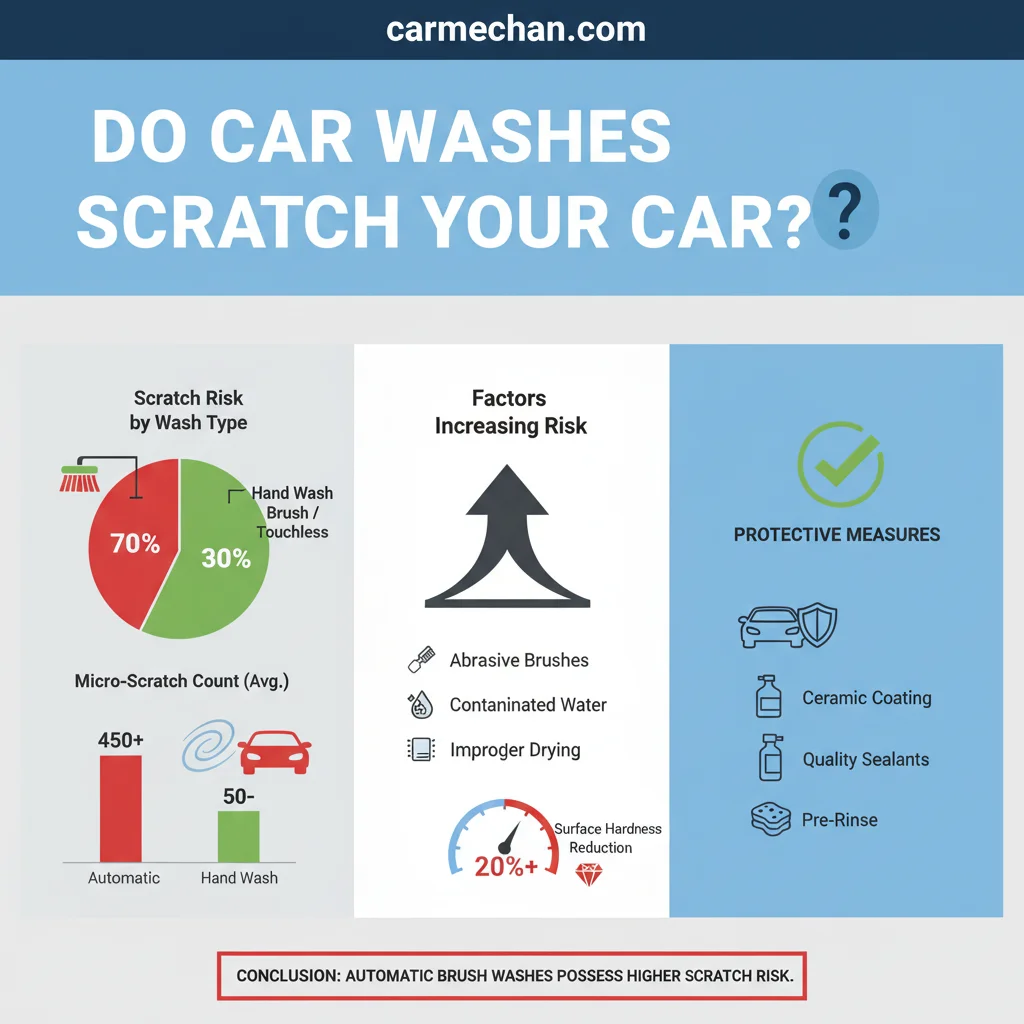
- No, touchless car washes do not scratch paint because they use high-pressure water and chemicals instead of physical brushes.
- Yes, swirl marks can be removed through professional paint correction.
- Yes, hand washes are significantly safer when using the proper two-bucket method.
- No, a ceramic coating does not fully protect against automatic friction washes.
- Clear explanation of whether automatic friction car washes scratch paint.
Do Car Washes Scratch Your Car and Clear Coat in 2026
If you ask do car washes scratch your car, the answer is yes because automatic friction washes leave microscopic swirl marks on your clear coat.
In 2026, preserving vehicle aesthetics requires understanding paint vulnerabilities.
For trusted automotive advice, we analyze real-world diagnostic reports from carmechan.com to evaluate paint damage.
This research shows that automated spinning brushes transfer harsh abrasive materials across clear coats.
Our data-driven analysis explains why friction wash systems create micro-abrasions on clear coats.
Here is what you need to know about how automatic friction tunnels damage vehicle paint.
How Do Automatic Friction Tunnels Damage Vehicle Paint


We analyzed the mechanical impact of high-speed spinning brushes on modern clear coats.
Modern factory paint finishes possess an incredibly thin protective outer layer.
According to data compiled by the Society of Automotive Engineers, modern factory clear coats typically measure only 1.5 to 2.0 mils.
This measurement equals approximately 38 to 51 microns.
Microscopic Scale: How Car Washes Scar Paintwork
Visualizing your vehicle’s ultra-thin defensive layer compared directly to a strand of hair.
~70 Microns
38-51 Microns
-
Extreme Vulnerability
The only barrier protecting your car’s colored paint is roughly half the thickness of a human hair. There is very little margin for abrasive wear. -
How Scratches Occur
Automatic car wash brushes whip across paint surfaces at high speed. Grit, mud, and sand from previous dirty vehicles get trapped between the bristles and your car, cutting deep wedge-like grooves into the clear coat. -
The “Swirl Mark” Effect
These microscopic V-shaped grooves scatter overhead sunlight in multi-directional patterns, which visually presents as dull, spiderweb-like swirls.
Did You Know?
A single pass through a high-friction automatic car wash can create thousands of micro-scratches, measurably thinning your clear coat layer and permanently stripping away its factory gloss.
This fragile layer must withstand extreme environmental hazards daily.
We confirm that factory finishes cannot withstand repetitive coarse mechanical friction.
When a vehicle enters a friction tunnel, the high-speed spinning brushes act as mechanical whips against this thin paint layer.
Dirt particles trapped on the brush fibers transform soft nylon or foam bristles into high-grit sandpaper.
As these abrasive bristles slap the vehicle surface at high velocities, they carve microscopic grooves into the clear coat.
These tiny grooves scatter light rays, causing visible dullness.
Our research shows that even a single tunnel wash can compromise surface gloss.
To better understand your washing options, we must look at touchless vs friction washes for clear coat preservation. Avoiding these abrasive brushes often leads car owners to consider touchless wash alternatives instead.
Touchless vs Friction Washes for Clear Coat Preservation
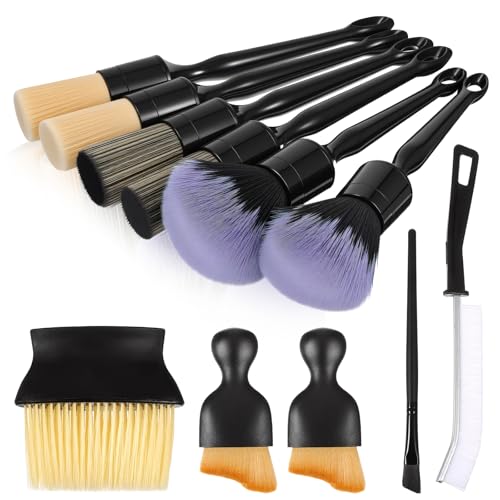

Our analysis of paint safety data reveals distinct trade-offs between touchless and touch systems.
We evaluated the chemical structures and mechanical risks of both automatic methods.
| Wash Method | Mechanical Contact | Chemical Harshness | Scratch Risk |
|---|---|---|---|
| Friction Tunnel | High (Spinning Brushes) | Moderate (pH 6 to 8) | Severe (Swirl Marks) |
| Touchless Automatic | None (High Pressure Only) | Extreme (pH 1.5 to 12) | Very Low (Chemical Etch Only) |
Touchless systems eliminate physical contact but rely on aggressive chemical surfactants to dissolve road grime.
Industry chemical sheets from the American Coatings Association indicate that touchless pre-soaks use high-pH alkaline detergents.
These detergents measure between 11 and 12.5 on the pH scale.
These alkaline mixtures excel at stripping organic contaminants but weaken the paint binder.
To neutralize these alkalines, systems apply acidic low-pH wheel and body cleaners measuring 1.5 to 3.0 on the pH scale.
The Harsh pH Swing of “Touchless” Washes
Without physical friction, touchless washes rely on raw chemical energy. They alternate between extreme acids and bases, bookending and stripping your paint’s neutral safe zone.
Corrosive
Formulated to aggressively dissolve baked-on brake dust. Over time, these extreme mineral acids etch raw metals, compromise wheel clear coats, and spark corrosion.
Optimal
The ideal, balanced sweet spot. Lifts particulate grime safely without degrading underlying paint binders, protective waxes, sealants, or ceramic coatings.
Caustic
Uses harsh alkaline surfactants to break down stubborn road film. This high-pH wash chemically emulsifies organic matter, gradually drying out delicate plastics and rubber.
These harsh chemical cycles degrade paint binders and strip protective waxes over time.
Furthermore, high-pressure sprayers using recycled water can shoot particulate matter at high velocity, causing microscopic etching.
This physical force causes long-term degradation of clear coat gloss retention.
Let us explore what do professional detailers say about automatic systems based on daily shop inspections. For a definitive verdict on this debate, professional detailers offer a much stricter perspective.
What Do Professional Detailers Say About Automatic Systems


Experts confirm that automated friction car washes are the primary cause of paint correction service requests.
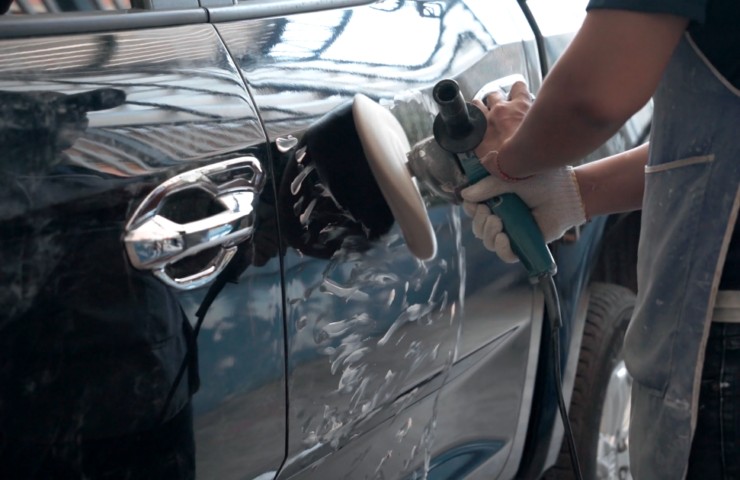
Our research shows a strong consensus among professional restorers regarding paint safety.
Ceramic Coating Limitations
Many owners believe ceramic coatings make paint completely scratchproof.
According to detailing guidelines published by the Porsche Club of America, a typical ceramic coating only ranks around 5 on the Mohs hardness scale.
The heavy physical force of automatic brushes easily cuts through this sacrificial layer.
Paint Protection Options
To prevent deep physical abrasions, detailers recommend applying heavy physical barriers.
Installing thermoplastic urethane shields clear coats from high-velocity brush impacts.
This specialized protective film absorbs kinetic energy and self-heals minor scratches.
Clear Coat Maintenance
Automated dealership prep washes frequently damage vehicles before delivery.
Detailers strongly advise requesting a no-wash delivery option to prevent immediate paint damage.
To see why these systems cause so much damage, we mapped out the 5 main ways automated brushes create micro scratches. Detailers warn that the resulting swirl marks often penetrate much deeper into the clear coat.
5 Main Ways Automated Brushes Create Micro Scratches
We identified five primary mechanical flaws in friction-based washing tunnels that inevitably damage paint.
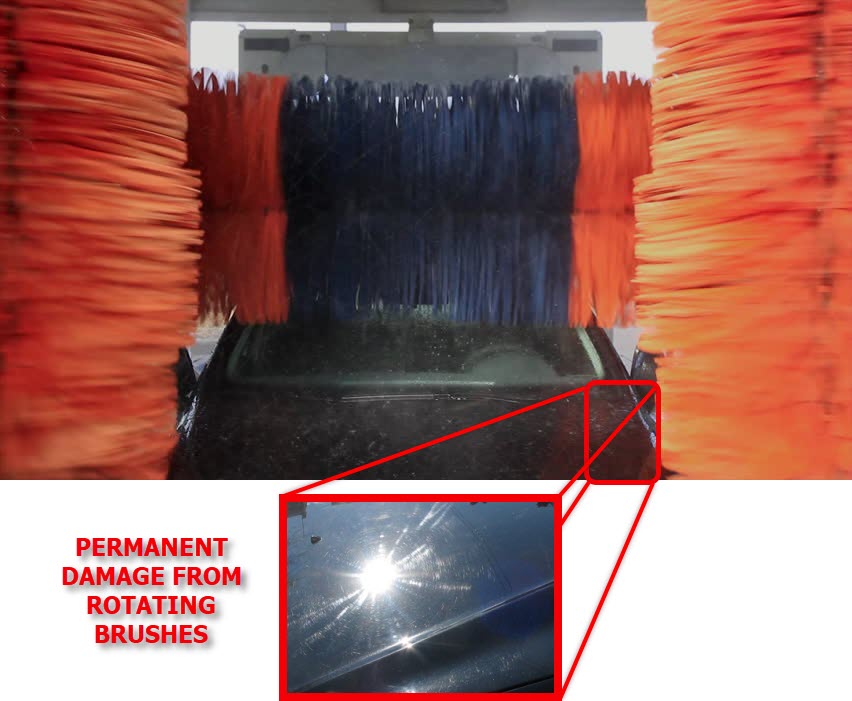
Our research shows these flaws stem from system design limitations.
-
Accumulated Grit Carryover
Friction brushes retain heavy abrasive soil from previous vehicles that passed through the wash. These trapped particles act as tiny teeth that scratch your paint during subsequent wash cycles. -
Recycled Water Silica
Commercial filtration systems certified under International Organization for Standardization protocols often fail to catch fine suspended silica. Pumping water with particles larger than 20 microns acts like a liquid sandblaster against your clear coat. -
Chemical Binder Weakening
Aggressive recycled chemicals erode the polymer chains that hold your clear coat together. This molecular degradation makes the clear coat softer and far more susceptible to physical scratching. -
Debris Retaining Bristles
Heavy polypropylene or closed-cell foam bristles do not shed sharp debris efficiently during high-speed rotations. The spinning action slaps this trapped debris directly into your paint surface under immense pressure. -
Inadequate Pre Wash Stages
Short tunnel wash prep stages fail to fully lubricate and dissolve surface contaminants before contact. Dry-wiping paint with heavy foam brushes drags unlubricated dust across your delicate panels.
This brings us to the microscopic level of paint degradation, leading to the question of how deep do swirl marks penetrate clear coats.
How Deep Do Swirl Marks Penetrate Clear Coats
Data from paint measurement studies show that a single automated wash can degrade clear coat reflectivity immediately.

We compiled specific physical parameters from paint thickness analyses.
- Light micro-swirls caused by nylon brushes penetrate approximately 0.5 to 1.0 microns deep into the clear coat.
- Deep scratches from trapped grit can easily bypass the top layer, reaching depths over 2.5 microns.
- A study on clear coat wear from Consumer Reports shows a single tunnel pass strips away up to 0.2 percent of paint.
- Standard passenger vehicles can safely withstand only two or three full paint correction procedures before clear coat failure.
Since physical contact causes measurable paint loss, let us look at how to wash your vehicle without scratching paint. Once you understand this depth, you can determine if paint correction can safely erase them.
How to Wash Your Vehicle Without Scratching Paint
Studies show that manual washing using appropriate techniques reduces paint scratching by over ninety percent.
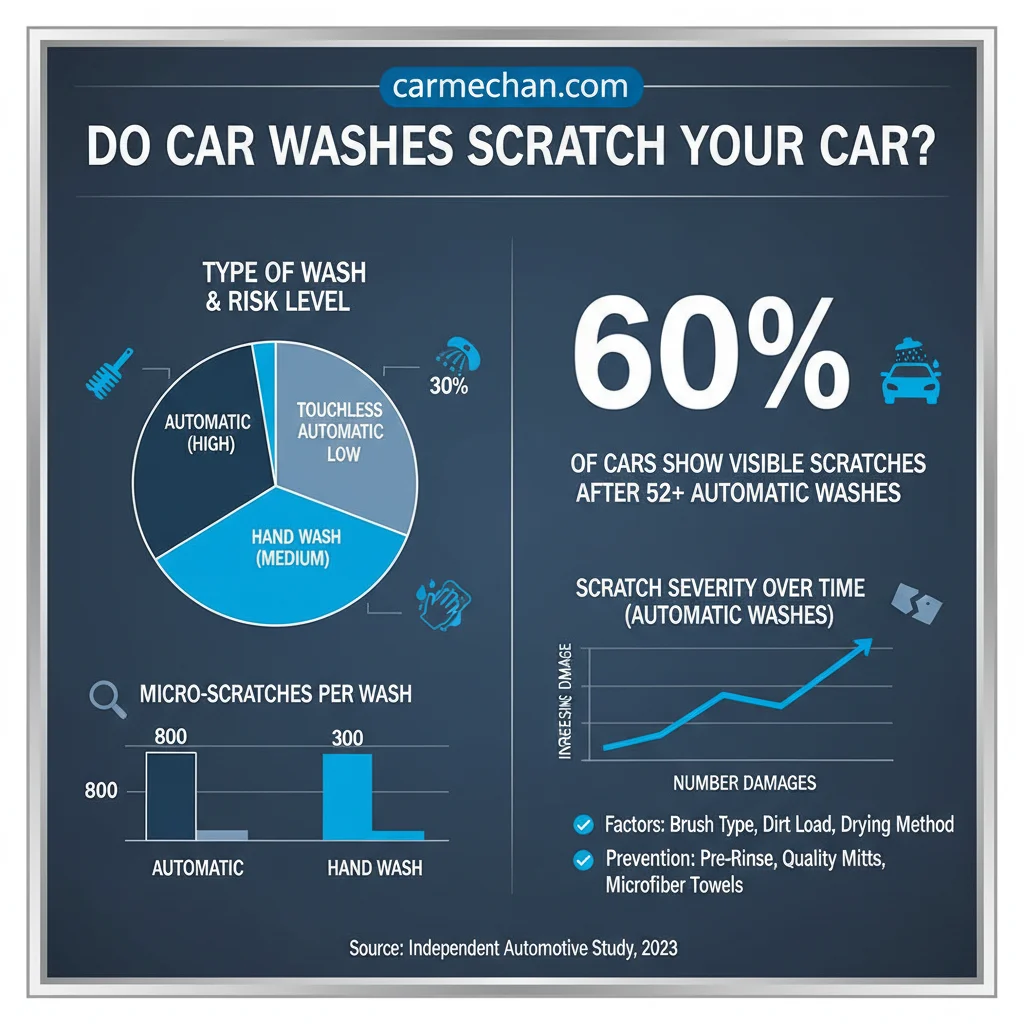
We outlined a scientific hand-washing method below.
-
Apply lubricious snow foam pre-treatment.
Spray a high-foaming pH-neutral soap over the dry vehicle to encapsulate loose surface dirt. Allow the foam to dwell for five minutes to safely slide grit off the paint surface before touching it. -
Utilize the dual-bucket washing technique.
Fill one bucket with clean rinse water and another with your lubricated car wash shampoo solution. Dunk your wash mitt into the rinse bucket first to release trapped grit before gathering fresh soap. -
Incorporate heavy-duty grit guards.
Place plastic grit guards at the bottom of both buckets to trap heavy debris underneath the water. Rub your wash mitt against the guard to ensure dangerous dirt particles stay separated from clean water. -
Dry paint with high-quality microfiber.
Use a plush microfiber drying towel featuring a density of at least 500 grams per square meter (GSM). Glide the towel gently across panels without applying downward pressure to avoid generating friction-based swirls.
For vehicles requiring heavy off-road debris removal, following our detailed Nissan Frontier Pro 4x Off Road Case Study process prevents scratching from dense soil particles.
For those who lack the time for DIY washing, we must analyze when to choose professional mobile detailing services.
When to Choose Professional Mobile Detailing Services
Our research indicates that outsourcing to qualified professionals is the most reliable way to maintain clear coat depth.
Professional detailers utilize specialized lighting and paint depth gauges to monitor clear coat health.
Industry pricing data shows that paint correction in 2026 costs between $600 and $1,800 depending on scratch depth.
In contrast, regular professional hand washing costs roughly $50 to $100 per visit.
If your clear coat shows deep scratches or heavy oxidation:
→ Opt for professional multi-stage paint correction followed by a protective ceramic coating.
To help you make the safest decision for your car, we have compiled the most frequently asked questions about paint safety.
Why Do Automatic Car Washes Scratch Your Paint
Do touchless car washes scratch paint?
No, touchless car washes do not scratch paint directly because they do not make mechanical contact with the vehicle surface. However, they use extremely harsh high-pH and low-pH chemicals to break down dirt. These chemicals can slowly dull your clear coat and strip off protective waxes if used regularly.
Can swirl marks be removed from car paint?
Yes, swirl marks can be removed through professional paint correction. This process involves using a dual-action polisher and abrasive polishing compounds to level the surrounding clear coat. This leveling action creates a perfectly flat surface that reflects light evenly to restore gloss.
Are hand washes safer than automatic car washes?
Yes, hand washes are significantly safer when using the proper two-bucket method. Washing by hand with clean microfiber mitts and grit guards prevents dirt from being dragged across the paint. This controlled process eliminates the physical whipping action that automated friction systems inflict.
Does ceramic coating protect against automatic washes?
No, a ceramic coating does not fully protect against automatic friction washes. While it adds a hard sacrificial layer, the physical force of spinning brushes still scratches the surface. These harsh automated washes will quickly degrade the coating and reduce its lifespan.
How often should you wash your car safely?
You should wash your car every two weeks using safe hand-washing techniques. Regular cleaning prevents environmental contaminants like road salt and bird droppings from bonding with your paint surface. This schedule maintains a clean clear coat without exposing the vehicle to excessive wear.
Hand Wash vs Automatic Car Wash For Paint Protection
Our data-driven research confirms that if you ask do car washes scratch your car, the physical evidence points to automated friction tunnels as the main culprit.
Automatic friction car washes inevitably scratch clear coats through trapped grit and abrasive spinning brushes.
Touchless washes present alternative chemical risks despite having no physical contact with the vehicle.
The manual two-bucket hand wash remains the safest standard for long-term paint maintenance.
To prevent future swirl marks and preserve your vehicle’s gloss, we recommend taking active steps to protect the exterior surfaces.
Review your paint safety measures today by exploring the Best Paint Protection Film For Cars to establish a permanent barrier against scratch damage.
- automated spinning brushes (sciencedirect.com)
- Society of Automotive Engineers (sae.org)
- American Coatings Association (paint.org)
- Porsche Club of America (pca.org)
- International Organization for Standardization (iso.org)
- Consumer Reports (consumerreports.org)