How To Get Sticker Residue Off Car Safely Remove Car 2026
Last Updated on September 1, 2026 by Albert Duke
To safely remove sticker residue from your car, start with gentle methods like heat or oil, then progress to dedicated adhesive removers or rubbing alcohol, always testing on an inconspicuous area first.

Prime for Young Adults — 6 Months Free
Students and 18–24s get six months of Prime free, then half price.
Start 6 Months FreeProtect your car’s paint by avoiding abrasive tools and harsh solvents, ensuring a clean, residue-free finish without damage.
To safely remove sticker residue from your car, start with gentle methods like heat or oil, then progress to dedicated adhesive removers or rubbing alcohol, always testing on an inconspicuous area first.
Protect your car’s paint by avoiding abrasive tools and harsh solvents, ensuring a clean, residue-free finish without damage. This guide offers proven techniques for car owners in 2026 looking to restore their vehicle’s appearance.
Key Takeaways
Recommended Best Deal Products


- Always test solutions on a hidden spot.
- Heat and oil are gentle first steps.
- Specialized removers tackle tough glue.
- Plastic blades prevent surface scratches.
- Match method to car surface type.
How to Prepare Your Car Before Residue Removal
Successful sticker residue removal begins with thorough preparation. Proper steps protect your car’s surfaces from accidental damage. Taking a few minutes beforehand will save significant time and effort later.

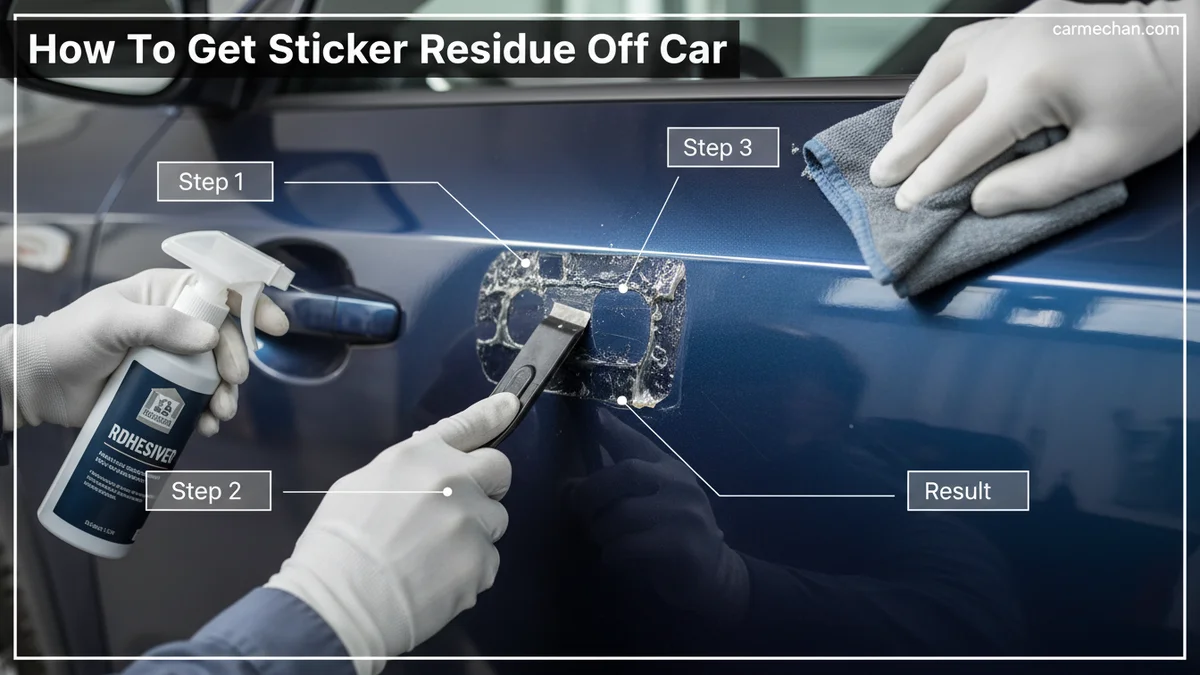
Always prioritize safety and surface integrity throughout the process.
Gather Needed Materials
Prepare your workspace by collecting all necessary tools and products. This proactive step streamlines the removal process. Having everything at hand prevents interruptions and ensures a smooth operation.
- Clean microfiber cloths
- Mild car wash soap and water
- Plastic scraper or old credit card
- Your chosen cleaning agent (e.g., Goo Gone, WD-40, isopropyl alcohol, olive oil)
- Gloves (for chemical solutions)
Clean the Surface First
Before applying any residue remover, wash the affected area with mild car soap and water. This removes surface dirt and grime. A clean surface allows the residue remover to work directly on the adhesive, improving effectiveness.
Rinse thoroughly and dry completely with a clean microfiber towel.

Audible — Listen Free for 30 Days
One free credit a month and thousands of titles included.
Listen Free for 30 DaysTest an Inconspicuous Area
Before widespread application, always test any product on a hidden part of your car. This could be inside the fuel door or a lower bumper section. Testing confirms that the product will not damage your paint or finish.
Wait a few minutes after application, then wipe away to check for discoloration or etching.
3 Proven Chemical Solutions for Car Residue
Recommended Best Deal Products


When gentle methods fall short, chemical solutions offer powerful options for tackling stubborn car sticker residue. These products are formulated to break down adhesive bonds efficiently. Always follow product instructions carefully for the best results.
Use Dedicated Removers
Specialized adhesive removers are often the most effective solution for tough residue. Products like Goo Gone Automotive are specifically engineered to dissolve sticky substances without harming car finishes. Their formulations target the chemical bonds of the adhesive.
Apply a small amount directly to the residue using a clean cloth. Let it sit for the recommended time, usually a few minutes, to allow it to penetrate. Gently wipe away the softened residue, then clean the area with car soap and water.
Apply Penetrating Sprays
Products like WD-40 can surprisingly tackle many types of sticker residue. Its penetrating oil formulation helps to break down and loosen adhesive. WD-40 is a versatile household item that often works wonders on sticky problems.
Spray a light coat of WD-40 directly onto the residue. Allow it to soak for five to ten minutes, giving it time to work into the glue. Gently rub the area with a microfiber cloth until the residue lifts.
Wipe With Isopropyl Alcohol
Isopropyl alcohol, or rubbing alcohol, can effectively dissolve certain types of sticker glue. It is generally safe for most automotive paints when used sparingly and wiped off quickly. Alcohol works by breaking down organic compounds in the adhesive.
Dampen a clean microfiber cloth with isopropyl alcohol. Gently rub the residue in small sections, reapplying alcohol as needed. Avoid letting it sit on the paint for extended periods. Rinse the area thoroughly with water afterwards.
Audible Premium Plus — Annual Membership
12 audiobook credits up front, plus the full Audible catalogue.
See Annual PlansHow to Remove Residue With Household Items Safely
Many common household products can effectively and safely remove sticker residue from your car. These alternatives are often gentler and readily available. They provide excellent solutions for those seeking non-chemical options.

Apply Gentle Heat
Heat is a fantastic way to loosen the bond of many adhesives. A hairdryer or heat gun set on a low setting can make stubborn residue pliable. The warmth causes the glue to soften and release its grip on the surface.
Hold the heat source about six inches from the residue, moving it constantly to prevent localized overheating. After 30-60 seconds, gently try to peel the sticker or rub the residue with a microfiber cloth. This method is especially useful for older, dried-on stickers.
Rub With Edible Oils
Various oils, such as cooking oil, olive oil, or even peanut butter, can break down adhesive. The oil penetrates the glue, causing it to lose its stickiness. This makes it easier to wipe away the remaining goo without harsh scrubbing.
Apply a generous amount of oil directly onto the residue. Allow it to soak for several minutes, or even longer for very stubborn spots. Gently rub with a soft cloth until the residue loosens and can be wiped clean. Wash the area with soap and water to remove any oily film.
Soak With Distilled Vinegar
Distilled white vinegar is a mild acid that can help dissolve certain glues. It is a natural, non-toxic option for removing residue from car surfaces. Vinegar effectively breaks down the adhesive’s structure.
Soak a paper towel or microfiber cloth in distilled white vinegar. Place the soaked cloth over the residue, allowing it to sit for a few minutes. The vinegar will begin to break down the adhesive. Gently scrub and wipe away the residue, then rinse the area with water.
Mechanical Tools Versus Chemical Methods for Tough Spots
Recommended Best Deal Products
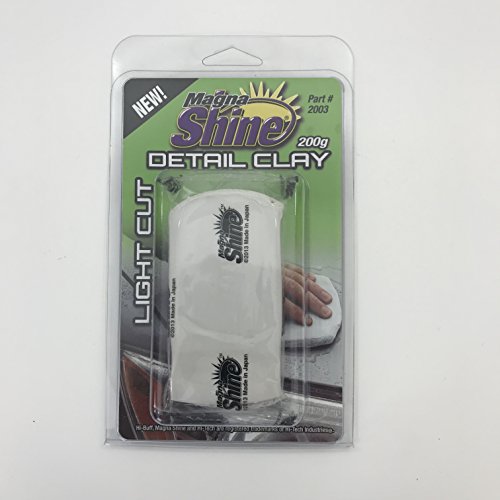


Sometimes, chemical treatments or household remedies need a little help from mechanical action. Combining methods can tackle the most persistent residue. Mechanical tools allow for targeted removal of thicker or more stubborn glue.
Scrape With Plastic Blades
Plastic razor blades offer a safe way to scrape off softened residue without damaging car paint. Unlike metal blades, plastic won’t scratch clear coats. This tool is ideal for removing thicker layers of adhesive after treatment.
Ensure the surface is wet with your chosen remover or a lubricating spray. Hold the plastic blade at a shallow angle (around 30 degrees) to the surface. Gently push or scrape the residue away, always keeping the area lubricated. You can find these tools at most auto parts stores.
Buff With Microfiber
After applying a chemical or oil-based remover, gentle buffing with a microfiber towel helps lift remaining residue. The fine fibers of the towel can grab and remove softened adhesive. Circular motions are effective for collecting the sticky material.
Use a clean section of the microfiber towel for each pass to avoid spreading the residue. Apply light pressure, allowing the towel to do the work. This method is gentle and helps to avoid scratching the surface.
Detail With Clay Bar
For microscopic adhesive particles or faint residue left behind, a detailing clay bar can be exceptionally effective. Clay bars are designed to lift contaminants from your car’s paintwork. They leave an incredibly smooth, clean surface.
Always use a clay lubricant or quick detailer with the clay bar. Gently glide the clay bar over the residue in small sections. The clay will pick up any embedded adhesive or contaminants. Fold the clay frequently to expose a clean surface, ensuring optimal performance.
How to Tackle Sticker Residue on 4 Car Surfaces
Different car surfaces require specific approaches to prevent damage during residue removal. Understanding these nuances is key to a flawless finish. What works for paint might harm plastic or window tint.
Protect Your Paint Finish
Car paint, especially the clear coat, is delicate. Always prioritize methods that minimize abrasion and harsh chemicals. Using mild solvents or oils with soft microfiber cloths helps preserve the shine. We need to be careful with any scraping on painted surfaces.
Avoid abrasive scrubbers or metal tools entirely on paint. Always test chemicals like isopropyl alcohol or dedicated adhesive removers in an inconspicuous spot first. Promptly wash and rinse the area after residue removal to prevent any lingering chemical effects.
Clean Glass Windows
Glass is more resilient than paint but can still scratch. You can use most chemical and household solutions on glass. However, be cautious with very aggressive scraping tools.
For glass, plastic razor blades are highly effective and safe for scraping stubborn residue. Windex or glass cleaner can help lubricate the surface and clean it afterward. Always ensure the glass is completely free of dirt particles before scraping to prevent scratches.
Restore Plastic Trims
Plastic trims and bumpers can be sensitive to strong solvents that might cause discoloration or dullness. Always opt for the gentlest methods first. Many plastics react poorly to harsh chemicals.
Start with heat, oils, or mild adhesive removers explicitly labeled as plastic-safe. Avoid acetone or nail polish remover, as these will likely damage the plastic. Test any product on an unseen part of the trim before applying it broadly.
Preserve Window Tint
Window tint requires the most delicate approach due to its thin film construction. Harsh chemicals and scraping tools can easily scratch or peel the tint. Exercise extreme caution on tinted windows to avoid costly repairs.
Use only very gentle methods like heat from a hairdryer, olive oil, or mild soap and water. Never use ammonia-based cleaners or hard scrapers on window tint. If the residue is exceptionally stubborn, professional tint removal or detailing might be the safest option.
How to Prevent Future Sticker Residue Marks
After successfully removing stubborn residue, maintaining a clean finish is crucial. Proactive steps can prevent future sticky situations. This keeps your vehicle looking pristine for longer.
Wash and Polish Area
Once the residue is gone, wash the affected area with car shampoo and water. This removes any chemical residue or oily films. Follow up with a polish if necessary to restore the paint’s original luster.
Polishing can help blend the newly cleaned area with the surrounding paint. This final step enhances the aesthetic appeal. Ensure a uniform finish across your vehicle.
Wax for Protection
Applying a fresh coat of car wax or sealant to the treated area provides a protective barrier. Wax helps guard against future adhesive adherence and environmental contaminants. It also restores the protective layer often compromised during residue removal.
Regular waxing makes future cleaning much easier. A good wax coat ensures easier removal if another sticker is applied. This layer protects your paint in 2026 and beyond.
Use Safe Adhesives
When applying new stickers or decals to your car, choose those designed for automotive use. Look for products that state “removable” or “car-safe adhesive.” These are engineered to leave minimal, if any, residue.
Consider static cling decals for windows as an alternative to adhesive-backed stickers. Promptly remove any new stickers as soon as they are no longer desired. Fresh adhesive is significantly easier to remove than old, hardened glue.
Frequently Asked Questions About Sticker Residue Removal
Is Goo Gone Safe for Car Paint?
Yes, Goo Gone offers an ‘Automotive’ formula specifically designed for car surfaces. Always test it on an inconspicuous area first, apply sparingly, and wipe off quickly to avoid paint damage. Follow manufacturer instructions precisely for safe use on your vehicle’s finish.
How Do I Remove Old, Hardened Sticker Residue?
For old, hardened residue, combine methods. Start with heat from a hairdryer to soften it, then apply an oil-based product like WD-40 or a dedicated adhesive remover. Let it dwell, then gently scrape with a plastic razor blade. Repeat as needed for best results.
Can I Use Nail Polish Remover on Car Glue?
No, avoid using nail polish remover (acetone) on car paint or plastic. Acetone is a very strong solvent that can quickly strip clear coat, dull paint, or even melt plastic. Stick to car-safe products like rubbing alcohol or specialized adhesive removers instead.
What Is the Best Product to Remove Bumper Sticker Residue?
Dedicated automotive adhesive removers, such as 3M Adhesive Remover or Goo Gone Automotive, are typically the best products for bumper sticker residue. WD-40 or isopropyl alcohol are also effective alternatives. Always test first and follow up with a wash and wax.
How Do I Get Sticker Residue Off Car Window Tint?
Remove sticker residue from car window tint using only very gentle methods. Try a hairdryer on a low setting to soften the glue, followed by dabbing with olive oil or baby oil. Avoid any harsh chemicals, ammonia-based cleaners, or scraping tools to prevent tint damage.
Successfully removing sticker residue from your car requires patience and the right approach. By following these tested methods and prioritizing surface safety, you can restore your vehicle’s pristine look without causing damage. Always remember to test products first and match the method to the specific surface. A clean, residue-free finish is easily achievable for any car owner in 2026.