How To Get Rid Of Condensation Outside Car Windows Fix 2026
Last Updated on October 23, 2026 by Albert Duke


Quickly eliminate condensation on your car’s exterior windows by understanding its cause and applying immediate removal techniques like wiping with a microfiber cloth. Prevent recurrence with long-term strategies such as hydrophobic coatings, air circulation, and proper parking choices.
Dealing with exterior car window condensation can be a frustrating and visibility-impairing experience, particularly during early morning commutes or sudden weather changes. Fortunately, there are effective strategies for how to get rid of condensation outside car windows, both immediately and for the long term. Unlike interior fogging, which often relates to cabin moisture, exterior condensation is a natural atmospheric phenomenon.
We understand the urgency of clear vision and the desire for lasting solutions. This guide will provide you with expert-backed fixes and preventative measures for 2026, ensuring your drives are always safe and clear. Understanding the ‘why’ behind this common issue is the first step towards effectively tackling it.
Key Takeaways
- Exterior condensation differs from interior fogging.
- Temperature, humidity, and dew point cause outside fog.
- Microfiber cloths offer quick, effective immediate clearing.
- Hydrophobic coatings provide the best long-term prevention.
- DIY remedies can offer temporary, budget-friendly relief.
Why 3 Environmental Factors Create Outside Window Fog?
Exterior condensation on your car windows is a natural atmospheric phenomenon, not a sign of a faulty vehicle. It occurs when specific environmental conditions align, causing invisible water vapor in the air to transform into visible droplets on cooler surfaces.

Temperature Differences Defined
Condensation forms when the surface temperature of your car window drops below the temperature of the surrounding air. If the glass is significantly colder than the ambient air, such as after a cold night or when your air conditioning is blasting inside, it acts as a cooling plate.
Warm, moist air then comes into contact with this cooler surface, transferring heat and causing the air directly touching the glass to cool down rapidly.
High Humidity Levels Explained
Humidity refers to the amount of water vapor present in the air. When humidity levels are high, there is more water vapor available to condense. This is why exterior window fog is more common in humid climates or during misty mornings. The air is already saturated with moisture, making it easier for condensation to form when the temperature drops.
Understanding Dew Point
The dew point is the temperature at which air becomes saturated with water vapor, causing it to condense into liquid water. Condensation occurs on your car windows when their surface temperature falls to or below the ambient dew point. The colder the window surface compared to the dew point, the heavier the condensation will be.
This principle is fundamental to understanding why condensation appears on the outside of your vehicle.
Knowing these environmental triggers empowers you to effectively tackle the immediate problem of exterior window fog, leading us directly to quick fix solutions.
How to Instantly Clear Exterior Car Window Condensation
When you’re faced with a fogged-up exterior windshield, immediate removal is often necessary before you can even begin your drive. Fortunately, several quick and effective methods can restore your visibility.
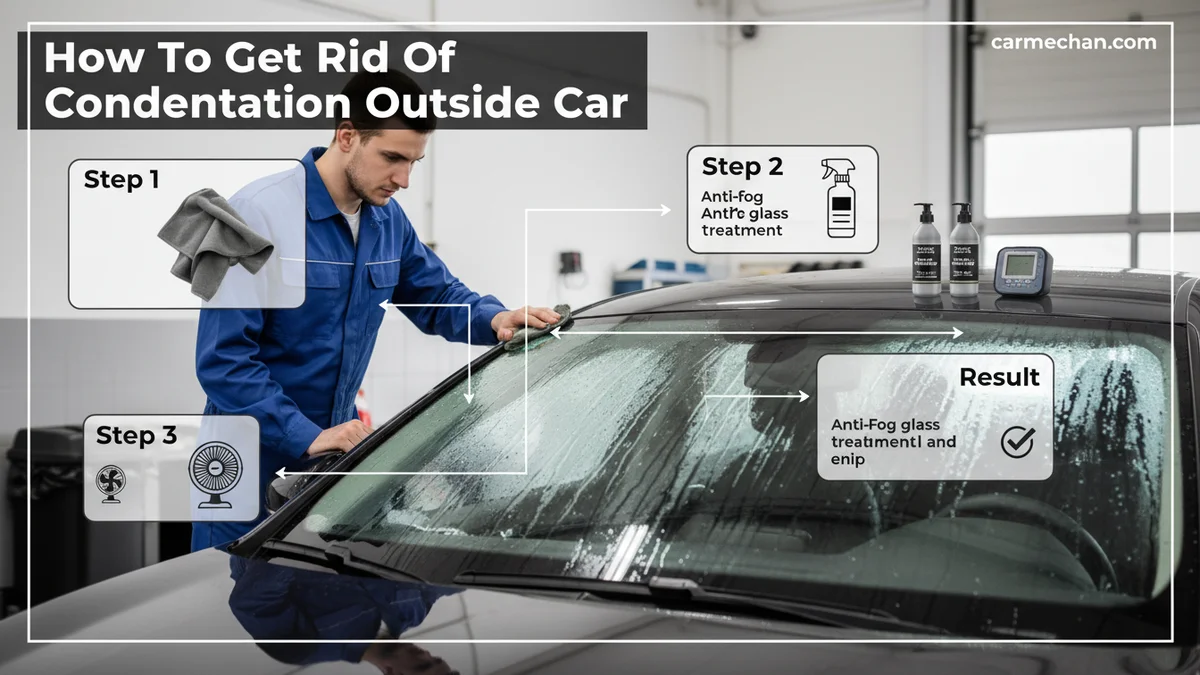
Gentle Wipe Methods
The simplest and quickest solution is often a direct wipe. Use a clean, dry microfiber cloth, a soft squeegee, or even your car’s windshield wipers if the condensation is on the front or rear window. Always wipe in one direction to avoid streaking and distribute the moisture unevenly.
Avoid using your bare hand or paper towels, as these can leave smudges, lint, or even scratch the glass over time. Keep a dedicated window cleaning tool in your vehicle for these situations. A gentle approach prevents damage and ensures clear results.
Activate Defrost Settings
While often thought of for interior fog, your car’s front defroster can also help clear exterior condensation. Directing warm air onto the windshield raises the glass surface temperature, bringing it above the dew point. This causes the condensation to evaporate naturally.
Even if the condensation is only on the outside, running your defroster for a few minutes can significantly reduce or eliminate the moisture, especially when paired with a quick wipe.
Chemical Quick Sprays
Several temporary anti-fog sprays are available that can be applied to the exterior of your car windows. These products typically work by reducing the surface tension of water, causing it to sheet off rather than form droplets. Apply a light mist and then gently wipe it clean with a microfiber cloth.
While effective for a single use, remember these are short-term solutions and will need reapplication. They are excellent for quick fixes but do not offer lasting prevention against recurrent fogging.
While these methods provide immediate relief, sustained clear visibility requires a more proactive approach. Understanding and implementing long-term prevention strategies is key to avoiding recurrence.
7 Effective Methods to Prevent Outside Window Condensation
Proactive measures are your best defense against the constant battle with exterior window condensation. Implementing these long-term strategies can significantly reduce or eliminate the problem, ensuring consistent clear visibility for your 2026 drives.

Apply Hydrophobic Coatings
Hydrophobic coatings create a water-repellent barrier on your glass surfaces. These advanced treatments cause water to bead up and roll off easily, preventing condensation from clinging and forming a solid sheet. They are highly effective.
Improve Vehicle Ventilation
Promoting air circulation around your car can help equalize temperatures and reduce the likelihood of condensation. If your car is parked in a garage, ensure there’s good airflow. Slightly opening windows in a secure location can also help, though this isn’t always practical or safe.
Consider Parking Location
Where you park significantly impacts condensation. Parking under a carport, in a garage, or even beneath a large tree can shield your car from direct exposure to cold night air, helping the glass retain heat and reducing temperature differences. Avoid parking in open, low-lying areas where cold air settles.
Use Car Covers
A full car cover provides an insulating layer that helps maintain a more stable temperature for your vehicle’s exterior, including the windows. This barrier prevents cold air from directly chilling the glass, which in turn minimizes the conditions ripe for condensation formation.
Maintain Clean Glass
A perfectly clean window surface has fewer microscopic imperfections for water droplets to cling to. Regular cleaning with a good quality glass cleaner helps prevent dust, grime, and oils from attracting and holding moisture, making it harder for condensation to form. This simple habit contributes significantly to clarity.
Install Rain Repellents
Products specifically designed as rain repellents, similar to hydrophobic coatings, create a smooth surface that encourages water runoff. While primarily for rain, their water-shedding properties also make them effective in preventing condensation from forming thick layers on your windows. Applying these can significantly improve visibility during damp conditions.
Check HVAC System
While exterior condensation isn’t directly caused by your car’s interior climate, an efficient HVAC system can indirectly help. By running your defroster and circulating air, you can warm the glass surface, bringing its temperature above the dew point and helping to evaporate any forming condensation more quickly.
With these preventative methods in your arsenal, you’re better equipped to maintain clear car windows. However, specific products can significantly enhance these efforts, leading us to our recommendations.
Which Anti-Fog Products Work Best for Exterior Glass?
The market offers a diverse range of products specifically engineered to combat exterior window condensation. Choosing the right product depends on your budget, desired longevity, and willingness for application effort.
Anti-Fog Spray Options
For immediate and temporary relief, numerous anti-fog sprays are available. These sprays contain surfactants that alter the surface tension of water, preventing it from forming small, vision-obscuring droplets. They are easy to apply: simply spray on, then wipe clean with a microfiber cloth. However, their effects are usually short-lived, often requiring reapplication every few days or after rain.
Pros: Inexpensive, easy to apply.
Cons: Temporary, frequent reapplication needed.
[PRODUCT PLACEHOLDER: Example: Rain-X Anti-Fog Glass Treatment; Meguiar’s Perfect Clarity Glass Cleaner & Repellent.]
Ceramic Coating Solutions
For a more durable and long-lasting solution, ceramic coatings or specialized hydrophobic glass sealants are excellent choices. These professional-grade products create a semi-permanent bond with the glass, offering superior water repellency that can last for months or even years. They are more involved to apply, often requiring thorough surface preparation, but their effectiveness is unparalleled.
Pros: Long-lasting, superior water repellency, enhances clarity.
Cons: More expensive, complex application process, may require professional installation.
[PRODUCT PLACEHOLDER: Example: Gtechniq G1 ClearVision Smart Glass; CarPro CQuartz Lite.]
Wiper Blade Treatments
Beyond traditional anti-fog products, some wiper blade treatments or specialized wiper blades can also contribute to reducing exterior condensation. Certain wiper fluids contain water-repelling agents that leave a temporary film as they clean. Additionally, wiper blades designed with specific compounds can enhance their ability to clear moisture effectively, preventing streaks that can worsen visibility with condensation.
While not standalone anti-fog solutions, they complement other treatments.
Pros: Easy integration, enhances existing wipers.
Cons: Indirect effect, not a primary anti-fog solution.
[PRODUCT PLACEHOLDER: Example: Bosch ICON Wiper Blades with ClearMax 365; PIAA Silicone Wiper Blades.]
For those preferring budget-friendly or immediate home-based solutions, several DIY remedies can also provide relief without specialized products.
How to Apply 3 DIY Solutions for Exterior Fog?
For drivers seeking cost-effective and readily available options, several household items can be repurposed into effective, albeit temporary, anti-fog solutions for your car’s exterior windows. These methods offer immediate relief when specialized products aren’t at hand.
Shaving Cream Trick
Shaving cream contains surfactants that create a thin film on the glass, preventing water molecules from condensing into visible fog droplets. Apply a thin layer of regular shaving cream to the exterior of your windows. Let it sit for a minute or two, then wipe it off completely with a clean, dry microfiber cloth.
Ensure no residue remains for a clear finish.
Potato Rub Method
The starch in a raw potato acts as a mild anti-fog agent, leaving a thin, invisible layer that repels moisture. Cut a raw potato in half and rub the exposed flesh over the entire exterior surface of your car windows. Allow the potato juice to dry slightly, then buff the glass clean with a dry microfiber cloth.
This method is surprisingly effective for short-term prevention.
Vinegar Solutions
A diluted white vinegar solution can also help clean and leave a slight residue that deters condensation. Mix equal parts white vinegar and water in a spray bottle. Spray this mixture onto your car windows, then wipe it clean with a microfiber cloth. The acidity helps to cut through grime and can leave a temporary, mild anti-fog effect.
Always test on a small, inconspicuous area first, and avoid contact with paint or trim.
While these DIY solutions offer quick and budget-friendly relief, remember they are temporary fixes. For consistent, long-term clarity, a combination of understanding the causes, implementing preventative measures, and using specialized products will yield the best results.
How to Achieve Lasting Clarity for Car Windows
Navigating the roads with exterior car window condensation is a common frustration, but it doesn’t have to be a persistent problem. By understanding the atmospheric science behind why your windows fog up, you’re already on the path to clearer vision. We’ve explored immediate wiping techniques, effective car systems, and quick chemical aids to clear existing moisture.
Crucially, we’ve also provided comprehensive long-term prevention strategies, from hydrophobic coatings to smart parking choices, ensuring your visibility remains uncompromised.
Whether you opt for advanced ceramic solutions for 2026 or prefer the simplicity of DIY remedies, the key is proactive action. Implement these practical solutions to effectively manage and how to get rid of condensation outside car windows, transforming your daily commute into a safer, more enjoyable experience. Drive with confidence, knowing your view ahead is always crystal clear.
Frequently Asked Questions About Exterior Window Condensation
Why Do My Car Windows Fog up Only on the Outside?
Your car windows fog up only on the outside when the glass surface is colder than the surrounding air’s dew point. This temperature difference causes invisible water vapor in the atmosphere to condense into visible droplets on the cooler exterior glass. It’s a natural reaction to specific humidity and temperature conditions, especially common during cool mornings after a humid night.
Is Exterior Condensation Different From Interior Fogging?
Yes, exterior condensation is fundamentally different from interior fogging. Exterior condensation occurs when the outside air’s moisture condenses on a cold outer glass surface. Interior fogging, however, happens when warm, moist air inside your car condenses on cooler inner glass. Solutions for each are distinct, requiring different approaches to removal and prevention.
Can My Car’s HVAC System Help With Outside Condensation?
Yes, your car’s HVAC system can indirectly help with outside condensation. By activating your front defroster, you direct warm air onto the windshield, raising its surface temperature. This temperature increase helps to evaporate the condensation, bringing the glass temperature above the dew point. While not a primary solution, it aids in clearing the fog.
Are DIY Remedies for Exterior Window Fog Really Effective?
DIY remedies like shaving cream or potato rubs can offer temporary and immediate relief for exterior window fog. They work by creating a temporary film that reduces surface tension or repels water. While budget-friendly and quick, their effectiveness is limited in duration compared to specialized, longer-lasting anti-fog products or hydrophobic coatings. They are best for quick fixes.
What Is the Best Long-Term Solution for Outside Condensation?
The best long-term solution for outside condensation involves applying hydrophobic coatings or ceramic sealants to your car’s windows. These products create a durable water-repellent layer that causes water to bead up and roll off, preventing condensation from clinging to the glass. Regular maintenance and proper parking also contribute significantly to sustained clarity for your 2026 vehicle.