Anti Theft System Won’t Let My Car Start? Proven Fixes 2026
Last Updated on September 1, 2026 by Ryan
When your anti theft system won’t let your car start, it typically indicates an active immobilizer, often triggered by issues like a dead key fob battery, a low car battery, or a system glitch. The immediate solution often involves specific key cycling, battery checks, or a temporary system reset.
The frustrating moment your anti theft system won’t let your car start can halt your day instantly. This common issue often triggers a sense of panic, especially when you need your vehicle running immediately. Modern cars are equipped with sophisticated security features designed to prevent theft, but sometimes these systems mistakenly activate, immobilizing your engine.
We understand the urgency of getting back on the road. This article provides clear, actionable steps to diagnose and resolve your anti-theft system’s interference. You will learn to identify the root cause, attempt quick fixes, and understand when professional help is essential.
By following our guide, you can confidently troubleshoot your vehicle’s security system. We aim to equip you with the knowledge to either fix the problem yourself or make an informed decision on seeking expert assistance.
Quick Summary
When your anti theft system won’t let your car start, it typically indicates an active immobilizer, often triggered by issues like a dead key fob battery, a low car battery, or a system glitch. The immediate solution often involves specific key cycling, battery checks, or a temporary system reset.
Key Takeaways
- Identify common anti-theft triggers.
- Perform quick diagnostic checks yourself.
- Implement temporary bypass procedures.
- Understand dashboard warning signals.
- Know when to seek professional help.
Key Takeaways


- Identify common anti-theft triggers.
- Perform quick diagnostic checks yourself.
- Implement temporary bypass procedures.
- Understand dashboard warning signals.
- Know when to seek professional help.
7 Common Reasons Your Anti-Theft System Activates


An anti-theft system preventing your car from starting is usually a symptom of an underlying issue. Understanding these common triggers helps you narrow down the problem. We will explore the typical culprits that can activate your vehicle’s immobilizer.

Insufficient Car Power
A low car battery voltage is a frequent cause of anti-theft system activation. When the battery lacks sufficient charge, it can disrupt communication between essential vehicle components. This might prevent the security system from recognizing your key or allowing the engine to turn over. Always check your car battery’s health first.
Key Fob Power Loss
Your key fob contains a small battery that powers its transponder chip. If this battery dies, the car’s security system might not detect the correct signal, leading to a no-start condition. Many vehicles rely on this signal for proper authorization.
Damaged Transponder Chip
The transponder chip embedded in your key is crucial for disabling the immobilizer. If this chip is damaged, wet, or incorrectly programmed, the security system will not recognize it. This acts as a primary barrier to starting your engine.
Electronic System Glitches
Modern vehicle electronics can experience temporary glitches or errors. These brief communication failures can sometimes cause the anti-theft system to falsely believe there is an unauthorized start attempt. A simple reset often resolves these transient issues.
ECM Communication Fault
The Engine Control Module (ECM) or Powertrain Control Module (PCM) manages many aspects of your car, including communication with the anti-theft system. A fault in the ECM itself or its connection to the immobilizer can lead to a no-start situation. This is a more complex problem requiring careful diagnosis.
Electrical Wiring Problems
Damaged wires, loose connections, or blown fuses within the anti-theft system’s circuit can disrupt its operation. These electrical issues prevent the system from receiving or sending necessary signals, causing it to remain in an activated state. A thorough inspection of relevant circuits may be needed.
Aftermarket Alarm Conflicts
Improperly installed aftermarket alarm systems or remote starters can sometimes conflict with your car’s factory anti-theft system. This can create confusion for the vehicle’s computer, leading to unexpected immobilizer activation. Such conflicts typically require professional diagnosis. . Knowing these common causes empowers you to approach troubleshooting systematically.
How to Reset Your Car’s Security System in 4 Steps



When your car refuses to start due to an active anti-theft system, several immediate steps might help you reset it. These procedures are often effective for temporary glitches. Always prioritize your safety when working with vehicle electronics.
Perform Key Cycling
This is a common first step for many vehicles. Insert your key into the ignition. Turn it to the “ON” position, but do not crank the engine. Wait for about 10-15 minutes until the security light on your dashboard turns off. Then, turn the key to “OFF” and remove it.
Repeat this process two to three times. On the final attempt, try to start your car normally. This sequence can sometimes “relearn” the key. Consult your specific vehicle’s owner’s manual for exact timing and procedures.
Disconnect Battery Cables
A complete power cycle can reset many electronic systems. Safely disconnect the negative battery cable first, then the positive cable from your car’s battery. Wait for at least 15-20 minutes. This allows residual power to drain from the vehicle’s electronic control units. Reconnect the positive cable first, then the negative cable.
Ensure connections are tight and secure. Attempt to start your vehicle. For detailed guidance on maintaining your car battery, refer to our car battery care tips.
Inspect Relevant Fuses
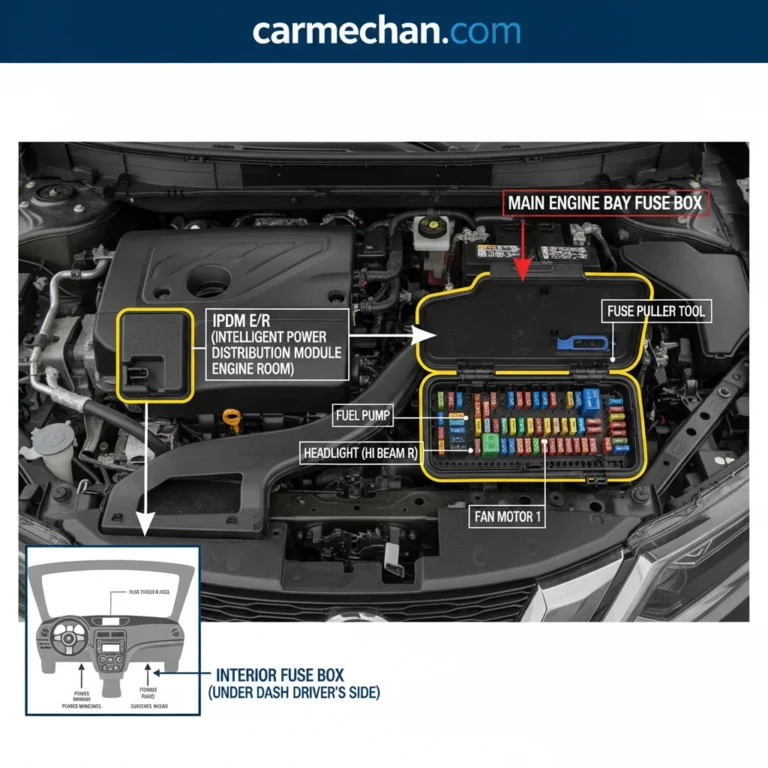
Blown fuses can cause various electrical problems, including anti-theft system malfunctions. Locate your car’s fuse box, usually under the hood or beneath the dashboard. Consult your owner’s manual to identify fuses related to the “SECURITY,” “IGNITION,” or “BCM” (Body Control Module) systems. Visually inspect these fuses for a broken wire.
Replace any blown fuses with a fuse of the exact same amperage rating. Never replace a fuse with a higher amperage fuse, as this can cause severe electrical damage. You can find more information on diagnosing electrical problems.
Consult Owner’s Manual
Your vehicle’s owner’s manual is an invaluable resource. It contains specific instructions for your make and model regarding anti-theft system resets, key programming, and troubleshooting. Some manufacturers have unique override procedures. Always refer to this document for the most accurate and safe methods. Understanding your car’s specific instructions helps prevent further issues.
What Dashboard Warnings Indicate Immobilizer Problems?
Dashboard warning lights are your car’s way of communicating potential issues. When your anti-theft system prevents starting, specific indicators will often illuminate or flash. Recognizing these signals is key to understanding the problem.
Flashing Security Icon
This is the most direct indicator of an active immobilizer. It typically looks like a car with a key symbol, a padlock, or a simple security light. If this light flashes rapidly or remains illuminated while you try to start the car, it means the anti-theft system is engaged and preventing ignition.
This often points to a key or transponder issue.
Check Engine Codes
While a “Check Engine Light” (CEL) can indicate numerous problems, it can also illuminate in conjunction with immobilizer issues. When the anti-theft system is preventing a start, the ECM might register specific Diagnostic Trouble Codes (DTCs). These codes could point directly to an immobilizer fault or related electrical issues.
Common immobilizer-related codes might fall within certain ranges, such as P16XX or BXXXX codes, indicating communication loss or key recognition failures . An OBD-II scanner can retrieve these codes.
Illuminated Battery Light
A battery warning light typically signals a charging system problem or low battery voltage. If your car’s battery is critically low, it may not supply enough power for the anti-theft system to function correctly. This can lead to the immobilizer activating or malfunctioning, preventing the car from starting. This light often appears alongside other security indicators.
Key or Lock Symbol
Some vehicles use a dedicated “Key” or “Lock” symbol on the dashboard to indicate issues with the transponder key or the immobilizer system. This can be distinct from the general security light. If this specific symbol lights up, it usually means your car is not recognizing the key you are using.
This prompts you to inspect the key fob itself or consider if the key has lost its programming. Interpreting these warning lights correctly helps guide your troubleshooting efforts.
How Do Key Fob or Battery Issues Affect Vehicle Starting?
Two of the most frequent culprits behind anti-theft system activation are problems with your key fob or the car’s main battery. Addressing these often provides the quickest and easiest resolution to a no-start situation.
Replace Fob Battery
Your key fob relies on a small, replaceable battery to power its transponder and remote functions. When this battery drains, the fob may fail to transmit the correct signal to the car’s immobilizer system. This causes the car to think an unauthorized key is being used.
Replacing the key fob battery is a simple DIY task. You can often find the battery type in your owner’s manual or by opening the fob casing. Our key fob battery replacement guide offers step-by-step instructions for many common models.
Reprogram Transponder Key
Sometimes, a key’s transponder chip can lose its programming, especially after a battery change or electrical surge. If your car is not recognizing the key after a fob battery replacement, reprogramming might be necessary. Some vehicles have a simple, owner-performable reprogramming sequence found in the manual.
However, many require specialized diagnostic tools available at dealerships or locksmiths. This process ensures the key’s unique code matches the vehicle’s immobilizer system. For more on the underlying technology, explore resources about transponder key technology.
Test Main Battery Voltage
A weak or dead car battery is a primary suspect when any electrical system, including the anti-theft, acts up. Use a multimeter to check your car battery’s voltage across its terminals. A healthy car battery should read around 12.6 volts when the engine is off.
If it reads significantly lower (e.g., below 12.0 volts), your battery may not be providing enough power. A professional load test can confirm battery health.
Clean Battery Terminals
Corrosion on battery terminals can impede electrical flow, mimicking a low battery condition. Disconnect the battery cables (negative first, then positive). Use a wire brush and a baking soda and water solution to clean away any white or green corrosive buildup. Ensure the terminals and cable clamps are shiny clean before reconnecting them (positive first, then negative).
This simple maintenance can restore proper power delivery. Addressing these common issues can often bypass a trip to the mechanic.
When to Call a Mechanic Versus Fix It Yourself
Deciding whether to tackle an anti-theft issue yourself or seek professional help can save you time, money, and frustration. Understanding your own limitations and the complexity of the problem is crucial.
Identify Complex Symptoms
If your basic troubleshooting steps (battery check, key fob replacement, simple resets) don’t resolve the issue, or if you encounter multiple warning lights with no clear pattern, it is time for professional intervention. Symptoms like persistent security lights after reset attempts, clicking noises without engine turnover, or complete electrical system failure often indicate deeper problems.
These complex issues might involve specialized vehicle components. You can learn more about automotive electrical troubleshooting for deeper insights.
Recognize DIY Limits
While simple fixes like replacing a key fob battery or cleaning terminals are within most DIYers’ capabilities, tasks involving intricate wiring diagrams, ECM reprogramming, or specialized diagnostic tools typically require a certified mechanic. Tampering with complex anti-theft components without proper knowledge can inadvertently cause more expensive damage or safety hazards.
Be honest about your comfort level and expertise before attempting advanced repairs.
Estimate Repair Costs
Simple fixes like key fob battery replacement or battery terminal cleaning are inexpensive. However, repairs such as immobilizer module replacement or transponder key reprogramming can be costly. Immobilizer module replacements can range from , while transponder key programming might cost .
Obtaining a diagnostic estimate from a trusted mechanic can help you decide if the repair is worth the investment, especially for older vehicles. Understanding average repair costs can help you make an informed decision.
Consider Towing Options
If your car is completely immobilized and cannot be started, you will need to arrange for towing. Many roadside assistance plans or auto insurance policies include towing services. If you do not have such coverage, research local towing companies and compare rates. Ensure the towing company understands your vehicle type and the anti-theft issue.
They should be able to transport it safely to a reputable automotive service center for immobilizer system basics repairs.
Conclusion Get Your Car Running Smoothly Again in 2026
Facing a non-starting car because the anti-theft system won’t let it start is a frustrating experience, but it’s often a solvable one. We have explored the common causes, provided actionable DIY troubleshooting steps, and highlighted when it’s best to call in the professionals. By systematically diagnosing the issue, from checking your key fob to inspecting your car’s main battery and understanding dashboard warnings, you empower yourself to resolve many of these problems.
Remember that prompt action and a methodical approach are your best tools. Whether it’s a simple battery replacement or a more complex electrical fault, the insights gained here will guide your next steps. Do not hesitate to consult your owner’s manual for model-specific procedures and always prioritize safety in your diagnostic efforts.
Your vehicle is an essential part of your daily life, and with these tips, you can ensure it remains reliable well into 2026.
Frequently Asked Questions About Anti-Theft System Malfunctions
How Do I Temporarily Bypass My Car’s Anti-theft System?
Temporarily bypassing often involves specific key cycling sequences or disconnecting the car battery for several minutes to force a system reset. The exact procedure can vary significantly by vehicle make and model, so checking your owner’s manual for manufacturer-specific steps is highly recommended for safety and effectiveness.
What Does It Mean If My Security Light Is Flashing and the Car Won’t Start?
A flashing security light, especially when your car won’t start, usually indicates that the anti-theft or immobilizer system is active and preventing engine ignition. This could be due to an unrecognized key, a low key fob battery, a system malfunction, or a low car battery preventing proper system communication.
Can a Dead Key Fob Battery Prevent My Car From Starting?
Yes, a dead key fob battery can absolutely prevent your car from starting. Many modern vehicles use a transponder chip in the key fob that requires power to communicate with the car’s immobilizer system. If the fob battery is dead, this communication fails, and the anti-theft system will remain active.
How Much Does It Cost to Fix an Anti-theft System?
The cost to fix an anti-theft system varies widely depending on the problem’s complexity. Simple fixes like a key fob battery replacement might cost under $20. More complex issues like transponder key reprogramming can range from $100-$300, while replacing an immobilizer module could be several hundred dollars or more, including labor.
Is There a Universal Anti-theft Reset Button in Cars?
No, there is no universal anti-theft reset button in cars. Reset procedures are highly vehicle-specific and vary by make, model, and year. While some common methods like battery disconnection or key cycling exist, always refer to your vehicle’s owner’s manual for the precise, safe, and manufacturer-recommended reset instructions.