Ford Explorer Adaptive Cruise Control Sensor Location: Mapped
Ever wondered why your high-tech cruise control goes offline the moment a little mud hits your bumper? It is a common frustration for modern drivers. Many owners struggle to pinpoint the exact Ford Explorer adaptive cruise control sensor location, often leading to incorrect troubleshooting, wasted time, or unnecessary visits to the service bay for issues that could be resolved with a simple cleaning. In this guide, we reveal the precise hardware location, the environmental pitfalls that trigger system faults, and the critical distinction between DIY maintenance and professional calibration requirements.
Pinpointing Your Ford Explorer Adaptive Cruise Control Sensor Location


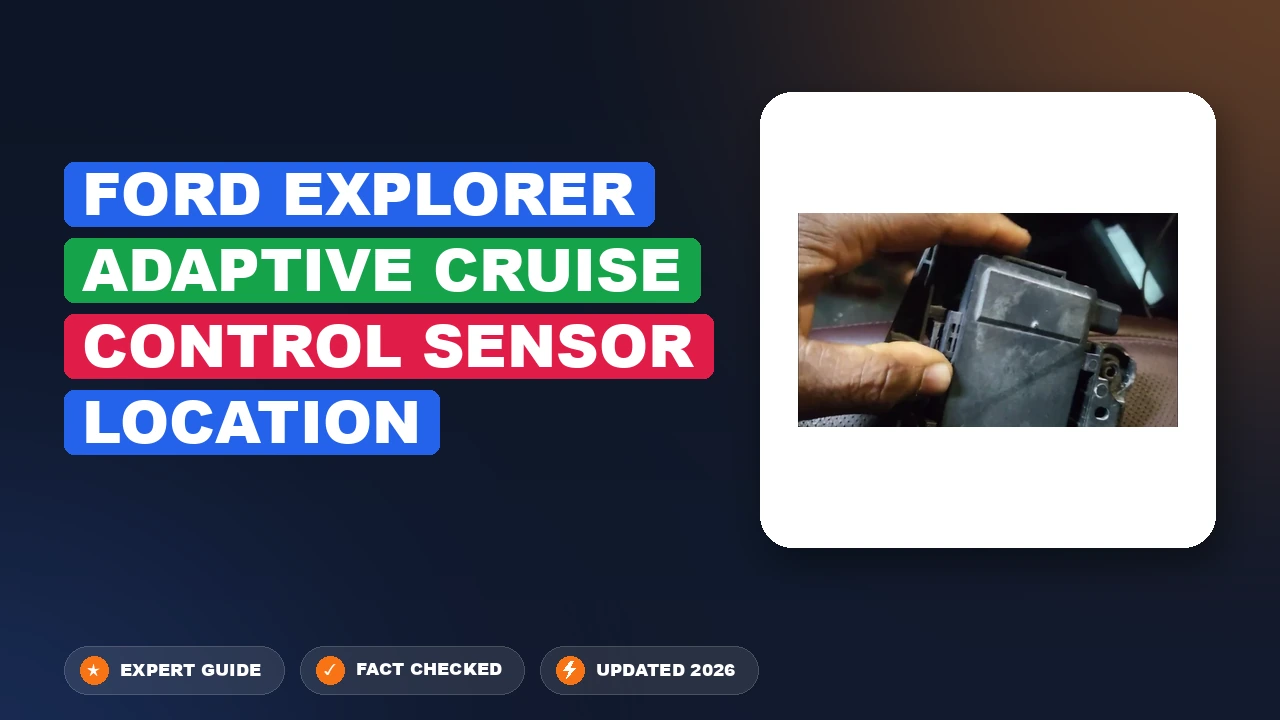
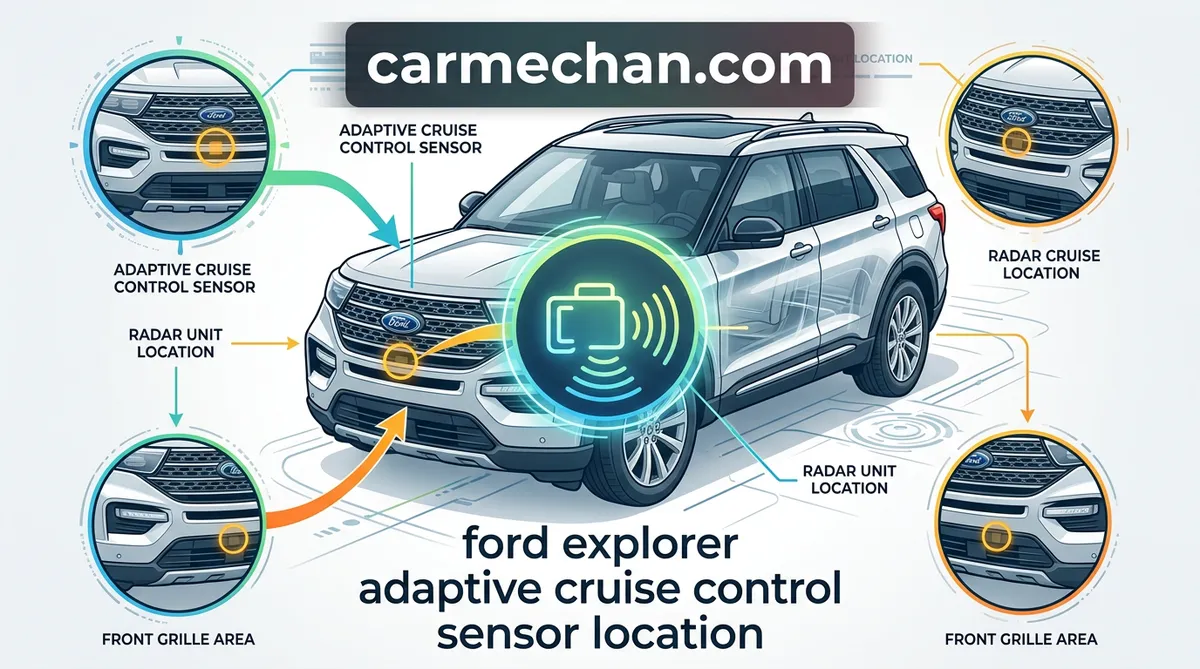
The Adaptive Cruise Control (ACC) system is not magic; it is a sophisticated radar-based technology. Locating the hardware is the first step toward effective maintenance. While the placement may shift slightly across model years, the engineering principle remains consistent: the radar transceiver requires an unobstructed view of the road ahead.
📤 Share Image

Identifying Radar Hardware vs. Ultrasonic Parking Sensors
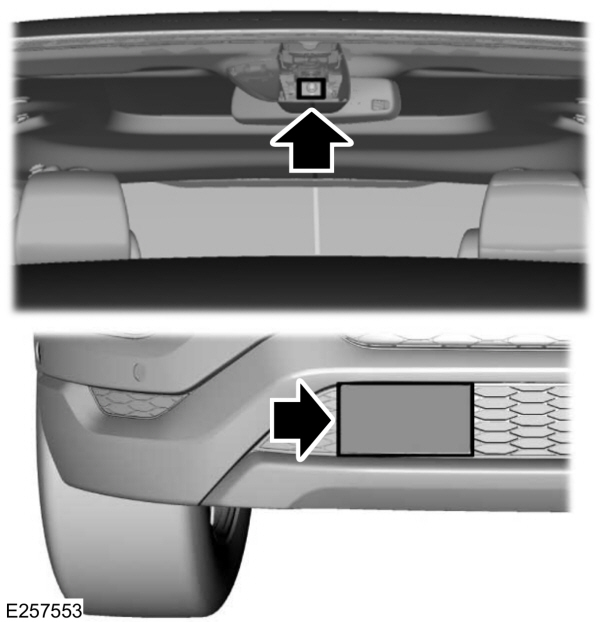
A common point of confusion for owners is mistaking the ACC radar for the parking assist system. The radar transceiver is a large, square-ish module, usually black and plastic-encased, positioned behind the lower bumper fascia. In contrast, ultrasonic parking sensors are the small, circular, flush-mounted buttons found scattered across the front and rear bumpers. If you are looking for the ACC component, you are looking for a singular, larger rectangular unit, not the small circular parking aids.

The Role of the Front Grille and Bumper Fascia
The Ford Explorer ACC system operates by emitting radar waves that travel through the front bumper fascia. This design requires “fascia transparency.” This means the plastic material covering the sensor must be free of metallic paint or heavy debris to allow the signal to pass through without distortion. Research indicates that the sensor is highly sensitive to physical misalignment; even a minor “love tap” to the bumper can disturb the alignment bracket, causing the radar to point at the pavement or sky instead of the vehicles in front of you. Always inspect the area for a flat-faced, inward-set housing that looks distinct from the surrounding mesh or plastic trim.
By The Numbers
Accuracy Requirement
Faults = Obstruction
Why Your Ford Explorer Adaptive Cruise Control Sensor Location Fails


Understanding the failure points of the ACC system helps you distinguish between a temporary environmental issue and a hard mechanical failure. Because the sensor is located in an exposed area of the vehicle, it is subject to the elements every time you drive.
- Environmental Blockages: Excessive mud, thick slush, or heavy ice buildup on the front bumper acts as a shield, preventing radar waves from exiting or returning. This is the #1 cause of “Sensor Blocked” warnings.
- Mechanical Misalignment: A low-speed impact, such as hitting a parking curb or being bumped in a parking lot, can bend the internal alignment bracket. Even a millimeter of shift is enough to trigger a system error.
- Electrical Corrosion: The wiring harness connected to the radar transceiver is exposed to road salt and moisture. Over time, this can lead to corrosion on the connector pins, creating intermittent signal loss that is difficult to diagnose without checking the physical plug.
- Aftermarket Accessories: Installing a brush guard, bull bar, or aftermarket license plate bracket directly in front of the sensor will permanently disable the system. The radar cannot “see” through solid steel, and often struggles with specific metallic finishes.
Servicing the Ford Explorer Adaptive Cruise Control Sensor Location


Proper maintenance of the radar module is about delicacy and precision. It is vital to understand that this is not a user-serviceable component in terms of internal electronics.
📋
Professional Servicing Steps
Use a soft, damp microfiber cloth to clean the bumper area directly in front of the sensor. Avoid high-pressure washers, which can force water into the electrical connectors or push the sensor out of its clips.
Access the rear of the bumper (if accessible via the under-tray) to check for loose connections. If you detect green crust or white powder, that indicates corrosion.
Never attempt to realign the mounting bolts or bracket manually. Professional software calibration is mandatory after any sensor removal. Attempting to “eyeball” the alignment will result in a system that performs dangerously or not at all.
Advanced Troubleshooting for Ford Explorer Sensor Faults
When simple cleaning doesn’t resolve the issue, you are likely looking at an integration fault. The ACC system does not work in a vacuum; it is a synchronized network.
The radar transceiver works in tandem with the Front Camera (typically located near the rearview mirror) and the PCM (Powertrain Control Module). If the radar loses communication with the Front Camera, the entire ACC system will default to an “Off” state to prevent erroneous braking or acceleration. Often, an “ACC Not Available” error on your instrument cluster is actually a diagnostic code pointing to a loss of handshaking between these modules, rather than a broken sensor.
Additionally, if you have recently had body work done, ensure that the shop did not use improper paint on the bumper fascia. Certain paints contain high levels of metallic flakes that create a “Faraday cage” effect, scrambling the radar signals and causing persistent, elusive faults that only a scan tool can diagnose.
Expert Summary and Professional Recommendations
The Adaptive Cruise Control radar sensor is a precision instrument, not just a simple plastic cap on your front end. By understanding the Ford Explorer adaptive cruise control sensor location, you can quickly address the majority of “blocked” system messages by ensuring the fascia is clean and free of obstruction. However, respect the complexity of the internal electronics. If your system remains inoperative after a thorough inspection and cleaning, the fault is likely deep within the alignment or data link.
Do not gamble with the safety of your driver-assist systems. If persistent faults occur, it is time to visit your trusted local Ford technician. They have the factory-grade diagnostic tools, such as IDS or FDRS, necessary to perform a digital alignment check and ensure your ACC system returns to factory safety specifications. Convenience is important, but accuracy is paramount when it comes to your vehicle’s autonomous features.
Ford Explorer Adaptive Cruise Control Sensor Location: Frequently Asked Questions
Can I install a metal bull bar in front of the sensor?
You should not install a metal bull bar or brush guard directly in front of the ACC sensor. The radar beam relies on a clear, non-metallic path. Metal obstructions will cause signal reflection, leading to permanent ‘blocked sensor’ errors or erratic braking behavior, which can compromise both the cruise control system and the Automatic Emergency Braking (AEB) functionality.
Does a bumper replacement require sensor recalibration?
Yes, any removal or replacement of the front bumper requires a professional recalibration. Because the sensor is mounted to the front assembly, even a millimeter of shifting during the reinstallation process can throw off the radar’s horizontal or vertical alignment. This creates a safety risk, as the system may fail to detect vehicles at the correct distance.
Why does my ACC fail in heavy rain?
Adaptive cruise control uses radar waves that can be refracted or scattered by heavy precipitation. Intense rain, dense fog, or thick slush can act as a physical barrier to the signal. While this is often a temporary condition that corrects itself once conditions improve, the system is designed to disable itself to prevent inaccurate readings during extreme weather.
Are there local technicians available to recalibrate my sensor?
Yes, most dealerships and specialized independent repair shops in your community are equipped with the Ford Diagnostic and Repair System (FDRS) required for ADAS calibration. When seeking service, ensure the shop has specific experience with Ford’s radar-based safety suites, as the process requires specific target boards and a perfectly level workspace to ensure accurate system initialization.
What tools are needed to adjust the sensor alignment?
Attempting to manually adjust the physical position of the sensor is discouraged. Alignment is performed electronically through software tools that communicate with the vehicle’s Powertrain Control Module. Professional technicians use specialized optical targets and diagnostic software to ‘teach’ the sensor its new zero-point. Manual adjustments rarely result in successful recalibration and often damage the fragile mounting brackets.