Ford Escape Cruise Control Not Working: Diagnosed & Fixed
Nothing ruins a highway commute faster than a cruise control system that refuses to engage. Whether it’s a flickering dash light, a dead button, or a complete loss of function, a Ford Escape cruise control malfunction can stem from anything from a $5 fuse to a faulty PCM. In this guide, we’ll help you systematically diagnose the cause, perform safe repairs, and get your speed control back in working order.
Why Is My Ford Escape Cruise Control Not Working?


The cruise control system in a Ford Escape is categorized as a non-essential safety feature. Consequently, it is designed with a “fail-safe” logic. If the Powertrain Control Module (PCM) detects any data inconsistency or sensor fault elsewhere in the vehicle, it will proactively disable the cruise control to prevent an unintended acceleration or a loss of braking control.

📤 Share Image
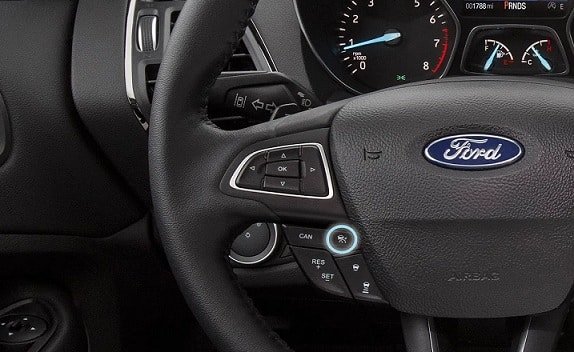
The Role of PCM Error Codes
The PCM acts as the central brain. If there is a “Check Engine” light, the cruise control is often electronically inhibited. This prevents the system from attempting to maintain speed while the engine is operating outside of its parameters. Even minor emissions-related codes can trigger this lockout, making the cruise control system a canary in the coal mine for other engine health issues.

How Dashboard Warnings Disable Speed Control
Dashboard warnings, specifically ABS or Traction Control lights, are frequent culprits. Because cruise control relies on input from wheel speed sensors to maintain velocity, the PCM will disable the system immediately if the ABS system detects an inconsistency between wheels. If your ESC or ABS light is illuminated, troubleshooting the speed sensors is your first priority.

Why Brake Light Issues Interrupt Cruise Systems
A often-overlooked cause of a Ford Escape cruise control not working is a faulty or blown brake light bulb. The PCM monitors the circuit for the brake lights; if a bulb is blown, the resistance changes, and the switch may fail a logic test. Since the cruise control must deactivate the millisecond the brake is touched, the system interprets a faulty circuit as a safety hazard and locks out the cruise function entirely.
Industry Data: Cruise Control Failure Drivers
Cases caused by external sensor faults (Brake/ABS/PCM)
Cases related to steering wheel switch/clock spring wear
Diagnosing Ford Escape Cruise Control Not Working: Primary Causes
When the system hardware is at fault, we look at the physical signal path. The following components are the most common points of failure.
Testing Ford Escape Steering Wheel Switches
- Electromechanical Wear: The steering wheel buttons function on a resistance-based circuit. Over time, internal contacts oxidize, failing to send the correct signal to the clock spring.
- Voltage Check: Ensure the system is receiving 12-14 volts by checking the fuse block designated for the speed control module.
Is the Clock Spring Damaged?
The clock spring is the ribbon-cable assembly behind the steering wheel that allows electrical connectivity while the wheel rotates. A tell-tale symptom of a failing clock spring is a flickering light on the cruise buttons or the cruise control working only when the steering wheel is held at a specific angle.
Verifying the Vehicle Speed Sensor (VSS)
The VSS provides the critical data on how fast the vehicle is moving. If this sensor sends an erratic signal or fails to communicate with the PCM, the cruise control will refuse to engage because it cannot calculate the required throttle adjustment to maintain speed.
How to Fix Ford Escape Cruise Control Not Working
Disconnect the negative battery terminal for 15 minutes. This clears the PCM’s volatile memory and forces the modules to perform a “hard reboot” of the system. This often clears intermittent glitches caused by static memory errors.
Locate the brake pedal position switch on the pedal bracket. Disconnect the electrical connector, twist the switch 45 degrees to remove it, and install the new unit. Ensure the plunger is correctly seated.
Always wait 15 minutes after disconnecting the battery before handling the steering column. This ensures the SRS (Airbag) capacitor is fully discharged, preventing accidental deployment while replacing the steering wheel control switches.
What If the Cruise Control Still Won’t Engage?
Advanced PCM Diagnostics
If basic troubleshooting fails, you must utilize an OBD-II scanner capable of reading manufacturer-specific codes (Ford-specific PID codes). These codes can reveal if the PCM is receiving the signal but refusing to execute the command due to an internal firmware error or a faulty servo/actuator on older, cable-throttle Ford Escapes.
Hidden Vacuum Leaks and Actuators
On pre-2008 models, the cruise system uses a vacuum-operated actuator. A dry-rotted vacuum line will bleed pressure, making it physically impossible for the actuator to hold the throttle open. Inspect all vacuum lines running from the intake manifold to the cruise control servo for cracking or disconnection.
Avoid the “parts cannon” approach—replacing the PCM without a verified diagnostic code is rarely the solution. If the cruise control is the only symptom, it is almost never a dead PCM; it is a signal interruption.
Quick Reference Table for Ford Escape Speed Control Failures
Most cruise control issues are triggered by safety sensors like the brake switch. Always address Check Engine or ABS lights first, as they often override cruise functions. Never attempt steering column repairs without disconnecting the battery to avoid airbag deployment. When in doubt, pull diagnostic codes to avoid guessing which part to replace. If these steps don’t resolve the issue, head to a local shop to have your PCM scanned for deeper electrical faults.
Ford Escape Cruise Control Not Working: Frequently Asked Questions
Why does my cruise control light flash and turn off?
A flashing cruise control indicator usually points to a system self-diagnostic failure. It indicates that the PCM has detected an inconsistency, such as an implausible signal from a wheel speed sensor or a malfunction in the throttle body circuit. The system flashes the light to alert you that it has entered a ‘fail-safe’ mode, effectively disabling cruise control until the underlying fault code is cleared.
Can a blown fuse cause cruise control to stop working?
Yes, a blown fuse is one of the most common reasons for a sudden cruise control failure. The system relies on specific dedicated fuses to provide power to the cruise control module or the electronic throttle servo. If this fuse blows due to a power surge or minor short, the entire system will be rendered inert. Check your owner’s manual for the specific fuse box location.
Is a broken brake switch the most common cause?
A faulty brake light switch is a leading cause of cruise control disengagement issues. Because the system is designed to immediately cut power when the brake pedal is pressed, a switch that is stuck in the ‘engaged’ position or sending an erroneous signal will prevent the cruise system from arming. If your brake lights are flickering or stay on when the pedal is released, the switch is likely the culprit.
Does a check engine light disable cruise control?
In almost all modern Ford vehicles, an active check engine light will automatically disable the cruise control system. This is a deliberate safety design, as the engine management system requires full, predictable control of the throttle and timing. By disabling the cruise control, the vehicle prevents the system from attempting to maintain speed while the engine is operating in a compromised or ‘limp’ mode.
How do I reset my Ford Escape cruise control system?
While there isn’t a single ‘reset’ button, you can often perform a hard reset by disconnecting the negative battery terminal for 15 minutes. This clears temporary volatile memory in the PCM. If the fault is caused by a minor software glitch, this may restore function. However, if the root cause is a mechanical part failure, the system will likely trigger the fault again shortly after.