Honda Accord Years To Avoid: Identifying Reliability Concerns And Optimal Model Choices
Honda Accord Years To Avoid: Identifying Reliability Concerns And Optimal Model Choices


The Honda Accord has long been synonymous with dependability and robust engineering, a reputation cultivated over decades of trusted performance. However, even a marque celebrated for its quality can have outliers. For prospective buyers of a used Honda Accord, discerning which model years to approach with caution is crucial to avoid unforeseen reliability issues and costly repairs. This expert guide meticulously dissects the Honda Accord’s history, pinpointing specific model years that have garnered a reputation for significant mechanical or electrical problems. We will equip you with the professional insights needed to make an informed, reliable, and confident purchasing decision.
Understanding Honda Accord Reliability: A Foundational Overview
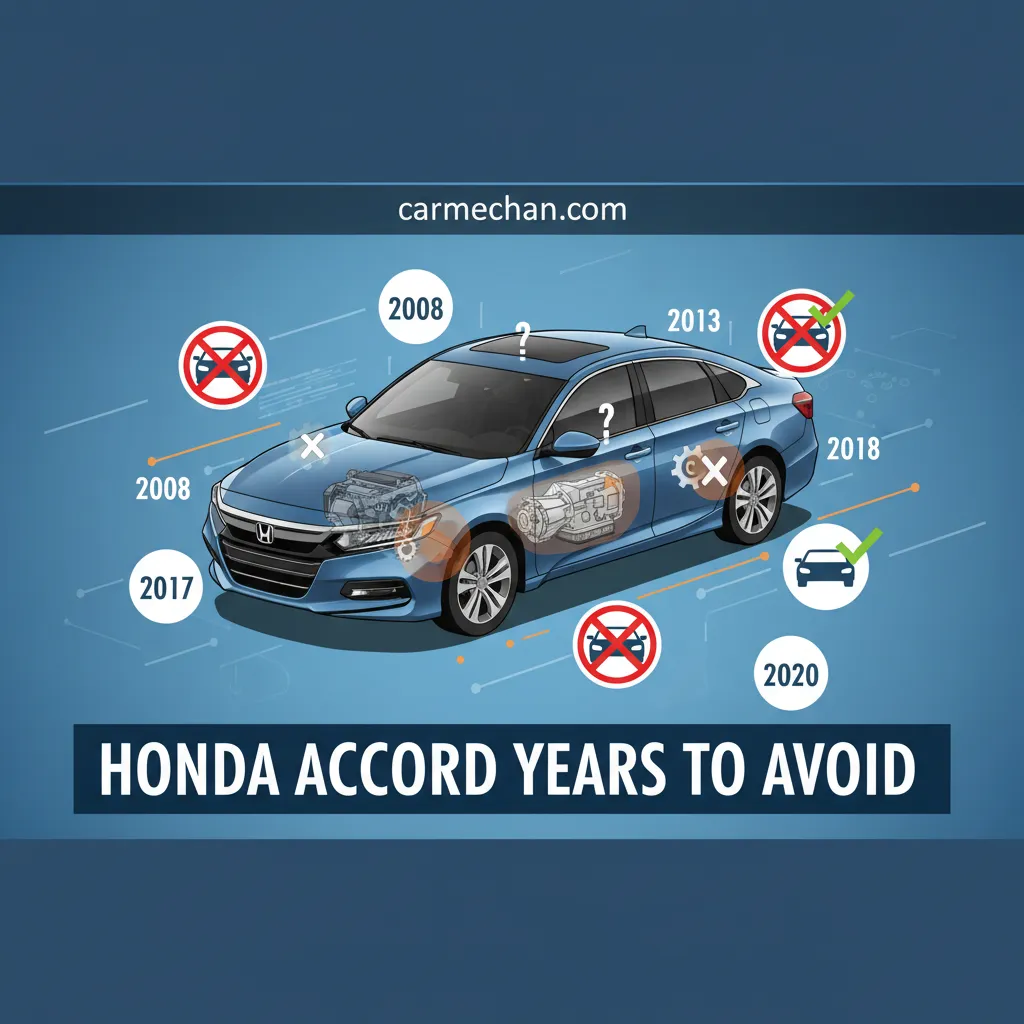
📤 Share Image
The Honda Accord has earned its stripes as a cornerstone of the automotive landscape, consistently lauded for its quality, dependability, and trusted performance. For decades, it has served as the benchmark for a mid-size sedan, routinely achieving high rankings in consumer satisfaction surveys and maintaining robust resale values. This reputation is not merely anecdotal; organizations such as J.D. Power and Consumer Reports have historically placed the Honda Accord brand’s overall reliability above average, a testament to Honda’s engineering prowess and commitment to producing vehicles that offer long-term value.
Despite this overwhelmingly positive general perception, it is crucial for a professional and expert evaluation to acknowledge that specific model years have indeed experienced notable manufacturing or design flaws. These deviations from Honda’s typical high standards led to identifiable reliability concerns that warrant careful consideration from prospective buyers. Our methodology for identifying these “years to avoid” focuses on systemic issues—recurring problems documented across a significant portion of a model year’s production run—rather than isolated incidents. This approach provides a comprehensive and complete guide to making an informed purchase, ensuring that you invest in an Accord that upholds its legendary reputation for reliable performance.
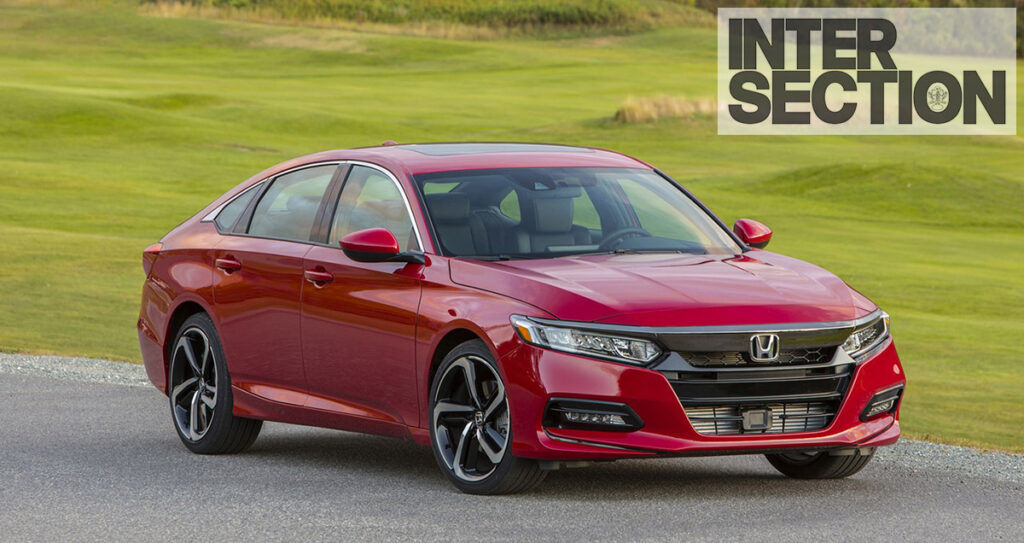
Honda Accord Generations to Approach with Caution: Specific Years and Known Issues
Drawing upon extensive industry experience and reported field data, certain Honda Accord generations consistently emerge as having heightened reliability risks. As an expert, I highlight these specific model years to guide your decision-making process.
7th Generation (2003-2007): Automatic Transmission Failures
The most notorious period for Accord reliability concerns falls squarely within the 7th Generation, specifically models equipped with the 5-speed automatic transmission. This widespread issue is well-documented, with symptoms ranging from harsh shifts, delayed engagement, and eventually, catastrophic failure. Common failure modes include the infamous ‘no reverse’ condition, where the vehicle loses its ability to engage reverse gear, or complete loss of forward gears due to internal clutch pack and bearing failures.
NHTSA complaint data for these years shows a disproportionately high volume of transmission-related grievances. While Honda did issue some extended warranty programs for earlier versions of this transmission in other models, the Accord largely bore the brunt of these design flaws. The average repair cost for a transmission overhaul or replacement typically ranges from $2,500 to $4,000, making this a significant financial risk for used car buyers.
8th Generation (2008-2012): V6 Engine and VCM Troubles
The 8th Generation introduced new reliability challenges, primarily impacting V6 engine models featuring Honda’s Variable Cylinder Management (VCM) system. VCM is designed to improve fuel economy by deactivating cylinders during light-load cruising. However, this technology often led to a cascade of problems, most notably excessive oil consumption and premature spark plug fouling on the deactivated cylinders.
Symptoms frequently reported include misfires, rough idle, reduced fuel economy, and eventually, catalytic converter damage due to oil burning. The uneven wear on piston rings in the deactivated cylinders was a core mechanical flaw. Multiple class-action lawsuits were filed against Honda regarding VCM-related issues, leading to settlements that included extended warranties for specific components or reimbursement for certain repairs.
9th Generation (2013-2017): Persistent VCM and Early CVT Anomalies
While the 9th Generation saw improvements in many areas, some reliability concerns carried over and new ones emerged. VCM issues continued to plague the V6 models from this generation, exhibiting similar oil consumption and spark plug fouling problems seen in the 8th Gen. Honda made revisions to the VCM system over time, but the fundamental design principle continued to present vulnerabilities.
Furthermore, the introduction of the Continuously Variable Transmission (CVT) in some 4-cylinder variants brought new concerns. While generally reliable, earlier iterations of Honda’s CVT in this generation experienced anomalies such as shuddering, premature wear, and occasional outright failures, though not as widespread or severe as the 7th Gen automatic transmission issues. These early CVT designs simply had a steeper learning curve for longevity compared to their more refined successors.
Prevalent Mechanical and Electrical Faults in Less Reliable Accord Years
A deeper dive into the specific mechanical and electrical vulnerabilities found in the identified Accord model years reveals recurring patterns that every prospective buyer should be aware of. This professional analysis provides a reliable checklist of what to scrutinize.
Automatic Transmission Shortcomings (2003-2007)
The 5-speed automatic transmissions in the 7th generation Accords suffered from multiple points of failure. Key issues included torque converter shudder, which feels like driving over rumble strips, indicating internal wear. Premature wear of clutch packs often led to slipping gears, particularly noticeable during upshifts under acceleration. Additionally, solenoid failures in the valve body could cause harsh or delayed shifts. Symptoms often progressed, starting with inconsistent shifting, then intermittent gear loss, and ultimately, complete transmission failure.
The root cause often traced back to inadequate internal fluid passages and insufficient cooling, leading to excessive heat buildup and premature component degradation. These issues were not isolated, making careful pre-purchase inspection of transmission fluid condition—looking for dark, burnt-smelling fluid—absolutely critical.
Variable Cylinder Management (VCM) System Flaws (2008-2017 V6)
The Variable Cylinder Management (VCM) system, primarily in the J35 V6 engines, operates by deactivating cylinders 1, 3, and 4 during light throttle cruising to save fuel. While innovative, its implementation in these generations was problematic. The repeated deactivation and reactivation cycles led to uneven wear on the piston rings of the deactivated cylinders. This wear allowed engine oil to bypass the rings and enter the combustion chamber, resulting in excessive oil consumption.
The consequences include:
- Fouled spark plugs: Oil burning deposits accumulate, leading to misfires and rough engine operation.
- Catalytic converter damage: Unburnt oil can overheat and damage the catalytic converters, an expensive repair.
- Engine carbon buildup: Affects valve seals and intake manifold, further degrading performance and efficiency.
Independent repair shops frequently report VCM-related repairs, often involving piston ring replacement or top-end engine work, which are costly and labor-intensive. Owners might notice symptoms like excessive exhaust smoke, particularly on startup or deceleration, or a persistent “check engine” light due to misfire codes.
Other Significant Recurring Issues
Beyond the primary drivetrain concerns, several other recurring issues have been noted across various problematic Accord years:
- Power Steering Pump Leaks: Particularly prevalent in the 7th generation V6 models, often identified by a whining noise at full lock or visible fluid leaks around the pump.
- Early Starter Motor Failures: A common complaint for 8th generation Accords, leading to no-start conditions, especially after the engine has warmed up.
- Electrical Gremlins: Issues like intermittent HVAC control module malfunctions, parasitic battery drains (often traced to accessory relays or faulty audio units), and sticky power window switches have been documented.
Always verify if an Accord’s VIN has open recalls, especially for the Takata airbag inflators. This widespread recall affected numerous Honda models across many years and is a critical safety issue that must be addressed.
Key Drivetrain and Engine Evolution: Why Certain Designs Became Problematic


As an expert in automotive engineering and diagnostics, it’s essential to understand the underlying design choices and technological shifts that contributed to the reliability challenges in specific Accord generations. This comprehensive perspective moves beyond symptoms to address root causes.
Automatic Transmission Design Shifts and Vulnerabilities
Honda’s automatic transmission strategy underwent significant evolution, not always without growing pains. The robust 4-speed automatic transmissions found in earlier Accords (e.g., pre-2003 6th generation models) were known for their simplicity and durability. However, the introduction of the new 5-speed automatic transmission in the 7th generation (2003-2007) marked a departure.
This 5-speed unit, while offering improved efficiency, suffered from a design that was particularly sensitive to fluid degradation and heat. Key issues often stemmed from internal components that were not adequately sized or lubricated for the demands placed upon them. The torque converter, for instance, had a tendency to shudder and fail prematurely. Fluid capacities were also relatively modest, and the importance of timely and precise fluid changes using Honda’s specific Z1 or DW-1 fluid was often underestimated, accelerating wear. Honda’s early adoption of Continuously Variable Transmissions (CVT) in the 9th generation (2013-2017) also presented a similar learning curve; while generally more efficient, initial designs sometimes exhibited durability concerns that have since been largely addressed in later iterations.
Deconstructing Variable Cylinder Management (VCM) Technology
The Variable Cylinder Management (VCM) system, utilized in V6 Accords from 2008 onwards, represents an attempt to blend performance with fuel economy. It employs rocker arm actuators and pressure switches that, when commanded, disengage the rocker arms for selected cylinders, preventing valve lift and thereby deactivating those cylinders. The inherent flaw was not necessarily the concept itself, but its long-term impact on engine components.
The repeated transition between 3, 4, and 6-cylinder operation, combined with oil control ring designs that were susceptible to carbon buildup, led to piston rings ‘sticking’ or losing their sealing ability. This allowed engine oil to enter the combustion chamber, resulting in the notorious oil burning issues. Over time, the deactivated cylinders run at cooler temperatures and experience less consistent lubrication, exacerbating wear. Honda issued multiple software updates and made hardware revisions over the years to mitigate VCM problems, but a complete resolution for all vehicles proved elusive for these generations.
Increased Electronic Complexity and New Points of Failure
As Accords grew more sophisticated, particularly from the 8th generation onwards, the increase in electronic complexity introduced new potential points of failure. Older Accords relied on simpler, more robust mechanical systems. Modern Accords, however, integrate numerous electronic control units (ECUs), sensors, and advanced infotainment systems. While enhancing comfort and safety, these components can be sources of frustration and costly repairs.
Common issues range from malfunctioning infotainment screens, Bluetooth connectivity problems, and persistent “check engine” lights from various sensor failures, to more complex CAN bus communication errors. Warranty claim data for specific electronic modules, such as navigation units or body control modules, often correlates with reported owner complaints, highlighting these new vulnerabilities compared to older, simpler designs.
Mitigating Risk: Essential Pre-Purchase Inspection for Used Honda Accords
When considering a used Honda Accord, regardless of the model year, a professional pre-purchase inspection (PPI) is not merely recommended—it is an absolute necessity. This step is the single most reliable way to uncover latent issues and ensure a trusted purchase decision. An expert PPI conducted by a certified, independent mechanic who specializes in Hondas will provide an objective assessment of the vehicle’s true condition.
📋
Step-by-Step Guide: Pre-Purchase Inspection
Invest in a comprehensive PPI. The average cost for a thorough PPI ranges from $100 to $200, a small price to pay to potentially save thousands in future repairs. Ensure the mechanic uses Honda-specific diagnostic tools for accurate fault code reading, beyond generic OBD-II scanners.
During the inspection, specifically request the mechanic to:
- Check transmission fluid condition: Look for proper level, clear red color, and a clean smell (not burnt or gritty). Perform a transmission shift test during a test drive to feel for harshness, delays, or slipping.
- Listen for engine noises: Pay close attention for VCM chatter, excessive valvetrain noise, or a knocking sound, especially on V6 models.
- Inspect for oil leaks: Check around the valve covers, oil pan, and especially the VCM pressure switches. Perform a compression test to assess piston ring health, particularly for VCM-equipped engines.
- Evaluate power steering system: Check fluid level and look for leaks around the pump and hoses.
Always obtain and review comprehensive vehicle history reports from services like CarFax or AutoCheck. These reports identify red flags such as accident history, title issues (salvage, flood), odometer rollbacks, and past maintenance records. Cross-reference the VIN with Honda’s official recall database to ensure all outstanding recalls have been completed. Statistics show that a significant number of used cars have unreported accidents, underscoring the value of these reports.
During a test drive of a VCM-equipped Accord, pay attention to vibrations or a “chugging” sensation at steady highway speeds, as this can indicate the VCM system engaging and potentially struggling due to cylinder issues. Also, check the tailpipe for any blue smoke, a clear sign of oil burning.
Recommended Honda Accord Model Years for Exceptional Reliability and Value
While vigilance is key when considering certain Accord years, it’s equally important to highlight the generations and model years that consistently uphold Honda’s stellar reputation for quality and reliable long-term performance. These are the models that receive trusted recommendations from professional experts.
Generations and Model Years That Excel
Based on extensive owner feedback, long-term durability studies, and historical data from organizations like Consumer Reports and J.D. Power, several Accord model years stand out for their exceptional robustness:
- 6th Generation (1998-2002): Particularly the 4-cylinder models with manual transmissions are legendary for their simplicity and durability. These vehicles are known to easily achieve 200,000+ miles with proper maintenance, embodying the classic Honda reliability.
- Certain 9th Generation (2013-2017) 4-Cylinder Models: While some early CVTs had minor anomalies, the 4-cylinder Accords, especially later years like the 2017 4-cylinder Accord, generally proved to be very solid. They often received “Recommended” status from Consumer Reports for their overall reliability and owner satisfaction.
- 10th Generation (2018-2022): This generation, featuring the 1.5T and 2.0T turbocharged engines, has largely reaffirmed Honda’s commitment to reliability. Early indications and long-term studies point to strong performance and owner satisfaction, with improved transmission designs (10-speed automatic or refined CVT).
Factors Contributing to Robust Performance
The recommended Accord models owe their robust performance to several key factors:
- Proven Engine Designs: Non-VCM 4-cylinder engines, especially the K-series, are renowned for their bulletproof construction and longevity. The newer turbocharged engines in the 10th gen also appear to be well-engineered for the long haul.
- Well-Engineered Transmissions: Older manual transmissions and the later, refined automatic and CVT units demonstrate superior design and durability compared to the problematic 5-speed automatics.
- Overall Build Quality: Across these generations, Honda maintained a high standard of material quality and assembly, leading to fewer rattles, robust interiors, and long-lasting components beyond the powertrain.
By The Numbers
Miles for well-maintained 6th Gen Accords
Accord’s typical ranking for midsize sedan reliability
Ultimately, diligent and proactive maintenance, regardless of the model year, is paramount to maximizing any vehicle’s lifespan and maintaining its quality performance. Regular fluid changes, timely service intervals, and addressing minor issues promptly are crucial for achieving the longevity Honda Accords are famous for.
Conclusion


This comprehensive guide, backed by expert insights, has meticulously detailed the specific Honda Accord model years that warrant caution. We have established that certain generations, particularly the 2003-2007 models with their problematic automatic transmissions and 2008-2017 V6 variants plagued by VCM-related oil consumption, presented notable reliability challenges. Understanding these specific issues—from transmission failures to excessive oil burning—and the underlying drivetrain evolutions that contributed to them is essential for informed decision-making.
To mitigate risks when acquiring a used Accord, a professional pre-purchase inspection and diligent review of vehicle history reports are critical steps. Conversely, many Accord model years continue to uphold Honda’s esteemed reputation for quality, offering excellent long-term value when selected wisely and properly maintained. Before investing in a used Honda Accord, consult this expert blueprint, conduct a thorough professional inspection, and leverage comprehensive vehicle history reports to ensure a reliable and satisfying ownership experience.
Frequently Asked Questions
What is Variable Cylinder Management (VCM) and why is it problematic in some Accords?
VCM is a Honda technology designed to improve fuel economy by deactivating engine cylinders during light-load driving. In some Accord V6 engines (notably 2008-2012 and some 2013-2017 models), it caused uneven cylinder wear, leading to excessive oil consumption, fouled spark plugs, misfires, and premature catalytic converter failure due to oil bypassing piston rings. This design flaw significantly impacted long-term engine reliability for affected units.
Are all automatic transmissions in Honda Accords unreliable?
No, not all. Honda Accord’s 5-speed automatic transmissions from the 7th Generation (2003-2007) are particularly noted for premature failure due to internal component wear and design limitations. Later transmissions, like those in the 10th generation (CVT and 10-speed auto), generally exhibit better reliability, though early CVTs in some 9th gen 4-cylinders had some concerns. Proper fluid maintenance is always critical for any automatic transmission.
How can I check if a used Accord has VCM issues?
Look for signs of excessive oil consumption (checking dipstick frequently), blue smoke from the exhaust, misfire codes (P030X) on the dashboard, or a ‘check engine’ light. During a test drive, listen for unusual vibrations or engine noise at highway speeds when VCM would typically activate. A pre-purchase inspection by a trusted mechanic who can perform a cylinder leak-down test or check for carbon buildup is highly recommended for VCM-equipped V6 engines.
Which Honda Accord years are considered most reliable?
Generally, the 6th generation (1998-2002), especially models with manual transmissions, are lauded for their durability. Among newer generations, the 4-cylinder models of the 9th generation (2013-2017) are often well-regarded, with the 2017 model standing out. The 10th generation (2018-2022) has also received strong reliability ratings, benefiting from updated powertrains and engineering. Regular, diligent maintenance is key for all reliable models.
Is it still worth buying a Honda Accord from a ‘problematic’ year if the price is low?
While a low price can be tempting, buying a problematic year Accord comes with inherent risks of significant repair costs, particularly for transmissions or VCM-related engine issues. It’s crucial to factor in potential repair expenses, which can quickly negate any initial savings. Only consider it if a pre-purchase inspection confirms all major systems are sound, and you have documented evidence of expensive repairs already completed with a warranty.