Best Years For Honda Crv: A Curated Ranking For Discerning Buyers
For decades, the Honda CR-V has stood as a beacon of reliability and practicality within the highly competitive compact SUV segment. However, with numerous generations and model year updates, discerning which specific years offer the optimal blend of value, dependability, and features can be a complex decision for prospective buyers. This expert-curated guide meticulously ranks and evaluates the best years for the Honda CR-V, providing essential insights into their strengths, common considerations, and overall value proposition, empowering you to make an informed purchasing choice.
SECTION 1: Understanding the Honda CR-V Legacy: Key Generational Shifts and Evolution


![[2026 Upgraded] DooGooCoo Windshield Sun Shade for Honda CRV 2017-2021 2022 [Cooling…](https://m.media-amazon.com/images/I/51tfKv3G1ML._SS500_.jpg)

📤 Share Image
The Honda CR-V, or “Comfortable Runabout Vehicle,” debuted in 1997 as a pioneering compact SUV, fundamentally altering market expectations for the segment. Its initial design prioritized car-like driving dynamics, offering a compelling alternative to more truck-like utility vehicles. This first generation (1997-2001) set the stage for its enduring popularity, providing a comfortable ride and respectable cargo capacity, famously including a rear picnic table that underscored its utility-focused design.
Subsequent generations introduced significant refinements and technological advancements. The 2nd Generation (2002-2006) saw a more powerful 2.4L K24A1 i-VTEC engine and improved suspension, solidifying its reputation for reliability. The 3rd Generation (2007-2011) embraced a sleeker, more sophisticated aesthetic, moving further away from its rugged roots while enhancing interior comfort and noise insulation. Powertrain advancements continued, with the introduction of continuously variable transmissions (CVTs) in later generations (e.g., 2015+ models) and the more recent integration of efficient 1.5L turbocharged engines and hybrid options in the 5th Generation (2017-2022), significantly boosting fuel economy and performance metrics.
Safety features have evolved dramatically. Early models featured basic airbags and anti-lock brakes (ABS). By the 4th Generation, electronic stability control was standard. The 5th Generation CR-V (2017-2022) made the comprehensive Honda Sensing® suite widely available, incorporating advanced driver-assist systems like adaptive cruise control, lane-keeping assist, and collision mitigation braking, profoundly impacting overall vehicle security. These features are now essential for many buyers.
Interior and exterior design changes have consistently adapted to market demands. Passenger volume and cargo capacity have grown, with features like modern configurable cargo floors replacing the original picnic table. The visual distinctions are clear: from the slightly boxy, rugged aesthetics of a 2nd-gen model to the aerodynamic, sleek lines and premium feel of a 5th-gen CR-V. This consistent evolution is why the CR-V maintains its ranking as a top-selling compact SUV year after year, offering a curated selection for diverse preferences.
Enhanced Powertrains
From robust i-VTEC to efficient turbo and hybrid options, improving performance and fuel economy.
Advanced Safety
Progression from basic ABS to comprehensive Honda Sensing suites for superior protection.
Interior & Exterior Refinement
Increased passenger and cargo volume, sophisticated aesthetics, and modern conveniences.
SECTION 2: The Pinnacle of Reliability: Top-Ranked Honda CR-V Model Years (2002-2011)


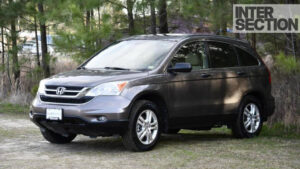
For buyers prioritizing longevity and minimal mechanical headaches, the 2nd and 3rd Generation Honda CR-Vs stand out as a highly recommended collection. These model years consistently earn praise from mechanics and owners alike for their robust engineering and straightforward design, making them exceptionally durable long-term investments. They are a popular choice for those seeking a vehicle that routinely exceeds 200,000 miles with proper maintenance.
The 2nd Generation (2002-2006) CR-Vs are particularly renowned. Models equipped with the K24A1 i-VTEC engine are often cited as bulletproof; a 2005 Honda CR-V, for example, is frequently highlighted by independent mechanics as one of the most dependable vehicles ever produced. This engine is celebrated for its excellent fuel economy for its era (typically 20-23 MPG combined) and its simplicity, making maintenance requirements predictable and less costly. J.D. Power Vehicle Dependability Study (VDS) scores for these years typically show ‘Best’ or 5/5 ratings, underscoring their mechanical integrity.
Transitioning to the 3rd Generation (2007-2011), the CR-V maintained its formidable reputation for mechanical durability while offering a more refined ride quality and improved interior acoustics. A 2010 CR-V exemplifies a comfortable daily driver that easily serves for many years. While still highly reliable, some minor common issues began to emerge, such as AC condenser failures. However, these are generally manageable and do not detract significantly from the overall robust package. RepairPal data indicates that average repair costs for these generations are notably lower than the segment averages, reinforcing their value proposition for budget-conscious owners.
Typical maintenance expectations for these older models focus on preventative care: regular oil changes, transmission fluid flushes, timely spark plug replacements, and attention to suspension components as mileage accrues. Adhering to these simple practices significantly contributes to their renowned extended service life and sustained performance. These specific years are popular choices for used car buyers prioritizing pure reliability and a lower overall cost of ownership over cutting-edge technology, forming a must-know selection for dependability.
✅ Pros
- Exceptional Mechanical Reliability: Known for robust engines and transmissions.
- Lower Initial Purchase Cost: Significant depreciation has already occurred.
- Simple, Cost-Effective Maintenance: Fewer complex electronic systems.
- Proven Longevity: Many examples exceeding 200,000+ miles.
- Strong Resale Value (for condition): Desired by buyers seeking dependability.
❌ Cons
- Dated Technology: Lacks modern infotainment and safety features.
- Lower Fuel Economy: Compared to newer, more efficient models.
- Potential for Wear Items: Suspension, AC systems may require attention on high-mileage units.
- Less Refined Ride: Road noise and comfort not on par with newer generations.
- Limited Availability of Pristine Examples: Good condition models can be hard to find.

SECTION 3: Modern Excellence: Best Honda CR-V Years for Advanced Features and Efficiency (2015-2022)


For buyers seeking a more contemporary driving experience, blending advanced features, superior fuel efficiency, and cutting-edge safety, the later model years of the Honda CR-V present a compelling and highly recommended selection. These vehicles offer a significant leap in technology and refinement, providing a sophisticated package that aligns with modern expectations.
The 2015-2016 CR-V, representing the 4th Generation facelift, was a crucial turning point. Honda introduced its Earth Dreams Technology powertrain, paired with a new continuously variable transmission (CVT). This combination significantly boosted fuel economy, moving from prior generations’ 26-28 MPG combined to over 30 MPG combined for 2WD models (EPA estimated). Responsiveness also improved, making these models a more dynamic drive. This powertrain was a major leap forward in efficiency for the CR-V, setting new benchmarks for the segment.
The 5th Generation (2017-2022) CR-V elevated the experience further. It introduced the acclaimed 1.5L turbocharged engine (standard on EX and higher trims) which masterfully balances power and efficiency, delivering robust acceleration and impressive fuel economy figures (typically 30-32 MPG combined). Crucially, the Honda Sensing suite of advanced safety and driver-assist technologies became standard or widely available across most trims starting in 2017. A 2017 CR-V with its debut of Honda Sensing offered adaptive cruise control, lane-keeping assist, and collision mitigation braking – features that earned these models IIHS Top Safety Pick+ awards, an essential consideration for family buyers.
Advancements extended to the cabin, with improved infotainment systems featuring larger touchscreens, Apple CarPlay, Android Auto integration, and more premium interior materials. Interior comfort features like power-adjustable seats, dual-zone climate control, and enhanced sound deadening elevate the driving experience in these newer model years. The introduction of the 2020 CR-V Hybrid further showcased Honda’s commitment to electrified powertrains, offering superior urban fuel economy, often exceeding 35 MPG combined.
While the early 1.5L turbo engines (2017-2019) did experience some initial concerns regarding oil dilution, particularly in cold climates and during short-trip driving, Honda actively addressed the issue through software updates and extended warranties. Post-mitigation, and particularly for 2020-2022 models, the 1.5T engine maintains a strong overall reliability track record, with the benefits of its efficiency and performance largely outweighing these early concerns. This curated selection of modern CR-Vs provides a highly capable and feature-rich option for today’s drivers.
By The Numbers: 5th Gen CR-V (2017-2022)
Combined (1.5T FWD)
Combined (Hybrid Models)
IIHS Rating (Many Years)
Standard on EX+ Trims
SECTION 4: Identifying Value: Strong Contender CR-V Years for Budget-Conscious Buyers (2012-2014 & Select Earlier Models)
For prospective buyers balancing affordability with proven reliability and practical features, certain Honda CR-V model years represent an exceptional value proposition in the used market. These models have largely completed their significant depreciation curve, yet still offer a substantial amount of operational life and a highly dependable ownership experience. They are popular choices for those who seek maximum utility without the premium price tag of newer vehicles, making them must-know options for affordability.
The 2012-2014 CR-V (early 4th Generation) stands out as a robust option. These years feature a 2.4L i-VTEC engine paired with a conventional 5-speed automatic transmission, preceding the widespread integration of the CVT that would come with the 2015 facelift. This powertrain is known for its excellent durability and good fuel efficiency for its class (typically 24-27 MPG combined). With respectable interior space and a solid reputation for dependability, a 2013 CR-V LX, for instance, represents a well-equipped, practical family vehicle that can be acquired for a compelling price. Kelley Blue Book (KBB) and Edmunds market values show these years often fall into an attractive price bracket, making them strong contenders.
Furthermore, select late 3rd Generation models (e.g., 2009-2011) continue to be compelling value propositions. These vehicles offer the same proven mechanicals as their earlier 3rd-gen counterparts, including the reliable 2.4L engine and 5-speed automatic, but often at significantly reduced prices. A 2009 CR-V EX-L, for example, could offer luxury features from its era—like leather seats and a sunroof—at a remarkably budget-friendly cost. Consumer satisfaction scores for these models remain high, reflecting their enduring quality and utility.
The typical depreciation curve for the CR-V often sees the steepest decline in the first few years. These specific model years have generally reached a sweet spot where major depreciation has already occurred, yet they retain significant operational life. When considering these value-oriented models, it is essential to conduct thorough inspections. Pay particular attention to suspension components (shocks, bushings), common wear items like brakes and tires, and always check for comprehensive service records. A vehicle with a well-documented maintenance history, even if older, often proves more reliable than a newer model with a neglected past. This proactive approach ensures continued reliability and maximizes your investment in a CR-V from this curated selection of value-driven years.
When inspecting 2009-2014 CR-Vs, specifically check for rust, especially in salt-belt states. Also, ensure the power steering pump (older generations) and AC system are functioning correctly, as these can be common points of wear. A comprehensive Pre-Purchase Inspection (PPI) is non-negotiable.
SECTION 5: Navigating Potential Pitfalls: Honda CR-V Model Years to Research Carefully
While the Honda CR-V generally boasts an enviable record for reliability, prospective buyers must exercise due diligence and be aware of specific model years or generations that have had documented issues. This essential scrutiny enables informed decisions and helps avoid potential future headaches, ensuring a positive ownership experience with your popular compact SUV.
For the 2015-2016 model years, representing the 4th Generation facelift, some owners reported concerns regarding the Continuously Variable Transmission (CVT). While many operate flawlessly, there were owner complaints about experiencing shudder or premature wear, particularly under acceleration or when cold. This is not universal but significant enough to warrant careful consideration. Thorough pre-purchase inspections of the transmission, including a test drive to assess smooth operation and listening for any unusual noises, are highly recommended for these specific years. Check service records for any CVT fluid changes, as proper maintenance is crucial.
A more prominent concern arose with the 2017-2019 1.5L turbocharged engine, which experienced oil dilution issues. This problem, exacerbated in cold climates or during short-trip driving, involved gasoline mixing with engine oil, potentially leading to premature engine wear. Honda acknowledged the issue and implemented remedies, including software updates and, in some cases, extended warranties on specific engine components. Owner forums, such as those detailing experiences with 2017 CR-V oil dilution, provide extensive information. If considering a CR-V from these years, verify that all applicable Honda technical service bulletins (TSBs) and recalls (referencing NHTSA recall numbers) related to this issue have been performed. Later models (2020+) generally saw these issues mitigated.
Older generations also have recurring, though generally manageable, issues. AC compressor and condenser failures were relatively common in the 3rd and early 4th generation CR-Vs. While not catastrophic, these repairs can be moderately expensive, typically ranging from $800 to $1,500 depending on the components replaced. Early 2nd generation models occasionally reported power steering pump issues, which could manifest as groaning noises or reduced assist. While these issues are well-documented and repair costs are generally understood, they represent points of scrutiny during inspection.
To navigate these potential pitfalls, always consult public databases. Check NHTSA complaint databases for specific model years, review Honda TSBs, and crucially, consult with reputable independent mechanics who are familiar with CR-V commonalities. Their hands-on experience can quickly identify red flags that might be missed by an untrained eye. A curated approach to research can save significant time and money in the long run.
If considering a 2017-2019 CR-V with the 1.5L turbocharged engine, it is absolutely critical to verify that all Honda factory software updates and any applicable recalls or extended warranty repairs related to oil dilution have been performed. Request service records specifically addressing this issue. Failure to do so could lead to long-term engine reliability concerns.
SECTION 6: Critical Factors for Selecting Your Ideal Honda CR-V Year
Choosing the “best” Honda CR-V year is ultimately a personal decision, shaped by individual needs, budget, and priorities. To ensure a tailored and satisfactory purchasing decision, a comprehensive framework for evaluation is essential. This guidance will help you navigate the diverse selection of CR-V model years with confidence.
📋
Step-by-Step Guide to CR-V Selection
Assess your primary drivers: Is it budget, reliability, advanced safety features (like Honda Sensing), fuel efficiency, or cargo space? For example, a buyer prioritizing low running costs might opt for a well-maintained 2010 CR-V, while one focused on active safety targets a 2017+ model.
A meticulously maintained older model will almost always outperform a newer one with a neglected past. This documentation is paramount for understanding a vehicle’s health and influencing its long-term reliability. Ask for all service records and verify them.
Regardless of the vehicle’s year, mileage, or perceived condition, a trusted, independent mechanic must perform a PPI. This external evaluation can uncover latent mechanical or structural issues that are not immediately apparent, saving you from costly surprises. This step is non-negotiable.
Climate (e.g., impact of cold on 1.5T oil dilution, rust in salt-belt states) and local market availability can influence your practical choice. Also, understand the differences in trim levels (LX, EX, EX-L, Touring) across generations, as they significantly impact standard features, comfort, and potential resale value. A higher trim older model might offer more features than a base model newer one at a similar price.
The Honda CR-V’s consistent value retention across various years is a testament to its quality. However, the correlation between regular, documented maintenance and vehicle lifespan is irrefutable. By meticulously following these steps, you can confidently select a CR-V that not only meets your current needs but also provides years of reliable service.
In summary, whether you prioritize the bulletproof reliability of an early 2000s model or the advanced technological suite of a contemporary CR-V, an informed and diligent approach will lead to the most satisfying outcome. This curated knowledge ensures you acquire a Honda CR-V that truly fits your lifestyle.
Early 2000s CR-Vs (2002-2011) represent the pinnacle of mechanical reliability and low ownership costs. Mid-2010s to present CR-Vs (2015-2022) excel in modern features, fuel efficiency, and advanced safety technologies. Thorough pre-purchase inspection and service history are paramount for any used CR-V, irrespective of the model year. Utilize this expert blueprint to carefully evaluate CR-V model years against your specific needs and priorities, ensuring a confident and satisfying vehicle acquisition. Consult with a certified technician before finalizing your purchase.
Frequently Asked Questions
Which Honda CR-V years are most prone to rust?
Older first-generation CR-Vs (1997-2001) are more susceptible to rust, particularly in salt-belt regions. Subsequent generations improved corrosion protection significantly. While not a widespread issue for newer models, it’s always prudent to inspect the undercarriage and wheel wells, especially for vehicles that have seen harsh winter conditions, regardless of the specific year. This is a must-know area for older models.
Are CR-Vs with CVT transmissions reliable?
Honda’s CVT technology has evolved, with later iterations demonstrating strong reliability. Early implementations, particularly in some 2015-2016 models, did receive scattered reports of shudder or minor issues. Generally, if properly maintained with regular fluid changes, Honda CVTs are considered durable. Newer CR-Vs (2017 onwards) with CVT have a largely positive track record for their efficiency and smooth operation, making them popular choices.
What is the best mileage to buy a used Honda CR-V?
The ideal mileage for a used Honda CR-V balances remaining lifespan with purchase price. Models between 60,000 to 100,000 miles often offer a good value proposition, having depreciated significantly but still possessing substantial mechanical integrity, especially with a documented service history. CR-Vs are known for exceeding 200,000-250,000 miles, so even higher mileage examples can be strong contenders if well-maintained.
Do Honda CR-Vs hold their value well?
Yes, Honda CR-Vs are renowned for their exceptional resale value. Their reputation for reliability, fuel efficiency, and practicality ensures strong demand in the used car market. This high value retention makes them an attractive long-term investment. Specific years, particularly those ranked highly for dependability, often command premium prices on the secondary market compared to competitors in their segment.
Are there specific years of CR-V to avoid due to engine problems?
While the CR-V generally boasts robust powertrains, the 2017-2019 1.5L turbocharged engine initially faced oil dilution concerns, especially in colder climates or with short-trip driving. Honda issued remedies and extended warranties, mitigating the issue for most. This is an essential consideration for buyers of these specific years. Otherwise, major widespread engine problems are rare across the CR-V’s generations, a testament to its curated engineering.