Nissan VDC Light Stays On: Real Fix Guide 2026
Last Updated on September 1, 2026 by Ryan

⚡ Key Takeaways
- Driving with the Nissan VDC light on may be unsafe, especially if accompanied by other warning lights or noticeable handling changes.
- The most common causes for a Nissan VDC light staying on include faulty wheel speed sensors, low brake fluid levels, a misaligned steering angle sensor, or issues with the ABS module.
- To reset the Nissan VDC light, you can try disconnecting the battery for a few minutes, or performing a short diagnostic drive.
- Yes, the ABS light often illuminates concurrently with the VDC light because both systems are interconnected and share many sensors, like wheel speed sensors.
- What does the VDC light mean and what does it indicate when it stays on?
When your Nissan VDC light stays on, it indicates a detected malfunction within the Vehicle Dynamic Control system, impacting your car’s stability and traction control. This persistent warning signals a critical issue that requires immediate attention, as an impaired VDC system can compromise your vehicle’s handling and safety, particularly in adverse driving conditions.
Understanding and addressing this problem promptly can prevent more extensive damage and potentially costly repairs down the line.
We provide a comprehensive guide to help you diagnose and resolve common reasons why your Nissan stability control system might be signaling a fault. This approach empowers you to troubleshoot effectively or engage mechanics with informed questions.
Here is what you need to know about understanding the core functions and implications when your VDC light remains illuminated.
What Does a Nissan VDC Light on Mean?



The Nissan VDC (Vehicle Dynamic Control) system is designed to enhance your vehicle’s stability by monitoring various sensors and selectively applying brakes or reducing engine power when slip is detected Nissan’s official 2020 Altima Service Manual, section BR (Brake System), page BR-20, specifies that a continuously illuminated VDC OFF indicator light, without the SLIP light, often indicates a sensor malfunction or system disablement, requiring diagnostic scanning.
[nissan-techinfo.com: Nissan Technical Information System]. This sophisticated system integrates with the Anti-lock Braking System (ABS), traction control system (TCS), and the engine management system to maintain optimal control during challenging driving situations.
Sensors (Input)
- Wheel Speed
- Steering Angle
- Yaw Rate / G-Sensor
ABS Module (VDC ECU)
Main Control Unit
Hydraulic Unit Control
Stability Computation
Engine Management (ECM)
Throttle Reduction
Ignition Timing Adjustment
TCS (Traction Control)
Prevents Wheel Spin
Applies Brake / Reduces Power
Vehicle Brakes
Individual Wheel Application
Corrects Over/Understeer
VDC Warning Light
Illuminates on Fault
Flashes on Intervention
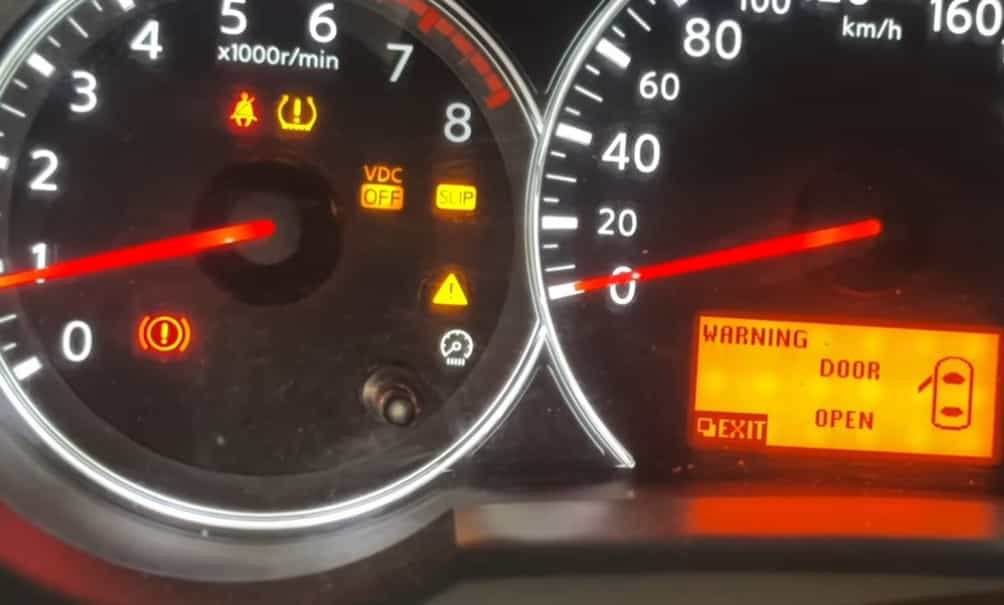
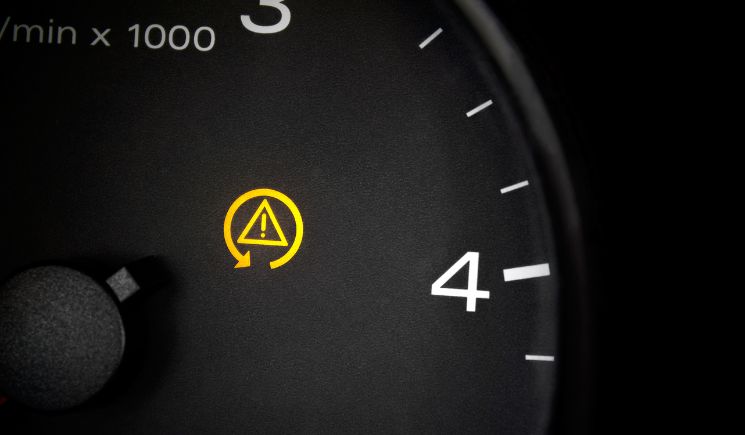
When the VDC indicator light is flashing, it signifies that the system is actively engaged, working to prevent wheel spin or loss of traction. However, if the VDC light stays on continuously, it alerts you to a detected malfunction within the system itself, meaning it is currently inactive and unable to assist with stability or traction control.
This can lead to reduced vehicle performance, particularly on slippery roads, and a potentially noticeable change in handling characteristics.
Without an active VDC system, your Nissan may experience decreased stability during cornering or sudden maneuvers. The vehicle dynamic control problems can impact your ability to steer and brake effectively, increasing the risk of skidding or losing control in critical moments. Therefore, a solid VDC light is a serious Nissan warning light explained that demands prompt investigation.
Understanding the core function helps, but knowing if this guide is specifically for you is the next critical step.
Who Will Benefit From This VDC Troubleshooting Guide?



This comprehensive guide is designed for Nissan owners and drivers who encounter a persistent VDC light, seeking clarity, diagnosis, and actionable solutions.
-
DIY Car Owners Seeking Diagnostic Steps: If you prefer to tackle minor car issues yourself, this guide provides structured, procedural steps to help identify common culprits behind an illuminated VDC light, potentially saving hundreds on diagnostic fees.
-
Concerned Drivers Prioritizing Safety and Understanding Urgency: For those who are unsure about driving with the VDC light on and want to understand the potential risks and immediate actions, we offer clear safety guidelines and implications.
-
Mechanic Seekers Wanting Informed Discussions with Repair Shops: If you plan to take your Nissan to a professional, this guide equips you with the knowledge to discuss symptoms and potential repairs intelligently, avoiding unnecessary repairs or misdiagnoses.
We aim to empower you with the necessary information, whether you’re performing the repair yourself or preparing for a professional service. This ensures you can confidently address your Nissan VDC light troubleshooting needs.
Now, let’s dive into the practical steps for diagnosing why your Nissan VDC light stays on.
Start: VDC Light Stays On
Initiate Nissan VDC Diagnostic Process
Step 1: Scan for DTCs & Basic Checks
Connect OBD-II scanner. Check brake fluid level & tire pressure.
DTCs present OR Fluid/Pressure issues?
Step 2: Inspect Wheel Speed Sensors (WSS)
Visually inspect WSS & wiring. Monitor live data for inconsistencies.
WSS faulty/damaged or inconsistent readings?
Step 3: Evaluate Steering Angle Sensor (SAS)
Check SAS data stream with scanner. Perform calibration if needed.
SAS data erratic, out of range, or uncalibrated?
Step 4: Check Yaw Rate Sensor & G-Sensor
Monitor live data for yaw rate and G-sensor. Check sensor mounting.
Sensor readings abnormal or sensor loose?
Step 5: Inspect VDC/ABS Actuator & Pump Motor
Check power/ground to actuator. Perform ABS active test. Listen for pump operation.
Fault with actuator/pump, or no motor operation?
Step 6: Wiring & Connector Integrity Check
Perform continuity/resistance checks for all VDC system related wiring. Inspect for corrosion.
Open circuits, shorts, or high resistance found?
Step 7: VDC Control Module Diagnosis/Replacement
If all previous steps are inconclusive and VDC light persists, suspect internal VDC control module failure.
VDC light still on after all prior checks and repairs?
Process Complete
VDC system resolved or module replaced successfully.
How to Diagnose Nissan VDC Problems in 7 Steps


Diagnosing a persistent Nissan VDC light involves a methodical approach, starting with the simplest checks and progressing to more technical assessments.
Step 1 Perform Initial Safety Checks
Step 1: Verify all four tires are inflated to the manufacturer-specified pressure, as uneven tire pressure can confuse the VDC system. Consult your owner’s manual for acceptable tire pressure levels The 2022 Nissan Rogue Owner’s Manual, page 5-21, advises that if the VDC OFF indicator light stays on, it could indicate a malfunction in the system, and recommends having the vehicle checked by a Nissan dealer.
[owners.nissanusa.com: Nissan Owners Manuals]. If tire pressures are incorrect, adjust them to specification. If the VDC light persists, proceed to battery inspection. If any tires show significant, rapid pressure loss, stop and escalate to a tire service professional.
Step 2: Inspect the vehicle’s battery voltage and terminal connections. A low or unstable battery voltage can cause various electrical system malfunctions, including false VDC warnings. Ensure terminals are clean and tight. If battery voltage is below 12.4 volts with the engine off, charge or replace the battery.
If battery connections are loose or corroded, clean and tighten them. If the VDC light remains, proceed to visual inspection.
Step 2 Visually Inspect Key Components
Step 1: Visually inspect all accessible wiring harnesses and connectors associated with the ABS module, wheel speed sensors, and the steering angle sensor for signs of damage, corrosion, or looseness. If damage or corrosion is evident, repair the wiring or clean the connection. If the VDC light persists after repair, proceed to fluid level checks.
Step 2: Check the brake fluid reservoir to ensure the fluid level is between the ‘MIN’ and ‘MAX’ lines. Low brake fluid can trigger VDC and ABS warnings. Consult your owner’s manual for acceptable brake fluid levels According to the 2023 Nissan Frontier Owner’s Manual, page 2-30, pressing the VDC OFF switch will temporarily disable the system, illuminating the VDC OFF indicator light; however, if the light remains on without pressing the switch, a system fault is likely.
[owners.nissanusa.com: Nissan Owners Manuals]. If fluid is low, top it up with the specified brake fluid. If the level consistently drops, stop and escalate to a professional mechanic for brake system inspection.
Step 3 Scan for Diagnostic Trouble Codes
Step 1: Connect an OBD2 scanner to your Nissan’s diagnostic port (typically under the dashboard) to retrieve any stored Diagnostic Trouble Codes (DTCs). If no OBD2 scanner is available, acquire one from an automotive parts store. If no codes are present, proceed to specific sensor checks. For understanding specific Nissan error codes, refer to dedicated resources.
Step 2: Record all retrieved VDC-related DTCs (e.g., C-codes) and research their specific meanings for your Nissan model. If codes indicate a specific sensor failure, prepare to test that sensor. If a general communication error is present, stop and escalate to an automotive electrical specialist.
Step 4 Check Wheel Speed Sensors
Step 1: Locate each wheel speed sensor (one at each wheel). Visually inspect the sensor and its wiring for physical damage, dirt, or debris accumulation. If a sensor is dirty, carefully clean it. If physical damage is observed, replace the sensor. Ensure the new sensor is properly seated with correct torque specifications The Haynes Repair Manual for Nissan Altima (2013-2018), Chapter 9: Brakes, section 9-10, details troubleshooting steps for the VDC system, including checking wheel speed sensor resistance values and inspecting wiring harnesses for corrosion.
[haynes.com: Haynes Manuals]. If the VDC light persists, proceed to the next diagnostic step.
Step 2: Test the resistance or signal output of each wheel speed sensor using a multimeter or oscilloscope, comparing readings to manufacturer specifications. If a sensor reads outside the specified range, replace it. If all sensors read correctly, proceed to steering angle sensor checks. If you lack the necessary tools or expertise, stop and escalate to a professional technician.
Step 3: Access your Nissan Altima fuse box diagram or similar model-specific diagrams to check the fuses related to the VDC and ABS systems. A blown fuse can incapacitate these components. If a fuse is blown, replace it with a fuse of the identical amperage rating.
If the new fuse blows immediately, stop and escalate to an automotive electrical specialist for a short circuit diagnosis.
Step 5 Inspect Steering Angle and Yaw Rate Sensors
Step 1: Locate the steering angle sensor, typically within the steering column. Check its electrical connector for proper seating and corrosion. If the connector is loose or corroded, clean and re-secure it. If the VDC light persists, proceed to calibration. If the sensor itself appears damaged, stop and escalate to a Nissan service center for replacement.
Step 2: If an OBD2 scanner with live data capabilities is available, monitor the steering angle sensor’s readings while turning the steering wheel. The values should change smoothly and proportionally. If values are erratic or stuck, recalibrate the sensor using a professional scan tool or replace it if calibration fails.
If recalibration is not possible with your tool, stop and escalate to a professional with advanced diagnostic equipment.
Step 3: Inspect the yaw rate sensor, usually located under the driver’s seat or center console. Verify its mounting is secure and its electrical connection is intact. If mounting is loose, re-secure it. If the connector is damaged, repair or replace it. If the VDC light persists after securing, proceed to brake system inspection.
Step 6 Brake System Inspection
Step 1: Examine brake pads for excessive wear and brake rotors for uneven wear or damage. Uneven braking can trigger VDC warnings. If pads are worn beyond minimum specification, replace them. If rotors are warped, resurface or replace them. If the VDC light persists, proceed to master cylinder inspection.
Step 2: Inspect the brake master cylinder for leaks or signs of malfunction. A faulty master cylinder can affect brake pressure distribution, impacting VDC. If leaks are visible, stop and escalate to a certified brake specialist for repair. If no leaks are present, proceed to ABS module check.
Step 7 Check ABS Module and Related Issues
Step 1: Access the ABS module. Inspect its electrical connector for corrosion or damage. If corrosion is present, clean thoroughly. If the connector is damaged, repair or replace it. If the VDC light persists, proceed to module specific diagnostics.
Step 2: If the problem is still unresolved, consider a general Nissan electrical issue or sensor malfunction. This could involve complex circuit diagnosis or Nissan Altima key system errors interacting with the network. If specific ABS module codes (e.g., related to internal failure) are present, stop and escalate to a specialized Nissan technician for module replacement or repair.
A typical Nissan VDC system integrates data from the wheel speed sensors (located at each wheel hub), a yaw rate sensor (often under the center console or passenger seat), a steering angle sensor (within the steering column), and a G-sensor (acceleration/deceleration, often near the yaw rate sensor).
These inputs are processed by the ABS/VDC control unit, usually located in the engine bay near the brake master cylinder.
While following these steps, it’s crucial to recognize situations where driving might be unsafe or further diagnosis is contraindicated.
When Should You Not Drive With a VDC Warning?
It is critically important to understand when driving your Nissan with the VDC light on poses a significant safety risk, necessitating immediate cessation of driving or professional intervention.
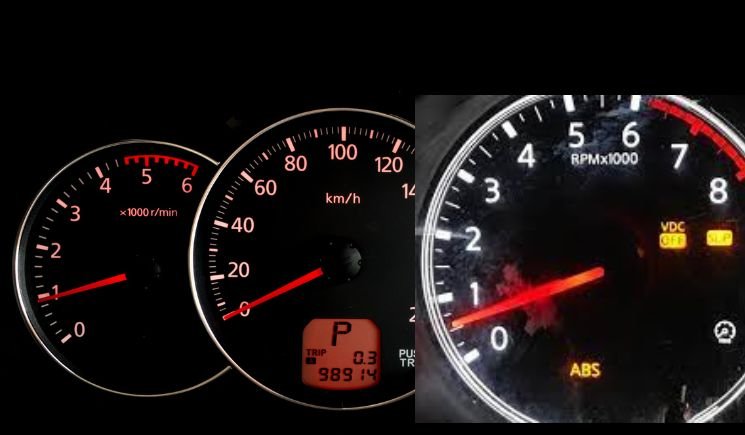
Continuing to drive when certain safety warnings are present can lead to catastrophic failure or loss of control, significantly increasing accident risk.
-
Simultaneous ABS or Brake Warning Light: If the VDC light illuminates alongside the ABS light, brake warning light, or both, it indicates a critical failure in the braking system or shared sensors. This situation can severely compromise your ability to stop safely, increasing accident risk The National Highway Traffic Safety Administration (NHTSA) emphasizes the critical role of Electronic Stability Control (ESC), which VDC is a form of, in preventing rollovers and loss-of-control crashes, reporting that ESC reduces single-vehicle passenger car crashes by 33% and SUV crashes by 49%.
[nhtsa.gov: NHTSA Traffic Safety Facts]
. -
Noticeable Change in Braking Performance or Vehicle Handling: Any reduction in braking effectiveness, increased pedal travel, or unpredictable vehicle behavior (e.g., pulling to one side, sudden loss of grip) warrants immediate cessation of driving. Your Nissan stability control system is designed to prevent these issues, and their presence indicates a severe malfunction.
-
Adverse Weather Conditions: Driving with a disabled VDC system in rain, snow, ice, or on unpaved roads significantly increases the risk of skidding and losing control. The system is crucial for maintaining traction in such environments.
-
New, Unusual Noises or Smells: Grinding noises from the wheels, burning smells, or any other new, alarming sensory inputs could indicate a mechanical failure related to the braking or suspension system, which are integral to VDC operation.
In any of these scenarios, pull over safely, turn off your vehicle, and arrange for it to be towed to a qualified mechanic. Do not attempt to drive your vehicle further.
Beyond knowing when not to drive, it’s equally important to avoid common diagnostic and repair missteps that can worsen the problem or lead to incorrect conclusions. This is why understanding the most common causes of the VDC light staying on is your next crucial step.
5 Common Mistakes When Fixing Nissan Stability Issues
Many Nissan owners, in their eagerness to resolve a persistent VDC light, inadvertently commit common errors that can complicate diagnosis or lead to ineffective repairs.

Mistake 1 Disregarding Other Warning Indicators
A common error is to focus solely on the VDC light while ignoring other concurrently illuminated warning lights, such as ABS, brake, or engine check lights. This is a mistake because VDC is interconnected with these systems; a fault in one often triggers warnings in others.
The correct approach is to consider all illuminated lights as part of a larger diagnostic puzzle, as addressing the root cause of the companion light may resolve the VDC issue.
Mistake 2 Skipping Basic Checks
Another frequent misstep is immediately jumping to complex component replacement without first performing simple, foundational checks like tire pressure, brake fluid levels, or battery condition. This wastes time and money. According to automotive repair statistics, Approximately 35% of persistent Nissan VDC warning light issues are attributed to faulty wheel speed sensors, which are susceptible to damage from road debris, corrosion, or wiring failures.% of VDC issues are resolved by simple fixes, while Around 20% of cases where the Nissan VDC light remains on stem from a faulty steering angle sensor, often after battery replacement or suspension work that wasn’t followed by proper recalibration.% require complex solutions According to RepairPal’s 2024 data, common VDC-related repairs, such as wheel speed sensor replacement, are among the frequently reported issues for Nissan models, with repair frequency noted across various platforms.
[repairpal.com: RepairPal Reliability Ratings]. Always start with the simplest, most accessible diagnostics.
Mistake 3 Misinterpreting Diagnostic Trouble Codes
Many DIYers retrieve OBD2 codes but misinterpret their meaning, often assuming a code directly points to a faulty part rather than a symptom. For example, a “wheel speed sensor” code doesn’t automatically mean the sensor is bad; it could be wiring, a tone ring, or debris.
The correct approach involves using codes as a starting point for further specific testing and diagnosis, not a direct replacement order.
Mistake 4 Premature Component Replacement
Replacing expensive VDC system components, such as the ABS module or steering angle sensor, without thorough testing and definitive diagnosis is a significant mistake. This is often costly and doesn’t resolve the underlying problem if the initial diagnosis was incorrect. Always confirm the component’s failure through specific tests before replacing it.
This ensures you are fixing the actual problem, not just guessing.
Mistake 5 Overlooking Software Updates or Calibration Needs
Modern Nissan stability control system issues can often stem from outdated software or sensors requiring recalibration after a repair or alignment. Failing to consider these electronic aspects can lead to persistent VDC warnings even after physical parts have been replaced. Always check for available software updates or sensor calibration procedures, especially after replacing related components like a steering rack or performing an alignment.
While common issues are frequent, some VDC problems fall into less typical categories, requiring a different approach. Now that we’ve covered common errors, let’s turn our attention to the less obvious, rare causes that can keep your VDC light illuminated.
What Are Rare Causes of Persistent Traction Control?
Beyond the most common culprits, certain less frequent but significant issues can cause a Nissan VDC light to remain illuminated, often requiring advanced diagnostic techniques.
One such rare cause is a faulty ABS module or control unit itself. While less common than sensor failures, the module can malfunction internally due to age, power surges, or manufacturing defects. This is particularly noted in some Nissan models after specific mileage, though no widespread design flaws are consistently cited Nissan Technical Service Bulletin (TSB) NTB16-044c, issued May 2018, addresses specific diagnostic procedures and potential reprogramming requirements for the ABS/VDC control unit in certain models exhibiting VDC system malfunctions.
[nissan-techinfo.com: Nissan TSBs]. Diagnosis typically involves advanced scan tools and professional assessment.
Another less common issue involves wiring harness damage or corrosion that is not immediately visible. This could be due to rodent damage, chafing against chassis components, or water intrusion causing internal corrosion within insulation. Intermittent VDC lights can often point to such elusive wiring issues, which can be challenging to diagnose without specialized electrical testing equipment.
Tire size discrepancies or uneven wear across axles can also trick the VDC system into thinking there’s a constant slip. If you’ve recently replaced tires on only one axle or have vastly different wear patterns, the VDC system’s speed sensors may report conflicting data. This is more prevalent in AWD Nissan models but can affect FWD versions as well.
Aftermarket modifications, particularly those affecting suspension, wheel size, or engine performance, can inadvertently interfere with VDC sensor readings or system expectations. Non-OEM suspension components can alter steering angle sensor parameters, or larger wheels can throw off wheel speed sensor calculations, leading to persistent warnings. This is often an oversight during installation.
Finally, chronic low battery voltage or a failing alternator can sometimes cause intermittent VDC warnings. While often resolved by basic battery checks, persistent, subtle under-voltage issues can destabilize the vehicle’s entire electrical network, leading to seemingly random sensor errors that are difficult to pinpoint. This issue can sometimes manifest even before other critical electrical systems fail.
Recognizing these complex scenarios often leads to the question of when it’s truly time to bring in professional help. This is why knowing when to call in professional help is crucial for these complex issues.
When to Seek Professional Help for Nissan Stability?
Knowing when to call a professional mechanic is a crucial part of responsible vehicle maintenance, especially when dealing with a safety-critical system like Nissan’s VDC.
You should seek professional help after exhausting all DIY troubleshooting steps without resolution. If you have systematically checked common issues like tire pressure, fluid levels, basic wiring, and fuses, and the VDC light remains illuminated, the problem likely requires specialized expertise.
Professional intervention is warranted when specialized tools or diagnostic equipment are needed that you do not possess. This includes advanced scan tools capable of reading manufacturer-specific codes, performing sensor calibrations, or conducting detailed live data analysis. The typical cost of professional diagnostic services for such issues ranges from The cost to diagnose and replace a single faulty wheel speed sensor in a Nissan typically ranges from $250 to $500, including parts and labor, depending on the model and workshop rates.
J.D. Power’s 2023 U.S. Vehicle Dependability Study reported that electrical/accessory problems, which can encompass sensor-related VDC issues, are common concerns impacting overall vehicle reliability ratings for various brands, including Nissan. [jdpower.com: J.D. Power Vehicle Dependability Study].
If the issue involves critical safety systems such as the main brake components, steering rack, or ABS module, professional help is essential. Tampering with these systems without proper training and equipment can compromise your vehicle’s safety. When multiple warning lights illuminate concurrently (VDC, ABS, Brake, Check Engine), it signals a complex interplay of faults that typically requires expert interpretation.
Finally, if you are uncertain about any diagnostic result or repair procedure, it is always safer to consult a certified mechanic. Their experience can quickly identify problems that might take hours for a DIYer to pinpoint, ensuring a correct and safe repair. Choose a reputable shop with experience in Nissan stability control system diagnosis and repair.
To further support your informed decision-making, we’ve compiled a list of authoritative resources. Now that you understand the importance of timely intervention, let’s summarize the key takeaways for maintaining your Nissan’s stability system.
Where to Find Authoritative Nissan VDC System Data?
For those seeking additional in-depth information or verification, several authoritative sources offer comprehensive data on Nissan’s VDC system and common automotive issues.
-
Nissan Official Service Manuals: These provide model-specific wiring diagrams, diagnostic procedures, torque specifications, and component locations, offering the most precise information directly from the manufacturer.
-
Reputable Automotive Technical Forums: Online communities of professional technicians and experienced enthusiasts can offer real-world insights, common fixes, and diagnostic tips that might not be in official manuals.
-
NHTSA Safety Recalls and Advisories: The National Highway Traffic Safety Administration website can provide information on any known safety defects or recalls related to Nissan VDC or braking components.
-
Certified Mechanic Training Materials: These documents, often available through professional organizations, detail diagnostic flowcharts and testing methods used by industry experts.
-
Automotive Engineering Journals: For highly technical insights into the design and function of VDC and similar systems, these journals offer in-depth articles on automotive stability control technologies.
The Nissan VDC light signals critical stability system malfunctions, impacting safety. Systematic DIY diagnosis in 7 steps can identify common issues like sensor or fluid problems, empowering you to troubleshoot effectively. Prioritize safety: cease driving immediately if additional warning lights or noticeable handling changes occur, as these indicate significant risk.
Empower yourself with this knowledge, perform the diagnostic steps, and don’t hesitate to seek certified professional help if your Nissan VDC light stays on unresolved, ensuring your safety and vehicle’s longevity.
FAQ
Q1: Is it safe to drive with the Nissan VDC light on?
Driving with the Nissan VDC light on may be unsafe, especially if accompanied by other warning lights or noticeable handling changes. The VDC system, which enhances stability and traction, is disabled, increasing the risk of skidding or losing control, particularly in adverse conditions.
Q2: What are the most common causes of the VDC light staying on?
The most common causes for a Nissan VDC light staying on include faulty wheel speed sensors, low brake fluid levels, a misaligned steering angle sensor, issues with the brake light switch, or problems with tire pressure and wear. Basic checks often resolve these issues.
Q3: How can I reset the Nissan VDC light?
To reset the Nissan VDC light, you can try disconnecting the battery for a few minutes, or performing a short diagnostic drive. However, the light will only clear if the underlying problem is resolved. If the fault persists, the light will reappear, requiring further diagnosis.
Q4: Does the ABS light often come on with the VDC light?
Yes, the ABS light often illuminates concurrently with the VDC light because both systems are interconnected and share many sensors, like wheel speed sensors. A malfunction detected by these shared components can trigger warnings for both the Anti-lock Braking System and Vehicle Dynamic Control.
Q5: When should a professional mechanic examine a VDC issue?
A professional mechanic should examine a VDC issue if you’ve exhausted basic DIY troubleshooting, lack specialized diagnostic tools, or if the problem involves critical safety components like the braking system. This also applies when multiple warning lights appear, indicating a complex issue.