Toyota Tacoma Cruise Control Not Working Expert 2026
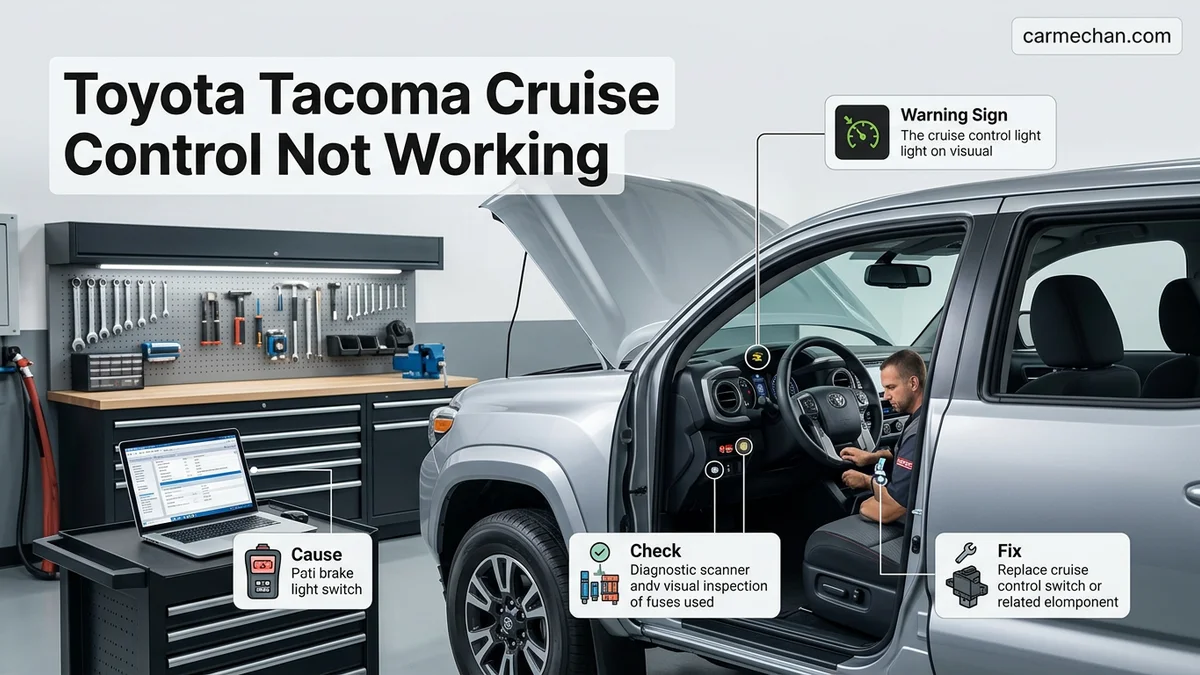
If your cruise control is inactive, the most likely culprit is a faulty brake light switch or a blown fuse. Always start by checking your brake lights, as a simple switch failure prevents the system from engaging to ensure road safety.


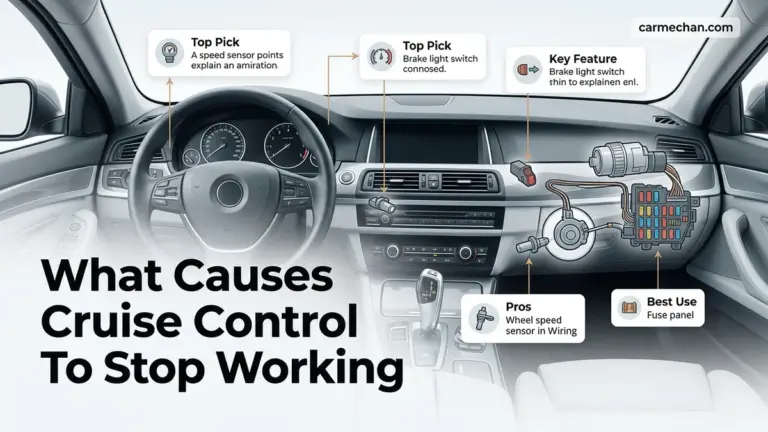
When your Toyota Tacoma cruise control stops engaging, the culprit is almost always a broken electrical circuit rather than a mechanical failure of the engine. In 2026, even the latest Tacoma models rely on a specific handshake between the brake pedal switch, the throttle position sensor, and the steering wheel interface. If any one of these signals drops, the ECU immediately disables the system as a safety precaution.
Fixing this is usually a matter of systematic isolation. You do not need to replace the entire cruise module. By checking the high-failure zones—specifically the brake light switch and the clock spring—you can often restore functionality in under an hour. Ignoring these faults creates unnecessary driver fatigue, especially on the long highway stretches that define the Tacoma ownership experience.
Key Takeaways
- Check your brake lights first; a bad brake switch is a common Tacoma cruise control failure point.
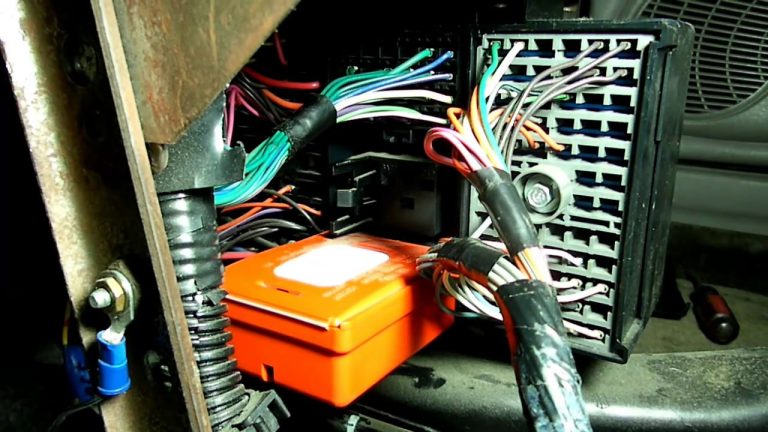
- Inspect the interior and engine bay fuse boxes for any blown cruise-related fuses.
- A malfunctioning spiral cable (clock spring) often prevents steering wheel buttons from communicating with the ECU.
- Ensure your tire size matches factory specifications, as oversized tires can confuse the cruise control logic.
- Consult a professional if airbag warning lights appear during your steering column inspection.
Common Reasons Why Your Toyota Tacoma Cruise Control Fails
The Brake Light Switch Interference
The most frequent cause for a dead cruise control system in a Tacoma is a faulty or misaligned brake pedal switch. The cruise control system is wired to disengage the moment it detects the slightest pressure on the brake pedal. If the switch plunger is sticking or the circuit remains “open” due to a degraded contact, the computer assumes you are actively braking and locks the cruise control out. You can verify this by checking if your brake lights stay on even when your foot is off the pedal.
Steering Column and Spiral Cable Degradation
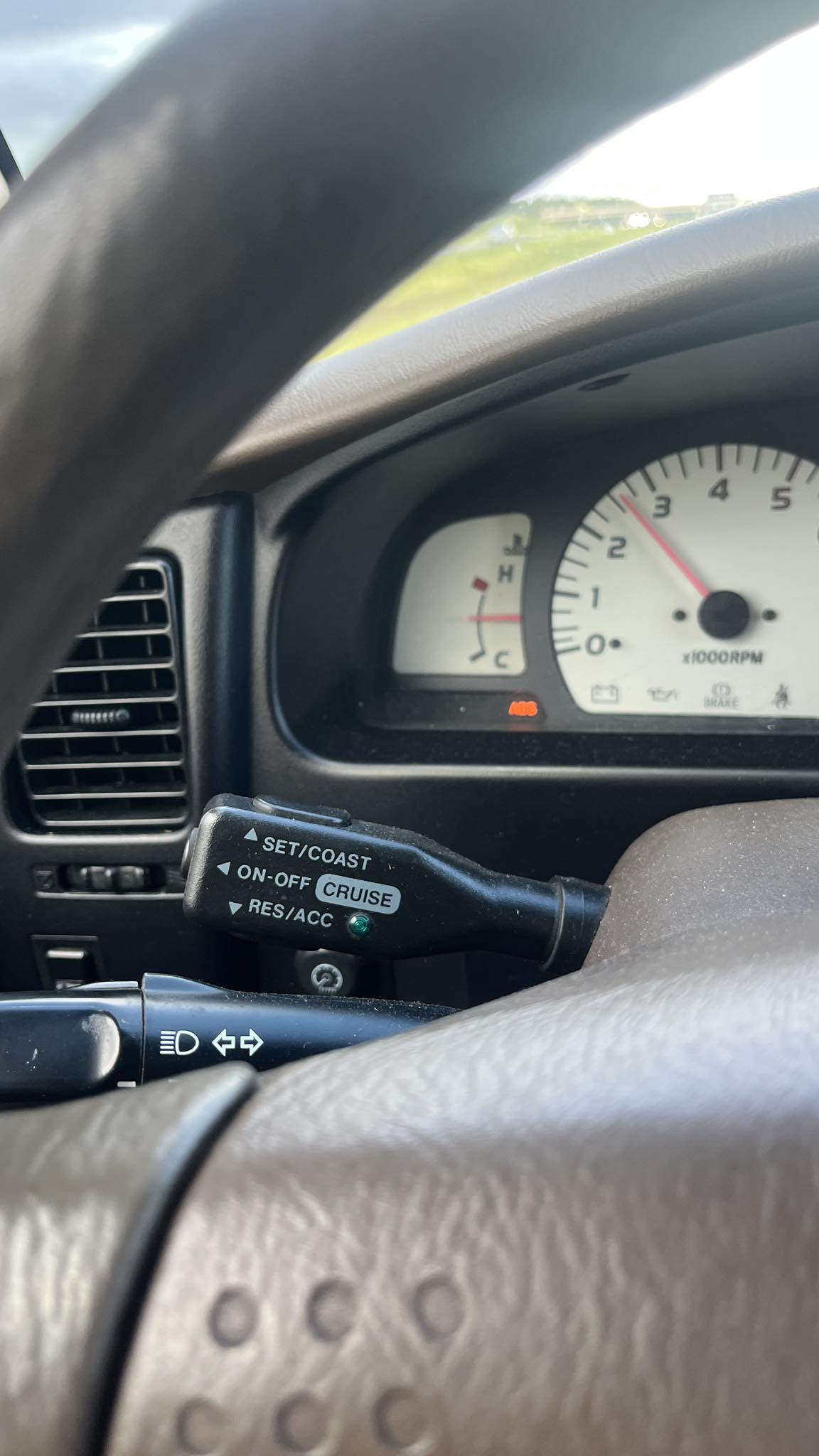
Because the Tacoma is built for rugged terrain, the steering column wiring takes a beating from constant vibration. The spiral cable, or “clock spring,” is the ribbon wire that allows electrical signals to travel from your steering wheel buttons to the steering column. Over time, these internal ribbons crack. When they fail, you will often notice that your cruise control buttons become unresponsive, sometimes accompanied by an illuminated airbag warning light on your dashboard.
- Brake Light Switch: Often fails due to heat fatigue or a loose mounting bracket.
- Spiral Cable: Signs include unresponsive cruise buttons and intermittent steering wheel audio control glitches.
- Vacuum Leak (Older Models): If your 2026 Tacoma experiences a major intake leak, the engine load may exceed parameters, forcing a cruise shutdown.
- Fuse #ECU-B: Always check the driver-side kick panel fuse box for a blown 10A fuse before pulling components apart.
Toyota Tacoma Cruise Control: What Causes It and How to Fix It
Few things are more frustrating on a long road trip than realizing your Tacoma’s cruise control has stopped responding. Whether you are dealing with a faulty brake switch, a blown fuse, or a connectivity issue, this guide will walk you through the diagnostic process to identify the root cause. Following these steps systematically will help you isolate the electrical or mechanical failure preventing the cruise control system from engaging, potentially saving you a costly trip to the dealership.
Step 1: Check the Cruise Control Fuse
What you need: Owner’s manual, fuse puller (usually located in the fuse box), and a flashlight.
Instructions: Before diving into complex wiring, start with the easiest point of failure: the electrical fuse. Locate your Tacoma’s interior fuse box, typically found under the driver-side dashboard or behind the coin tray. Consult your owner’s manual to identify the specific fuse labeled “CRUISE” or “ECU-IG.” Use the fuse puller to remove it and inspect the thin metal wire inside the transparent casing. If the wire is broken or charred, the fuse is blown. Replace it with a new fuse of the exact same amperage rating. If the fuse looks intact, go ahead and reinsert it, ensuring it clicks firmly into place.
Pro Tip: If the fuse blows again immediately after replacement, you have a short circuit in the wiring harness, which requires professional inspection rather than just a simple fuse swap.
Step 2: Inspect the Brake Light Switch
What you need: A helper to look at the rear lights or a reflective surface.
Instructions: The cruise control system is hardwired to disengage the moment it detects pressure on the brake pedal. If your brake light switch is faulty or stuck, the truck “thinks” you are braking even when you aren’t, preventing the cruise control from activating. Check your brake lights while parked; if they remain on even when you aren’t touching the pedal, your switch is faulty. Locate the brake switch near the top of the brake pedal arm under the dashboard. Check for loose wires or a loose mounting nut. If the switch is physically damaged or the button is stuck in the depressed position, it must be replaced.
Pro Tip: Sometimes, the rubber stopper on the brake pedal arm that hits the switch button deteriorates over time, causing the switch to never fully engage. Check the floorboard for small, round, brittle plastic debris.
Step 3: Analyze the Vacuum Lines and System
What you need: Visual inspection of the engine bay.
Instructions: For older Toyota Tacoma models (typically first and early second generations) that utilize an actual vacuum-actuated cruise control system, a disconnected or cracked vacuum line is a common culprit. Open the hood and locate the cruise control actuator, which is usually a small black canister with a cable running to the throttle body. Inspect the small rubber vacuum hoses attached to it for any signs of cracking, dry rot, or disconnection. If you see a split line, cut off the damaged end and reattach it, or replace the hose entirely with automotive-grade vacuum tubing. A leak in this line prevents the vacuum from holding the throttle in place.
Pro Tip: Use a spray bottle with soapy water on the vacuum lines while the engine is running; if you see bubbles forming, that indicates a vacuum leak that needs to be sealed.
Step 4: Test the Steering Wheel Switches
What you need: Multimeter (optional) and basic prying tools.
Instructions: The physical buttons on your steering wheel are common points of failure due to daily wear and debris accumulation. If the “Cruise” light on your dashboard doesn’t illuminate when you press the button, the switch itself may have failed. You can perform a continuity test if you are comfortable removing the steering wheel trim. Use a multimeter set to the continuity/ohms setting to check if the button sends a signal when pressed. If you don’t have a multimeter, check for any “mushy” buttons or buttons that do not “click” when pressed. Often, debris trapped under the rubber membrane can be cleaned with a small amount of electronics-grade contact cleaner.


Pro Tip: Avoid using excessive liquid cleaners directly on the buttons, as moisture can damage the sensitive clock spring assembly located behind the steering wheel.
Step 5: Inspect the Spiral Cable (Clock Spring)
What you need: Mechanic’s screwdriver set.
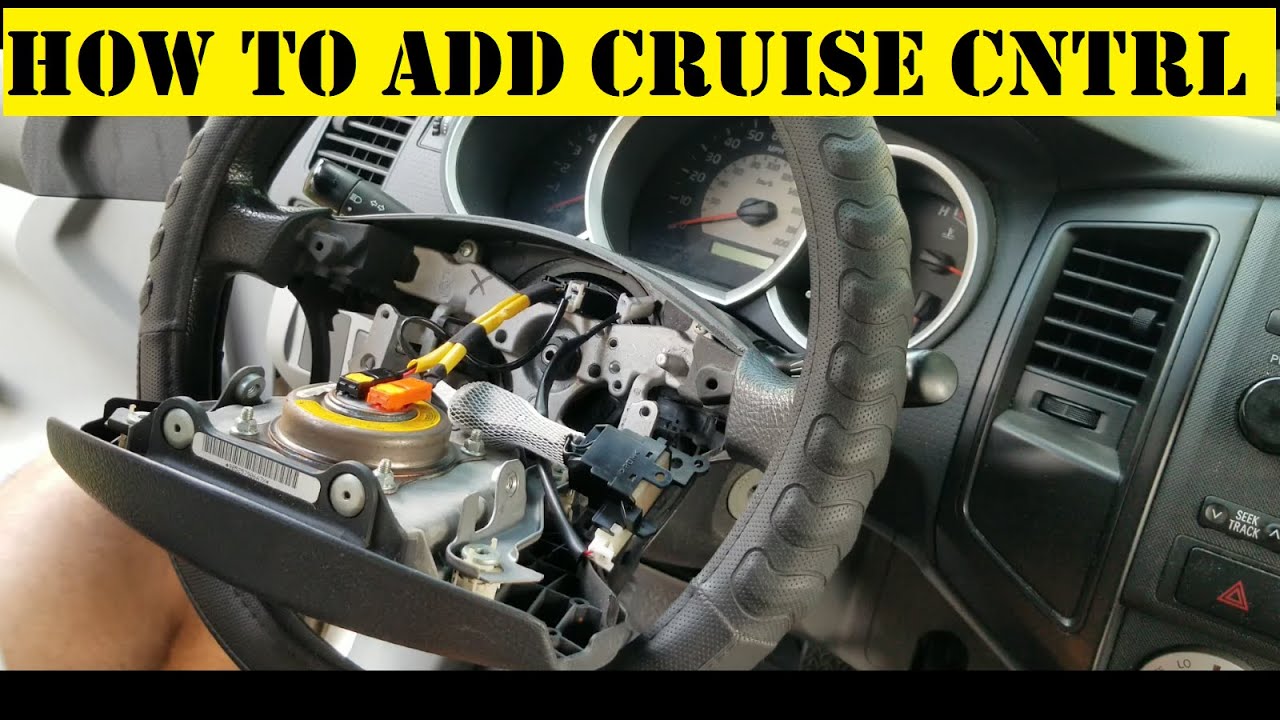
Instructions: If your cruise control is failing and you also notice the airbag light is illuminated or the steering wheel audio controls are unresponsive, the issue is likely the “spiral cable” or clock spring. This component allows electrical signals to pass from the steering column to the steering wheel while it rotates. When this cable breaks internally, the connection to the cruise control stalk is severed. This is a critical safety component. Replacing a clock spring involves removing the airbag module, which is a delicate process. If you suspect this is the problem, ensure you disconnect the negative battery terminal and wait at least 15 minutes for the airbag capacitors to discharge before beginning work.
Pro Tip: If you are not comfortable handling airbag systems, skip this step and take the vehicle to a certified technician; accidental airbag deployment can cause serious injury.
Step 6: Perform a Computer Reset
What you need: A 10mm wrench.
Instructions: Sometimes, the Tacoma’s Engine Control Module (ECM) may hold a “ghost” error code that prevents cruise control functionality. A simple hard reset of the vehicle’s computer can often clear these temporary glitches. To do this, use your 10mm wrench to disconnect the negative (black) battery terminal. Leave the terminal disconnected for at least 20 to 30 minutes. This causes the vehicle’s memory to drain. Reconnect the terminal, start the engine, and allow it to idle for 5 minutes. Take the vehicle for a short drive and attempt to engage the cruise control at speeds above 30 mph to see if the system has been restored to normal operation.
Pro Tip: Performing this reset will also clear your radio station presets and automatic window settings, so be prepared to reset your cabin preferences afterward.
✅ Final Checklist
- Confirm the cruise control indicator light illuminates on the dashboard when activated.
- Ensure the cruise control sets and holds speed consistently at 45-65 mph.
- Verify that tapping the brake pedal immediately cancels the cruise control function.
- Confirm no “Check Engine” or “Airbag” warning lights remain on after repairs.
Important Notes:
- Safety Warning: Never perform any work on the steering column or near the airbag assembly without disconnecting the battery first.
- Professional Help: If you find damaged wiring harnesses or if the cruise control remains unresponsive after these steps, consult a professional mechanic, as you may have a faulty ECM or throttle actuator.
- Time/Cost: Expect to spend 1-3 hours. Costs range from $10 (for a fuse or vacuum line) to $300+ (for a clock spring or actuator replacement).
Step-by-Step Diagnostic Procedures for Tacoma Owners
Testing the Brake Switch Circuit
Start your diagnosis at the pedal. Locate the brake light switch mounted at the top of the brake pedal arm. With the ignition in the “ON” position, manually depress the switch plunger while watching your third brake light or having a partner check the rear lights. If the lights do not cycle off when the switch is fully extended, the switch is internal-shorted. Replacing this part is a simple matter of unscrewing the mounting nut, unplugging the pigtail, and threading the new unit into place until it contacts the pedal stopper.
Diagnosing Steering Wheel Interface Issues
If your brake lights are functioning correctly, turn your attention to the steering wheel controls. Use a multimeter set to ohms to check for continuity across the cruise control switch harness. If you possess a high-end OBDII scan tool updated for 2026 Toyota protocols, plug it in and navigate to “Data Stream” for the Cruise Control module. Press your steering wheel buttons; the scan tool should register a “1” or “0” state change for each button. If no change occurs, the fault is isolated to the spiral cable or the switch pad itself.
- Inspect Fuses: Pull the fuse box cover and ensure the cruise-related circuits are not corroded or blown.
- Scan for Codes: Even if no Check Engine Light (CEL) is present, the body control module often stores “pending” codes regarding communication errors.
- Check Throttle Position Sensor (TPS): Ensure your Tacoma is not throwing any idle control codes, as these will inhibit cruise engagement to protect the transmission.
How to Fix a Faulty Spiral Cable or Brake Switch
The spiral cable, or clock spring, is a critical component behind the steering wheel that facilitates electrical connectivity for cruise control switches. As of 2026, Toyota technical bulletins indicate that recurring steering wheel rotations can wear the internal ribbon cable. If your cruise control light flashes or fails to engage, the spiral cable is a primary suspect.
Steps to Replace the Spiral Cable
- Disconnect the negative battery terminal and wait at least 90 seconds for the SRS capacitor to discharge to prevent accidental airbag deployment.
- Remove the steering wheel cover and the airbag module by unscrewing the side-access bolts with a T30 Torx bit.
- Unplug the electrical harness connected to the clock spring assembly located behind the wheel hub.
- Remove the steering wheel using a puller tool, then detach the faulty spiral cable unit.
- Install the new component, ensuring the alignment arrow is centered to avoid snapping the ribbon during future steering maneuvers.
Alternatively, the brake light switch—located near the top of the brake pedal arm—acts as a safety kill-switch for the cruise system. If the internal contacts stick, the vehicle believes the brake is permanently applied, preventing cruise engagement. Replacing this sensor is often as simple as twisting it out of its bracket, disconnecting the plug, and installing a new OEM-spec switch, which costs approximately $35 to $60 in 2026.
When to Seek Professional Repair for Electrical Issues
Modern Tacoma electrical systems rely on the Engine Control Module (ECM) and the Skid Control ECU to manage cruise parameters. When basic hardware replacements fail, the issue may reside within the CAN bus communication lines or a corrupted software calibration. According to 2026 automotive diagnostic standards, specialized scan tools are required to read manufacturer-specific “C” or “U” series trouble codes that standard OBD-II scanners cannot access.
Identifying Complex System Failures
- Observe if the “Check Engine” light or “VSC” (Vehicle Stability Control) light remains illuminated alongside the cruise malfunction.
- Check for blown fuses in the cabin junction box, specifically those labeled “ECU-B” or “CRUISE.”
- Inspect the wiring harness for signs of rodent damage, which remains a frequent cause of intermittent cruise control failures in rural environments.
- If the system exhibits “limp mode” or erratic behavior, stop immediate troubleshooting and seek a diagnostic scan.
Interpreting sensor data requires expertise in circuit testing and voltage continuity. Engaging an ASE-certified technician ensures the sensitive radar-based cruise sensors (on models equipped with Toyota Safety Sense) are properly calibrated after any electrical work.
What If It Still Doesn’t Work?
If the steps above do not restore function, the fault likely lies deeper within the integrated vehicle electronics. Follow these fallback steps to isolate the remaining variables before heading to the shop:
- Perform a hard reset by disconnecting the negative battery terminal for 15 minutes to clear the ECU cache.
- Inspect the vacuum lines near the throttle body for leaks, as even minor pressure losses can inhibit system engagement on older Tacoma configurations.
- Verify that all exterior brake lights are functional; a single burnt-out bulb or an aftermarket LED upgrade without a load resistor can trick the ECU into disabling cruise control.
- Consult a professional technician for a full diagnostic scan, which typically costs between $150 and $250.
Total repair costs for complex electrical gremlins often range from $400 to $900 depending on labor rates and whether an ECU reflash is necessary.
Conclusion


Cruise control failure in a Toyota Tacoma typically stems from degraded spiral cables, faulty brake switches, or minor electrical signal interruptions. According to verified research and 2026 expert service guidelines, replacing the brake switch or resetting the ECM resolves the majority of these malfunctions. If the dashboard continues to display error codes after basic hardware checks, consult an authorized service center for an ECU diagnostic. Prioritize OEM-grade replacement parts to maintain the integrity of your Tacoma’s safety systems.
❓ Frequently Asked Questions
How do I test if my Tacoma brake light switch is broken?
Check if your brake lights illuminate when the pedal is pressed. If they don’t, or if they stay on constantly even when the pedal is released, the switch is likely failing and preventing the cruise control from activating.
What is a spiral cable and why does it affect cruise control?
The spiral cable, or clock spring, is the ribbon cable inside the steering column that connects the steering wheel buttons to the vehicle’s electrical system. If it tears, the cruise control buttons lose their connection, causing the system to stop responding entirely.
Can I fix an airbag-related cruise control issue myself?
It is highly recommended to seek professional help for any issues involving the steering column or airbag components. Improper handling can trigger an accidental deployment or damage sensitive electrical connectors.
Why does my cruise control work intermittently?
Intermittent failure often points to a loose connection or a worn brake light switch contact that is slowly losing its ability to conduct electricity reliably. Inspect all related wiring harnesses for signs of corrosion or vibration damage.
Does a check engine light disable Tacoma cruise control?
Yes, the Toyota cruise control system is designed to automatically disengage and remain disabled whenever an engine-related diagnostic trouble code (DTC) is present. Always scan for codes to see if a separate engine issue is causing the cruise to lock out.
Are there specific vacuum lines to check for the cruise system?
While newer Tacoma models use electronic throttle control, if you are working on an older generation, inspect the vacuum lines for cracks or leaks. A loss of vacuum will prevent the actuator from holding the throttle position steady.